Step-by-step guide to creating a high-quality affiliate program
Learn how to create a high-quality affiliate program step by step, from developing an offer and setting up sales points to recruiting affiliates and choosing the right software.
It’s not easy to convince third parties to act as sellers for your products or services, and doing so using a well-designed business model is an even bigger challenge. In order to be successful, you have to take certain necessary preliminary steps into account.
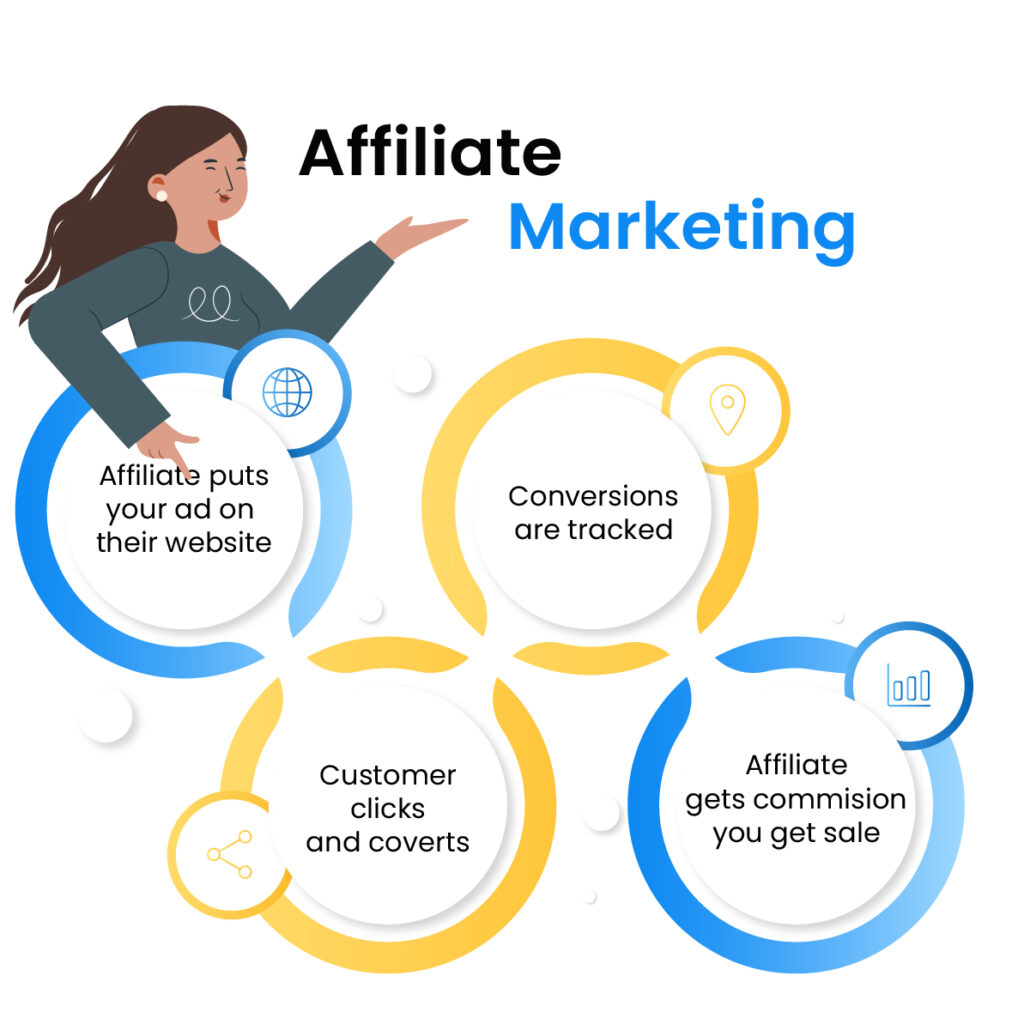
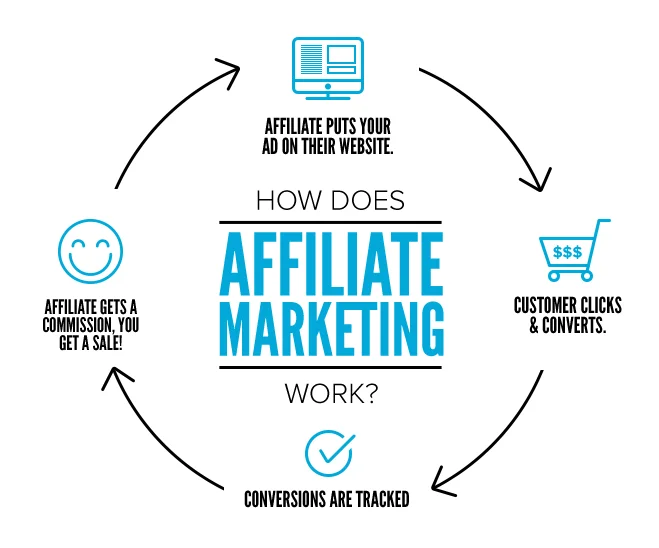
An affiliate partnership involves two sides: merchants, the businesses that want new channels to sell or promote their offering, and affiliates, the people or sites willing to promote those products and services in exchange for a commission. The affiliate is the one who earns that commission, typically under one of three performance models: per action (CPA, Cost per Action
), per lead or registration (CPL, Cost per Lead
), or per sale (CPS, Cost per Sale
).
Having a network of affiliates brings a significant advantage and new opportunities when selling any product or service. You can broaden your reach by approaching your target audience in a more personalized and unique way. The theory sounds great, right? However, when it comes to putting it into practice, many start-ups and SMEs realize that they have not taken the necessary steps or do not have enough knowledge and expertise to create an affiliate network.
Which is where this article comes in handy. Whether you want to create an affiliate program for your business from scratch or you are refining one you already have, if you are not sure how to start, keep on reading.
What do you need to create your own affiliate program?
In essence, you only need to fulfill three requirements to start your affiliate program
. Let’s analyze each of them separately.
Have an interesting product or service to offer
The important aspect of this requirement is that the product can’t be just another version of something we’ve already seen. The product must bring added value to its customers, such as solve a problem, answer a question, facilitate a process, or simply enable users to have fun. If the product has any of these characteristics, it will be much easier for your affiliates
to sell and market it, and it will also be easier for them to identify with the end-user.
Create an online point of sale
When thinking of a point of sale, imagine a separate website set up for processing purchases, such as eBay or Amazon. Whenever a user is interested in a product, the platform takes them to a dedicated landing page containing all of the important data like size, weight, colors, price, and many other details. This page should also contain a section where you can find accepted payment methods such as credit cards, PayPal, or money transfers. If your product does not have a dedicated point of sale, the affiliate program
will not be effective, because neither your affiliates nor your potential clients will know where to buy it.
Find affiliate tracking & affiliate program software
This is the real heart of the whole system. You need software that informs you which sales have been generated by your affiliates, which campaigns perform best, and how much commission each affiliate
has made, etc. A reliable solution also enables you to generate thorough reports and track the whole affiliate process automatically.
So, how do you launch an affiliate program yourself?
As mentioned before, the first step is to obtain software that helps you manage everything efficiently, from the registration of your affiliates and the sales they make to website integrations, advanced tracking, and multiple administrator options.
Don’t worry, there are plenty of solutions out there that can help you with all of the above. These tools can simply transform your website into a well-oiled affiliate program.
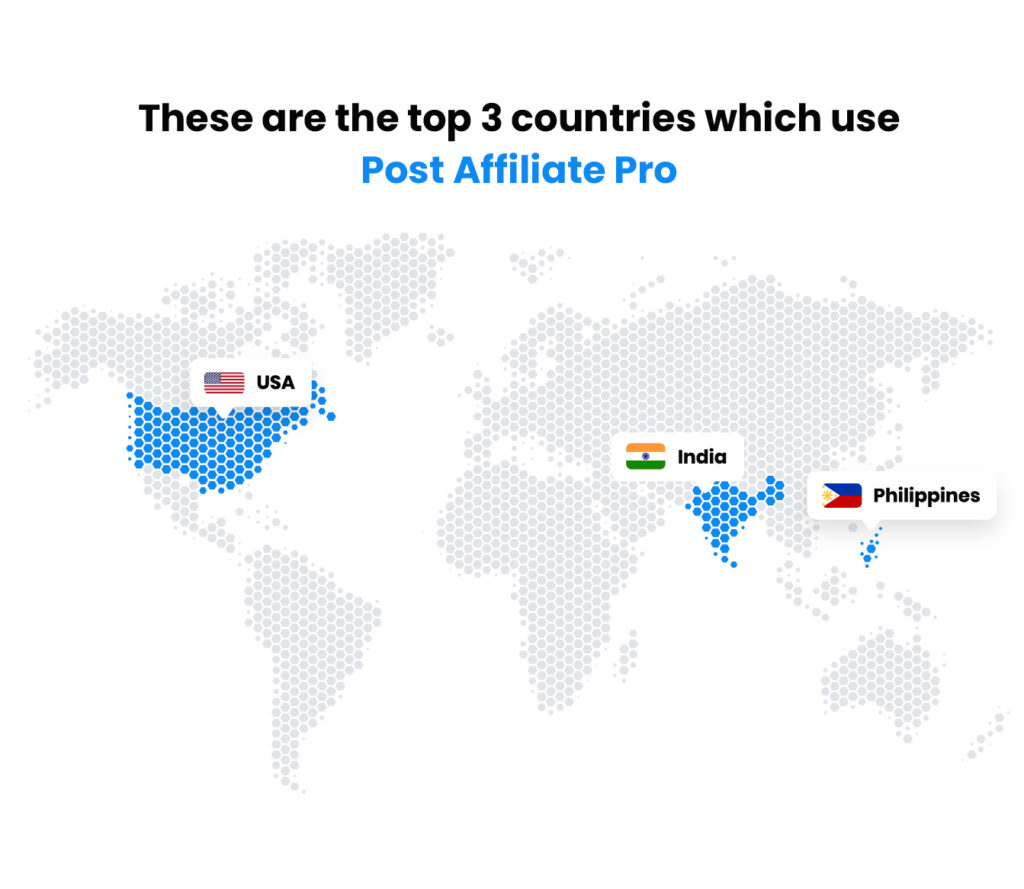
One of the most popular systems is Post Affiliate Pro
, which will do all the hard work for you. Once you start using it, you’ll never have to worry about meeting the agreed-upon payment deadlines with your affiliates.
It is important to note that no matter which solution you use, you should always be prepared to make a small investment for using it.
In the case of Post Affiliate Pro, there are four payment plans, priced lower when billed annually:
STARTER: The entry-level plan, at $79 a month billed annually ($89 billed monthly). It is built for small businesses just starting out and includes 10,000 tracking requests per month, unlimited affiliates, over 125 plugins, advanced reporting, fraud protection, and full setup with lifetime 24/7 support.
PRO: $129 a month billed annually ($139 billed monthly). Aimed at businesses actively launching an affiliate program, it offers 1M tracking requests per month, unlimited affiliates, over 220 integrations, advanced reporting, and full setup with lifetime support.
ULTIMATE: $249 a month billed annually ($269 billed monthly), for programs ready to expand. It adds 6M tracking requests per month, performance rewards, multiple admin support, lifetime referrals, site replication, and forced matrix on top of everything in the Pro plan.
NETWORK: $599 a month billed annually ($649 billed monthly), for running a full affiliate network. It includes 20M tracking requests per month, multiple merchant accounts, a subscription manager, network prepaid options, branding freedom, smartlinks, and an audit log.
Steps you should take before contacting potential affiliates
Now that you have a product you want to promote through affiliate marketing
and you’ve chosen the perfect affiliate software, it’s time to find affiliates that will spread the word about your product. But before you reach out to affiliates, consider these two questions: what is in it for them and how will they be remunerated?
CPL and CPS models are the safest option for a merchant, whereas accepting a CPA model means taking a slightly greater risk, since you pay an affiliate
for facilitating an action, not a more tangible result like a lead generated or sale made. However, in CPL or CPS models, in the unlikely event that an affiliate generates no sales or registrations, the merchant is basically giving away advertising space while receiving little or nothing in return.
That’s why merchants have to reduce the factors that put an offering at risk and do their best to increase the probability of successful sales. You can do your part by ensuring that you take care of all the aspects listed below.
Your product or service has to be adjusted to a specific niche that an affiliate represents.
Both the product and the affiliate have to stand out in a certain sector, so an affiliate must be treated as a reference source, and must have a trustful audience.
The system of assigning commission to your affiliates must be simple, yet efficient and clear for all stakeholders.
Even though affiliate marketing software enables you to automate many operations, assign one person to be responsible for managing the affiliate program.
When you have all these points covered, you can then move on to gathering affiliates who will promote your offering.
How to contact potential affiliates
The best way to find affiliates is to start building a relationship with them early on. If you want the fuller picture of where to look, our guide on how to find affiliates for your product
covers eleven channels in depth. You can obviously try to reach out to “cold affiliate leads
”, but you will be less likely to be accepted because of the missing trust factor. A merchant has to take a series of actions that should focus on long-term relationships.
1. Build relationships with potential affiliates
Trust is really important when planning long term cooperation that requires equal engagement and risk from both sides. That’s why you should start building rapport and trust very early on and be sincere about it. Relationships take time, which at first means adding value and offering something valuable without expecting anything in return.
A faster way to simplify your affiliate program setup is to collaborate with a company that already has an affiliate network
. Join a few affiliate programs
from your industry or from a totally different business environment. Try it for yourself and embrace the challenge of generating X leads, or making Y sales. Learn, observe, and draw conclusions. Get to know other affiliates, make friends, and then invite them to join your program.
3. Recruit affiliates through a page on your website
You can take advantage of visits to your website to get more affiliates on board. Create a section where you promote your own affiliate program, where you present the uniqueness of your product or service and share the benefits of the program. It is important to highlight the most important, so-called technical aspects, such as accepted promotional channels (email marketing, Google Ads, content marketing, social media, banners, and so on), possible commission, and payment terms.
If you are building a website for affiliate marketing rather than adding a single page to an existing site, keep the structure simple: a short pitch for why your product is worth promoting, the commission and cookie duration stated plainly, a sign-up form, and a few lines about what kind of affiliate you are looking for. Affiliates decide whether to apply within seconds of landing on this page, so a vague or overly salesy pitch will cost you sign-ups before anyone even reads your terms.
4. No time to build relationships? Here is what to do instead
Sometimes time does not allow us to establish relationships and plan our moves months in advance. In this case, you have to be very well prepared and have all the documentation, case studies, and presentations ready to convince potential affiliates to join your project. If you are about to face this kind of challenge, it is worth offering a higher commission at the beginning to make your offer more attractive and increase the chances of attracting potential affiliates.
5. Onboard new affiliates the moment they say yes
Recruiting an affiliate is not the finish line. A creator who applies and then waits three days for a welcome email, a tracking link, and basic promotional assets has plenty of time to lose interest or promote a competitor instead. As soon as someone is approved, they should have a working tracking link, a short explanation of how and when they get paid, and whatever banners, product images, or sample copy you can hand them on day one.
This matters even more in niches where affiliates have a reputation to protect, such as health, finance, or SaaS. For a closer look at what a proper onboarding flow looks like in practice, branded portals, compliance steps, and fast asset delivery included, see our guide on how to onboard premium affiliate partners
.
It isn’t that difficult to create your own affiliate program. It takes a little bit of work and investment, but, in the long run, it will enable you to promote your product and reach new audiences with minimal effort. However, make sure you give your program enough attention to ensure it delivers the desired results.
Once affiliates are active, managing your affiliate program becomes an ongoing job rather than a one-time setup. Check in on which affiliates are actually driving sales, keep payments on time, and update your marketing materials as your product evolves. A dashboard that surfaces performance and payment status in one place
makes this far less time-consuming than digging through spreadsheets every month.
Now that you know what steps to take to create your own affiliate system, why don’t you set one up yourself by following our guide? We are pretty sure you’ll be surprised by how many advantages it can bring to your business and your affiliate network
.
Frequently asked questions
You need an interesting product or service, a dedicated online point of sale, and reliable affiliate tracking software to start your affiliate program.
Recruit by building relationships early, collaborating with affiliate networks, and creating a dedicated recruitment page on your website with a clear commission and application form. Once someone is approved, onboard them the same day: give them a working tracking link, explain the payment schedule, and hand them ready-to-use marketing materials so they can start promoting without waiting on you.
Popular models include CPA (Cost per Action), CPL (Cost per Lead), and CPS (Cost per Sale), each offering different levels of risk and reward for merchants and affiliates.
Post Affiliate Pro's plans start at $79 a month billed annually (or $89 billed monthly) for the Starter plan, with Pro, Ultimate, and Network tiers above it scaling up in tracking volume and features as your program grows. All plans include full setup and lifetime support, so the right tier mostly comes down to how many tracking requests and integrations your program needs.
Lucia is a talented content editor who ensures the seamless publication of content across multiple platforms.
Lucia Halašková
Content Editor
Start Your Affiliate Program with Post Affiliate Pro
Discover how Post Affiliate Pro can help you launch, manage, and grow a successful affiliate program with advanced tracking and seamless integrations.
Learn how to start an affiliate program for beginners: definition, benefits, finding affiliates, setting commissions, choosing software, and managing success. T...
How to Set Up an Affiliate Marketing Program in 2025
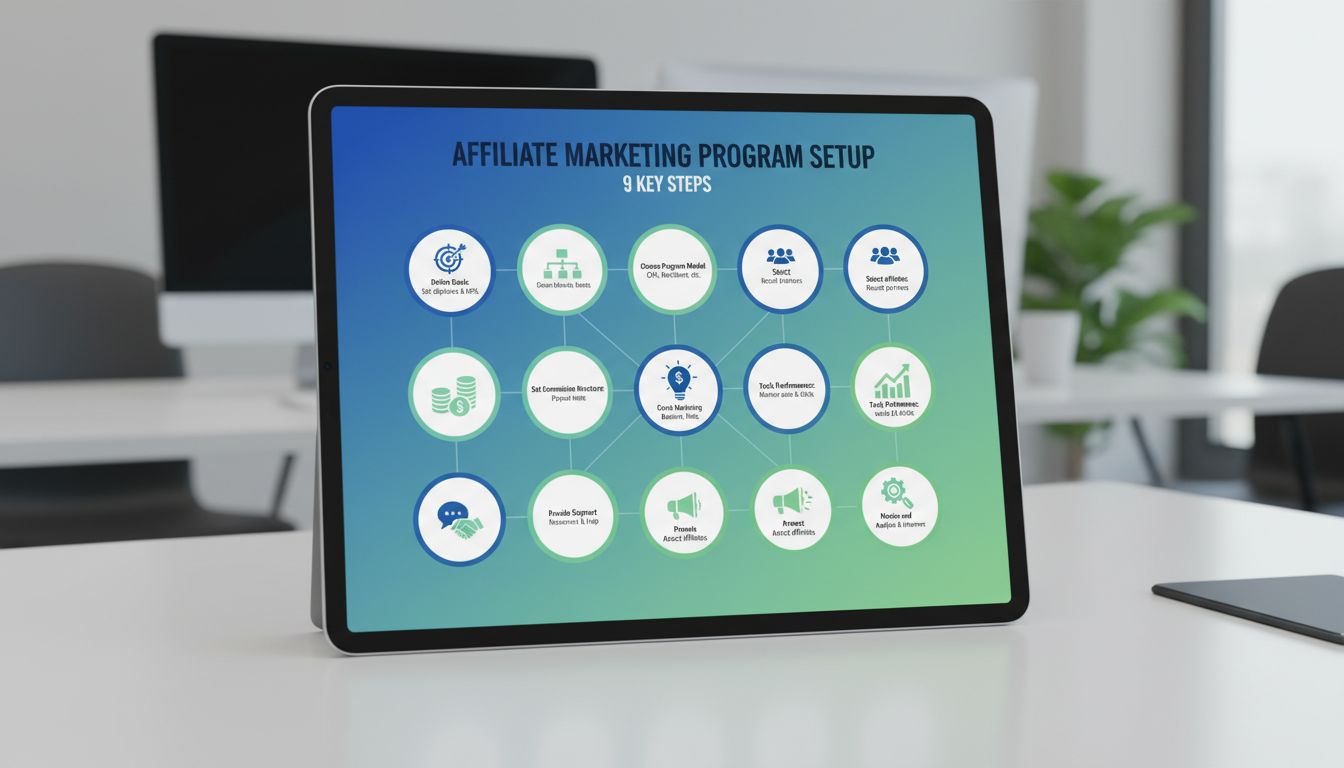
Learn how to set up a successful affiliate marketing program with our comprehensive guide. Discover the 9 essential steps from goal setting to performance optim...
Find out what affiliate marketing is, how it works, and how to get started. Learn the definition of affiliate marketing, its advantages, examples, payment model...
10 min read
AffiliateMarketing
OnlineMarketing
+3
You will be in Good Hands!
Join our community of happy clients and provide excellent customer support with Post Affiliate Pro.