


Instagram affiliate marketing: how many followers do you actually need
How many Instagram followers you actually need to start affiliate marketing, why engagement quality matters more than follower count, and what the real numbers ...
5 min read

The most common reasons social media affiliate marketing plateaus right when engagement looks healthy, and how to tell what’s actually a fixable problem versus what just needs more time.
The engagement looks real. People are commenting, sharing, sending your posts to friends. Your follower count is climbing in a way that feels earned rather than bought. And your affiliate dashboard still shows almost nothing. If you’ve done everything the platform guides tell you to do, posted consistently, picked the right platform for your product, kept the promotional ratio in check, and you’re still staring at a conversion count that doesn’t match the attention you’re clearly getting, you’re not doing it wrong. You’ve hit one of the most common and most misunderstood plateaus in social media affiliate marketing, and it’s worth understanding before you assume the whole approach has failed.
The short version: a tracking gap, link friction, a product-audience mismatch, spreading across too many platforms, or simply not enough repeated exposure yet are the usual reasons, roughly in that order of likelihood. Most of the time it’s a timing issue, not a broken strategy. The rest of this article walks through how to tell which one it actually is.
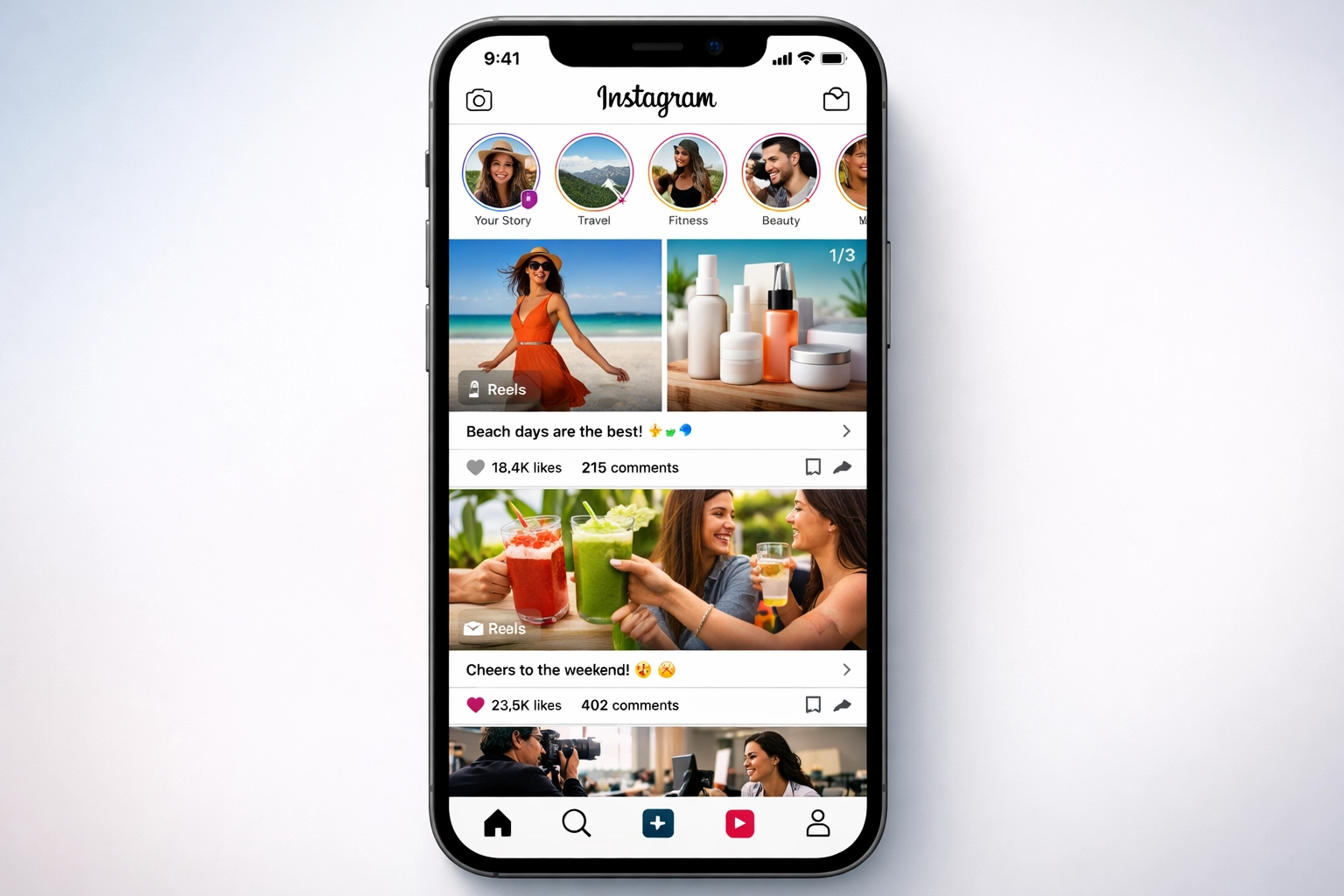
A like takes half a second and costs nothing. A purchase requires someone to trust a recommendation enough to hand over money for a product they haven’t personally tested, based on a stranger’s word. Those are not the same decision, and treating a healthy engagement rate as a predictor of an equally healthy conversion rate is the single most common source of disappointment in this specific plateau. Engagement measures whether people found your content interesting enough to interact with. Conversion measures something much narrower: whether a specific person, at a specific moment, was ready to buy a specific thing you recommended. It’s entirely normal for the first number to look great while the second one lags well behind it, especially in the early months of an account.
You know exactly where your link is and how to use it, so it’s easy to underestimate how much friction it adds for someone else. A link-in-bio setup means leaving the app, hunting for the right entry in a list, and hoping they remember what they were looking for by the time they get there. On Instagram and TikTok specifically, native in-app tagging and shop integrations exist precisely because that extra hop costs conversions, and using them where your platform and product qualify removes a step that a plain bio link cannot. Instagram relaunched native affiliate product tagging inside Reels in March 2026, letting eligible creators earn a commission without ever sending a viewer off the app at all, and TikTok Shop works the same way by design, a product added to your showcase converts without the viewer leaving TikTok to find a link. If you haven’t checked recently whether a native option has become available for your account, that’s worth confirming before assuming the product or the content is the problem.
Trust on social media is often more specific than it looks from the outside. Someone who follows you for honest tech reviews doesn’t automatically extend that same trust to a skincare recommendation, even if the engagement on both posts looks identical. This is a different problem from picking the wrong platform, it’s picking a product that sits outside the specific reason your audience follows you in the first place, and no amount of posting frequency fixes a mismatch like that. If one type of affiliate content in your niche consistently gets clicks while another gets only likes, that’s usually the audience telling you plainly what they trust you to recommend, worth listening to before assuming the whole channel isn’t working.
There’s a persistent idea in marketing that a person needs to see something roughly seven times before they act on it. That specific number doesn’t actually hold up, the research it traces back to found effective repetition closer to three exposures, not seven, and more recent analysis has found that frequency alone isn’t even among the strongest drivers of a sale (Source ). But the underlying principle the myth is built on is real: unfamiliar recommendations convert worse than familiar ones, and familiarity takes more than a single post to build. If someone saw your product mentioned once last week, that’s not yet a pattern their brain treats as trustworthy. Consistency over several weeks is what turns “I saw this somewhere” into “I trust this enough to buy it.”
Even accounts converting well by industry standards typically see purchase conversion sitting far below their engagement rate, since the funnel from interested to convinced to actually buying loses people at every step. A post that gets meaningful engagement but a low click-through, and a low click-through that still produces occasional sales, can both be entirely healthy numbers depending on your niche and price point. The mistake is comparing a percentage meant to measure interest against a percentage meant to measure a completed purchase, as if they should track each other one to one. They don’t, and expecting them to is what makes a genuinely fine conversion rate feel like a failure.
Posting on Instagram, TikTok, and Facebook simultaneously is good practice once each one has some traction, but splitting a small, early audience three ways from the start means no single platform builds the trust density it needs to convert. A newer account with a few hundred engaged followers on one platform will often outconvert the same effort spread thin across three platforms with a few dozen followers each. If sales aren’t coming and you’re active everywhere at once, narrowing to your single best-performing platform for a few weeks is a reasonable thing to try before concluding the whole approach isn’t working.
It’s easy to lean more promotional than intended once sales feel overdue, and that instinct usually backfires. Audiences that sense a feed turning into a constant pitch disengage before they convert, which shows up as both falling engagement and falling sales at the same time, often mistaken for two separate problems. Keeping roughly four out of every five posts free of any pitch, the working ratio covered in our guide to building a posting schedule , protects the trust that eventually produces the sale, even though it feels counterintuitive to post less directly about the product when you want more sales from it.
A lump commission total at the end of the month tells you almost nothing about which platform, post, or piece of content actually drove it. Without a distinct tracking link or UTM parameter per platform, it’s easy to assume nothing is converting when in reality one specific format, a comparison Reel, a TikTok demo, a Facebook Group post, is quietly doing all the work while the rest genuinely isn’t. Our posting schedule guide walks through setting this up simply, and it’s often the fastest way to find out the honest answer is “something is working,” just not the thing you assumed.

Set up advanced tracking in minutes. No credit card required.
None of the causes above are usually the whole story. The other half of this plateau is psychological, and it deserves to be named directly rather than talked around. Watching someone with a much bigger following seem to sell effortlessly while your own numbers sit flat is genuinely discouraging, and it’s easy to read that gap as proof you’re missing something fundamental. Most of the time you’re not. Bigger accounts usually got there by surviving this exact same flat period long enough for it to compound, not by skipping it.
Checking your dashboard daily during a plateau tends to make the wait feel worse, not better, since daily numbers are noisy in a way that a weekly or monthly trend isn’t. If you’re going to track anything closely during this stretch, track engagement and click-through week over week rather than sales day by day, since the sales lag behind those two by design. Wanting to quit right when the trend is actually turning is one of the most common and most avoidable ways this specific plateau gets treated as a dead end instead of what it usually is: the point right before it starts working. Our piece on staying in it when affiliate marketing feels like it isn’t working goes deeper into that side of it.
A few leading indicators tend to show up before the sales do, and they’re worth watching for specifically instead of only checking your commission total.
If most of these are present, the honest read is that the mechanics are working and the sales are lagging behind them, not that something is broken.
Be the first to know about new features and product updates.
Before overhauling your content, your niche, or your platform, run through this in order. It takes less time than a full strategy change and usually points straight at the actual cause.
A “yes” to the last question alone is often the entire explanation.
If sales aren’t coming yet, work through it roughly in this order. First, confirm you can actually see which platform and post are converting, since guessing from a lump total makes every other diagnosis unreliable. Then check whether the link itself is adding unnecessary friction, and whether a native in-app option has become available that you haven’t switched to. After that, look at whether you’re spread across too many platforms too early, and whether the promotional ratio has quietly crept past what your audience will tolerate. Only once those are ruled out does it make sense to sit with the harder, less tactical possibility, that you’re simply earlier in the trust-building timeline than it feels like, and the fix is consistency for a few more weeks rather than a bigger change.
The plateau where engagement looks healthy and sales don’t yet match it is common enough that it has a shape you can actually diagnose, rather than a verdict on whether social media affiliate marketing works for you. Most accounts that push through it do so by staying consistent a little longer than felt reasonable, not by finding some tactic everyone else missed.
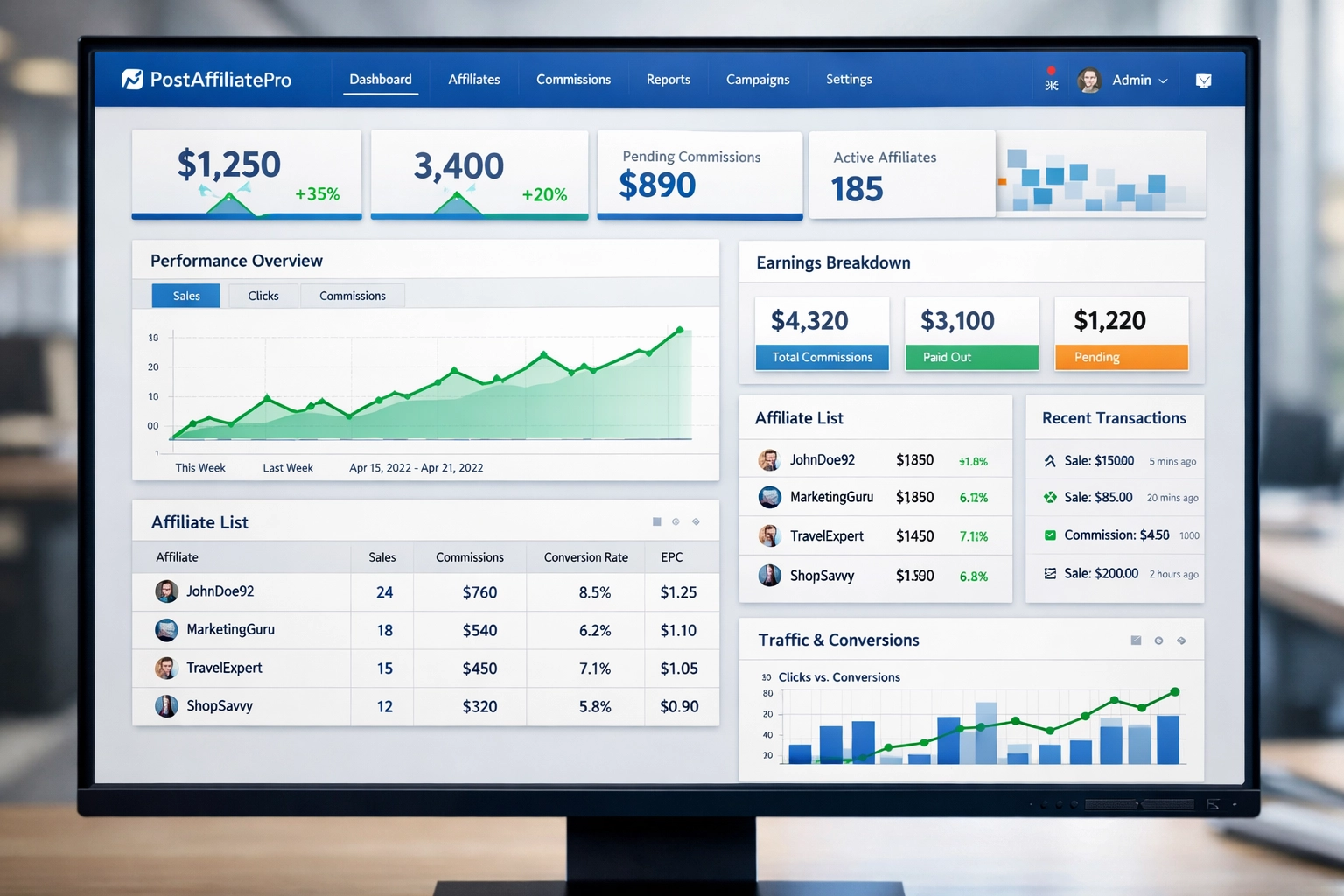
PostAffiliatePro attributes every conversion back to the exact link, post, and platform that generated it, so you can tell what's actually working instead of guessing from engagement alone.
How many Instagram followers you actually need to start affiliate marketing, why engagement quality matters more than follower count, and what the real numbers ...
Discover why affiliates aren't promoting your online store and learn proven strategies to boost affiliate engagement, increase commissions, and drive sales with...

Affiliate marketing can be hard. Read more here to find out the top mistakes you can avoid to become a success in affiliate marketing.
Join our community of happy clients and provide excellent customer support with Post Affiliate Pro.




Cookie Consent
We use cookies to enhance your browsing experience and analyze our traffic. See our privacy policy.