How Social Media Generates Backlinks for Affiliate Sites
how social media platforms drive backlinks for affiliate sites. platform-specific strategies, content tactics, and tools to amplify your affiliate marketing
How Social Media Generates Backlinks for Affiliate Sites
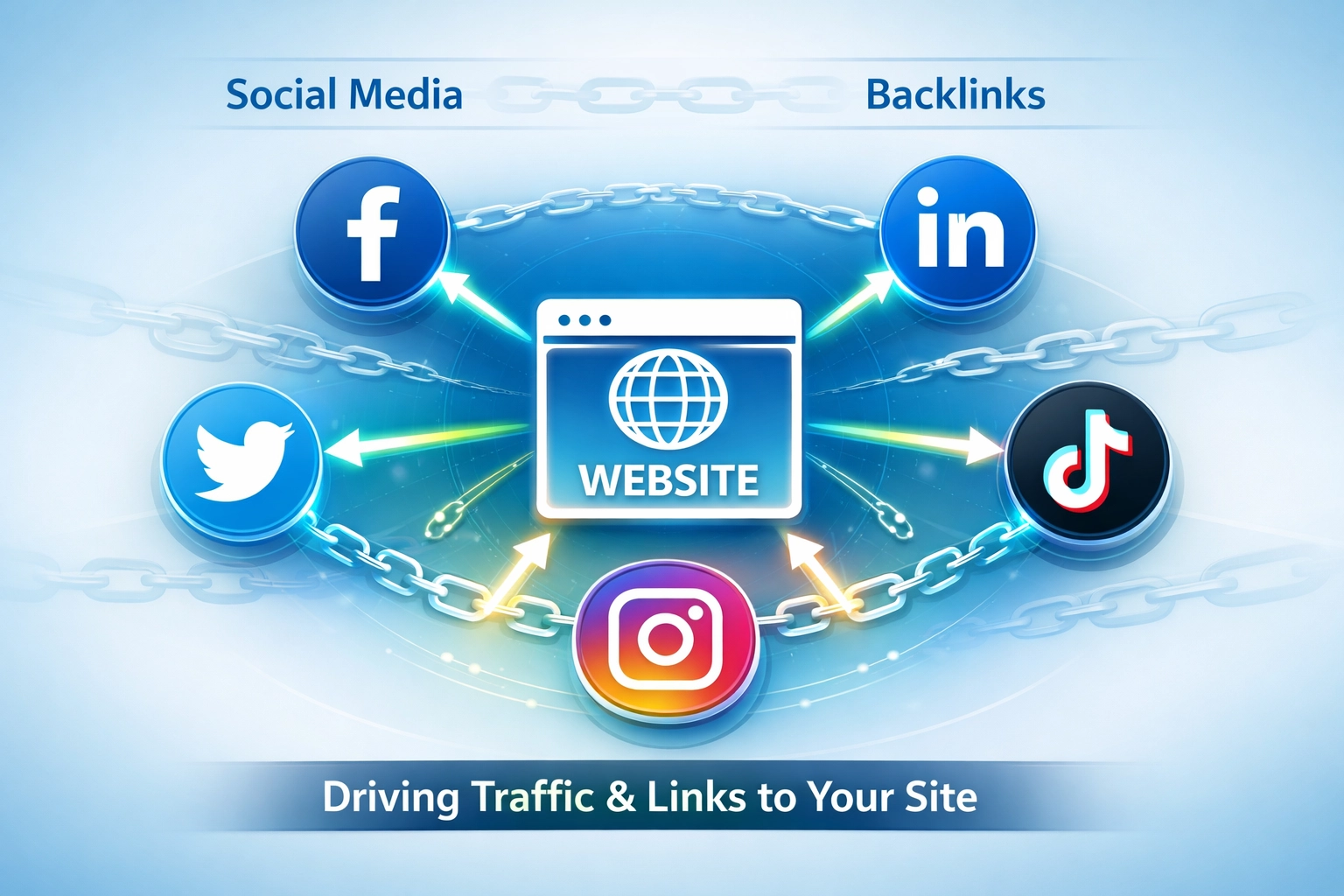
Social media has become an indispensable tool for affiliate marketers looking to expand their reach and build authority online. While social media platforms themselves don’t directly influence search engine rankings, they serve as powerful catalysts for generating the backlinks that do matter.
When you share valuable content on social platforms, you’re essentially casting a wider net, attracting attention from potential linkers, influencers, and industry peers who may reference and link back to your content. This indirect pathway from social visibility to earned backlinks represents one of the most cost-effective and scalable link-building strategies available to affiliate marketers today.
This piece focuses specifically on the backlink side of that equation; for the direct promotion tactics on each platform, Instagram, TikTok, Facebook, and beyond, see our full guide to social media for affiliate marketing
.
Understanding Social Media Backlinks vs. Traditional Backlinks
Social media backlinks differ fundamentally from traditional backlinks in how they pass authority and drive value. Most social media links carry a “nofollow” attribute, meaning they don’t directly pass SEO authority or link juice to your website. However, this doesn’t diminish their importance, it simply changes how they contribute to your overall SEO strategy.
While traditional backlinks from high-authority websites directly boost your domain authority and search rankings, social media backlinks excel at driving qualified traffic, increasing content visibility, and creating opportunities for organic backlinks from other sources. The real power of social media lies in its ability to amplify your content to audiences who might later link to it from their own websites or publications.
Aspect
Social Media Backlinks
Traditional Backlinks
Authority Pass
No (nofollow)
Yes (dofollow)
Traffic Potential
Very High
Medium
Indexing Speed
Fast (minutes)
Slower (days/weeks)
Cost
Low
High
Viral Potential
High
Low
How Social Media Drives Backlinks: The Indirect Pathway
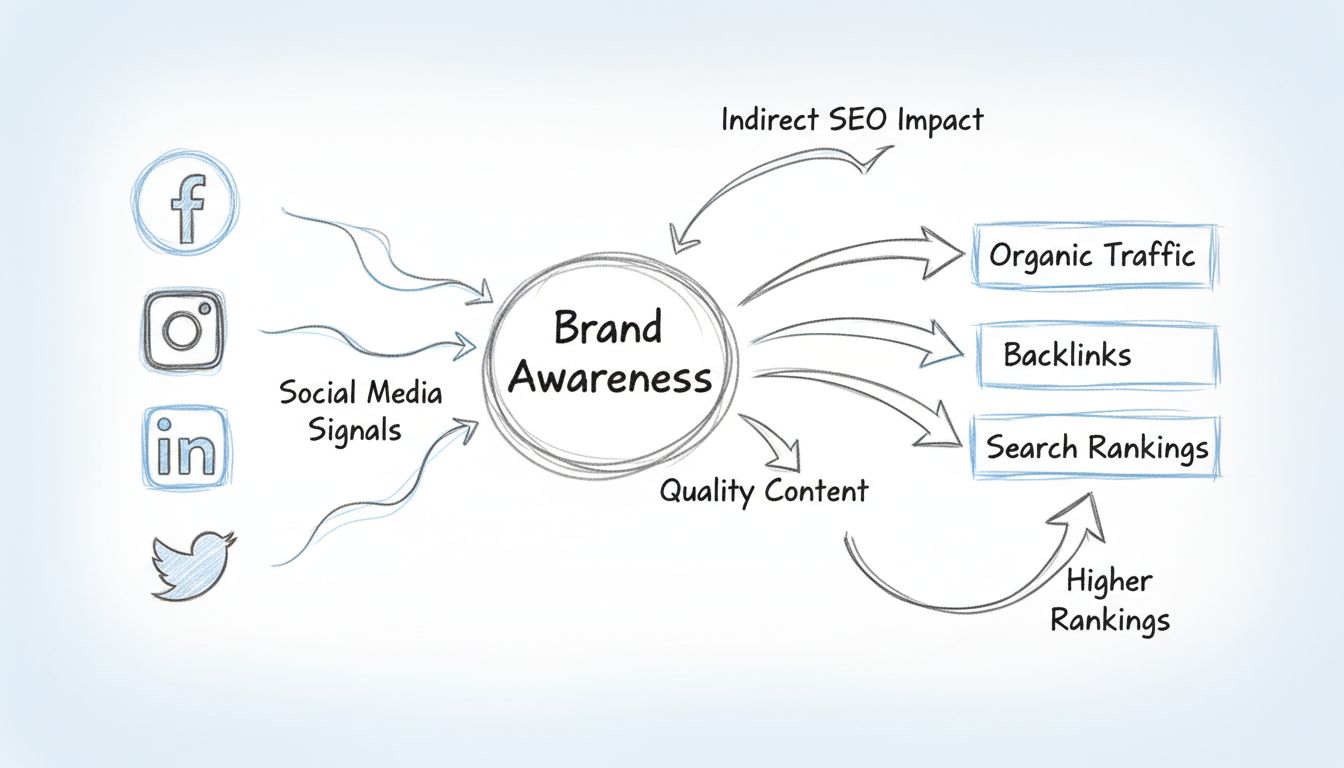
The mechanism by which social media generates backlinks operates through a series of interconnected steps that create compounding value. When you share content on social platforms, search engines discover it faster through the links you post, leading to quicker indexing.
This increased visibility attracts more eyeballs, and when your content resonates with audiences, they share it further, exponentially expanding your reach. As your content gains traction and visibility, journalists, bloggers, and website owners notice it and naturally reference it in their own content, creating the organic backlinks that search engines value most highly.
Key mechanisms driving backlink generation through social media:
Increased Visibility: Sharing content across multiple platforms exposes it to diverse audiences who might not find it through search engines alone
Traffic Signals: Higher traffic from social platforms indicates to search engines that your content is valuable and relevant
Viral Amplification: Content that gains momentum on social media attracts citations and mentions from authoritative sources
Influencer Discovery: Active social presence helps you connect with industry influencers who amplify your content to their audiences
Brand Mentions: Social engagement generates brand mentions that often convert into editorial backlinks from news sites and industry publications
Platform-Specific Strategies for Backlink Generation
Each social media platform offers unique opportunities for backlink generation, and successful affiliate marketers tailor their approach to each platform’s strengths.
LinkedIn serves as the premier platform for B2B affiliate marketers, where publishing long-form articles and engaging in professional discussions positions you as an authority figure. Posts that provide original insights or data often attract backlinks from business publications and industry blogs. X (formerly Twitter) excels at rapid content distribution and indexing, posts often appear in Google search results within minutes, making it ideal for time-sensitive content and breaking industry news.
Facebook remains valuable for community building and driving referral traffic through groups and pages, particularly for consumer-focused affiliate niches.
Instagram leverages visual content and influencer partnerships, with high-quality infographics and videos generating shares that lead to backlinks from visual content aggregators and design blogs.
TikTok offers explosive viral potential, with trending content frequently being cited and linked by mainstream media outlets and industry publications seeking to understand emerging trends.
Creating Share-Worthy Content That Generates Backlinks
The foundation of any successful social media backlink strategy is creating content that people genuinely want to share and reference. Infographics and other visual content consistently outperform text-only posts, a long-running finding that HubSpot itself still cites in its own content guidance (Source
).
How-to guides and tutorials attract backlinks because they provide practical value that other creators want to reference. Original research and data-driven reports are particularly link-worthy too, publish a unique statistic or survey result, and other websites cite your work as the source, generating high-quality backlinks.
Videos and case studies demonstrate real-world results, making them highly shareable and referable, and listicles and roundup posts naturally attract backlinks as other creators reference your compilation in their own content. The psychology of sharing reveals that people share content that makes them look knowledgeable, entertains them, or provides genuine utility, so focus on these elements when creating content for social distribution.
Influencer Partnerships and Relationship Building
Influencers serve as force multipliers for your backlink generation efforts, extending your reach far beyond your existing audience. When an influencer with significant followers shares your content, they expose it to thousands of potential linkers simultaneously, and, more importantly, influencers often have relationships with journalists, bloggers, and other content creators who may link to content they’ve endorsed.
Strategic partnerships with micro-influencers in your niche, those with 10,000 to 100,000 engaged followers, often yield better backlink results than partnerships with mega-influencers, since their audiences tend to be more targeted and engaged. Collaboration opportunities extend beyond simple content sharing too: co-creating content, guest posting on each other’s platforms, and featuring influencers in your content creates mutual value that encourages them to promote your work to their networks.
The authority transfer that occurs when respected influencers associate with your brand signals credibility to both search engines and potential linkers.
Measuring and Tracking Social Media Backlink Impact
Effective measurement transforms social media backlink generation from a guessing game into a data-driven strategy. Google Analytics provides the foundation for tracking referral traffic from social platforms: by monitoring which social channels drive the most visitors to your site, you can identify which platforms and content types generate the highest-quality traffic. UTM parameters allow you to track specific campaigns and posts, revealing which social content drives the most engaged visitors.
Google Search Console shows you which pages receive the most impressions and clicks from search results, helping you identify content that’s gaining traction and attracting backlinks. Social listening tools like Mention, Brand24, and Hootsuite monitor brand mentions across the web, revealing when your content is being referenced and creating opportunities to convert mentions into formal backlinks.
Backlink analysis tools such as Ahrefs, SEMrush, and Moz track new backlinks pointing to your site, allowing you to identify which social campaigns generated the most link-building success. By analyzing these metrics regularly, you can refine your strategy to focus on the platforms, content types, and approaches that generate the most valuable backlinks.
Tracking whether it’s actually working
Generating backlinks through social media is one thing, knowing whether it’s actually moving affiliate revenue is another, and that requires connecting the dots between a social click and a final sale rather than just watching your backlink count climb. Affiliate tracking software like PostAffiliatePro fills that specific gap, attributing conversions back to the content and channel that generated them so you can tell a genuinely valuable backlink source from one that just looks good on paper.
Common Mistakes to Avoid in Social Media Backlink Strategy
Many affiliate marketers undermine their backlink generation efforts by making preventable mistakes. Over-relying on social media alone while neglecting other link-building strategies creates a fragile backlink profile vulnerable to algorithm changes and platform policy shifts. Posting low-quality or overly promotional content fails to attract shares and backlinks too, audiences share content that provides value, not content that simply sells.
Ignoring analytics and continuing ineffective strategies wastes time and resources that could be invested in higher-performing approaches. Spammy practices like buying followers, using automation excessively, or posting the same content repeatedly across platforms damage your credibility and can result in account restrictions.
Inconsistent posting schedules cause your audience to disengage, reducing the reach and impact of your content, and failing to engage with your audience by responding to comments and messages misses opportunities to build relationships that lead to backlinks and collaborations. Success in social media backlink generation requires consistency, quality, authenticity, and a willingness to adapt your strategy based on performance data.
Conclusion: Building a Sustainable Backlink Strategy Through Social Media
Social media’s role in generating backlinks for affiliate sites is genuinely significant: it provides a scalable, cost-effective pathway from content creation to earned links and increased search visibility. By understanding how each platform works, creating genuinely shareable content, building relationships with influencers, and measuring your results, you can systematically generate backlinks that improve your search rankings and drive affiliate revenue.
The key is approaching social media not as a standalone marketing channel but as an integral component of a comprehensive backlink strategy that includes traditional link building, content marketing, and relationship development. Start by auditing your current social media presence, identifying your best-performing content, and doubling down on the platforms and content types that generate the most engagement and backlinks.
From there, tracking how your social media efforts actually translate into affiliate revenue lets you optimize your strategy based on real business results rather than vanity metrics. The affiliate marketers who master the intersection of social media and backlink generation build a sustained advantage in search rankings, traffic, and revenue that compounds over time.
Frequently asked questions
While social media links typically carry a 'nofollow' attribute and don't directly pass SEO authority, they significantly impact rankings indirectly. Social media drives traffic, increases content visibility, and creates opportunities for organic backlinks from other websites, all factors that search engines value highly.
Different platforms excel in different ways. LinkedIn is best for B2B authority and professional backlinks, Twitter/X for rapid indexing and news coverage, Facebook for community-driven traffic, Instagram for visual content and influencer partnerships, and TikTok for viral reach and mainstream media citations.
Content indexing happens within minutes to hours of posting on social platforms, but backlink generation typically takes 1-4 weeks. The timeline depends on content quality, audience size, influencer involvement, and how actively you promote the content across multiple channels.
While automation tools can help with scheduling and posting, authentic engagement cannot be automated. Balance automation for consistency with genuine interaction, relationship building, and content curation. Over-automation risks appearing spammy and reduces the likelihood of earning quality backlinks.
Social shares are when people repost your content on social platforms, while backlinks are links from external websites pointing to your content. Shares increase visibility and can lead to backlinks, but they're not backlinks themselves. However, shared content is more likely to be discovered and linked by other websites.
Use Google Analytics to track referral traffic from social platforms, Google Search Console to monitor search visibility, and backlink analysis tools to track new links. Most importantly, use PostAffiliatePro to connect social media traffic to actual affiliate conversions and revenue, measuring true business impact.
No. Social media should be one component of a diversified backlink strategy that includes guest posting, broken link building, resource pages, and digital PR. A well-rounded approach reduces risk and creates multiple pathways for earning high-quality backlinks from authoritative sources.
PostAffiliatePro tracks which affiliate partners and content pieces drive the most valuable traffic and conversions. By integrating with your analytics, it shows the complete customer journey from social media click to conversion, revealing which backlink sources deliver the highest-quality customers and revenue.
Ready to Maximize Your Affiliate Backlink Strategy?
PostAffiliatePro provides comprehensive tracking and optimization tools to measure how your social media efforts translate into affiliate revenue. Monitor backlink sources, track affiliate performance, and optimize your strategy based on real business results.
Can Social Media Impact SEO? The Complete 2025 Guide to Social Signals and Rankings
Discover how social media impacts SEO in 2025. Learn the difference between direct and indirect effects, why backlinks matter, and how to leverage social signal...
Why Should Affiliate Marketers Prioritize Link Building
why link building is essential for affiliate marketers. how backlinks drive organic traffic, build credibility, and increase revenue through proven SEO
Discover how guest blogging builds quality backlinks to boost your affiliate site's authority and SEO rankings. Learn proven strategies and best practices.
8 min read
You will be in Good Hands!
Join our community of happy clients and provide excellent customer support with Post Affiliate Pro.