



What Metrics Are Important in Affiliate Marketing? Complete KPI Guide
Discover the essential affiliate marketing metrics and KPIs you need to track for success. Learn ROI, CTR, conversion rates, CPA, and more with detailed explana...
11 min read
In affiliate marketing, average order value (AOV) is eligible sales revenue divided by the number of orders in the same period. In affiliate reporting, use the attributed revenue and orders for the channel being analyzed. State whether discounts, taxes, shipping, and refunds are included, because reporting definitions can differ.
In affiliate marketing, average order value (AOV) is eligible sales revenue divided by the number of orders in the same period. In affiliate reporting, use the attributed revenue and orders for the channel being analyzed. State whether discounts, taxes, shipping, and refunds are included, because reporting definitions can differ.
AOV = eligible revenue ÷ order count. If a hypothetical affiliate campaign records $12,000 in eligible revenue across 150 orders, its AOV is $80. All numerator values and orders need to follow the same scope and period.
State the treatment of discounts, shipping, taxes, returns, and canceled orders. A commerce report and an affiliate tracker may use different definitions, so equal-looking labels need not produce equal values.

Set up advanced tracking in minutes. No credit card required.
| Metric | Question it answers |
|---|---|
| AOV | How much eligible sales revenue does an average order represent? |
| Average commission per order | How much commission does an average eligible order earn? |
| EPC | How much commission does an average referral click earn? |
| Customer lifetime value | What value does the customer relationship generate over time? |
One large order can move the mean even when typical purchases remain small. Segment by campaign and product mix and inspect the distribution or median where appropriate. Combine currencies under a documented conversion rule before summing revenue.
Be the first to know about new features and product updates.
Choose a gross or adjusted definition and label it. For cohort analysis, link refunds to the original orders and allow sufficient observation time. Do not compare a fresh gross cohort with a mature refund-adjusted cohort as if they measured the same thing.
Use it to understand an offer alongside commission rules, conversion rate, and approved earnings. A higher-priced product can produce more commission per order, but may convert fewer shoppers or cost more to promote. Optimize the whole economics rather than AOV alone.
Choose one relevant bundle, upsell, cross-sell, or checkout promotion and compare it with a suitable baseline. Measure conversion rate, eligible revenue, commission per order, EPC, refunds, and product margin as well as average order value. A bigger basket accompanied by fewer purchases may produce a weaker result.
For an illustrative 100 orders at $80 AOV, eligible revenue is $8,000. If a promotion raises AOV to $100 but only 70 orders qualify, revenue falls to $7,000. At the same 10% commission, the gross reward falls from $800 to $700 before adjustments.
Shopify’s AOV guide provides commerce context for basket-size strategies. Stripe’s partial-refund guidance explains source payment adjustments that can affect an adjusted revenue definition.
Help the buyer select a useful combination of products rather than add irrelevant items solely to increase the average. Explain the discount and product value accurately. The affiliate’s commercial objective is useful approved earnings, which requires both suitable purchases and the commission rules applying to their eligible value.
Relevant bundles, complementary products, and useful upgrades can increase basket size. A personalized recommendation or clear checkout explanation may help buyers choose an appropriate additional item. Discount thresholds can encourage larger orders, but they also reduce margin and should be tested rather than assumed profitable.
Measure conversion rate, approved revenue, EPC, and refunds alongside AOV. If a promotion increases average order size while fewer visitors buy, total affiliate earnings can fall. For a hypothetical 10% commission on $80 eligible AOV, the average sale produces $8; changes to the eligible base or rate change that result.
Shopify’s analytics reference provides platform-specific metric definitions. Reconcile your tracker with the commerce report before comparing them, and keep the same date range and refund treatment across campaigns.
For the corresponding Post Affiliate Pro settings, consult the advanced reports documentation . Confirm the configuration and integration requirements against your program’s rules.
Explore Post Affiliate Pro’s tracking, commission settings, and partner management tools.
Discover the essential affiliate marketing metrics and KPIs you need to track for success. Learn ROI, CTR, conversion rates, CPA, and more with detailed explana...
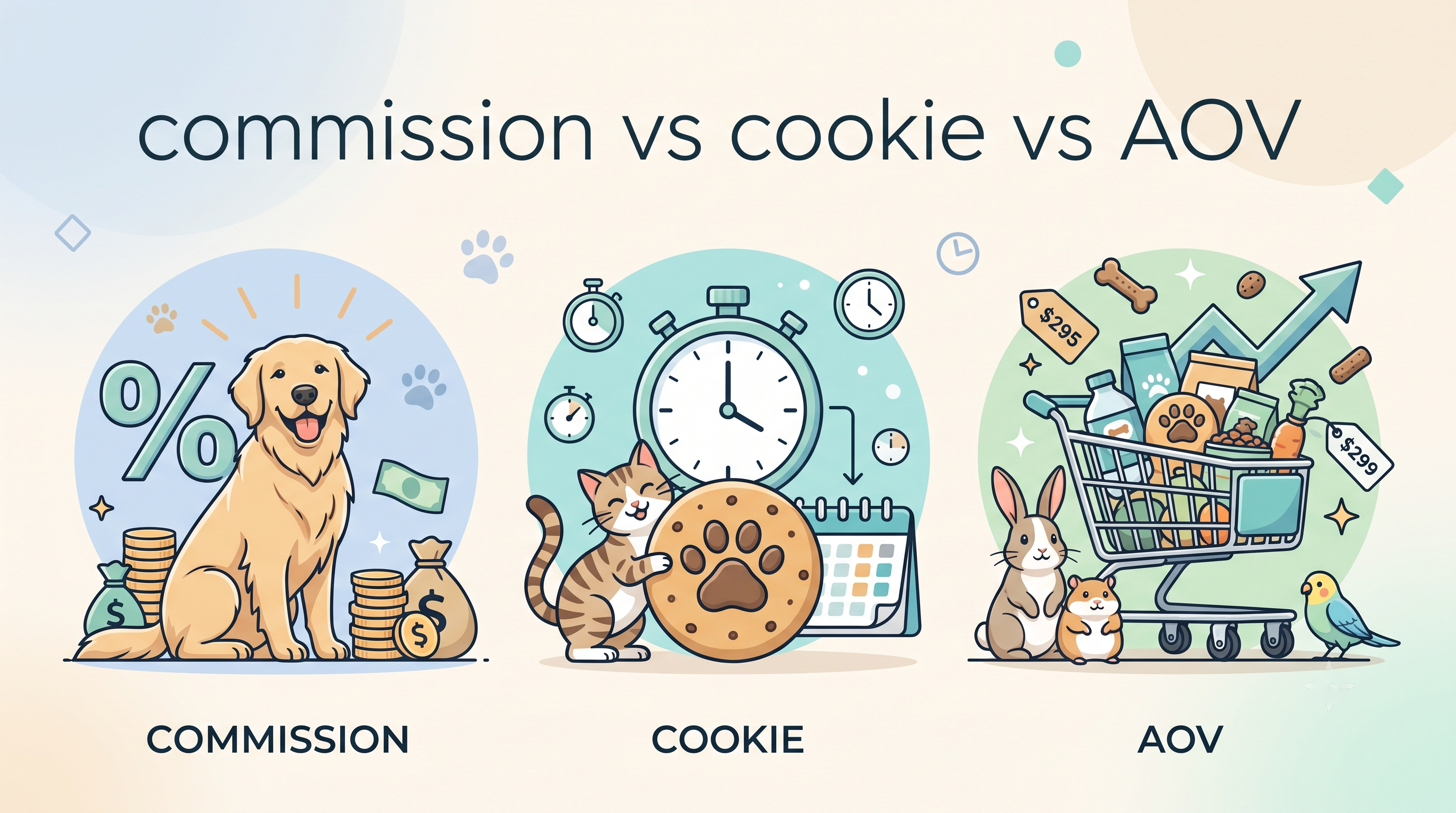
Learn how to evaluate a pet affiliate program using three factors that matter more than a headline commission rate: commission structure, cookie duration, and a...
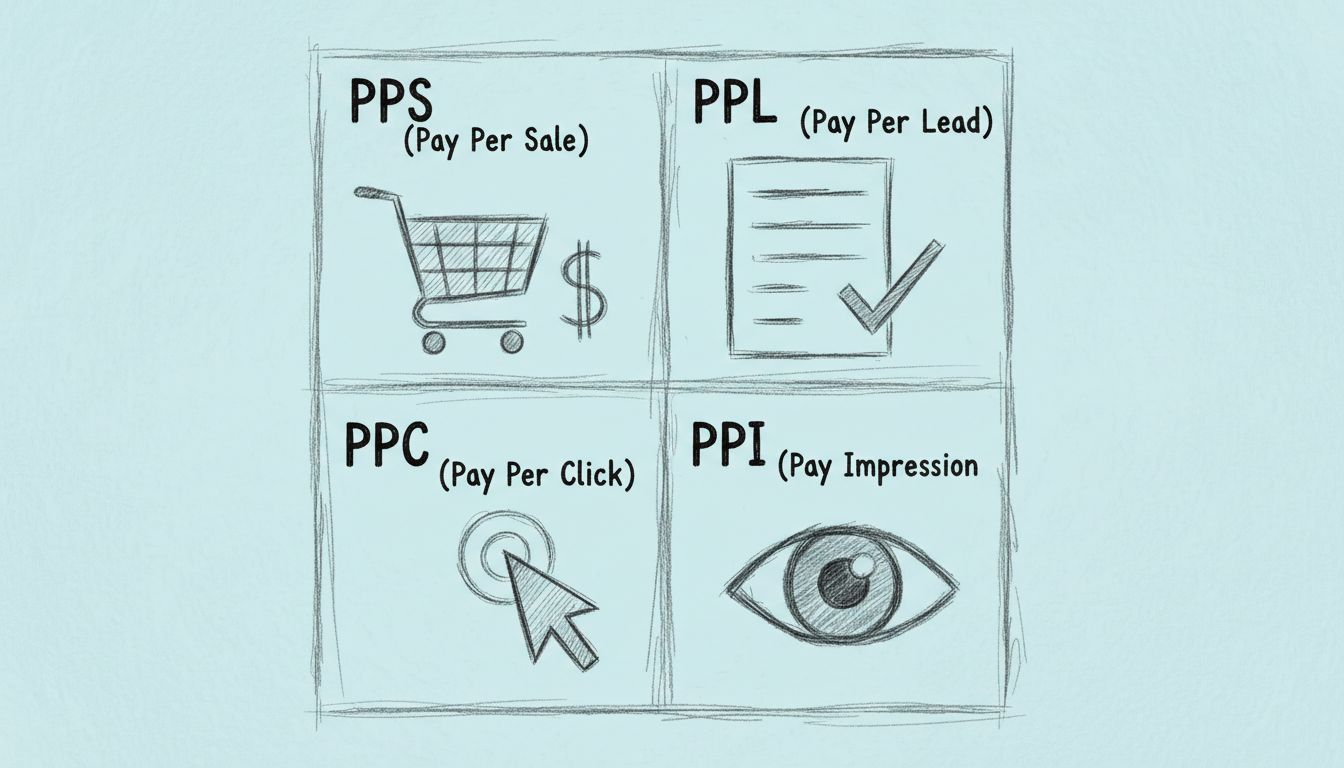
Learn how advertisers decide payout values in affiliate marketing. Discover the factors influencing commission rates, payout models, and best practices for maxi...
Join our community of happy clients and provide excellent customer support with Post Affiliate Pro.




Cookie Consent
We use cookies to enhance your browsing experience and analyze our traffic. See our privacy policy.