


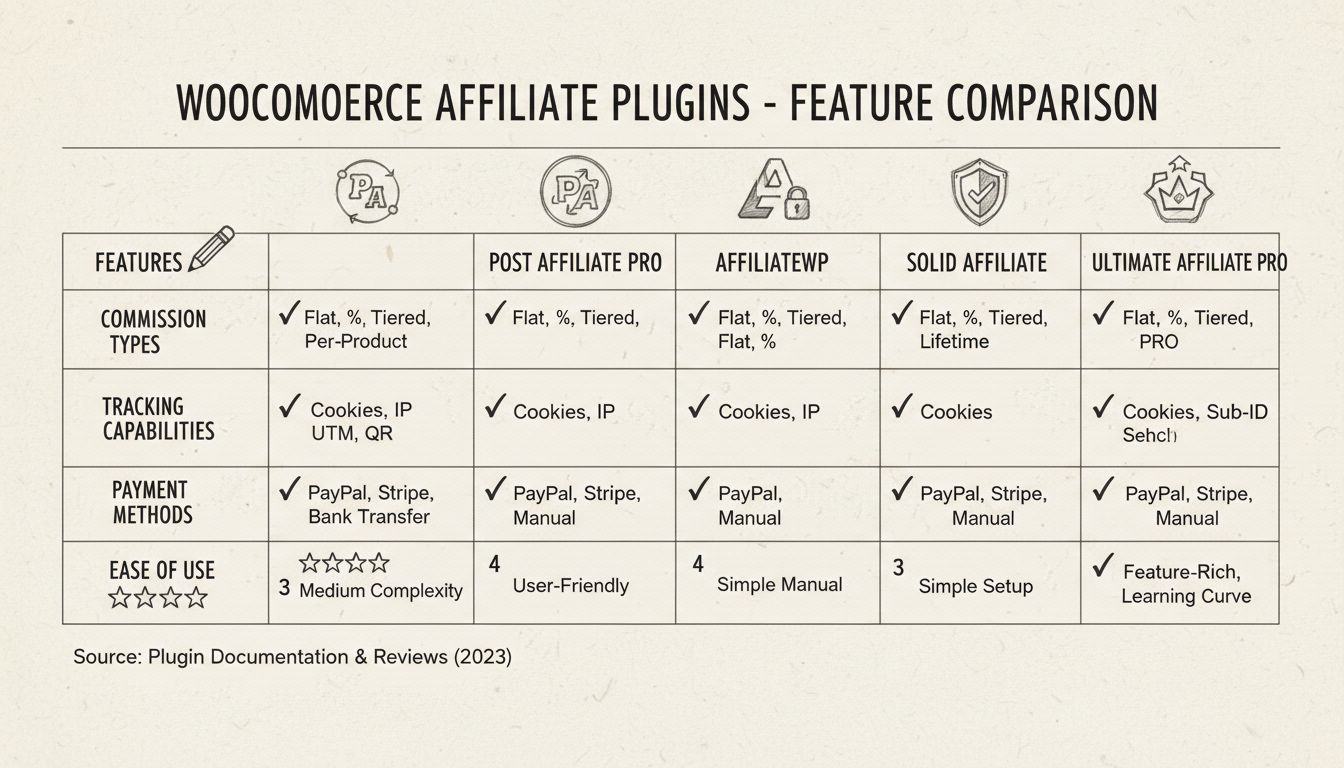
Best Affiliate WordPress Plugin for WooCommerce 2026
Discover the best affiliate WordPress plugin for WooCommerce. Compare Post Affiliate Pro, AffiliateWP, and other top solutions with advanced tracking, flexible ...
11 min read

An honest look at whether WooCommerce is actually a good fit for running an affiliate program, covering what makes its tracking more accurate and what it asks of you in return.
WooCommerce powers more than 32% of online stores by store count, more than any other e-commerce platform (source ). That popularity alone doesn’t answer whether it’s actually good for affiliate marketing specifically, so here’s the honest version.
The short answer is structural, not just about market share. WooCommerce runs as a plugin inside WordPress, using WordPress’s own database to store every order, product, and customer record. That means an affiliate tracking plugin doesn’t have to guess what happened at checkout from a script on a confirmation page. It can read the actual order object directly: order total, individual product IDs, discounts applied, and customer data, all from the source.
That matters more than it sounds like. On platforms where tracking works by injecting code into an order confirmation page, you’re often limited to order-level data (that a sale happened, and for how much) without visibility into which specific products were bought. WooCommerce doesn’t have that ceiling. A plugin can attribute commission per product, which is the difference between a flat-rate affiliate program and one where you can actually pay different rates for different products based on their real margins.
The same reasoning applies compared to Shopify. Shopify apps read order data through its API and webhooks, and any app that needs access to a merchant’s full order history has to go through Shopify’s own app approval process first. WooCommerce plugins skip that gatekeeper entirely, since they run inside your own WordPress install with direct access to the order data your store already generates (source ). That’s less relevant to you as a merchant choosing between platforms for other reasons, but it’s a real part of why WooCommerce affiliate plugins tend to be quicker to set up and iterate on than their Shopify equivalents.
WooCommerce sells physical products, digital downloads, and subscriptions from the same store, and that mix changes what a sensible affiliate commission actually looks like. A digital product with no shipping or inventory cost can support a much higher commission percentage than a physical product with tight margins, and a subscription sold through the WooCommerce Subscriptions extension opens up recurring commissions, where an affiliate keeps earning on every renewal instead of just the first sale.
This is worth deciding deliberately rather than defaulting to one flat rate across your whole catalog. A store selling a mix of low-margin physical goods and a high-margin digital add-on has a real incentive to weight commissions toward whichever product actually rewards the affiliate for promoting it, and WooCommerce’s product-level tracking is what makes paying that way possible in the first place.

Set up advanced tracking in minutes. No credit card required.
WooCommerce being free and open source cuts both ways. There’s no monthly platform fee eating into your margins the way some hosted affiliate marketplaces charge, but you’re also responsible for hosting, updates, and choosing a plugin yourself rather than flipping a switch in a built-in dashboard. If you want affiliate tracking working well, budget time for picking the right plugin and testing it properly, not just installing the first one you find.
The other real tradeoff is that you’re building your own affiliate program from scratch rather than tapping into an existing network of affiliates the way joining Amazon Associates or a similar marketplace would give you. You keep all the commission margin and the direct relationship with your affiliates, but you also have to recruit them yourself.
Affiliate marketing on WooCommerce tends to work especially well for content-driven niche stores, subscription boxes, and stores with a handful of digital add-ons where per-product commissions actually change the math. Affiliates promoting a specific product line can point to a real, trackable commission tied to that exact product, not a vague cut of a huge catalog.
It’s a weaker fit if you’re running an enormous multi-vendor marketplace with thousands of SKUs from different suppliers, since per-product commission logic gets complicated fast at that scale, and you may be better served by a marketplace-specific affiliate solution built for that structure. For the large majority of single-brand WooCommerce stores in between those two extremes, the product-level tracking advantage applies cleanly.
Be the first to know about new features and product updates.
The same flexibility that makes WooCommerce good for affiliate tracking also opens up a couple of fraud patterns worth planning for before you launch, not after you spot them.
Coupon-based attribution is the most common one. Many WooCommerce affiliate plugins let affiliates promote a unique coupon code instead of just a link, which is genuinely useful for affiliates whose audience prefers a discount code over clicking through. It also means a coupon code can leak far beyond the affiliate who created it: posted on a public deals site, shared in a group chat, or picked up by a coupon aggregator, and suddenly you’re crediting commission on sales that had nothing to do with that affiliate’s actual promotion. Setting per-affiliate usage limits or expiration dates on coupon codes closes most of this gap.
Self-referral is the other one to watch. Because WooCommerce runs on your own site, an affiliate can just as easily buy through their own link as anyone else can, and unless your plugin’s fraud detection flags a purchase from the same device, browser, or IP address that registered the affiliate account, that commission pays out like any other sale. This isn’t unique to WooCommerce, but it’s worth confirming your specific plugin actually checks for it rather than assuming it does, since not every WooCommerce affiliate plugin ships with that check turned on by default.
Neither of these is a reason to avoid running a program. They’re both solvable with settings you configure once, but only if you know to look for them before your first payout run rather than after a suspicious pattern shows up in your reports.
A WooCommerce affiliate program needs three things beyond the store itself: a tracking plugin that hooks into WooCommerce’s order data (not just a generic link shortener), a commission structure you’ve thought through in advance, and a small first group of affiliates to test with before opening things up publicly. Our WooCommerce affiliate program launch checklist walks through this in more detail if you’re ready to actually set one up, and our comparison of the best WordPress affiliate plugins covers which specific tools handle WooCommerce well.
WooCommerce is a genuinely strong choice for affiliate marketing, not because it’s the biggest platform, but because its open architecture gives tracking software more accurate data to work with than most alternatives. The tradeoff is that you’re setting up and maintaining more of it yourself. For a store owner willing to spend a few hours on setup, that tradeoff is usually worth it for the accuracy and cost savings it buys you.
Post Affiliate Pro hooks directly into WooCommerce's own order data, so commissions get calculated on what actually sold, not an estimate.
Discover the best affiliate WordPress plugin for WooCommerce. Compare Post Affiliate Pro, AffiliateWP, and other top solutions with advanced tracking, flexible ...

Compare the 10 best WordPress affiliate plugins for 2026, including pricing, WooCommerce compatibility, and tracking features, so you can pick the right affilia...
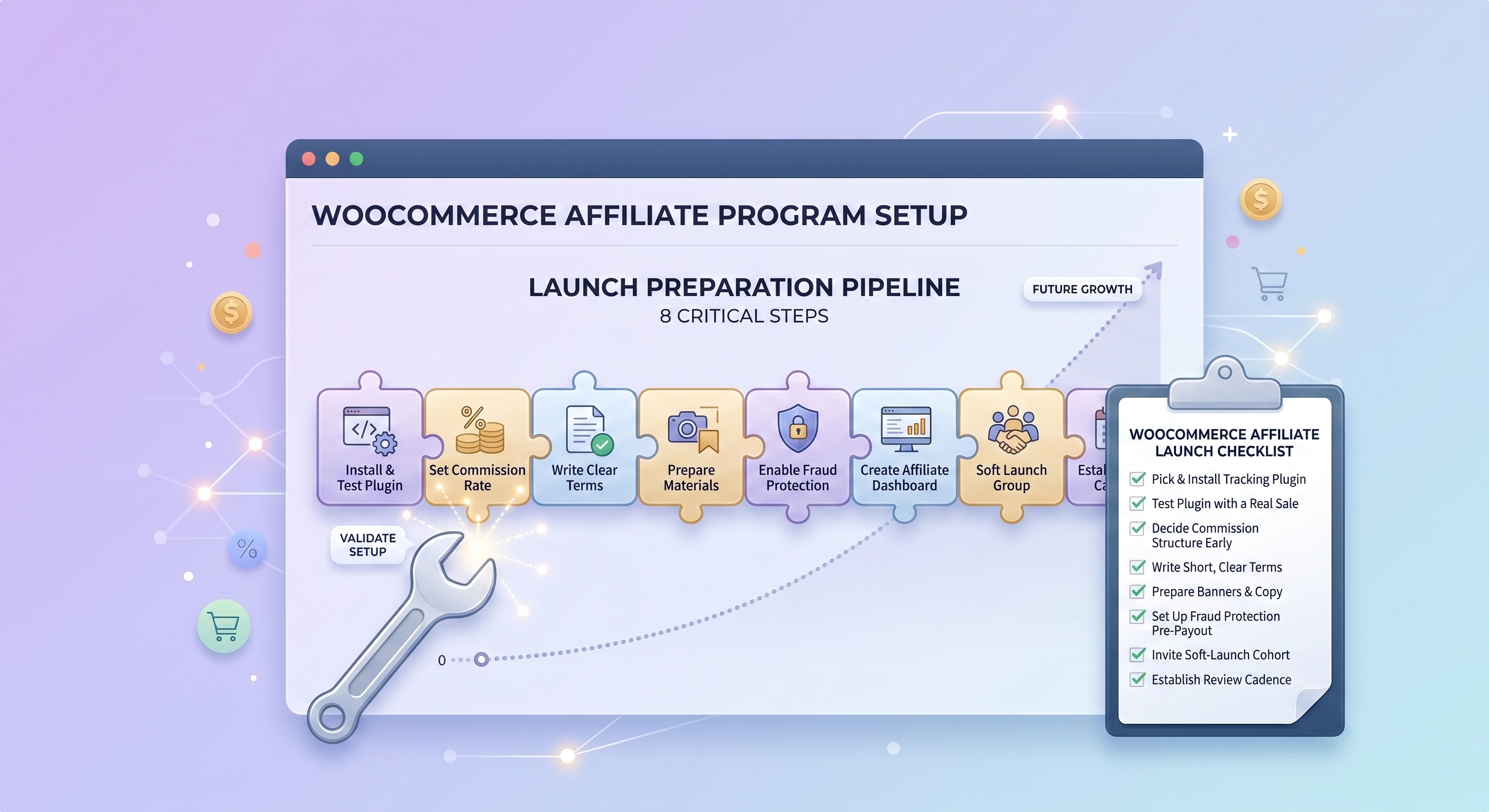
Everything to set up before you launch a WooCommerce affiliate program, from picking a plugin to writing terms affiliates will actually read, in one practical c...
Join our community of happy clients and provide excellent customer support with Post Affiliate Pro.




Cookie Consent
We use cookies to enhance your browsing experience and analyze our traffic. See our privacy policy.