What is silo content?
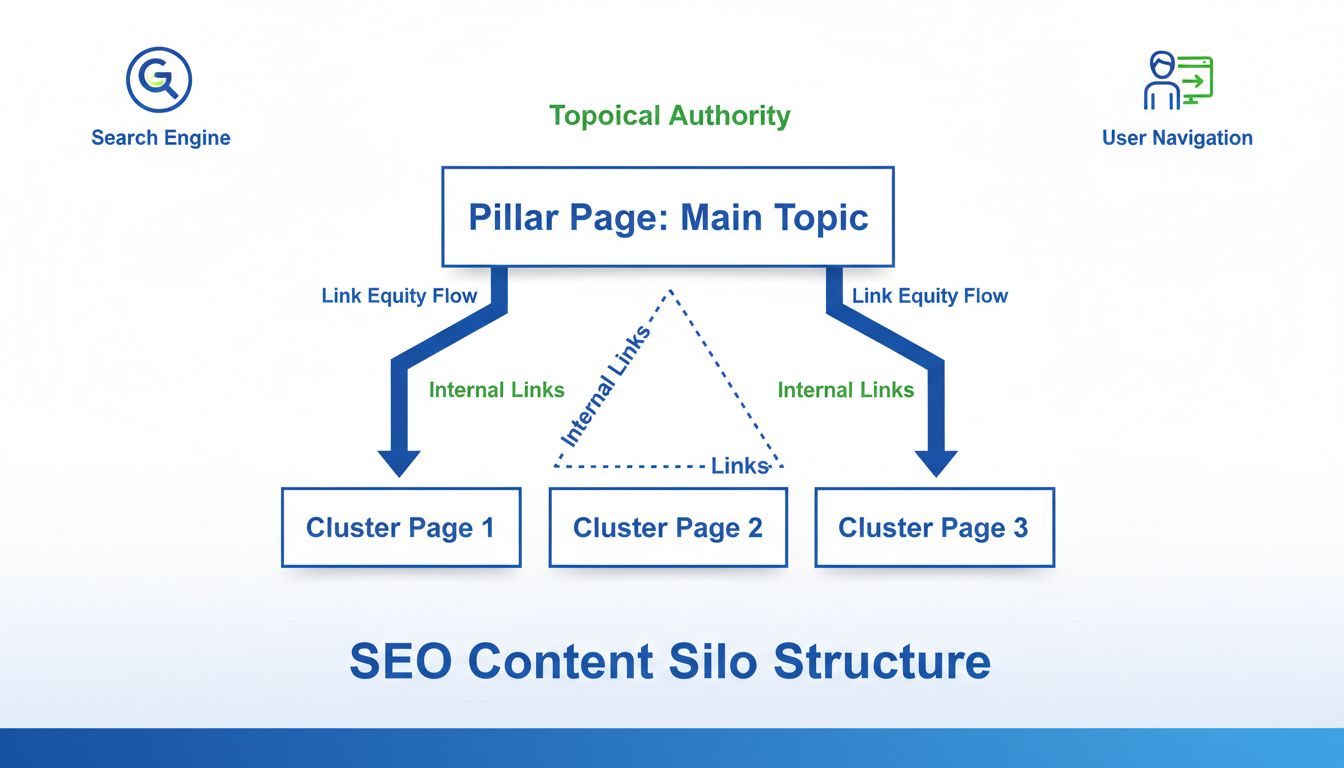
Silo content is a strategic approach in website architecture aimed at optimizing search engine performance and enhancing user experience
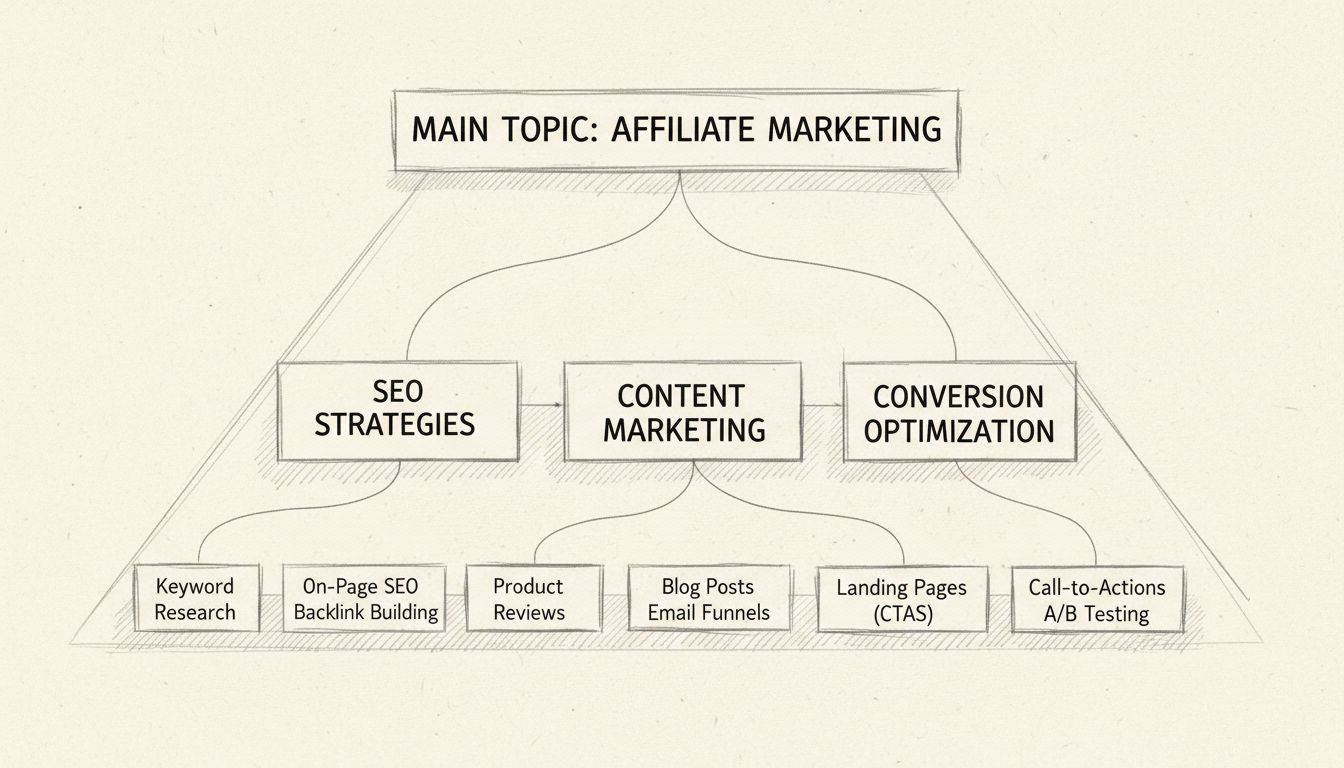
. At its core, siloing involves organizing content into distinct groups or “silos” based on thematic relevance.
Each silo represents a specific topic or category, containing interlinked pages that are related to that theme. This method helps search engines understand the context and relevance of the content, potentially improving search rankings and user navigation.
Key Characteristics of Silo Content
- Hierarchical Structure : Silo content is organized hierarchically, with broad topics at the top and more specific subtopics beneath them. This structure provides a logical and organized framework for the website. According to Slickplan, this hierarchical setup is akin to organizing a mall where each floor or section represents a different department, making navigation intuitive for users and search engines alike.
- Themed Grouping : Within each silo, content is thematically related. Pages or articles within a silo focus on specific aspects of a broader topic, offering comprehensive coverage. This approach is like building a dedicated library section for each subject, ensuring all related materials are easily accessible and interlinked, as noted by Ahrefs.
- Website Optimization : Silos optimize a website for search engines by clearly defining content themes and providing structured internal linking, aiding in better relevance and context understanding. Semrush emphasizes that a well-structured silo can enhance a website’s crawlability and indexing efficiency.
- User Experience : Beyond SEO, silos also aim to enhance user experience, allowing visitors to easily navigate and find information on specific topics. A site structured in silos can significantly reduce navigation confusion, as users can follow a logical path through related content, much like following a well-marked trail in a park.
- Keyword Targeting : Silos often target specific keywords or search phrases within each themed category, improving the site’s visibility for relevant search queries. By focusing on keyword relevance within each silo, websites can improve their search performance and authority in specific areas.
Launch your affiliate program today
Set up advanced tracking in minutes. No credit card required.
Importance in Affiliate Marketing
In the context of affiliate marketing
and affiliate software, implementing silo content can be particularly beneficial. Affiliate marketers
can use silos to organize content around different product categories or marketing strategies, making it easier for potential customers to find relevant information. This approach can lead to higher conversion rates as users are guided through a logical path of related content, eventually driving them to affiliate links
.
Benefits for Affiliate Marketing
- Enhanced User Navigation : By grouping content into silos, users can navigate through related topics seamlessly, increasing the chances of them engaging with affiliate
links. This logical progression mirrors a well-organized online store where related products are grouped together.
- Improved SEO : A well-structured silo architecture can help search engines better understand the relevance of your content, improving your site’s rankings and driving more organic traffic. As pointed out by Semrush, silos enhance the thematic coherence of a site, which is highly valued by search algorithms.
- Authority Building : By providing comprehensive content on specific topics, silos can help establish your site as an authority in the affiliate marketing niche, building trust with users and increasing conversion rates.
SEO and Silo Content
Silo content is closely linked to SEO strategies. It helps search engines like Google understand the focus of a website by organizing content into distinct thematic areas. This can result in better indexing and improved rankings for relevant search terms.
SEO Benefits of Silo Content
- Organized Site Structure : A clear and organized structure makes it easier for search engines to crawl and index your site, contributing to better SEO performance. According to Ahrefs, this structured approach ensures that all relevant content is easily discoverable and categorized.
- Keyword Relevance : Silos make it easier to target specific keywords, enhancing the thematic relevance of grouped pages and potentially improving rankings. This strategy allows for more focused keyword strategies within each silo, as discussed in the Slickplan guide.
- Topic Authority : By providing in-depth coverage of specific themes, silos can help establish a website as an authoritative source, which is increasingly valued by search engines.
Join our newsletter
Be the first to know about new features and product updates.
Common Misconceptions and Challenges
While silo content offers numerous benefits, there are common misconceptions and challenges that can arise:
Misconceptions
- Rigid Structure : Some believe that silos require a rigid structure that limits internal linking, but modern SEO practices suggest a more flexible approach that allows for cross-silo linking when contextually relevant. Ahrefs critiques the overly rigid application of silos, advocating for a more balanced approach.
- Keyword-Centric Focus : Overemphasis on keywords can lead to content that feels forced or lacks depth. Instead, focus on creating valuable, contextually rich content.
Challenges
- Fragmentation : Silos can lead to fragmentation if related content is too rigidly separated, potentially diluting the overall authority and relevance of the content. This challenge is highlighted by Semrush, which advises on maintaining thematic coherence without isolating content unnecessarily.
- User Experience : Navigational challenges can arise if users find it difficult to move between silos, impacting the overall user experience.
Implementing Silo Content for Affiliate Marketing
For affiliate
marketers looking to implement silo content, here are key steps to consider:
Planning and Strategy
- Define Goals and Audience : Establish clear objectives and understand your target audience to guide your content strategy. It’s crucial to align your silos with both business goals and audience interests.
- Identify Key Topics : Choose broad thematic categories that align with your business goals and audience interests.
Keyword Research
- Identify Keywords : Perform keyword research to identify primary and secondary keywords related to your topics, focusing on user intent. This step is vital to ensure your silos are optimized for SEO from the outset.
Content Creation
- Develop Pillar Content : Create comprehensive pillar content for each silo that serves as the foundation for the topic. These cornerstone pieces should cover the topic in depth, providing a solid base for further, more detailed content pieces.
- Optimize Content : Implement on-page SEO strategies and ensure content is high-quality and engaging.
Internal Linking
Strategic Linking : Use internal links to connect related pages within and across silos, enhancing the user experience and SEO potential. This strategic linking ensures that users can easily find additional relevant content, much like a well-designed museum exhibit.