


How the AIDA Funnel Drives Affiliate Sales: A Complete Guide
Learn how the AIDA funnel (Awareness, Interest, Desire, Action) drives affiliate sales. Discover proven tactics for each stage to maximize revenue.
8 min read

Learn how to apply the AIDA formula in affiliate marketing, identify the right performance metrics at each stage, and optimize your campaigns for better conversions and ROI.
The AIDA (Attention, Interest, Desire, Action) formula is a strategic powerhouse in the marketing world, offering a structured approach to guiding potential customers through the buying journey. This model helps affiliate marketers understand how to effectively engage and convert visitors into paying customers. By focusing on each stage of the AIDA funnel, affiliate professionals can optimize their campaigns and drive performance metrics to new heights.
The AIDA framework begins with capturing Attention. This is crucial in affiliate marketing , where the competition for consumer focus is intense. To achieve this, marketers need to employ eye-catching creatives and compelling headlines that resonate with their target audience. The goal is to create an impression that makes a user pause and consider the message being conveyed.
Following attention is Interest, which is measured by how engaged the audience is with the content. In affiliate marketing , this could involve assessing metrics such as average watch time on video content or click-through rates on banners. These indicators show how well the content is resonating with viewers, maintaining their attention beyond the initial glance.
The next phase, Desire, involves nurturing a deeper connection with the audience. This can be achieved through personalized offers, testimonials, and showcasing the benefits of the product or service being promoted. The aim is to build an emotional connection that makes the consumer want to take the next step.
Finally, Action is about converting interest and desire into tangible results. This is where conversion rates, return on ad spend (ROAS), and other bottom-of-funnel metrics come into play. For affiliate marketers, this step is about optimizing the checkout process and ensuring that the path to purchase is as seamless as possible.
For affiliate marketers, applying the AIDA model means analyzing specific performance indicators at each stage of the funnel. Key metrics include:
Apply the AIDA formula to your campaigns and track the right performance indicators. Try Post Affiliate Pro for free and unlock your marketing potential.
Learn how the AIDA funnel (Awareness, Interest, Desire, Action) drives affiliate sales. Discover proven tactics for each stage to maximize revenue.
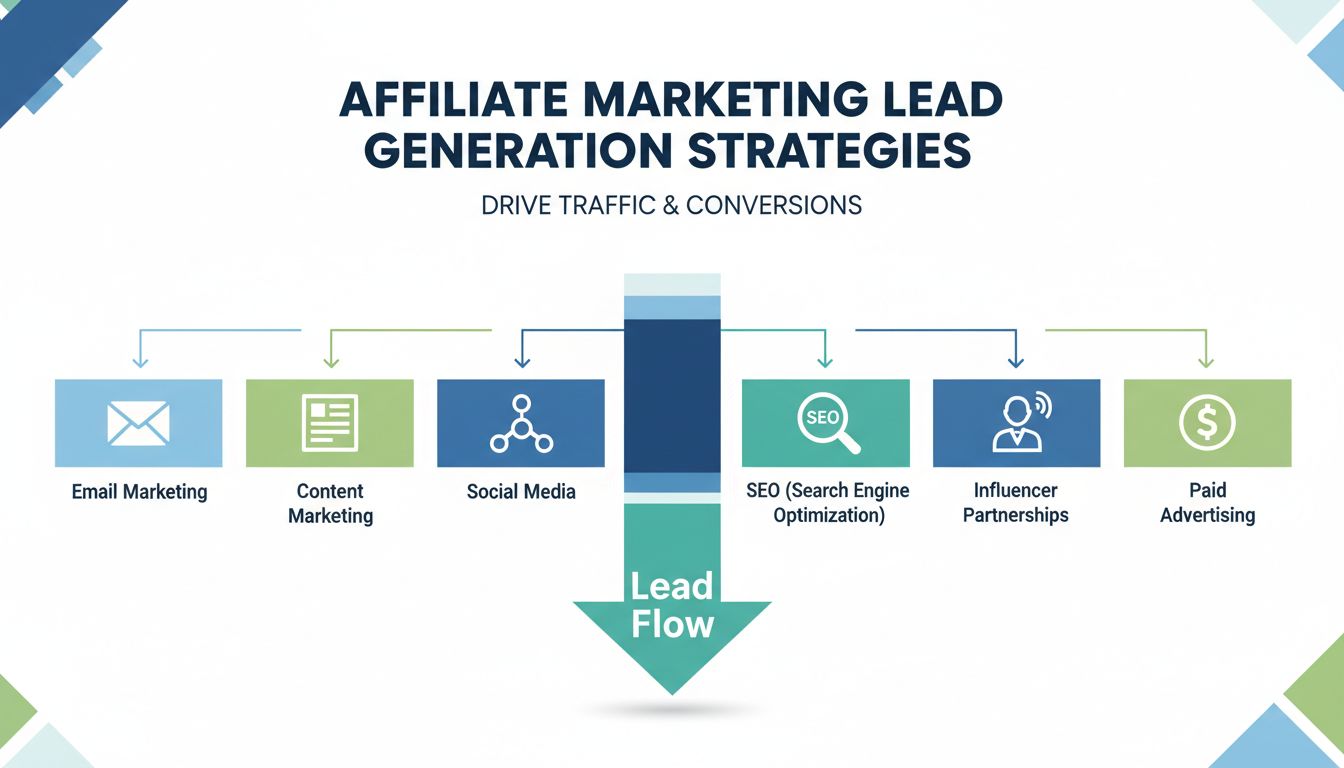
Learn proven lead generation strategies for affiliate marketing including content marketing, SEO, email campaigns, and social media tactics. Discover how to bui...

how strategic calls to action drive conversions and engagement in affiliate marketing. best practices, psychology
Join our community of happy clients and provide excellent customer support with Post Affiliate Pro.




Cookie Consent
We use cookies to enhance your browsing experience and analyze our traffic. See our privacy policy.