The digital landscape has undergone a seismic shift, with over 5 billion social media users worldwide actively engaging across an average of 6.7 different platforms daily. This unprecedented concentration of potential customers represents a fundamental departure from traditional marketing channels, where reaching such vast audiences would require substantial budgets and extended timelines. For affiliate marketers, social media presents an unparalleled opportunity to position themselves as trusted advisors rather than pushy salespeople, leveraging the informal, conversational nature of these platforms to build genuine connections with their audience. Unlike traditional advertising, which relies on interruption and broad messaging, social media affiliate marketing thrives on authentic interactions where entrepreneurs can share personal experiences, demonstrate real product value, and cultivate trust through transparent recommendations—transforming casual followers into loyal customers who actively seek out their recommendations.
Expanding Your Reach and Visibility
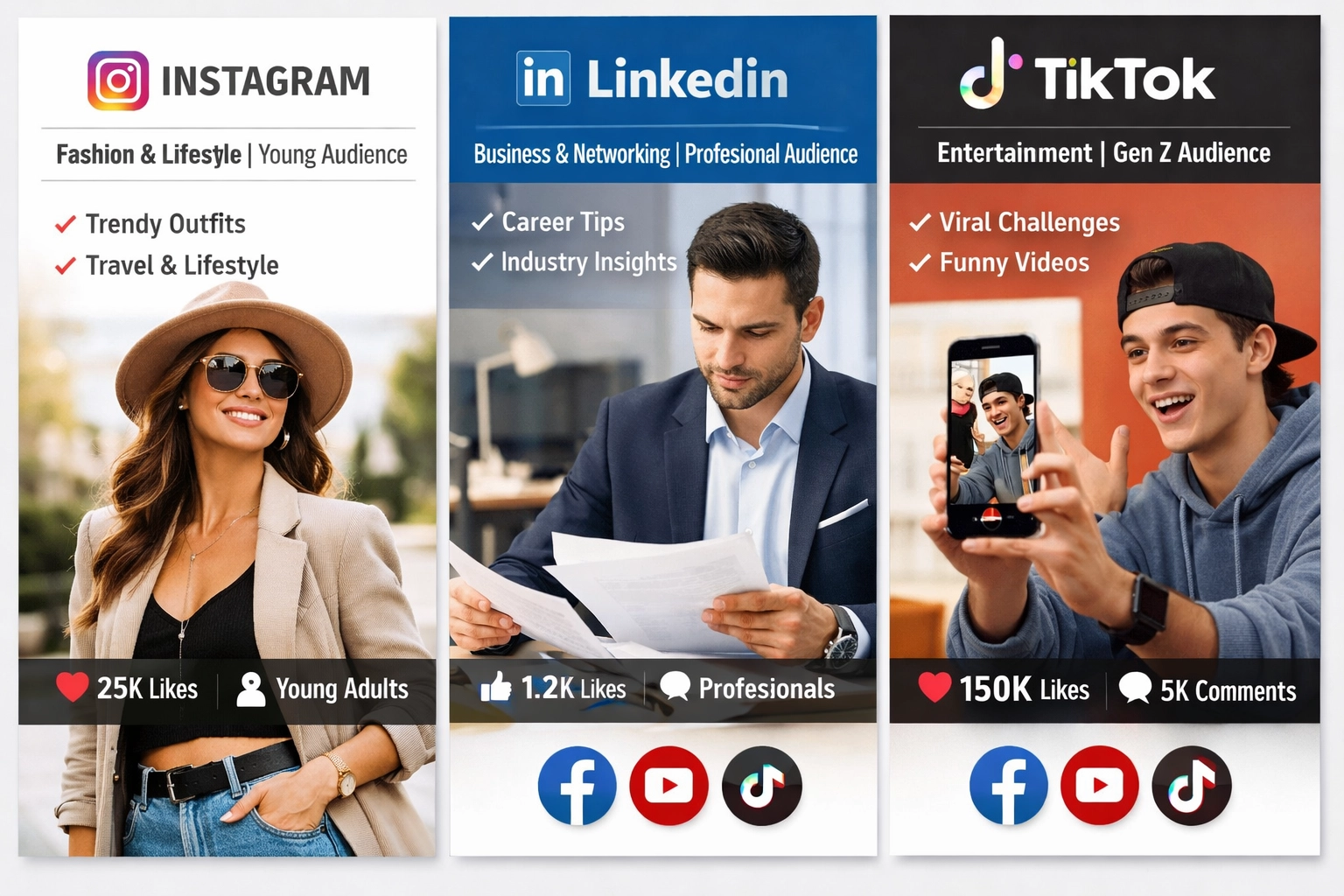
The sheer scale of social media audiences dwarfs traditional marketing channels, with individual platforms commanding user bases that rival entire nations. Each platform serves distinct demographic segments with laser-focused precision: Facebook’s 3 billion monthly active users span the broadest age range, Instagram’s 2 billion users concentrate on visually-driven, lifestyle-conscious audiences aged 18-45, TikTok’s explosive 1.5 billion user base dominates the Gen Z and younger millennial segments, LinkedIn’s 900 million professionals create a B2B powerhouse, and YouTube’s 2.5 billion users consume video content across all age groups. This platform diversity enables affiliate marketers to implement sophisticated geographic and demographic targeting that would be impossible through traditional channels, reaching precisely the right person at the right time with the right message—all at a fraction of the cost of conventional advertising.
Building Trust and Credibility Through Authentic Engagement
Social media’s informal communication style creates a psychological advantage that formal advertising simply cannot replicate—when entrepreneurs share genuine product experiences and honest recommendations within their communities, they tap into the fundamental human tendency to trust peer recommendations over corporate messaging. Research demonstrates that 54% of consumers actively research products on social media before making purchase decisions, and crucially, they’re far more likely to trust recommendations from relatable individuals than from traditional advertisements or celebrity endorsements. This trust-building mechanism operates through consistent, authentic engagement where entrepreneurs demonstrate their expertise, answer questions transparently, and acknowledge both strengths and limitations of products they promote, creating a reputation for integrity that becomes their most valuable marketing asset. By maintaining regular, meaningful interactions with their audience—responding to comments, sharing behind-the-scenes insights, and building a community around shared values—affiliate marketers cultivate loyalty that transcends transactional relationships, transforming followers into brand advocates who willingly amplify their recommendations to their own networks. This compounding effect of trust and credibility creates a sustainable competitive advantage that grows stronger over time, as each authentic interaction reinforces the entrepreneur’s position as a reliable source of information in their niche.
Driving Traffic and Conversions with Strategic Content
Social media platforms offer unprecedented opportunities to drive traffic and conversions through strategically placed affiliate links and integrated shopping features. Clickable links in Instagram Stories, swipe-up functionality, and shoppable posts create seamless pathways from discovery to purchase, while TikTok’s integrated shopping and Facebook’s product tags eliminate friction in the customer journey. The most effective affiliate marketers leverage diverse content formats that resonate with their audiences and naturally incorporate product recommendations:
User-generated content and testimonials build authentic trust
Educational and how-to content positions you as an authority while subtly showcasing solutions
Interactive content (polls, Q&As, live streams) foster community engagement and product interest
Behind-the-scenes content humanizes your brand and creates emotional connections
Research demonstrates the power of social influence on purchasing decisions, with 25% of Gen Z explicitly stating that influencers influence their buying choices, making influencer partnerships and collaborations invaluable for expanding reach and credibility. Strategic affiliate link placement—whether embedded in captions, pinned comments, or dedicated link-in-bio tools—ensures your recommendations are visible without appearing overly promotional, maintaining the authentic voice that makes social media marketing so effective.
Join our newsletter
Be the first to know about new features and product updates.
Cost-Effective Marketing Without Breaking the Bank
One of the most compelling advantages of social media affiliate marketing is its accessibility and cost-effectiveness compared to traditional advertising channels like television, radio, or print media. Organic reach through consistent, quality content creation requires minimal financial investment while potentially reaching thousands or millions of users, making it ideal for bootstrapped startups and small businesses operating on limited budgets. When entrepreneurs do choose to invest in paid social advertising, platforms like Facebook, Instagram, TikTok, and Pinterest offer flexible budgeting options—you can start with as little as $5 per day and scale based on performance—along with sophisticated targeting capabilities that ensure your affiliate promotions reach the most relevant audiences. Additionally, numerous free and affordable tools such as Canva for design, Later or Buffer for scheduling, and native platform analytics dashboards empower entrepreneurs to manage professional-grade campaigns without expensive agency fees or enterprise software subscriptions. This democratization of marketing means that ambitious entrepreneurs with limited capital can compete effectively with established brands by leveraging creativity, authenticity, and strategic thinking rather than massive advertising budgets.
Leveraging Data and Analytics for Optimization
Data-driven decision-making separates successful affiliate marketers from those who rely on guesswork, and social media platforms provide robust analytics tools that reveal exactly how your content and affiliate promotions are performing. Facebook Insights, Instagram Analytics, TikTok Analytics, and Google Analytics integration offer comprehensive metrics including engagement rates, reach, impressions, click-through rates (CTR), conversion tracking, and audience demographics—data that illuminates which content types, posting times, and affiliate products resonate most strongly with your specific audience. A/B testing capabilities built into most social platforms allow entrepreneurs to systematically test different headlines, images, calls-to-action, and link placements, enabling continuous optimization based on real performance data rather than assumptions. Real-time monitoring of these metrics enables agile strategy refinement; if a particular product recommendation generates exceptional CTR or conversion rates, you can immediately double down on similar content, while underperforming promotions can be quickly adjusted or replaced. By treating affiliate marketing as an ongoing optimization process informed by concrete data, entrepreneurs transform social media from a guessing game into a precision instrument for generating consistent, measurable revenue growth.
Choosing the Right Platforms for Your Niche
Selecting the appropriate social media platforms is fundamental to affiliate marketing success, as not all platforms serve the same audience or content types equally. Platform-audience alignment is critical—fashion and lifestyle brands thrive on Instagram and TikTok where visual storytelling dominates, while B2B entrepreneurs and professional service providers find greater success on LinkedIn where decision-makers actively seek industry insights and solutions. Each platform possesses distinct strengths and weaknesses: Instagram excels at visual engagement and influencer partnerships, YouTube provides long-form content opportunities with superior monetization potential, Twitter facilitates real-time conversations and thought leadership, and Pinterest drives consistent traffic to product pages through evergreen pins. Rather than spreading your efforts thin across every available platform, successful entrepreneurs focus their resources on two to three channels where their target audience is most active and engaged, allowing for deeper content quality and more meaningful community interaction. Testing and optimization should be ongoing processes—analyze which platforms generate the highest conversion rates for your affiliate products, track engagement metrics specific to each channel, and adjust your strategy based on performance data rather than assumptions. This focused approach not only maximizes your return on investment but also enables you to develop platform-specific expertise and build authentic relationships with your audience.
Building Community and Long-Term Relationships
The most successful affiliate marketers recognize that social media is fundamentally about building genuine communities rather than simply broadcasting promotional messages to passive audiences. Implementing community-building strategies such as responding to comments, asking questions, hosting live sessions, and creating exclusive content for followers transforms your social channels into spaces where meaningful two-way communication flourishes. This interactive approach builds customer loyalty that extends far beyond individual transactions—followers who feel heard and valued are significantly more likely to make repeat purchases and become advocates for the products you recommend. Word-of-mouth marketing amplification occurs naturally when community members trust your recommendations enough to share them with their own networks, exponentially expanding your reach without additional advertising costs. The relationships you cultivate through consistent, authentic engagement directly correlate with higher customer lifetime value, as loyal community members tend to purchase multiple products over time and generate referrals that bring new customers into your ecosystem. By prioritizing relationship-building over quick sales, entrepreneurs create sustainable affiliate marketing channels that compound in value as their communities grow and deepen.
Overcoming Common Challenges and Staying Ahead
Social media entrepreneurs must navigate an increasingly complex landscape marked by frequent algorithm changes, platform updates, and shifting user behaviors that can dramatically impact content visibility and affiliate revenue overnight. Content saturation and intensifying competition mean that simply posting affiliate links is no longer sufficient—you must develop distinctive value propositions and create content that stands out in crowded feeds while genuinely serving your audience’s needs. Successful entrepreneurs employ adaptation strategies such as diversifying content formats, experimenting with emerging features before they become saturated, and maintaining flexibility in their content calendars to capitalize on trending topics relevant to their niche. Staying current with platform trends, algorithm updates, and audience preference shifts requires dedicated effort—following official platform blogs, joining entrepreneur communities, and analyzing competitor strategies helps you anticipate changes rather than react to them after losing visibility. Leveraging tools and resources such as social media management platforms, analytics dashboards, industry newsletters, and professional networks enables you to stay informed efficiently while maintaining focus on content creation and community engagement. This proactive approach to challenges transforms potential obstacles into competitive advantages, positioning your affiliate business to thrive even as the social media landscape continues to evolve.
Integrating Social Media with Affiliate Programs
Effectively promoting affiliate products on social media requires a strategic approach that balances promotional content with genuine value delivery, ensuring your audience perceives recommendations as authentic rather than purely commercial. Disclosure and compliance requirements are non-negotiable—clearly identifying affiliate relationships through hashtags like #ad or #affiliate, including proper disclaimers, and adhering to platform-specific guidelines protects both your reputation and your audience’s trust while ensuring legal compliance across jurisdictions. Tracking and attribution become significantly more sophisticated when managing multiple social media channels, making it essential to use unique tracking links, discount codes, or custom landing pages for each platform so you can accurately measure which channels drive the highest-quality conversions. Understanding commission structures and payment terms with your affiliate partners allows you to optimize your promotional efforts toward products offering the best combination of conversion rates and earnings potential. PostAffiliatePro emerges as an invaluable solution for entrepreneurs managing complex affiliate programs across multiple social media channels, providing centralized tracking, automated commission calculations, real-time performance analytics, and seamless integration with your social media campaigns. This platform enables you to monitor which social channels, content types, and affiliate partners generate the strongest returns, while automating administrative tasks that would otherwise consume significant time and resources. By integrating a robust affiliate management system with your social media strategy, you create a scalable infrastructure that grows with your business while maintaining transparency and accuracy across all affiliate relationships.
Frequently asked questions
How do I choose the right social media platform for my affiliate marketing?
Start by identifying where your target audience spends the most time. Fashion and lifestyle brands thrive on Instagram and TikTok, while B2B entrepreneurs find greater success on LinkedIn. Rather than spreading yourself thin across every platform, focus on two to three channels where your audience is most active and engaged, allowing for deeper content quality and more meaningful community interaction.
What type of content performs best for affiliate marketing on social media?
Short-form videos (Reels, TikTok, Shorts), user-generated content and testimonials, educational how-to content, interactive content (polls, Q&As, live streams), and behind-the-scenes content all drive strong engagement. The key is mixing content formats that provide genuine value to your audience while naturally incorporating product recommendations that feel authentic rather than purely promotional.
How often should I post on social media for affiliate marketing?
Consistency matters more than frequency. Aim for 3-5 posts per week on Instagram and Facebook, 1-4 posts daily on TikTok, and 2-4 posts per week on LinkedIn. Quality content posted consistently will outperform frequent low-value posts. Start with what you can maintain long-term and increase frequency as you build capacity.
How do I track affiliate sales from social media?
Use unique tracking links, discount codes, or custom landing pages for each platform so you can accurately measure which channels drive the highest-quality conversions. Most affiliate programs provide tracking tools, and platforms like Facebook Insights and Google Analytics integration offer comprehensive metrics including click-through rates and conversion tracking.
What are the best practices for disclosing affiliate links on social media?
Clearly identify affiliate relationships through hashtags like #ad or #affiliate, include proper disclaimers, and adhere to platform-specific guidelines. This protects both your reputation and your audience's trust while ensuring legal compliance across jurisdictions. Transparency builds credibility and is essential for long-term success.
How can I build trust with my audience while promoting affiliate products?
Share genuine product experiences and honest recommendations within your communities. Respond to comments transparently, acknowledge both strengths and limitations of products you promote, and maintain regular, meaningful interactions with your audience. This authentic engagement creates a reputation for integrity that becomes your most valuable marketing asset.
What tools do I need to manage social media affiliate marketing?
Essential tools include platform-native analytics (Facebook Insights, Instagram Analytics), scheduling tools (Later, Buffer), design tools (Canva), and affiliate management platforms like PostAffiliatePro for centralized tracking and commission calculations. Many of these tools offer free versions suitable for getting started.
How long does it take to see results from social media affiliate marketing?
Most entrepreneurs see initial engagement within 2-4 weeks of consistent posting, but meaningful affiliate sales typically take 2-3 months to develop as you build audience trust and refine your strategy. The timeline depends on your niche, content quality, audience size, and how effectively you optimize based on performance data.
Ready to Maximize Your Affiliate Marketing with PostAffiliatePro?
Manage your entire affiliate program with powerful tracking, commission management, and real-time analytics. Integrate seamlessly with your social media strategy to scale your business.
Make $500/Day with Affiliate Marketing with Twitter
Discover how to earn $500/day with affiliate marketing on Twitter with no ads or websites! Learn two proven methods: find eager buyers on Twitter or engage with...
Should You Invest in Mobile Affiliate Marketing? 2025 Guide
Discover why mobile affiliate marketing is one of the fastest-growing channels in 2025. Learn investment benefits, strategies, and ROI potential with PostAffili...