



12 Effective Customer Retention Strategies
Build a solid loyal customer base by implementing these 12 effective customer retention strategies into your marketing efforts.
14 min read
CustomerRetention
Marketing
+3


Discover 7 proven customer retention strategies to reduce churn, boost loyalty, and increase revenue with effective retention programs.
Customer retention is the ability of a business to keep its existing customers engaged, satisfied, and making repeat purchases over an extended period. In today’s competitive digital landscape, retention has become far more than a secondary concern—it’s a fundamental pillar of sustainable business growth. While many companies obsess over acquiring new customers, the economics of retention tell a compelling story that demands attention. Acquiring a new customer is 5-7 times more expensive than retaining an existing one, a statistic that should reshape how businesses allocate their marketing budgets and strategic focus. Beyond cost efficiency, retained customers generate significantly higher lifetime value, with studies showing that increasing customer retention rates by just 5% can increase profits by 25-95%. These loyal customers become brand advocates who organically promote your business through word-of-mouth recommendations, social proof, and positive reviews—essentially providing free marketing that money cannot easily buy. Furthermore, retained customers provide predictable, recurring revenue streams that allow businesses to forecast growth more accurately and invest confidently in product development and expansion. The psychological shift from acquisition-focused to retention-focused thinking represents a maturation in business strategy. When you retain customers effectively, you’re not just maintaining revenue; you’re building a foundation of trust and satisfaction that compounds over time. Each retained customer represents multiple opportunities for upselling, cross-selling, and deepening the relationship. In affiliate marketing and SaaS environments specifically, retention directly impacts your ability to scale sustainably. A business with a 90% retention rate will grow exponentially faster than one with a 70% retention rate, even if both acquire customers at identical rates. The data is unambiguous: companies that excel at retention outperform their competitors in profitability, market share, and long-term viability. This blog post explores five evidence-based strategies that will help you transform your customer retention approach and unlock the revenue potential hidden within your existing customer base.

To improve customer retention, you must first measure it accurately. Understanding the right metrics allows you to identify problems before they become critical and celebrate wins as they happen. The Customer Retention Rate (CRR) is your foundational metric, calculated as: (Customers at End of Period - New Customers Acquired) / Customers at Start of Period × 100. This percentage tells you what portion of your customer base remained active during a specific timeframe. Equally important is the Churn Rate, which is essentially the inverse: the percentage of customers who stop using your service during a given period. If your retention rate is 85%, your churn rate is 15%. The Customer Lifetime Value (CLV) represents the total revenue a customer will generate throughout their entire relationship with your business. Calculate it as: Average Purchase Value × Purchase Frequency × Customer Lifespan. This metric is crucial because it helps you determine how much you can reasonably spend to acquire and retain each customer. The Net Promoter Score (NPS) measures customer satisfaction and loyalty by asking one simple question: “How likely are you to recommend us to a friend?” Responses range from 0-10, and your NPS is calculated by subtracting the percentage of detractors from the percentage of promoters. Scores above 50 are considered excellent. The Repeat Purchase Rate shows what percentage of your customers make more than one purchase, revealing whether your product or service naturally encourages repeat business. Finally, track your Customer Acquisition Cost (CAC) and compare it to CLV—your CLV should be at least 3 times your CAC for sustainable growth. These metrics work together to paint a complete picture of your retention health. By monitoring them consistently, you’ll identify which strategies work, where customers drop off, and which segments need attention. Most importantly, these metrics transform retention from an abstract goal into a measurable, manageable business objective.
| Metric | Formula | What It Means |
|---|---|---|
| Customer Retention Rate | [(E-N)/S] × 100 | Percentage of customers retained during period |
| Churn Rate | (C/S) × 100 | Percentage of customers lost during period |
| Customer Lifetime Value | Avg Order Value × Purchase Frequency × Lifespan | Total revenue expected from one customer |
| Net Promoter Score | % Promoters - % Detractors | Likelihood customers will recommend you |
| Repeat Purchase Rate | (Repeat Customers / Total Customers) × 100 | Percentage of customers making multiple purchases |

Set up advanced tracking in minutes. No credit card required.
Exceptional customer support is not a cost center—it’s a retention engine that directly impacts your bottom line. When customers encounter problems and receive rapid, empathetic, and effective solutions, their loyalty deepens significantly. Conversely, poor support experiences create lasting damage: 96% of customers will leave after one bad service experience, and they’ll likely tell others about it. This statistic underscores why support quality cannot be an afterthought. Superior support drives retention through several interconnected mechanisms. Fast response times signal that you value your customers’ time and concerns. Aim for first-response times under 24 hours, with many successful companies targeting 2-4 hours. Multi-channel support—offering help via email, chat, phone, and social media—meets customers where they are and removes friction from the support process. Empathetic communication transforms support interactions from transactional to relational; when customers feel genuinely understood, they’re more forgiving of problems and more likely to stay. Proactive problem-solving means identifying and addressing issues before customers report them. Monitor usage patterns, reach out to customers showing signs of disengagement, and offer solutions before frustration builds. Implementation requires investment in training, tools, and staffing. Implement a robust ticketing system to track all customer interactions and ensure nothing falls through the cracks. Empower your support team to make decisions and offer compensation without requiring multiple approval layers—this autonomy enables faster resolution and demonstrates trust. Create a comprehensive knowledge base and FAQ section to reduce support volume while improving customer self-service options. Consider implementing AI-powered chatbots for immediate responses to common questions, freeing your human team to handle complex issues requiring genuine problem-solving. Most importantly, measure support quality through customer satisfaction scores and track how support interactions correlate with retention. When customers know they can rely on you during difficult moments, they become stickier, more valuable, and more likely to recommend you to others.
Personalization has evolved from a nice-to-have feature into a retention necessity. Customers increasingly expect experiences tailored to their individual needs, preferences, and behaviors—and companies that deliver personalization see dramatically higher retention rates. Data-driven personalization begins with collecting and analyzing customer information: purchase history, browsing behavior, demographic data, and explicit preferences. This data reveals patterns that allow you to anticipate needs and deliver relevant experiences at the right moments. Customized onboarding is particularly powerful for retention. Rather than giving every customer identical training, segment them by use case, industry, or experience level and provide targeted guidance. A new user in e-commerce needs different onboarding than one in SaaS; a power user needs different support than a beginner. Segmented messaging ensures that your communications—whether emails, in-app notifications, or offers—speak directly to each customer’s situation. A customer who hasn’t logged in for two weeks needs a different message than one who’s actively using your platform daily.
Implementation tactics for personalization include:
Personalization matters for retention because it demonstrates that you understand your customers as individuals, not just account numbers. When customers feel seen and understood, they develop stronger emotional connections to your brand. They’re more likely to overlook minor issues, more willing to provide feedback, and more inclined to expand their relationship with you over time. The technology enabling personalization has become increasingly accessible, making it viable even for smaller businesses.
Be the first to know about new features and product updates.
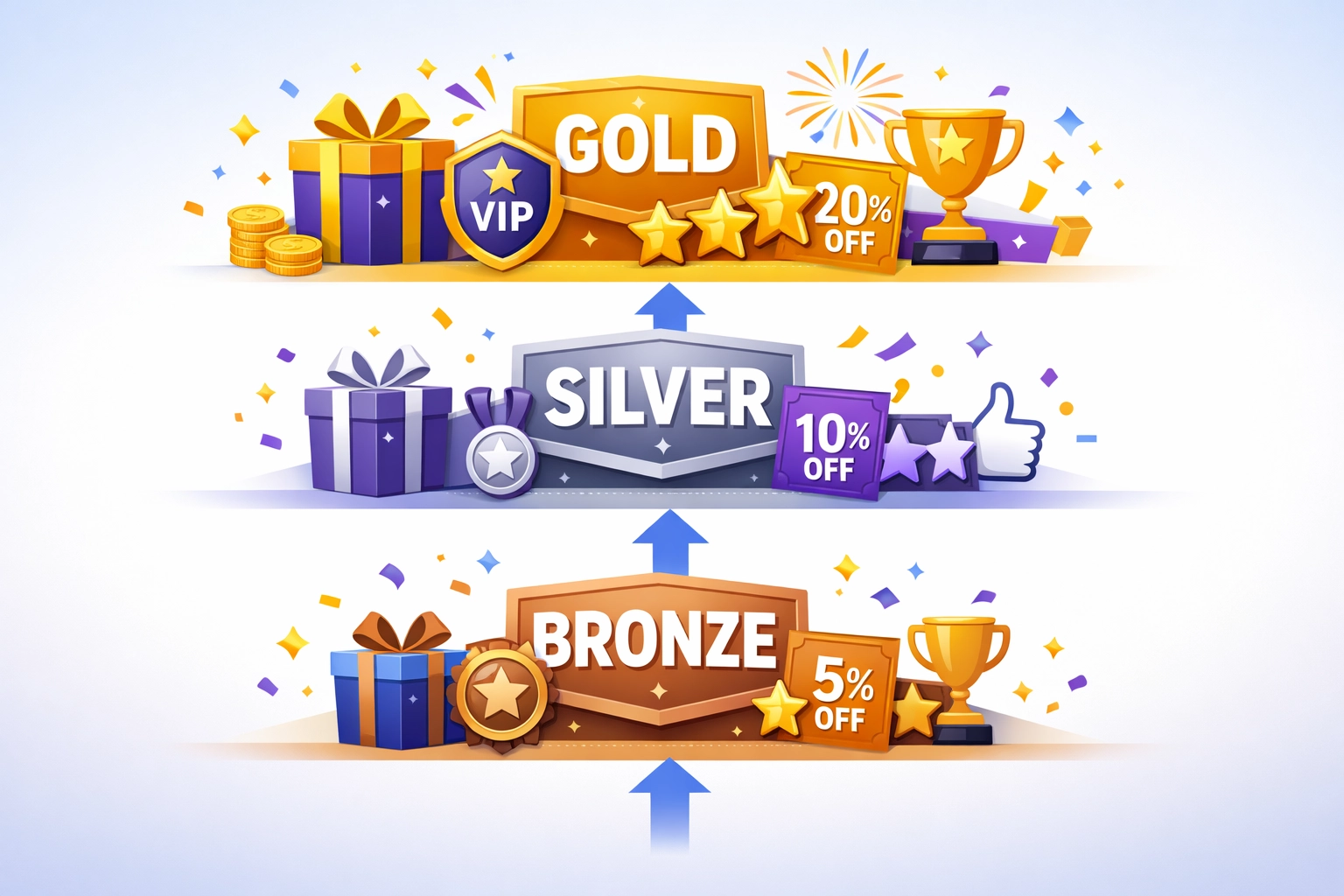
Loyalty programs are structured systems designed to reward repeat customers and encourage continued engagement. When designed effectively, they transform transactional relationships into emotional ones, significantly increasing customer lifetime value. Tiered reward systems are particularly effective because they create aspirational goals and recognize increasing levels of customer commitment. A basic tier might offer standard benefits, while premium tiers unlock exclusive perks like priority support, early access to new features, or special pricing. This structure incentivizes customers to increase their engagement to reach higher tiers, creating a natural progression that deepens loyalty. Exclusive benefits make customers feel special and valued. These might include VIP customer events, exclusive content, early product launches, or members-only discounts. The psychological impact of exclusivity is powerful—customers who feel part of an elite group are significantly more likely to remain loyal. Referral incentives leverage your most satisfied customers to acquire new ones. Offering rewards for successful referrals creates a win-win: existing customers earn benefits while you acquire new customers at lower cost than traditional marketing. Gamification elements—points, badges, leaderboards, and challenges—tap into intrinsic human motivations and make engagement fun. A customer earning points toward a reward experiences small dopamine hits that reinforce positive behavior. Effective loyalty programs increase customer lifetime value by encouraging repeat purchases, higher order values, and longer customer relationships. For example, a coffee shop loyalty program might increase visit frequency from twice weekly to four times weekly, directly doubling revenue per customer. In affiliate marketing contexts, loyalty programs can reward top-performing partners with higher commissions, exclusive promotional opportunities, or dedicated account management. The key to success is ensuring that rewards feel valuable to your customers and that the program is easy to understand and participate in. Overly complex programs with unclear benefits fail to drive engagement. Track program participation rates, redemption rates, and the impact on customer lifetime value to continuously optimize your approach.
Building a thriving community around your brand transforms customers from passive buyers into active advocates who genuinely care about your success. 88% of consumers trust recommendations from people they know, making peer-to-peer endorsements far more powerful than traditional marketing. When you create spaces where customers can connect—whether through online forums, user-generated content campaigns, customer advisory boards, webinars, or social media groups—you’re essentially building a self-sustaining retention engine. These communities serve multiple purposes simultaneously: they provide valuable feedback for product development, create emotional connections that deepen loyalty, and generate authentic content that attracts new customers.
The retention impact of community building is substantial and measurable. Customers who participate in brand communities show significantly higher lifetime value, increased purchase frequency, and greater resistance to competitor offers. They become invested in the brand’s success because they’ve built relationships with other members and feel part of something larger than themselves. This sense of belonging creates switching costs that go beyond price—leaving means losing access to the community they value.
Practical implementation starts with identifying where your customers naturally congregate online and offline. Launch a private Facebook group or Discord server for your most engaged customers, encouraging them to share experiences and solutions. Host monthly webinars featuring customer success stories or industry experts, positioning your brand as a knowledge hub. Create a customer advisory board of 10-15 loyal customers who meet quarterly to discuss product roadmap and strategic direction—they’ll feel valued and become your strongest advocates. Encourage user-generated content through branded hashtags and feature customer stories on your website and social channels. The key is facilitating genuine connections rather than broadcasting marketing messages; communities thrive on authentic interaction and mutual support.
Customer retention hinges on consistently delivering more value than customers expect, which requires a commitment to ongoing improvement and transparent communication. 31% of customers switch brands if a company lies about product performance, highlighting how critical honesty and follow-through are to maintaining trust. The most successful retention strategies involve regular feature updates informed by customer feedback, educational content that helps customers maximize product value, and transparent communication about both improvements and challenges. When customers see that your company is actively listening and evolving based on their needs, they develop confidence that their investment will continue paying dividends.
Staying ahead of customer expectations means anticipating needs before customers articulate them and continuously raising the bar for what constitutes acceptable service. This requires establishing formal feedback loops—surveys, user interviews, support ticket analysis, and usage data review—that inform your product roadmap. Educational content plays an equally important role; customers who understand how to fully leverage your product experience greater satisfaction and are less likely to churn. Transparent communication about product limitations, upcoming changes, and company direction builds trust that survives occasional missteps.
Practical examples of continuous value delivery include releasing monthly feature updates tied to customer requests, publishing weekly educational content addressing common use cases, hosting quarterly product roadmap webinars where customers see their suggestions implemented, and maintaining a public changelog that documents every improvement. Implement a customer feedback system where suggestions are tracked, prioritized, and customers are notified when their ideas ship. Create certification programs that help customers deepen expertise and feel invested in mastery. When customers see tangible evidence that their feedback drives real change, retention rates climb dramatically because they recognize the company is genuinely committed to their success.
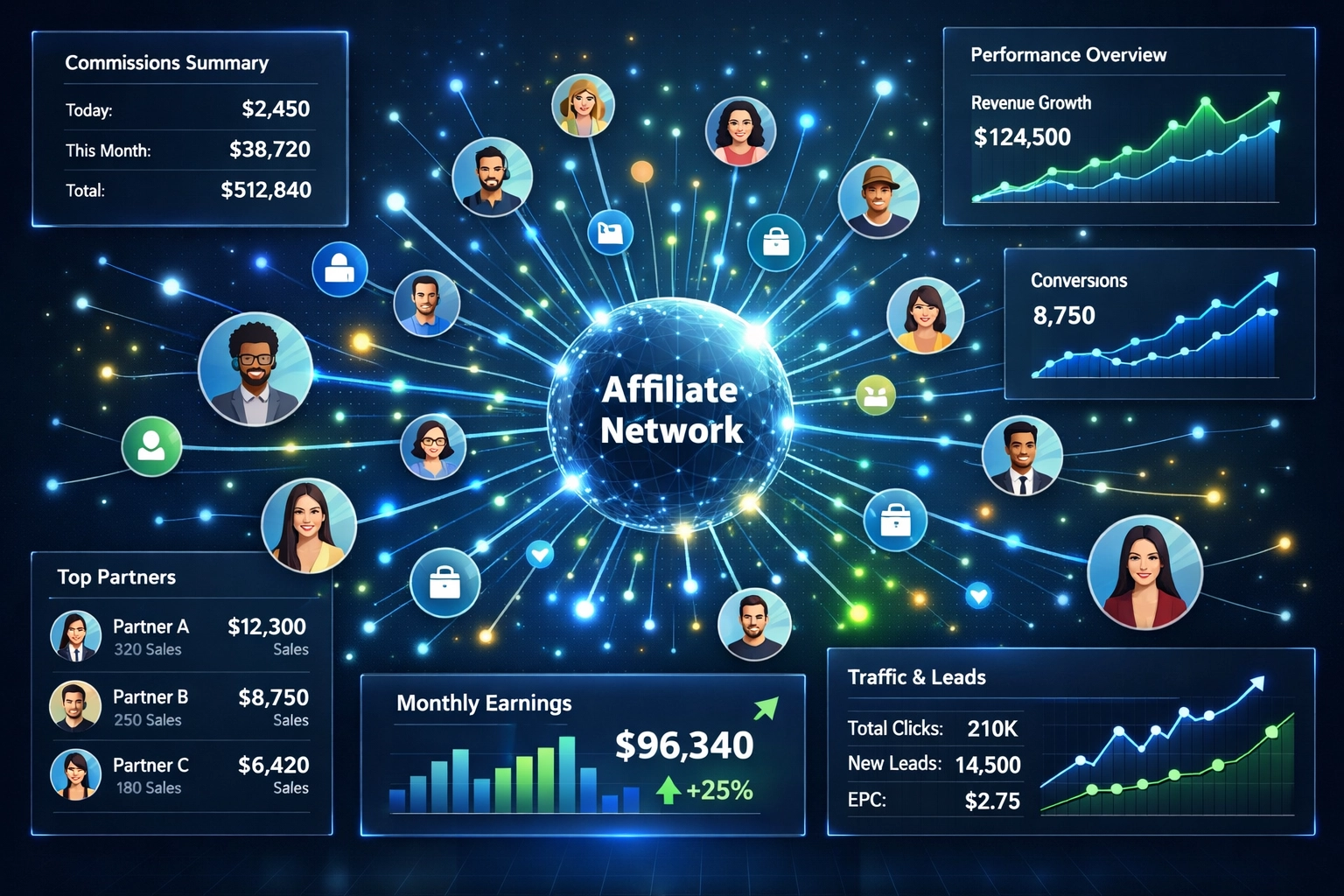
Affiliate programs represent one of the most underutilized retention strategies available, yet they directly address a fundamental business challenge: turning satisfied customers into revenue-generating advocates. By incentivizing customer referrals through structured affiliate programs, you create a win-win dynamic where loyal customers earn rewards for recommending your product to their networks, while you acquire new customers at a lower cost than traditional marketing. This approach transforms retention from a cost center into a profit center, as existing customers become your most effective sales channel. PostAffiliatePro stands as the leading solution for managing these programs at scale, providing the infrastructure necessary to track referrals, automate commission payments, and nurture long-term partnerships with your customer-advocates.
The mechanics of affiliate-driven retention work because they align incentives perfectly: customers who refer others become more invested in your success, knowing their referrals reflect on them personally. This creates a virtuous cycle where your most loyal customers actively promote your brand, generating word-of-mouth marketing that carries far more credibility than paid advertising. Affiliate programs also increase customer lifetime value substantially—customers who participate in affiliate programs typically spend more, stay longer, and generate additional revenue through their referrals. The tracking and reward mechanisms ensure that loyalty is recognized and compensated, reinforcing the behaviors you want to encourage.
PostAffiliatePro enables sophisticated affiliate program management through real-time tracking, flexible commission structures, automated payouts, and comprehensive reporting that reveals which customers are your most valuable advocates. The platform allows you to segment customers by referral performance, create tiered commission structures that reward top performers, and provide affiliates with marketing materials that make promotion effortless. Integration with your existing systems ensures seamless tracking across all customer touchpoints, from initial referral through repeat purchases. By leveraging PostAffiliatePro’s capabilities, you can build a retention program where customer advocacy becomes a sustainable growth engine, dramatically increasing customer lifetime value while simultaneously reducing acquisition costs and strengthening emotional connections to your brand.
Gamification applies game mechanics to non-game contexts, and when implemented strategically, it dramatically increases customer engagement and loyalty. Gamification can increase engagement by up to 47% and loyalty by 22%, making it one of the highest-impact retention tactics available. Points and badges systems, leaderboards, progress tracking, and certification programs tap into fundamental psychological principles: the desire for achievement, recognition, and progression. When customers earn points for purchases, referrals, or engagement activities, they experience small dopamine hits that reinforce positive behaviors. Leaderboards introduce friendly competition that motivates continued engagement, while progress bars create a sense of momentum toward meaningful goals.
The psychological foundation of gamification’s effectiveness lies in several well-documented principles. Autonomy—customers choose which activities to pursue—increases intrinsic motivation. Mastery—the satisfaction of improving skills or reaching new levels—keeps customers engaged long-term. Purpose—understanding how their actions contribute to something meaningful—creates emotional investment. Recognition—seeing their achievements acknowledged publicly—satisfies the human need for status and validation. When these elements combine in a well-designed gamification system, customers become intrinsically motivated to engage repeatedly, dramatically improving retention metrics.
Practical implementation examples include creating a points system where customers earn rewards for purchases, referrals, reviews, and social sharing, redeemable for discounts or exclusive products. Develop achievement badges for milestones like “First Purchase,” “Loyal Customer,” or “Community Contributor,” displayed on customer profiles to encourage continued engagement. Implement leaderboards showing top referrers or most engaged community members, with monthly prizes for top performers. Create certification programs where customers complete educational modules and earn credentials, positioning them as experts in your industry. Launch seasonal challenges with limited-time goals and exclusive rewards, creating urgency and excitement. The key is ensuring that gamification feels organic to your brand and genuinely rewarding rather than manipulative—customers quickly recognize and resent artificial point systems that don’t translate to real value.
Successfully implementing these retention strategies requires a structured approach that begins with establishing baseline metrics and progresses through systematic testing and optimization. Start by measuring your current retention rate, customer lifetime value, churn rate, and engagement metrics across all customer segments. This baseline allows you to quantify the impact of each strategy you implement and identify which customer segments have the highest churn risk. Next, prioritize strategies by potential impact and implementation complexity—community building and continuous value improvements typically deliver quick wins, while affiliate program integration and gamification require more sophisticated infrastructure.
The implementation process should follow a test-and-iterate methodology rather than attempting to deploy everything simultaneously. Select one or two strategies to pilot with a subset of customers, measure results rigorously over 60-90 days, and scale what works while refining what doesn’t. Establish clear success metrics for each strategy: community engagement might be measured by monthly active members and posts per member, while affiliate programs track referral conversion rates and customer lifetime value of referred customers. Use technology to enable these programs—PostAffiliatePro provides the tracking and management infrastructure necessary for affiliate programs, while community platforms like Mighty Networks or Circle facilitate community building, and gamification platforms like Bunchball integrate with your existing systems.
Create a phased implementation roadmap: Month 1-2 focuses on metrics baseline and strategy prioritization; Months 3-4 pilot your top two strategies with early adopters; Months 5-6 measure results and refine based on data; Months 7-12 scale successful strategies across your customer base while launching additional initiatives. Assign clear ownership for each strategy, establish monthly review cadences to assess progress, and maintain flexibility to adjust based on results. Document what works and why, creating institutional knowledge that guides future retention initiatives. Remember that retention is a continuous discipline requiring ongoing attention and optimization—the companies that excel at retention treat it as a core business function with dedicated resources and executive accountability.
Customer retention represents one of the most cost-effective levers for sustainable business growth, yet many companies underinvest in retention strategies while pouring resources into acquisition. The strategies outlined—community building, continuous value delivery, affiliate marketing integration, and gamification—work synergistically to create a comprehensive retention ecosystem where customers feel valued, engaged, and invested in your success. When implemented together, these approaches don’t just reduce churn; they transform customers into advocates who actively promote your brand, generate referrals, and increase their own spending over time. The compounding effect of improved retention is remarkable: a 5% improvement in retention rate can increase customer lifetime value by 25-95%, directly impacting profitability and valuation.
The most successful retention programs recognize that different strategies resonate with different customer segments and that continuous optimization is essential. What works for enterprise customers may differ from what engages SMB customers, requiring segmented approaches and ongoing testing. The investment in retention infrastructure—community platforms, affiliate management systems, gamification tools, and analytics—pays dividends for years as you build a loyal customer base that generates predictable, growing revenue.
PostAffiliatePro provides the essential infrastructure for managing affiliate-based retention programs at scale, enabling you to track customer referrals, automate commission management, and build long-term partnerships with your most valuable advocates. Whether you’re just beginning your retention journey or optimizing an existing program, PostAffiliatePro’s comprehensive platform simplifies affiliate program management while providing the analytics necessary to measure impact and optimize performance. Start your free trial today and discover how affiliate-driven retention can transform your customer relationships into a sustainable growth engine, increasing lifetime value while reducing acquisition costs and building a community of passionate brand advocates.
Customer retention refers to the percentage of customers who continue using your product or service over a specific period. Customer loyalty goes deeper—it's the emotional connection and commitment customers feel toward your brand, making them less likely to switch even when competitors offer similar products. Retention is measurable; loyalty is the foundation that drives retention.
Most businesses begin seeing measurable improvements in retention rates within 3-6 months of implementing retention strategies. However, the timeline varies based on your industry, customer lifecycle, and which strategies you prioritize. Quick wins like improved customer support can show results in weeks, while community building and loyalty programs typically require 2-3 months to demonstrate impact.
Retention rates vary significantly by industry. SaaS companies typically aim for 85-90% annual retention, while e-commerce averages around 30-40%. Financial services and professional services often see 78-84% retention. The key is tracking your retention rate consistently and comparing it to your industry benchmark, then setting improvement targets based on your competitive position.
Small businesses can start with high-impact, low-cost strategies: improve customer support responsiveness (free), gather and act on customer feedback (free), create a simple loyalty program using existing tools, and build community through social media. Focus on one or two strategies initially, measure results, then expand. Many retention improvements come from better execution of basics rather than expensive new tools.
Customer feedback is essential for retention because it reveals what's working and what needs improvement. Customers who feel heard and see their feedback implemented become more loyal. Implement multiple feedback channels (surveys, support tickets, user interviews), analyze patterns, and communicate back to customers when their suggestions drive changes. This creates a virtuous cycle of improvement and loyalty.
Affiliate programs turn satisfied customers into advocates who earn rewards for referrals. This incentivizes existing customers to stay engaged and promote your brand, increasing their lifetime value. Customers who participate in affiliate programs typically spend more, stay longer, and generate additional revenue through referrals. PostAffiliatePro makes managing these programs simple and scalable.
The essential retention metrics are: Customer Retention Rate (percentage of customers retained), Churn Rate (percentage lost), Customer Lifetime Value (total revenue per customer), Net Promoter Score (likelihood to recommend), and Repeat Purchase Rate. Track these monthly to identify trends and measure the impact of your retention initiatives.
PostAffiliatePro provides the infrastructure to manage affiliate-based retention programs at scale. Track customer referrals in real-time, automate commission payments, create tiered reward structures, and measure program performance through comprehensive analytics. This enables you to turn your most loyal customers into revenue-generating advocates while strengthening their emotional connection to your brand.
PostAffiliatePro helps you build powerful affiliate-based retention programs that turn customers into advocates. Manage referrals, track performance, and reward loyalty—all in one platform.
Build a solid loyal customer base by implementing these 12 effective customer retention strategies into your marketing efforts.
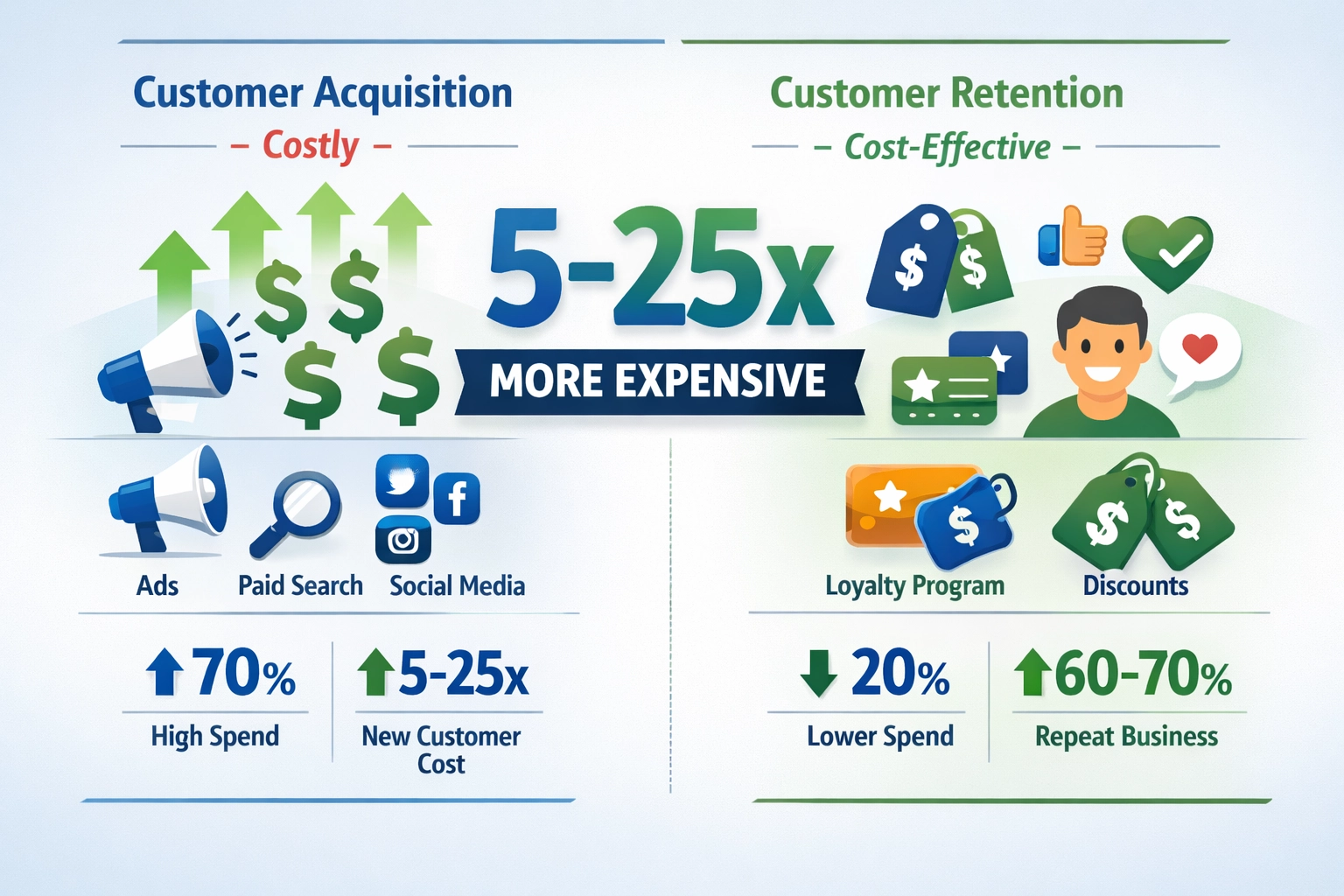
Discover why retaining customers costs 5-25x less than acquiring new ones. Learn proven retention strategies and ROI metrics to maximize profitability.

Customer retention strategies are often neglected but very effective. 8 actionable tips to build loyalty, increase customer lifetime value
Join our community of happy clients and provide excellent customer support with Post Affiliate Pro.




Cookie Consent
We use cookies to enhance your browsing experience and analyze our traffic. See our privacy policy.