


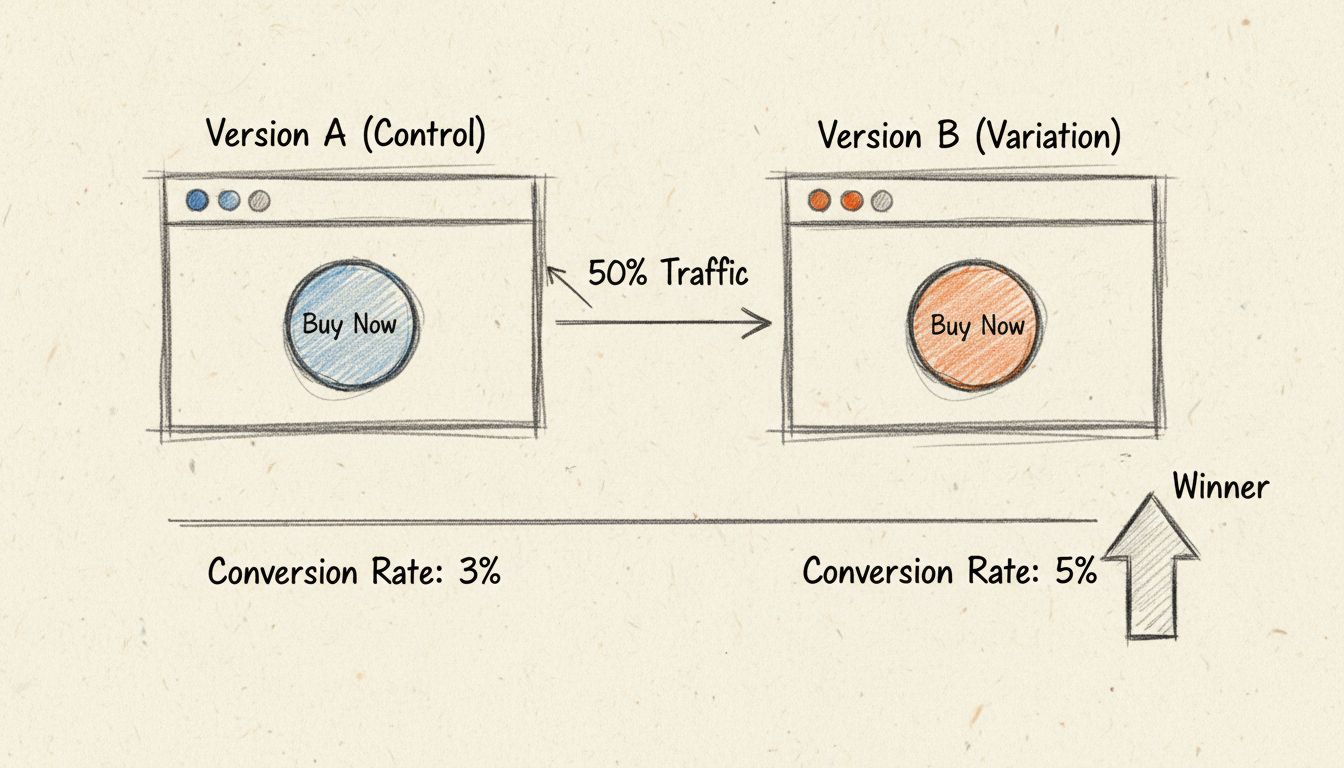
How Does Split Testing Work? Complete Guide to A/B Testing
Learn how split testing works with our comprehensive guide. Discover the methodology, statistical significance, best practices, and how PostAffiliatePro helps o...
10 min read

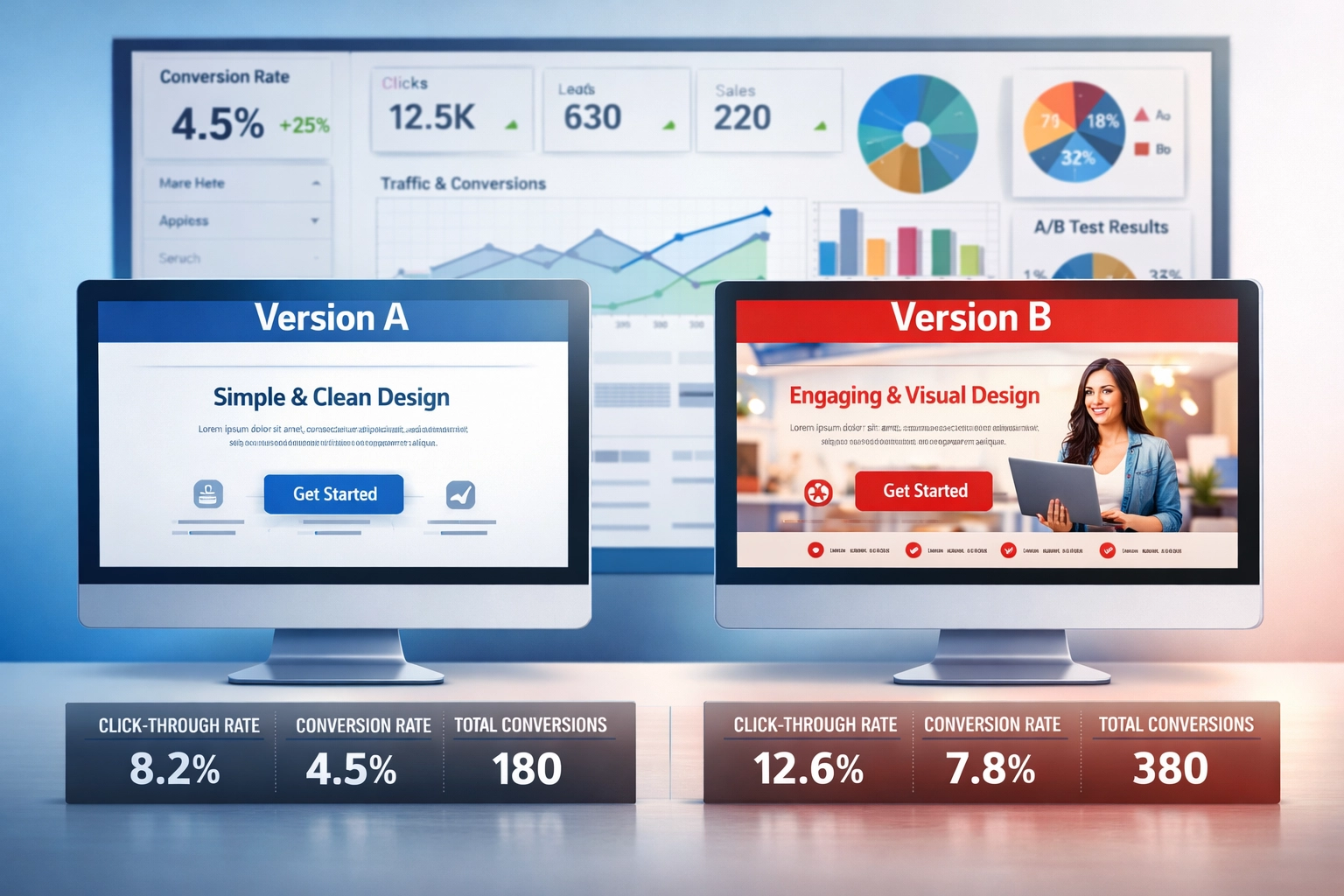
Discover how continuous A/B testing of landing pages helps affiliate marketers identify winning configurations and increase conversions.
Continuous testing, also known as ongoing A/B testing or split testing, is the systematic practice of regularly comparing different versions of landing pages, advertisements, email campaigns, and promotional materials to identify which configurations drive the highest conversions and revenue. Unlike one-time optimization efforts that address a single campaign element, continuous testing represents an ongoing commitment to improvement, where affiliate marketers perpetually experiment with new variations and refine their strategies based on real user behavior data. This data-driven approach eliminates guesswork and intuition-based decisions, replacing them with concrete metrics that reveal exactly what resonates with your target audience. By embracing continuous testing as a core operational practice, affiliate marketers transform their campaigns from static, set-and-forget operations into dynamic, evolving systems that consistently improve performance over time.
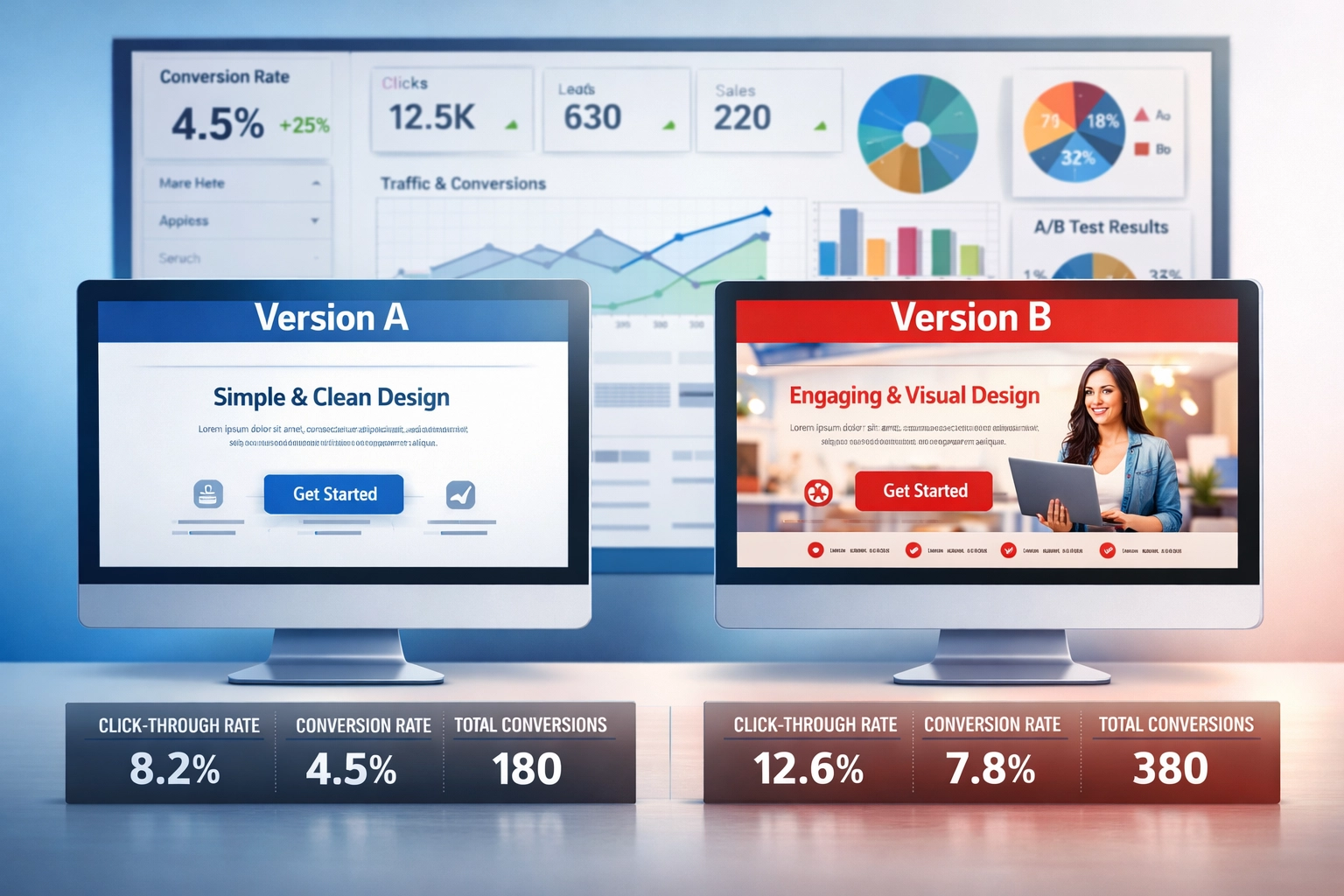
The financial impact of continuous testing on affiliate marketing operations is substantial and measurable. Organizations that implement systematic testing programs typically experience conversion rate improvements ranging from 15% to 50%, depending on the baseline performance and testing rigor. For example, a campaign generating $10,000 monthly revenue with a 2% conversion rate could potentially reach $12,000-$15,000 monthly through strategic testing and optimization. Beyond immediate revenue gains, continuous testing reduces the risk of implementing ineffective changes by validating hypotheses before full-scale deployment, protecting your marketing budget from costly mistakes. The compounding effect of incremental improvements—where each successful test builds upon previous wins—creates exponential revenue growth over quarters and years.
| Test Scenario | Baseline Conversion Rate | Test Conversion Rate | Revenue Impact | ROI Improvement |
|---|---|---|---|---|
| CTA Button Color Change | 2.5% | 3.2% | +28% revenue increase | +180% |
| Landing Page Redesign | 2.0% | 2.8% | +40% revenue increase | +220% |
| Email Subject Line Optimization | 1.8% | 2.4% | +33% revenue increase | +195% |
| Pricing Display Test | 2.2% | 3.1% | +41% revenue increase | +240% |
| Form Field Reduction | 2.1% | 2.9% | +38% revenue increase | +210% |

Set up advanced tracking in minutes. No credit card required.
Successful affiliate marketers understand that virtually every element of a campaign can impact performance, making it essential to identify which variables offer the highest potential for improvement. The most impactful elements to test include:
Conducting effective A/B tests requires a structured, disciplined approach that ensures reliable results and actionable insights. Follow these essential steps:
Be the first to know about new features and product updates.
Understanding which metrics matter most is essential for interpreting test results accurately and making informed optimization decisions. Conversion Rate represents the percentage of visitors who complete your desired action (purchase, signup, download), serving as the primary metric for most affiliate campaigns. Click-Through Rate (CTR) measures the percentage of people who click your affiliate link or CTA button, indicating how compelling your messaging and design are. Earnings Per Click (EPC) reveals the average revenue generated per click, helping you understand the true profitability of traffic sources and campaign variations. Return on Investment (ROI) quantifies the overall profitability by comparing revenue generated against costs incurred, providing the ultimate measure of campaign success. Cost Per Acquisition (CPA) shows how much you spend to acquire each customer, critical for understanding campaign efficiency and scalability. Average Order Value (AOV) indicates the average revenue per transaction, which can be improved through upselling, bundling, and pricing optimization. For instance, if a test increases your conversion rate from 2% to 2.5% on 10,000 monthly visitors, you’d gain 50 additional conversions—potentially worth $500-$5,000 depending on your product’s price point.
Modern affiliate marketers have access to sophisticated testing platforms that streamline experiment setup, execution, and analysis. Google Optimize provides free A/B testing capabilities integrated directly with Google Analytics, making it ideal for landing page and website testing with minimal technical requirements. Optimizely offers enterprise-grade experimentation features supporting complex multivariate tests, personalization, and advanced audience segmentation for larger-scale operations. Visual Website Optimizer (VWO) combines A/B testing with heatmaps and session recordings, allowing you to understand not just what works, but why visitors behave certain ways. Facebook Ads Manager includes native A/B testing functionality specifically designed for social media campaigns, enabling you to test audiences, placements, creative variations, and bidding strategies directly within the platform. Unbounce specializes in landing page creation and optimization, providing drag-and-drop builders with integrated A/B testing to quickly iterate on high-converting page designs. Selecting the right tool depends on your testing complexity, budget, and technical capabilities, but most successful affiliate marketers use multiple tools to test different campaign elements across their marketing funnel.
Even well-intentioned testing efforts can produce unreliable results when common pitfalls aren’t avoided. Running tests with insufficient sample sizes is perhaps the most frequent mistake—stopping tests too early or with too few conversions leads to statistically insignificant results that don’t reflect true performance differences. Testing multiple variables simultaneously creates confusion about which change actually drove results, making it impossible to replicate success or understand cause-and-effect relationships. Stopping tests prematurely when one variant appears to be winning can lead to false conclusions, as natural variation and sample size fluctuations may reverse the apparent winner. Ignoring seasonal variations and external factors like holidays, marketing campaigns, or industry events can skew results, making it essential to run tests for sufficient duration to account for these influences. Failing to document results and learnings means you lose institutional knowledge and may repeat failed experiments or miss opportunities to build on successful patterns. Additionally, many marketers test elements with minimal impact on conversions while ignoring high-leverage variables, wasting time and resources on low-priority optimizations.

Sustainable affiliate marketing success requires more than occasional testing—it demands a cultural commitment to continuous experimentation and data-driven decision making. Organizations that excel at testing establish clear processes for hypothesis generation, test prioritization, and result documentation, ensuring that learnings accumulate over time rather than being lost. Team collaboration is essential, bringing together marketers, designers, developers, and analysts to identify testing opportunities and interpret results from multiple perspectives. Learning from failures is equally important as celebrating wins; tests that don’t produce expected results still provide valuable insights about audience preferences and campaign dynamics. Scaling successful tests involves systematically implementing winning variations across all relevant campaigns and channels, multiplying the impact of each discovery. The most successful affiliate marketers treat testing as an ongoing operational practice rather than a one-time initiative, allocating dedicated resources, budget, and personnel to maintain momentum and continuously improve performance.
As your testing maturity increases, you can employ more sophisticated approaches that yield deeper insights and more dramatic improvements. Multivariate testing allows you to test multiple elements simultaneously and understand how they interact with each other, revealing combinations that outperform individual changes. Segmentation and personalization involve testing different variations for different audience segments based on demographics, behavior, traffic source, or device type, recognizing that one-size-fits-all approaches often underperform. Predictive analytics uses historical data and machine learning algorithms to forecast which variations will perform best before running full tests, accelerating optimization cycles. Machine learning applications can automatically identify patterns in testing data, suggest new hypotheses, and even dynamically adjust campaigns in real-time based on performance signals. These advanced strategies require more sophisticated tools and technical expertise but can deliver exponential improvements for high-volume affiliate operations with substantial testing budgets.
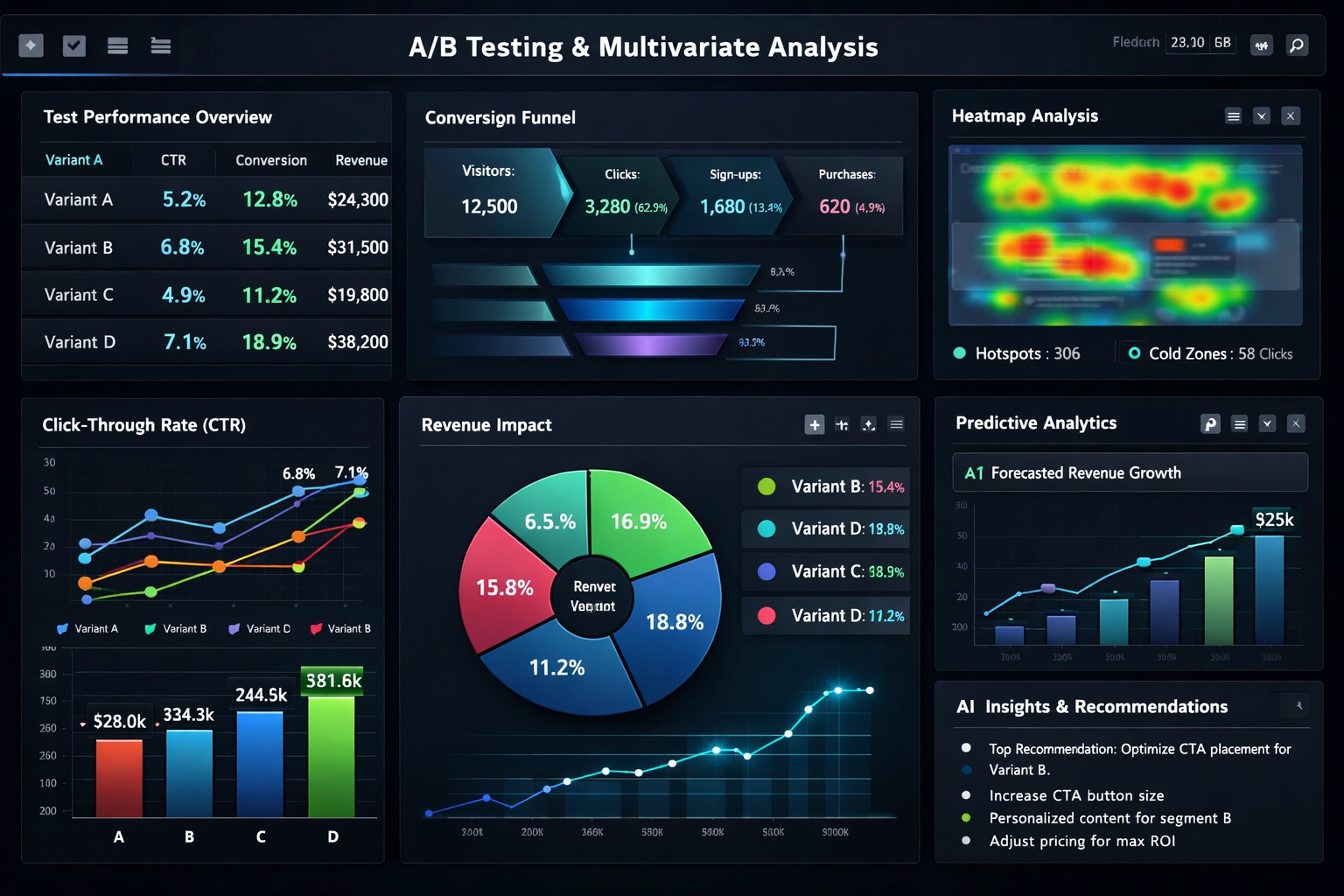
Practical examples demonstrate the tangible impact of continuous testing on affiliate marketing performance. A major e-commerce affiliate program increased landing page conversions by 47% through systematic testing of headline variations, image selections, and CTA button placements over a six-month period, translating to an additional $180,000 in monthly revenue. A SaaS affiliate marketer improved email campaign performance by 52% by testing subject lines, preview text, send times, and content formats, resulting in 340 additional qualified leads monthly. A travel affiliate network achieved a 38% conversion rate improvement by testing different pricing displays, payment options, and trust signals, generating an extra $95,000 in quarterly commissions. A financial services affiliate increased form completion rates by 61% through testing form field requirements, progress indicators, and reassurance messaging, demonstrating that even small friction-reduction improvements compound significantly. These examples underscore that continuous testing isn’t theoretical—it’s a proven methodology that directly impacts the bottom line for affiliate marketers across industries.
Getting started with continuous testing requires minimal investment but maximum commitment to the process. Begin with high-impact elements that affect the most visitors or have the largest potential revenue impact, such as landing page headlines or CTA buttons, rather than testing minor design details. Allocate dedicated resources including personnel, budget for testing tools, and time for analysis and implementation, recognizing that testing is an investment in future performance. Establish realistic timelines, understanding that meaningful results typically emerge after 4-8 weeks of consistent testing, with compounding improvements accelerating over months and years. Integrate with PostAffiliatePro to leverage advanced tracking, analytics, and reporting capabilities that provide the data foundation necessary for informed testing decisions and performance optimization. Document everything including hypotheses, test results, learnings, and implementation decisions, creating an institutional knowledge base that guides future testing priorities. Start with one or two tests this month, establish your testing rhythm and processes, then gradually expand to multiple concurrent tests as your team gains experience and confidence in the methodology.
The frequency of testing depends on your traffic volume and campaign complexity. High-traffic campaigns can support continuous testing with multiple concurrent tests, while smaller operations might run 1-2 tests monthly. The key is maintaining consistent testing momentum—even one test per month compounds to significant improvements over a year.
Statistical significance typically requires 100-500 conversions per variant, depending on your baseline conversion rate and desired confidence level. Use online sample size calculators to determine exact requirements for your specific metrics. Running tests for at least 1-2 weeks helps account for daily and weekly variations in user behavior.
While tempting, testing multiple variables simultaneously makes it impossible to determine which change drove results. Stick to single-variable tests for clarity and actionable insights. Once you have testing experience, multivariate testing can reveal how different elements interact, but requires larger sample sizes and more sophisticated analysis.
Run tests for a minimum of 1-2 weeks to account for daily fluctuations and day-of-week variations. For lower-traffic campaigns, extend testing to 3-4 weeks. The goal is reaching statistical significance—typically 100+ conversions per variant—rather than hitting an arbitrary time deadline.
A/B testing compares two versions of a single element, while multivariate testing examines multiple elements and their interactions simultaneously. A/B testing is simpler and requires smaller sample sizes, making it ideal for most affiliate campaigns. Multivariate testing requires larger traffic volumes but reveals how different elements work together.
Use statistical significance calculators or your testing platform's built-in analysis tools. Generally, you need a 95% confidence level (p-value < 0.05) to declare results statistically significant. This means there's only a 5% probability the results occurred by chance rather than reflecting true performance differences.
When variants perform similarly, you've still gained valuable information—the tested element doesn't significantly impact conversions. Document this learning and move on to testing other elements. Sometimes 'no difference' results reveal that your current approach is already optimized or that the tested element has minimal impact on user decisions.
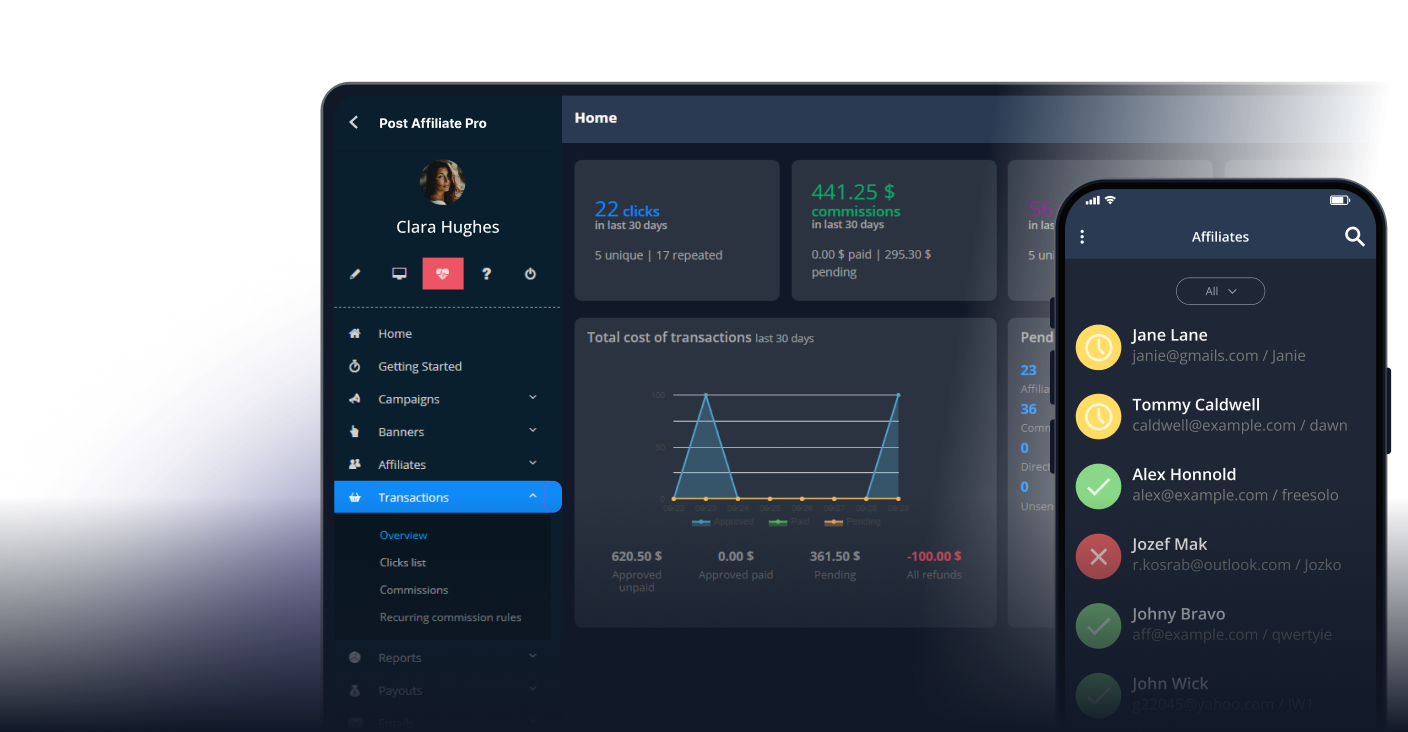
PostAffiliatePro provides comprehensive tracking, analytics, and reporting tools that form the data foundation for informed testing decisions. The platform captures detailed conversion data, traffic sources, and performance metrics across all your campaigns, enabling you to identify testing opportunities and measure results with precision.
Discover how PostAffiliatePro's advanced testing and analytics tools help you identify winning campaign configurations and maximize your affiliate revenue through continuous optimization.
Learn how split testing works with our comprehensive guide. Discover the methodology, statistical significance, best practices, and how PostAffiliatePro helps o...
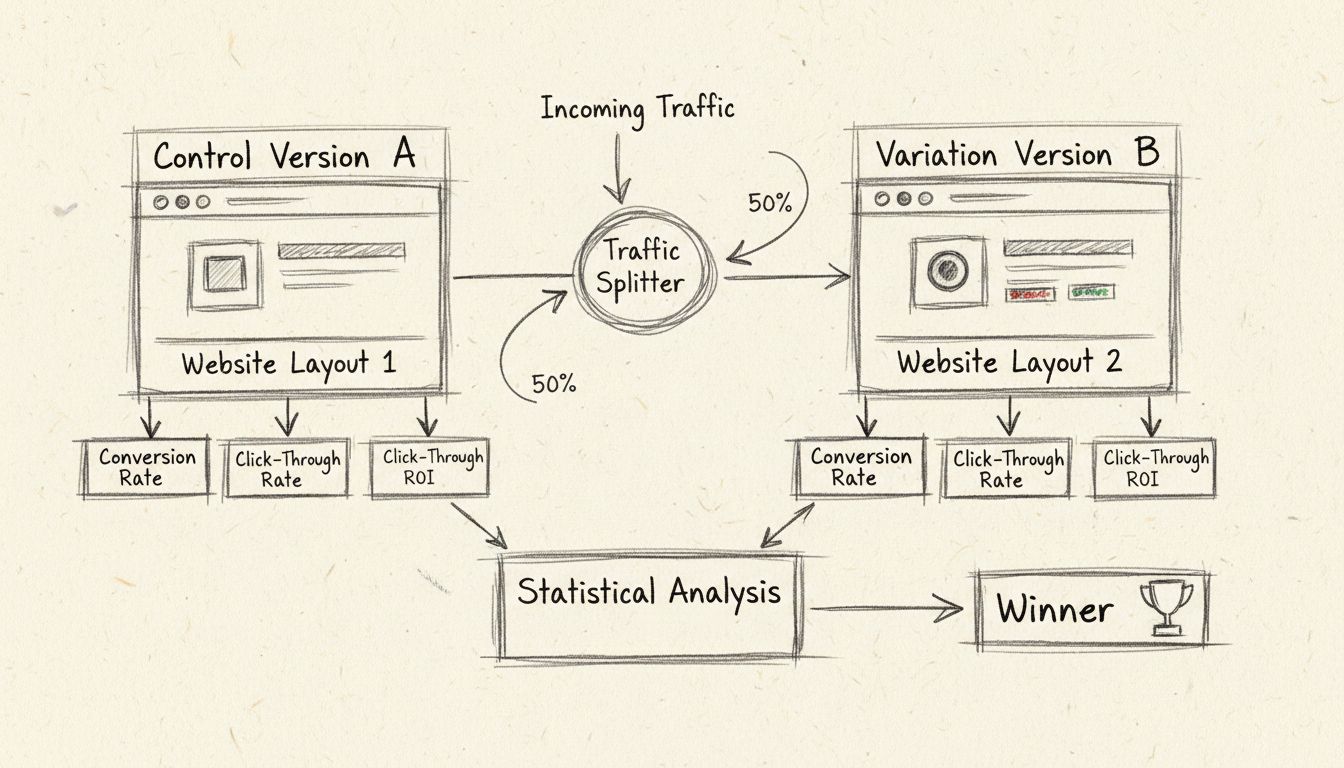
Discover why split testing is crucial for conversion optimization. Learn how A/B testing improves conversions, reduces risk, and drives ROI. PostAffiliatePro's ...
Split testing is a controlled experimentation method where different versions of a digital asset are presented to segments of an audience to determine which yie...
Join our community of happy clients and provide excellent customer support with Post Affiliate Pro.



Cookie Consent
We use cookies to enhance your browsing experience and analyze our traffic. See our privacy policy.