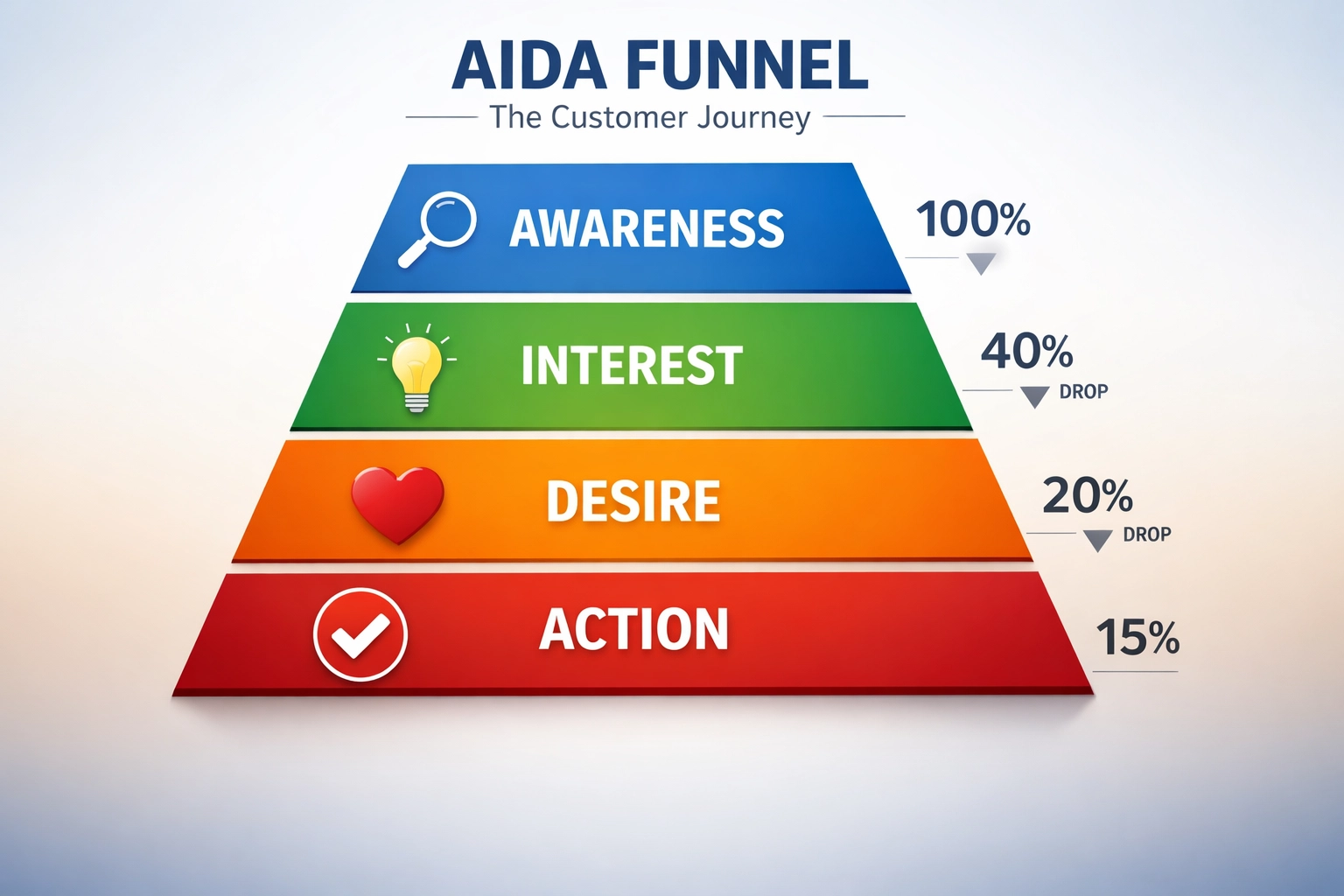
The AIDA funnel—Awareness, Interest, Desire, Action—is one of the most powerful frameworks in affiliate marketing. Developed over a century ago by advertising pioneer E. St. Elmo Lewis, this model guides potential customers through a psychological journey from first learning about a product to clicking your affiliate link and making a purchase. For affiliate marketers, understanding and implementing AIDA isn’t optional; it’s essential for converting casual browsers into paying customers. The beauty of AIDA lies in its simplicity: it mirrors how real people actually make buying decisions. By structuring your affiliate content around these four stages, you create a persuasive path that naturally leads prospects toward action.
Understanding Each Stage of the AIDA Model
To effectively use AIDA in affiliate marketing, you need to understand what happens at each stage and how to optimize your content accordingly. Here’s how each stage works in the context of affiliate sales:
Stage
Goal
Affiliate Tactics
Example
Awareness
Reach a broad audience and introduce your product
Blog posts, social media content, paid ads, SEO optimization
“The Ultimate Guide to Project Management Tools” blog post
Interest
Keep prospects engaged and provide valuable information
The AIDA model works for affiliate marketing because it aligns with how the human brain processes information and makes decisions. When prospects encounter your content, they don’t immediately want to buy; they need to be guided through a logical progression. First, they become aware of a solution to their problem. Then, they develop interest by learning more details. Next, they feel desire as they see how the product transforms lives. Finally, they take action when the path to purchase is clear and compelling. This psychological progression reduces friction in the customer journey and dramatically increases conversion rates. Unlike random promotional tactics, AIDA creates a structured, persuasive experience that builds trust and credibility with your audience.
The Awareness Stage: Getting Noticed
The Awareness stage is where everything begins in your affiliate funnel. Your goal here is to reach potential customers who don’t yet know your product exists. Content marketing is your primary weapon—create blog posts that answer common questions in your niche, produce videos that showcase problems your affiliate product solves, and share infographics that grab attention on social media. SEO optimization is critical; target keywords like “best [product type]” or “[problem] solution” to capture search traffic. Paid advertising accelerates awareness by putting your content in front of targeted audiences on Facebook, Google, and other platforms. Social media engagement builds organic reach through shares and comments. The key is reaching the right people at the right time with content that resonates with their pain points. Don’t worry about selling yet—focus on visibility and relevance.
Join our newsletter
Be the first to know about new features and product updates.
The Interest Stage: Building Engagement
Once you’ve captured attention, the Interest stage is where you nurture engagement and provide deeper value. This is the perfect time for detailed product reviews that explain features, benefits, and how the product solves specific problems. Create comparison guides that show how your affiliate product stacks up against competitors. Email marketing sequences work exceptionally well here—send educational content that keeps prospects thinking about the solution. Webinars, tutorials, and how-to guides demonstrate expertise and build authority. Interactive content like quizzes or calculators keeps prospects engaged longer. Retargeting ads remind people who visited your content but didn’t convert. The goal is to keep your affiliate product top-of-mind while providing genuine value. When prospects see you as a trusted resource, they’re more likely to follow your recommendations.
The Desire Stage: Creating Emotional Connection
The Desire stage is where emotional connection transforms interest into genuine want. This is where social proof becomes your most powerful tool—showcase testimonials from real customers, display star ratings and reviews, and share case studies showing measurable results. User-generated content like customer photos or success stories creates authenticity that polished marketing can’t match. Tell transformation stories that help prospects envision themselves using the product. Create FOMO (fear of missing out) through limited-time offers or scarcity messaging. Demonstrate the transformation your affiliate product enables—not just features, but the lifestyle or results it creates. Be transparent about your affiliate relationship; honesty builds trust. When prospects feel emotionally connected to the product and see proof that it works, they’re ready to take action.
The Action Stage: Converting Prospects
The Action stage is where all your previous work pays off through conversions. Your call-to-action (CTA) must be crystal clear, compelling, and easy to find. Use action-oriented language like “Get Started,” “Claim Your Discount,” or “Start Your Free Trial.” Place affiliate links strategically throughout your content—in blog posts, email signatures, and dedicated landing pages. Create urgency with limited-time offers, countdown timers, or exclusive bonuses. Simplify the path to purchase by minimizing clicks between your content and the affiliate link. A/B test different CTAs to see which language resonates best with your audience. Track which links convert best using PostAffiliatePro’s advanced analytics. Remember: even the best content fails if the action step is unclear or difficult. Make clicking your affiliate link the obvious next step.
Implementing AIDA in Your Affiliate Strategy
Implementing AIDA in your affiliate strategy requires intentional planning and content mapping. Start by auditing your existing content and assigning each piece to an AIDA stage. Create a content calendar that ensures you’re producing material for all four stages consistently. Use different channels strategically—blog posts for awareness and interest, email for interest and desire, social media for all stages, and landing pages for desire and action. Set specific metrics for each stage: impressions for awareness, engagement time for interest, click-through rates for desire, and conversion rates for action. Use PostAffiliatePro to track these metrics in real-time and identify bottlenecks. Test different approaches and optimize based on data. Remember that the timeline varies by product—high-ticket items need more nurturing, while impulse purchases move faster through the funnel.
Common Mistakes in AIDA Implementation
Common mistakes can derail even well-intentioned affiliate campaigns. Many affiliates skip the awareness stage entirely, jumping straight to sales pitches that fall on deaf ears. Weak interest-building content fails to engage prospects or provide genuine value. Insufficient social proof in the desire stage leaves prospects unconvinced. Poor CTA placement or design makes the action step unclear or difficult. Rushing through stages without proper nurturing results in low conversion rates. Failing to track metrics means you can’t identify what’s working and what isn’t. Ignoring audience feedback prevents you from understanding what your prospects actually want. The solution is to respect each stage of the funnel, provide genuine value at every step, and continuously optimize based on performance data.
AIDA vs. Other Marketing Funnels
While AIDA remains the gold standard, other frameworks exist. AIDAS adds a Satisfaction stage after Action to focus on customer retention and loyalty. The TOFU/MOFU/BOFU framework (Top/Middle/Bottom of Funnel) is more technical but aligns well with AIDA. Google’s See-Think-Do-Care model emphasizes relationship-building beyond the initial purchase. The AISDALSLove model extends AIDA with Loyalty and post-purchase sharing stages. Each framework has merit, but AIDA remains the most straightforward and effective for affiliate marketing. Many successful affiliates combine AIDA with other models—using AIDA for the initial purchase journey and AIDAS for post-purchase engagement. The key is choosing a framework that matches your goals and audience.
Measuring AIDA Success with PostAffiliatePro
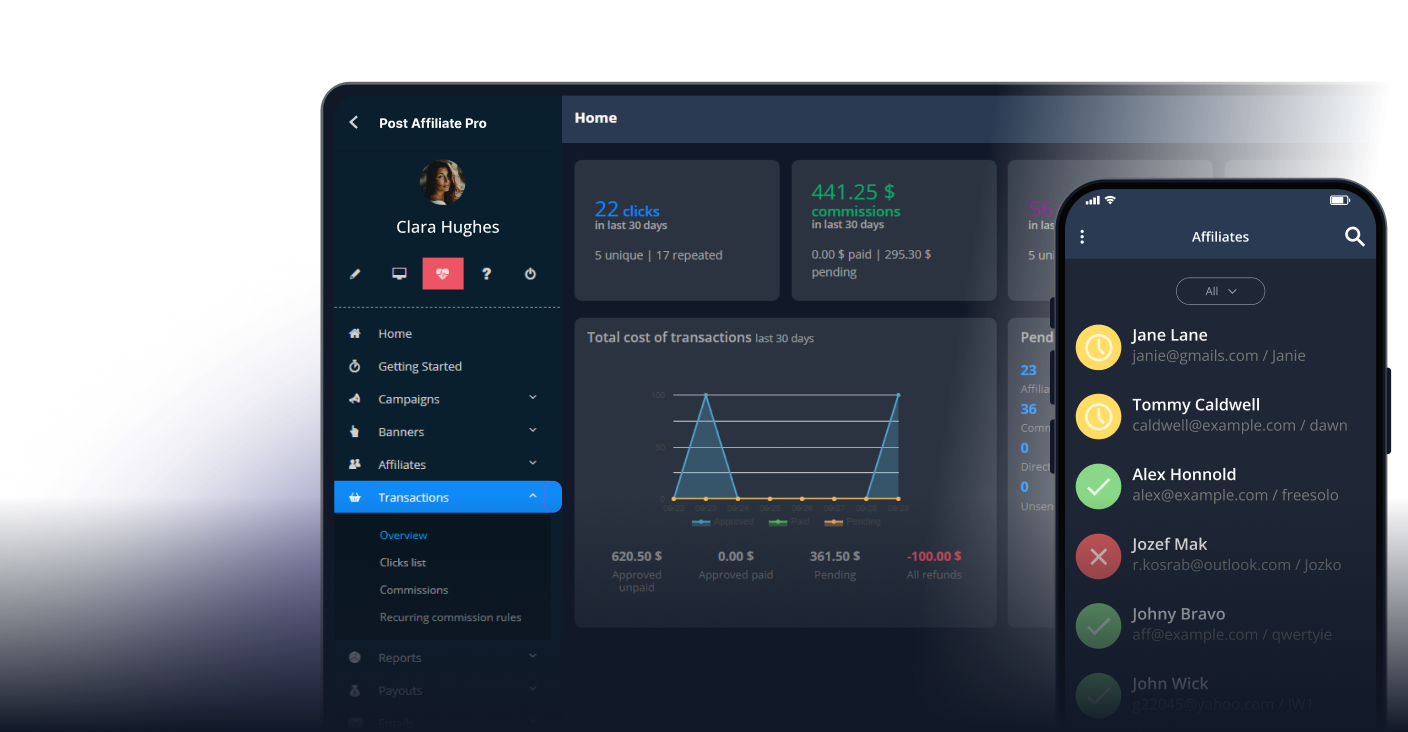
PostAffiliatePro stands out as the top affiliate software for implementing and measuring AIDA success. Its advanced tracking system monitors performance at each funnel stage, showing you exactly where prospects drop off. Real-time analytics dashboards display conversion rates, click-through rates, and revenue attribution for every campaign. The platform’s A/B testing capabilities let you optimize CTAs, landing pages, and promotional strategies. Detailed reporting reveals which content performs best at each AIDA stage, enabling data-driven optimization. Integration with major platforms makes implementation seamless. PostAffiliatePro’s fraud detection ensures accurate metrics. Unlike competitors, PostAffiliatePro provides the granular insights needed to continuously improve your AIDA implementation and maximize affiliate revenue.
Real-World AIDA Success Stories
Real-world success stories demonstrate AIDA’s power. One SaaS affiliate marketer used AIDA to build a content strategy around project management tools. By creating awareness content (comparison guides), interest content (feature deep-dives), desire content (customer success stories), and action content (limited-time discounts), they increased conversions by 340% in six months. An e-commerce affiliate focused on fitness products generated $2,000 monthly revenue initially. After restructuring their content around AIDA stages, they reached $18,000 monthly within a year. A digital course affiliate improved their conversion rate from 2% to 9% by implementing proper desire-stage content with testimonials and case studies. Another marketer achieved a 45% click-through rate on affiliate links by optimizing CTAs for the action stage. These results aren’t anomalies—they’re predictable outcomes of properly implementing AIDA.
Conclusion: Start Your AIDA Journey Today
The AIDA funnel is your roadmap to affiliate success. By guiding prospects through Awareness, Interest, Desire, and Action, you create a persuasive journey that converts browsers into buyers. The framework is timeless because it mirrors how people actually make decisions. Whether you’re promoting SaaS tools, physical products, digital courses, or services, AIDA works across all niches. The key is respecting each stage, providing genuine value, and optimizing based on data. PostAffiliatePro makes implementation and optimization effortless with its powerful tracking and analytics tools. Start implementing AIDA in your affiliate strategy today—map your content to each stage, set up proper tracking, and watch your conversion rates climb. Your affiliate revenue will thank you.
Frequently asked questions
AIDA stands for Awareness, Interest, Desire, and Action. It's a customer journey model that guides prospects through four psychological stages from first learning about a product to making a purchase through your affiliate link.
The timeline varies by product and audience. High-ticket items may take weeks or months, while impulse purchases might happen in days. Most affiliate campaigns see results within 2-4 weeks of consistent implementation.
Yes, AIDA is versatile and works across all niches—from physical products to digital courses, SaaS tools, and services. The tactics may differ, but the fundamental stages remain the same.
While all stages matter, the Action stage is critical for conversions. However, skipping the Desire stage often results in low conversion rates, so building emotional connection is equally important.
Track metrics like impressions (Awareness), click-through rates (Interest), engagement time (Desire), and conversion rates (Action). Use tools like PostAffiliatePro to monitor these metrics in real-time.
Absolutely. AIDA works for both channels. Organic content builds awareness and interest over time, while paid ads can accelerate the process and target specific stages of the funnel.
PostAffiliatePro provides tracking, analytics, and optimization tools that help you measure performance at each AIDA stage, optimize your campaigns, and maximize affiliate revenue.
AIDAS adds a 'Satisfaction' stage after Action to focus on customer retention and loyalty. While AIDA focuses on the initial purchase, AIDAS emphasizes long-term customer relationships.
Ready to Optimize Your Affiliate Sales Funnel?
PostAffiliatePro provides the tracking, analytics, and optimization tools you need to implement AIDA effectively and maximize your affiliate revenue. Start measuring performance at each funnel stage today.
AIDA Formula: How to Apply It & the Exact Performance Indicators to Know If It’s Actually Working
Discover how to optimize your Facebook ads using the AIDA formula (Attention, Interest, Desire, Action) with key metrics like 3-second video views, average watc...
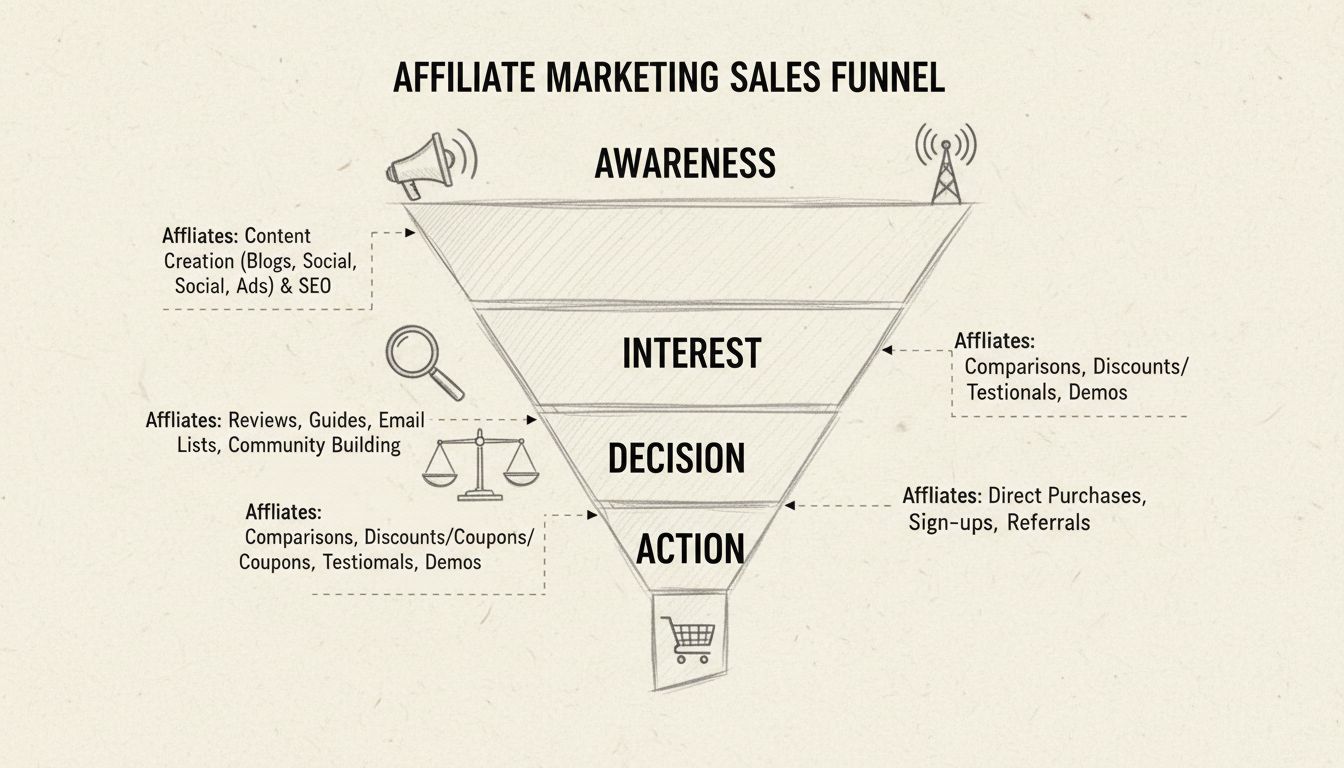
Learn how to leverage affiliates at every stage of the sales funnel—from awareness to action. Discover proven strategies for brand introduction, lead nurturing,...
Explore the ADAMO Advertising affiliate program, a global platform in the media and marketing industry. Learn about its digital services, campaign rules, 60-day...