


How to Start an Affiliate Marketing Website
Learn how to start an affiliate marketing website from scratch. Step-by-step guide covering niche selection, platform setup, affiliate programs, content creatio...
15 min read

Start affiliate marketing as a beginner with our complete guide: strategies, top programs, and steps to build passive income today.
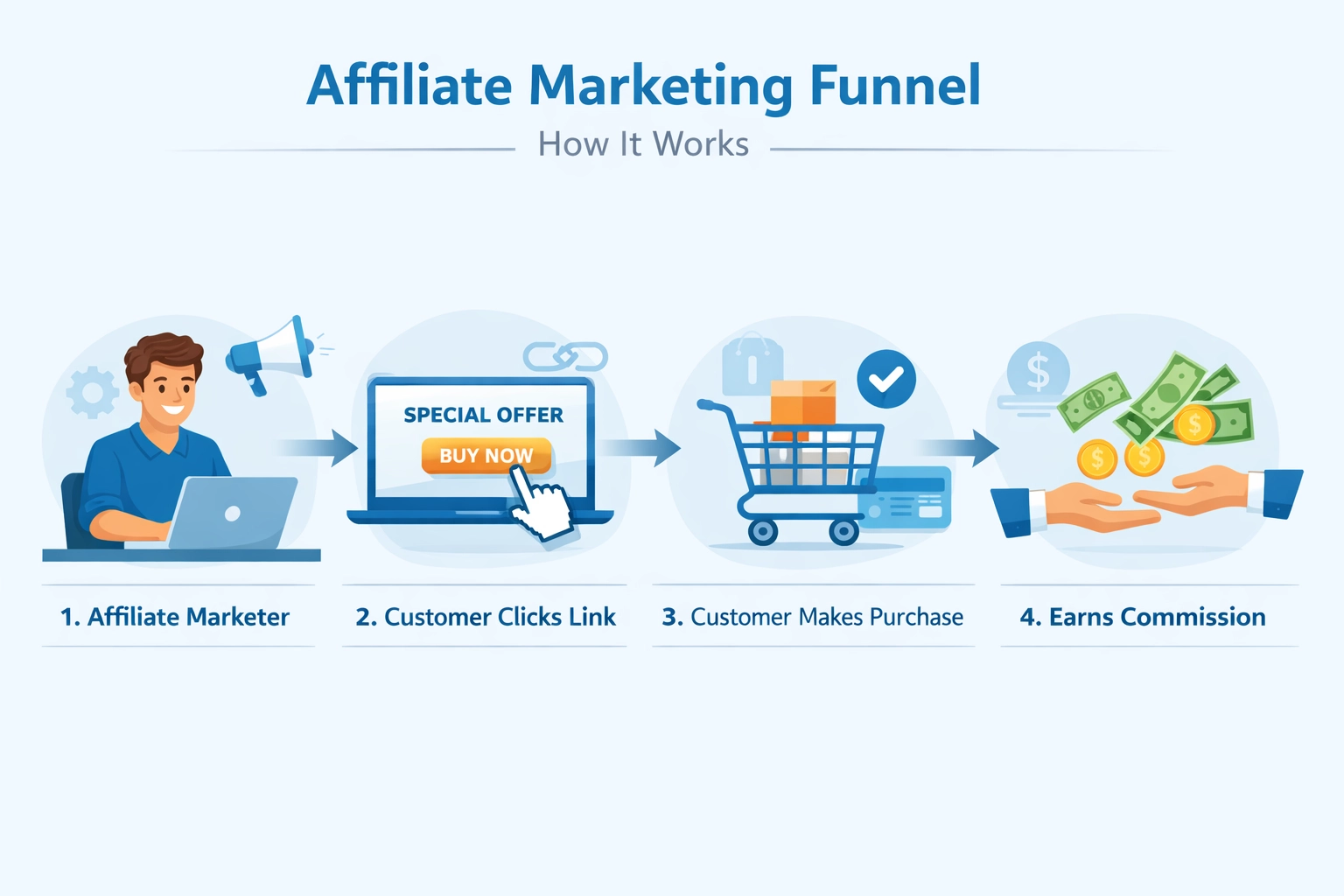
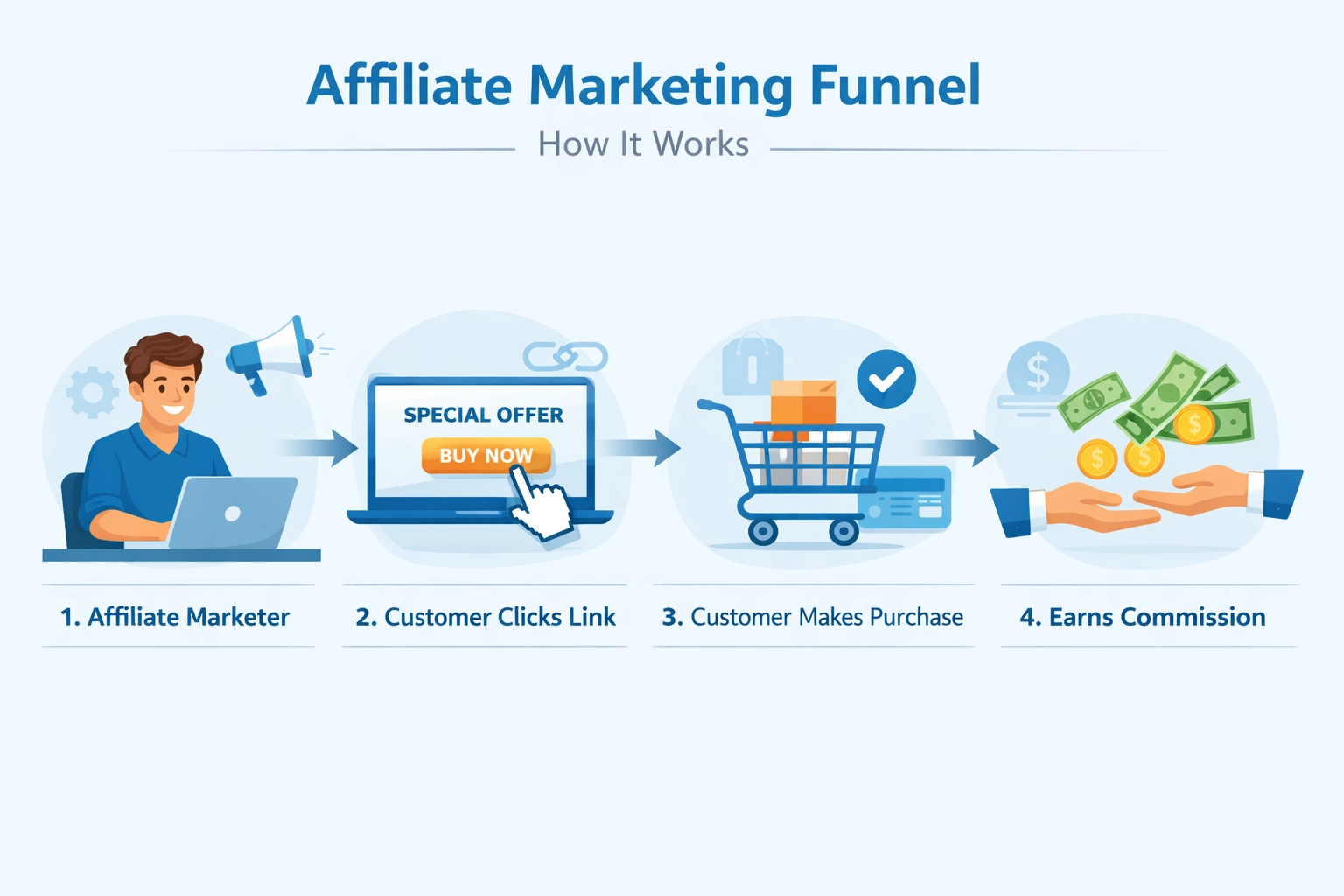
Affiliate marketing is a performance-based business model where you earn commissions by promoting products or services created by other companies. Instead of creating your own products, you act as a middleman between customers and merchants, earning a percentage of each sale generated through your unique referral link. The beauty of this model lies in its simplicity: you don’t need inventory, customer service responsibilities, or significant upfront investment. The process follows a straightforward five-step journey: first, you join an affiliate program and receive a unique tracking link; second, you promote that link through your content, website, or social media; third, a potential customer clicks your link; fourth, they make a purchase; and finally, the merchant tracks the sale back to you and credits your commission. This approach has become increasingly popular because it removes the traditional barriers to starting an online business while offering genuine earning potential for those willing to build an audience and create valuable content.
Affiliate marketing offers compelling advantages that make it ideal for beginners looking to build an online income stream:

Set up advanced tracking in minutes. No credit card required.
Different affiliate programs compensate partners in various ways. Understanding these structures helps you choose programs that align with your earning goals and audience size.
| Commission Type | How It Works | Typical Rate | Best For |
|---|---|---|---|
| Commission-Based | You earn a percentage of each sale made through your link | 5%-50% | Physical products, SaaS, courses |
| Pay-Per-Lead (PPL) | You earn a fixed amount for each qualified lead or signup | $1-$100+ per lead | High-ticket services, B2B products |
| Pay-Per-Click (PPC) | You earn money for each click on your affiliate link | $0.01-$1 per click | Ad networks, traffic-heavy sites |
| Tiered Commissions | Your commission percentage increases as you refer more customers | 10%-30%+ | Recurring subscriptions, membership sites |
The most common structure for beginners is commission-based, where you earn a percentage of the sale price. For example, if you promote a $100 product with a 20% commission and generate 10 sales monthly, you’d earn $200. Some programs like Amazon Associates offer lower percentages (1-10%) but have massive product catalogs, while specialized programs might offer 30-50% commissions on fewer products.
Your niche is the specific topic or industry you’ll focus on as an affiliate marketer. Selecting the right niche is crucial because it determines your audience, the products you can promote, and ultimately your earning potential. When evaluating potential niches, consider three essential criteria. First, choose something you’re genuinely interested in—you’ll be creating content about this topic regularly, so passion matters. If you love fitness, personal finance, or technology, that enthusiasm will shine through in your content and resonate with your audience. Second, ensure you can solve real problems for your audience. The best affiliates bring unique expertise or personal experience to their recommendations. A teacher reviewing educational products, a parent testing baby gear, or someone who’s lost significant weight promoting fitness programs all have credibility that translates to conversions. Third, verify there’s money to be made. Research whether companies in your niche offer affiliate programs and what commission rates they provide. Competition is actually a good sign—it means there’s proven demand and customers willing to spend money.
Be the first to know about new features and product updates.
Your platform is where you’ll connect with your audience and share your affiliate links. Different platforms suit different content styles and audience preferences.
Starting a Blog remains one of the most effective platforms for affiliate marketing. Blogs allow you to create in-depth product reviews, detailed tutorials, and comprehensive comparison guides that rank well in search engines. You can explain exactly why you recommend certain products, share personal experiences, and build trust through detailed information. Platforms like WordPress, Wix, or Shopify make it easy to start without technical skills.
Building a Social Media Presence on Instagram, TikTok, or YouTube lets you showcase products in action. Visual platforms are perfect for demonstrating how products work, showing before-and-after results, or featuring products in your daily life. TikTok and Instagram Reels allow short-form video content that can go viral, while YouTube’s longer format enables detailed product demonstrations and reviews.
Launching a YouTube Channel provides the deepest connection with viewers. Video content builds stronger relationships than text or images alone, and YouTube’s algorithm can drive significant traffic. Once you reach 10,000 subscribers and meet YouTube Partner Program requirements, you can monetize through their affiliate program while also earning from ads.
Choose the platform where you’re most comfortable creating content. Authenticity matters more than follower count—an engaged audience of 1,000 people who trust your recommendations will generate more affiliate sales than 100,000 disengaged followers.
Once you’ve chosen your niche and platform, it’s time to find affiliate programs to join. Start by reaching out directly to brands you already use and love. If you genuinely recommend their products to friends, you’ll create more authentic content, and many companies have affiliate programs they’re eager to promote.
For broader options, explore established affiliate networks. Amazon Associates is the largest and most beginner-friendly, offering commissions on millions of products (1-10% depending on category). ShareASale connects you with over 4,000 merchants across various industries. PartnerStack features 300+ vetted programs paying out millions in commissions annually. Rakuten offers cashback and affiliate opportunities with varying commission levels. Shopify Collabs connects creators directly with merchants who set their own commission rates.
When evaluating programs, look for several key factors: brand reputation (only promote companies your audience will trust), competitive commission rates (10-30% is typical for many industries), reasonable cookie duration (how long after clicking your link a purchase counts toward your commission), and strong earnings per click (EPC) metrics that show the program’s profitability.
Having affiliate links isn’t enough—you need content that convinces people to click and purchase. The most successful affiliate marketers weave products naturally into helpful, valuable content rather than pushing sales.
Product Reviews work exceptionally well when they’re honest and detailed. Share what you genuinely like about a product, but also mention any drawbacks. People appreciate transparency and are more likely to buy from someone who acknowledges a product isn’t perfect for everyone. Include personal stories about how the product solved a problem for you.
Tutorials and How-To Guides naturally incorporate affiliate products as solutions. A tutorial on “How to Start a Blog” can recommend hosting services, themes, and email marketing tools. A fitness guide can feature workout equipment you actually use. These tutorials provide value even without the affiliate links, making readers more likely to trust your recommendations.
Comparison Posts help readers choose between similar products. Compare features, pricing, pros and cons, and explain which option works best for different situations. This format performs well in search engines and helps readers make informed decisions.
Email Marketing to your subscriber list is one of the highest-converting channels. People who’ve opted into your email list have already shown interest in your content, making them more receptive to recommendations.

Affiliate income directly correlates with audience size and engagement. Building an audience takes time, but these strategies accelerate growth. For bloggers, start building an email list from day one. Email subscribers are your most valuable audience because you can reach them directly without relying on algorithms. Send regular newsletters with helpful tips, product updates, and exclusive offers. For social media creators, collaborate with other creators in your niche to tap into their audiences. Engage genuinely in comments—show your followers you care about their questions and feedback. Study what content performs well in your niche, but find your unique angle rather than copying others. For everyone, post consistently valuable content. Your audience should know they can count on you for helpful information, whether that’s weekly blog posts or daily social media tips.
Remember that building trust matters more than follower count. Don’t promote random products just to make quick money. The creators who build sustainable affiliate income are those who prioritize their audience’s needs and only recommend products they genuinely believe in.
In the United States, the Federal Trade Commission requires you to clearly disclose when you’re earning money from affiliate links. This isn’t just a legal requirement—it’s essential for building trust with your audience. People appreciate honesty, and transparent affiliates often see higher conversion rates than those who hide their relationships.
Include clear disclosure statements in your content. Examples include: “This post contains affiliate links. I earn a commission from qualifying purchases at no extra cost to you,” or “As an Amazon Associate, I earn commission from qualifying purchases.” Many creators add reassurance statements like “I only recommend products I actually use and believe in.” Place disclosures prominently—at the beginning of posts, in video descriptions, or in your social media bio. Different countries have different requirements, so research your local regulations to ensure compliance.
Learning from others’ mistakes accelerates your success. Promoting too many products too fast dilutes your message and confuses your audience. Start with one or two products you genuinely love, build trust by going deep rather than wide, and expand gradually. Failing to disclose affiliate relationships damages credibility and violates FTC guidelines. Always be transparent. Using generic product descriptions instead of your own voice makes content feel inauthentic. Rewrite descriptions in your own words, explain how you actually use products, and share what surprised you. Skipping personal stories and context makes recommendations feel hollow. People connect through stories—explain why you love a product, how it solved a problem, or when you discovered it. Ignoring analytics means you’re flying blind. Check monthly which links get clicks, which content converts best, and which platforms drive the most sales. Use this data to refine your strategy.
Several programs stand out for their beginner-friendly approach and earning potential. Amazon Associates offers the broadest product selection and is easiest to join, though commissions are lower (1-10%). Shopify pays 200% of the monthly subscription for each referral, making it lucrative if you have an audience interested in e-commerce. HubSpot offers 30% recurring commission for up to one year on their popular CRM platform. Reclaim.ai provides 25% recurring commission with a 90-day cookie window and excellent conversion rates. Bluehost pays a flat $65 per hosting signup, making it ideal if your audience includes aspiring bloggers or website builders.
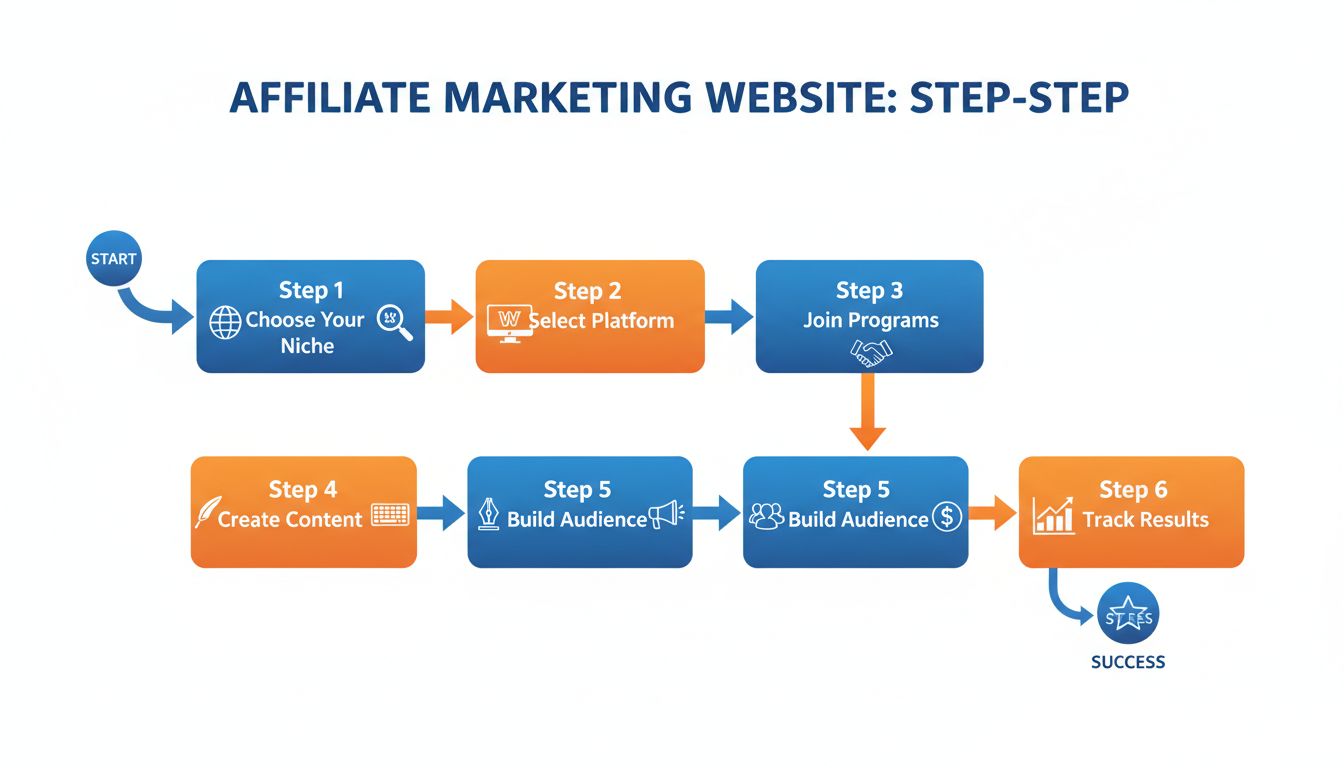
You now have everything needed to start your affiliate marketing journey. Here’s your action plan: First, choose your niche based on genuine interest and market demand. Second, select your platform—blog, YouTube, Instagram, or TikTok—where you’re most comfortable creating. Third, find 2-3 affiliate programs in your niche that align with your audience’s needs. Fourth, create your first piece of content—a product review, tutorial, or comparison guide—and include your affiliate links. Fifth, build your audience through consistent, valuable content and genuine engagement.
The beautiful truth about affiliate marketing is that you don’t need a massive following to start earning. Many successful affiliates began with just a few hundred readers or followers. What matters is creating content that genuinely helps people and recommending products you truly believe in. Start small, stay consistent, and scale as you learn what works for your specific audience.
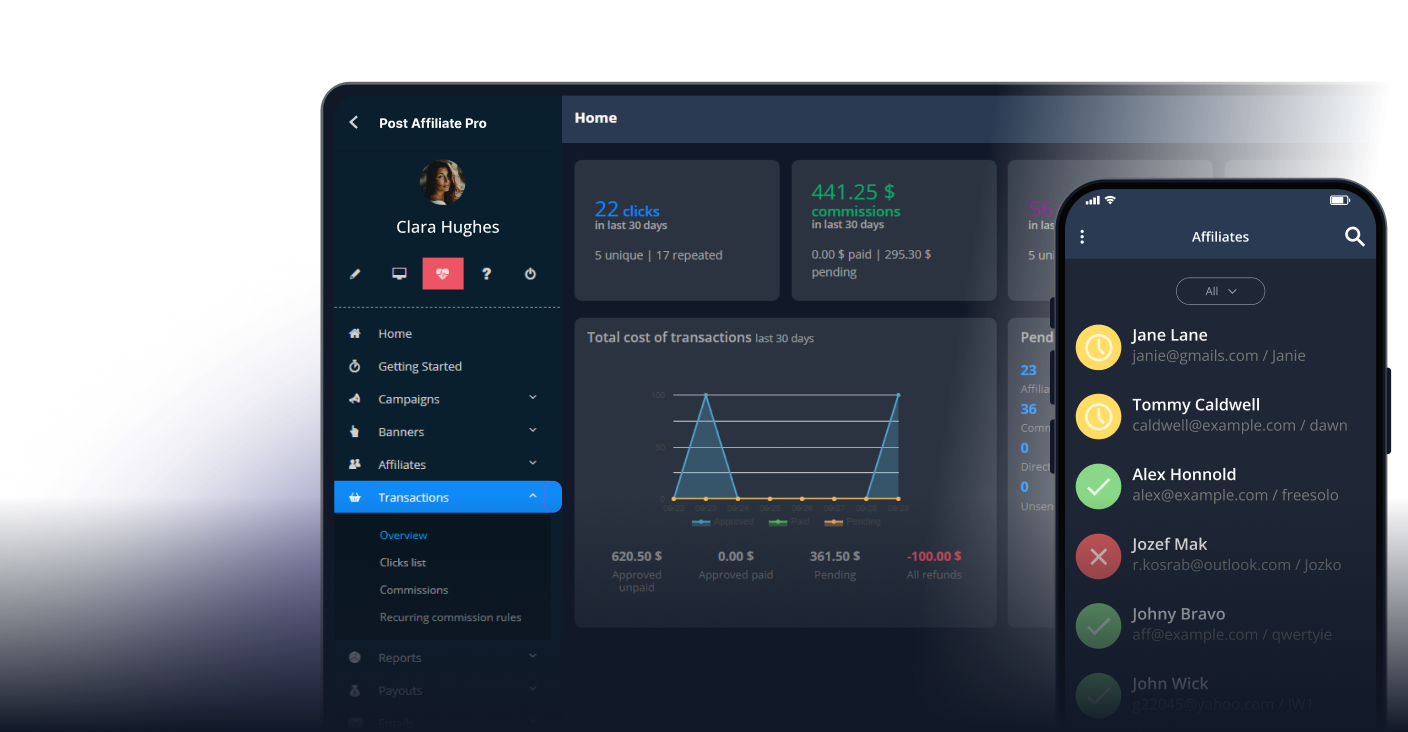
Ready to turn your passion into passive income? PostAffiliatePro provides the tools and infrastructure to manage your affiliate marketing business professionally, track your earnings accurately, and scale your income efficiently. Whether you’re just starting or looking to optimize your existing affiliate programs, PostAffiliatePro helps you manage commissions, track conversions, and grow your affiliate network with ease.
Affiliate income varies widely based on your audience size, engagement rates, and product selection. Beginners might earn $100-500 monthly, while experienced affiliates with engaged audiences can earn $5,000-50,000+ monthly. Some top performers earn six figures annually. The key is building trust with your audience and promoting products that genuinely solve their problems.
While a website or blog is ideal for SEO and long-term growth, you can start affiliate marketing on social media platforms like Instagram, TikTok, or YouTube. However, owning your platform (website or email list) gives you more control and independence from algorithm changes.
Most affiliates see their first commission within 3-6 months of consistent effort. However, building a sustainable income typically takes 6-12 months of creating quality content, building an audience, and optimizing your strategy. Success depends on your niche, content quality, and marketing efforts.
Amazon Associates is the most beginner-friendly due to its massive product selection and easy signup process. However, specialized programs in your niche often offer higher commissions (20-50%) and better conversion rates. Start with 1-2 programs you genuinely believe in rather than joining dozens.
Yes, you can promote multiple programs, but start with 1-2 products you genuinely love. As you grow, you can expand to more programs. The key is maintaining authenticity—only promote products that truly serve your audience's needs, not every product available.
The FTC requires clear disclosure of affiliate relationships. Use statements like 'This post contains affiliate links. I earn a commission from qualifying purchases at no extra cost to you.' Place disclosures prominently at the beginning of content, in video descriptions, or in your social media bio.
Unlike display ads (which pay per impression), affiliate marketing pays only for actual sales or leads. Unlike sponsored content (where brands pay upfront), affiliate marketing is performance-based. This makes it lower-risk for you but requires building trust and creating quality content that converts.
Most affiliate programs provide dashboards showing clicks, conversions, and earnings. Use URL shorteners or link management tools like Lasso to organize and track your links. Monitor which content drives the most sales and optimize accordingly. Many programs also offer APIs for advanced tracking.
PostAffiliatePro provides the complete solution for managing affiliate programs, tracking commissions, and scaling your affiliate network with ease. Start building your affiliate business today with industry-leading software.
Learn how to start an affiliate marketing website from scratch. Step-by-step guide covering niche selection, platform setup, affiliate programs, content creatio...
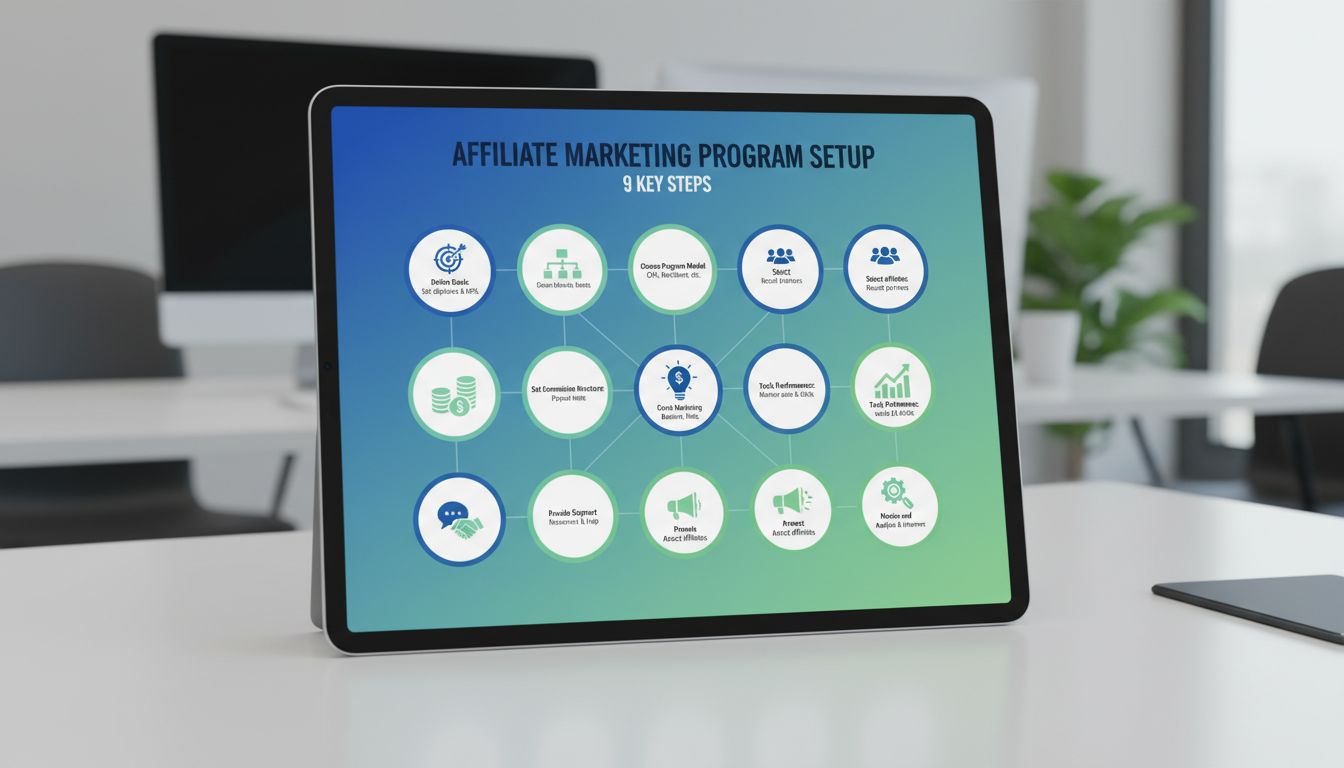
Learn how to set up a successful affiliate marketing program with our comprehensive guide. Discover the 9 essential steps from goal setting to performance optim...

Learn how to start affiliate marketing as a beginner in 2025. Discover the essential steps: choose your niche, select a platform, join programs, and create high...
Join our community of happy clients and provide excellent customer support with Post Affiliate Pro.



Cookie Consent
We use cookies to enhance your browsing experience and analyze our traffic. See our privacy policy.