




What is a Subdomain Example? Complete Guide to Subdomain Structure
Learn what a subdomain example is with detailed explanations. Discover how subdomains like blog.example.com work, their uses, and best practices for your websit...
10 min read

Get your
33% off
+ free AI Agent
Discover what subdomains are, how they affect SEO, and why they’re essential for website organization and affiliate marketing strategies.
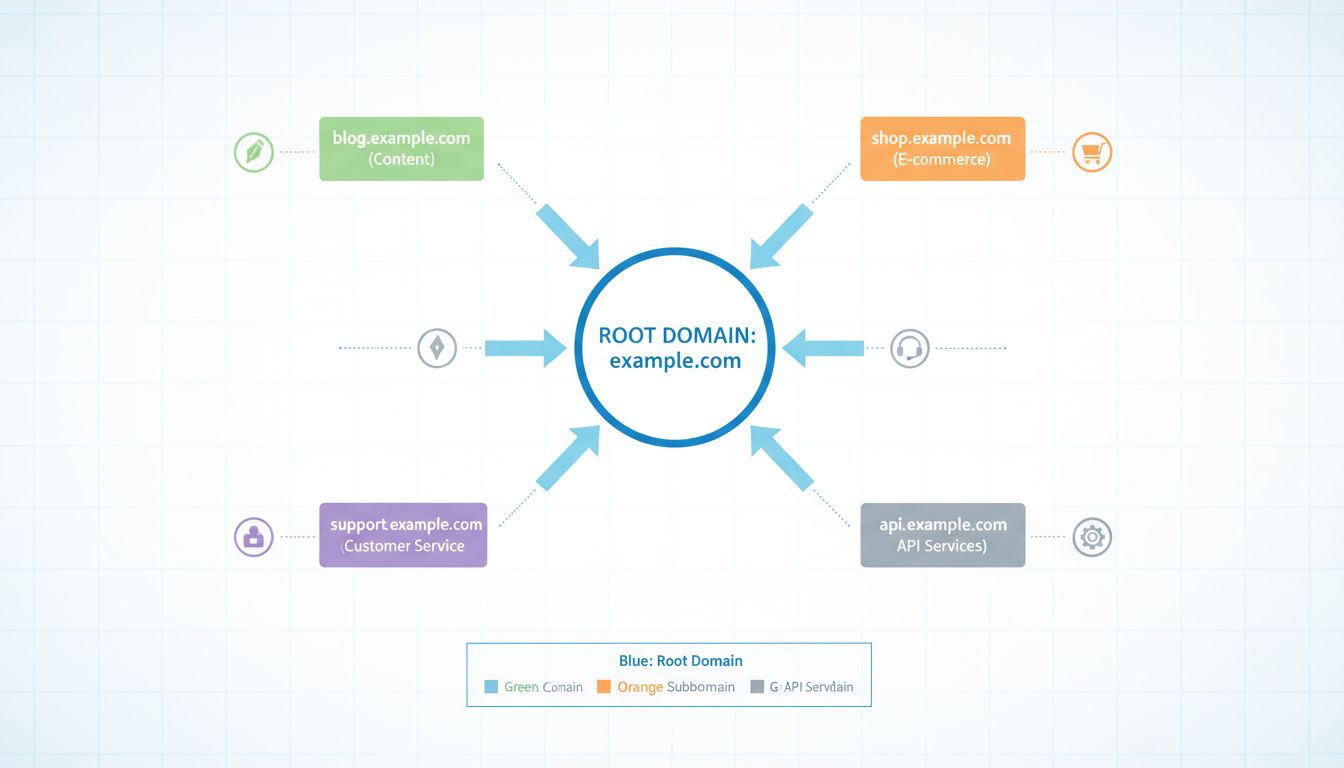
A subdomain is a subset of a larger domain name and serves as an extension or an add-on to your main domain. It acts as a separate DNS zone under the primary parent domain, allowing you to organize and separate content on your website while maintaining a connection to the main domain.
In URL structure, a subdomain precedes the second-level domain (SLD) and the top-level domain (TLD). For instance, in the URL blog.example.com, blog is the subdomain, example is the SLD, and .com is the TLD. This enables distinct sections of a website to have unique content, design, and functionality, which enhances user experience
by keeping different functional parts of the website separate.
Subdomains play a pivotal role in web organization and strategy. They offer flexibility and can be used for various purposes, particularly when a website grows in complexity or when different sections require distinct settings or purposes. Here are some key advantages:

Set up advanced tracking in minutes. No credit card required.
In the affiliate marketing realm, subdomains can be a crucial component of a successful strategy. Here’s how they contribute:
smile.amazon.com, which donates a portion of purchases to charity.blog.website.com to separate them from their main offerings.support.website.com, providing users with easy access to help resources.Creating a subdomain is generally straightforward and can be accomplished through your web hosting provider’s control panel, typically using cPanel or a similar interface. Here’s a basic step-by-step guide:
Understanding the difference between a subdomain and a subdirectory is crucial for strategic planning:
Subdirectories (example.com/subdirectory) are part of the main website’s structure, sharing authority and SEO benefits with the main domain.
Subdomains (subdomain.example.com) are treated as separate websites by search engines, suitable for distinctly different sections.
Master the fundamentals and advanced strategies of affiliate marketing with our comprehensive glossary and practical guides.
Learn what a subdomain example is with detailed explanations. Discover how subdomains like blog.example.com work, their uses, and best practices for your websit...
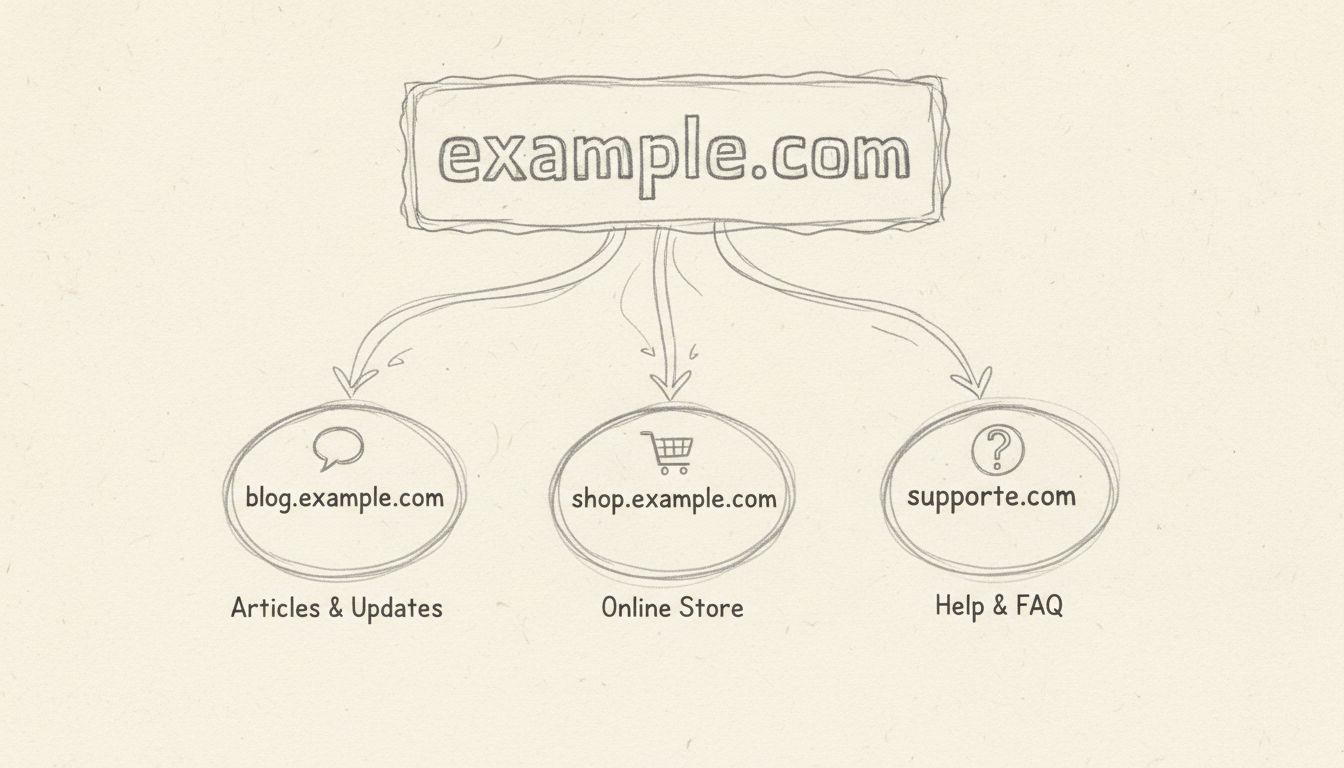
Learn whether a subdomain is a separate website. Discover how subdomains work, their relationship to main domains, and when to use them for your affiliate marke...
The root domain is the top of the domain hierarchy, including the domain name and its TLD, and is crucial for brand identity, SEO, and affiliate marketing. Lear...
Join our community of happy clients and provide excellent customer support with Post Affiliate Pro.



Cookie Consent
We use cookies to enhance your browsing experience and analyze our traffic. See our privacy policy.