


Cookieless Affiliate Tracking
In affiliate marketing, cookieless affiliate tracking attributes referrals without relying on an affiliate cookie for the relevant identification step.
4 min read
AffiliateMarketing
Glossary
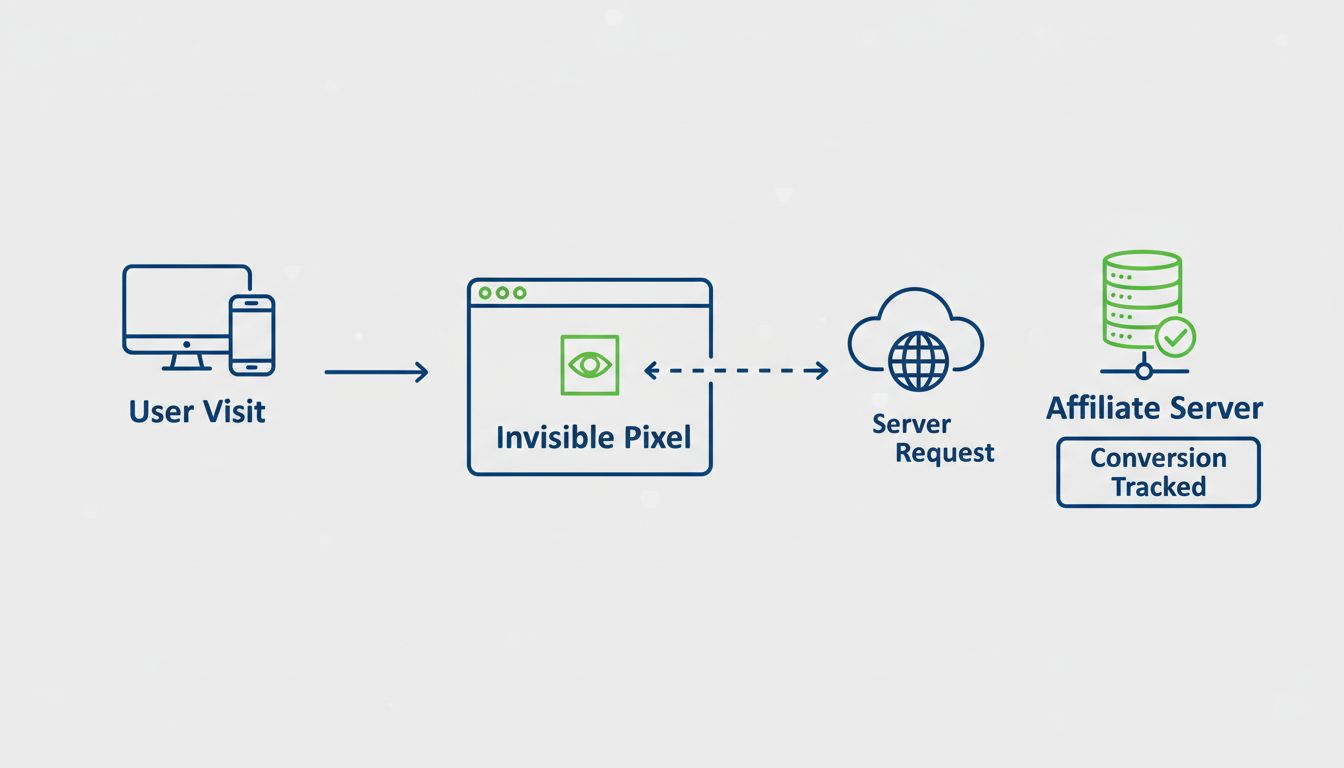
In affiliate marketing, server-to-server tracking, or postback tracking, records affiliate conversions through a request from one server to another. A referral identifier captured earlier connects the conversion to the affiliate. It reduces dependence on a browser firing a conversion pixel, but still depends on reliable identifiers, integration, and applicable privacy requirements.
In affiliate marketing, server-to-server tracking, or postback tracking, records affiliate conversions through a request from one server to another. A referral identifier captured earlier connects the conversion to the affiliate. It reduces dependence on a browser firing a conversion pixel, but still depends on reliable identifiers, integration, and applicable privacy requirements.
The referral identifier is captured before the conversion and stored where the order or customer process can retrieve it. The postback then sends the required identifier and event details to the tracking system. An authenticated server request is useful only if the business event and attribution data are correct.

Set up advanced tracking in minutes. No credit card required.
| Aspect | Browser pixel | Server-to-server event |
|---|---|---|
| Delivery source | Visitor’s browser | Merchant or integration server |
| Possible delivery issue | Blocked request, page not loaded, script failure | Timeout, rejected request, integration failure |
| Referral requirement | Supported browser or supplied referral context | Captured and retained referral identifier |
| Duplicate protection | Stable conversion identity | Stable conversion identity |
An affiliate referral creates click ID click-42. The merchant stores it with order order-1042. After a qualifying payment, the server sends an event with those identifiers and the eligible amount. The tracker applies attribution and commission rules and returns the integration’s supported response.
If the request times out, a retry may be needed. The repeated event must reference the same action so conversion deduplication can prevent another sale commission. A later refund should be an adjustment to the original sale.
Be the first to know about new features and product updates.
Reconcile the source transactions against the tracker. A delivery log confirms a request’s outcome, but it does not establish that all eligible referrals were captured.
The sender and receiver must agree on field names, HTTP method, value format, and event type. A click identifier called click_id in one system will not automatically populate a different receiver field. Preserve its exact value through redirects and checkout, then test the receiver’s recorded result.
Do not put production secrets into example links. Use the authentication mechanism supported by the integration and keep sensitive values in appropriate server configuration. Post Affiliate Pro’s sale tracking protection guidance is a product-specific reference, not a universal postback protocol.
Stripe’s webhook guidance provides examples of duplicate and delayed event handling. Use the affiliate receiver’s actual protocol for success responses and retry behavior.
It proves only what the response and receiver record establish. The request may have reached the endpoint yet failed validation, lacked an eligible affiliate, or created a pending rather than approved commission. Inspect the recorded event and amount. Technical delivery, attribution, business eligibility, and payout are separate stages that need separate checks.
Capture the click or referral identifier at the landing stage and carry it into the customer or order record. When an eligible conversion occurs, the commerce system sends that identifier with a stable transaction ID and the required event details to the tracker.
Authenticate requests using the integration’s supported mechanism and keep credentials out of public URLs and client code. Define what a successful response means, queue failures for retry, and record delivery results. Retrying a request must not create a second commission for the same eligible conversion.
Test lost identifiers, delayed events, duplicate deliveries, refunds, and subscription renewals. Server-side delivery solves one part of the journey; it does not recover referral data that was never captured or authorize processing that lacks the necessary permission.
For the corresponding Post Affiliate Pro settings, consult the s2s tracking documentation . Confirm the configuration and integration requirements against your program’s rules.
Capture the referral
Retain the referral identifier from the landing journey.Record the conversion
Associate the identifier with the eligible order or billing event.Deliver the postback
Send the event using the integration’s required fields and authentication.Reconcile
Handle retries, duplicates, refunds, and missing events against the source records.Explore Post Affiliate Pro’s tracking, commission settings, and partner management tools.
In affiliate marketing, cookieless affiliate tracking attributes referrals without relying on an affiliate cookie for the relevant identification step.
Affiliate tracking records clicks and attributes conversions to the right partner so commissions are accurate. Learn how it works.
Learn when to use pixel tracking in Post Affiliate Pro for accurate affiliate conversion tracking. Discover pixel tracking benefits, implementation methods, and...
Join our community of happy clients and provide excellent customer support with Post Affiliate Pro.




Cookie Consent
We use cookies to enhance your browsing experience and analyze our traffic. See our privacy policy.