


Multi-Tier Commissions
Learn what multi-tier commission means, how it works, and which calculation, tracking, or program rules affect affiliate results.
4 min read
AffiliateMarketing
Glossary
In affiliate marketing, performance-based commission tiers increase or otherwise change an affiliate’s commission rate when they meet defined results, such as approved sales or eligible revenue. The tiers describe that affiliate’s own performance bands, rather than their position in an upline or downline.
In affiliate marketing, performance-based commission tiers increase or otherwise change an affiliate’s commission rate when they meet defined results, such as approved sales or eligible revenue. The tiers describe that affiliate’s own performance bands, rather than their position in an upline or downline.
A performance tier changes compensation after an affiliate reaches a defined sales, revenue, or other approved-result threshold. The measure should reflect the program’s actual objective. A click threshold may reward volume without demonstrating customer value; approved revenue can provide a different incentive.

Set up advanced tracking in minutes. No credit card required.
| Model | How the higher rate is applied |
|---|---|
| Prospective | Eligible transactions after qualification use the new rate |
| Incremental | Only the portion above a stated threshold uses the higher rate |
| Retroactive | Eligible results for a defined period are recalculated at the new rate |
A program can use calendar periods, rolling periods, or retained qualification. State the time zone and which transaction date determines inclusion. Also clarify whether a return lowers the qualifying total or triggers recalculation of commissions already created.
If a partner moves between commission groups , establish which rule takes precedence. Keep the qualification history and effective rate on the transaction so an administrator can explain a later adjustment.
Be the first to know about new features and product updates.
Tiers can make sense when additional approved sales justify a higher acquisition cost and partners have a realistic path to the next band. Model the cost of affiliates crossing the threshold, not only the base rate. An unreachable threshold offers little practical incentive; an overly generous threshold can erode contribution margin.
Use a flat rate when simplicity matters more than differentiated incentives. A separate bonus commission can reward a particular milestone without changing every subsequent sale’s rate.
Estimate how higher commission rates affect contribution margin at each performance band. Include bonuses, recurring commissions, product costs, and expected adjustments. A structure that pays a higher commission on every purchase after qualification can cost more than an incremental model, even when both advertise the same top rate.
The reward should incentivize a useful result: approved revenue, suitable new customers, or another verified outcome. If subscription lifetime value varies sharply by channel, compare retained customers rather than rewarding the largest raw signup count.
Post Affiliate Pro’s performance rewards documentation describes configuration options for incentives and related actions. The available action must match the commission model you intend to run.
Tiered commissions can reward sustained promotion and make the next target visible. They can also make income less predictable when qualification resets or a refund changes the approved total. Review the effective date before committing to a campaign, and do not assume that higher output creates a higher rate unless the stated conditions are met.
For influencer promotions, the FTC’s disclosure guide explains disclosure considerations. A performance incentive does not remove the need to make the commercial relationship clear.
Define the qualification metric, measurement period, rate bands, and reset rule. Use approved results when refunds or invalid orders would otherwise inflate qualification. Explain whether a higher rate applies only to later transactions, only to the portion above a threshold, or retroactively to all eligible sales in the period.
For an illustrative plan paying 10% on the first $1,000 of approved revenue and 15% on the next $1,000, $2,000 of revenue creates $250 in commissions. A retroactive 15% rate across the whole $2,000 would create $300. Neither model is inherently required by the term “tier.”
Before launch, estimate the higher incentive’s cost and test a refund that moves an affiliate below the threshold. Tell partners when their new rate starts and when the next review occurs. A visible progress report can make the reward easier to understand than a rate table alone.
For the corresponding Post Affiliate Pro settings, consult the performance rewards documentation . Confirm the configuration and integration requirements against your program’s rules.
Explore Post Affiliate Pro’s tracking, commission settings, and partner management tools.
Learn what multi-tier commission means, how it works, and which calculation, tracking, or program rules affect affiliate results.
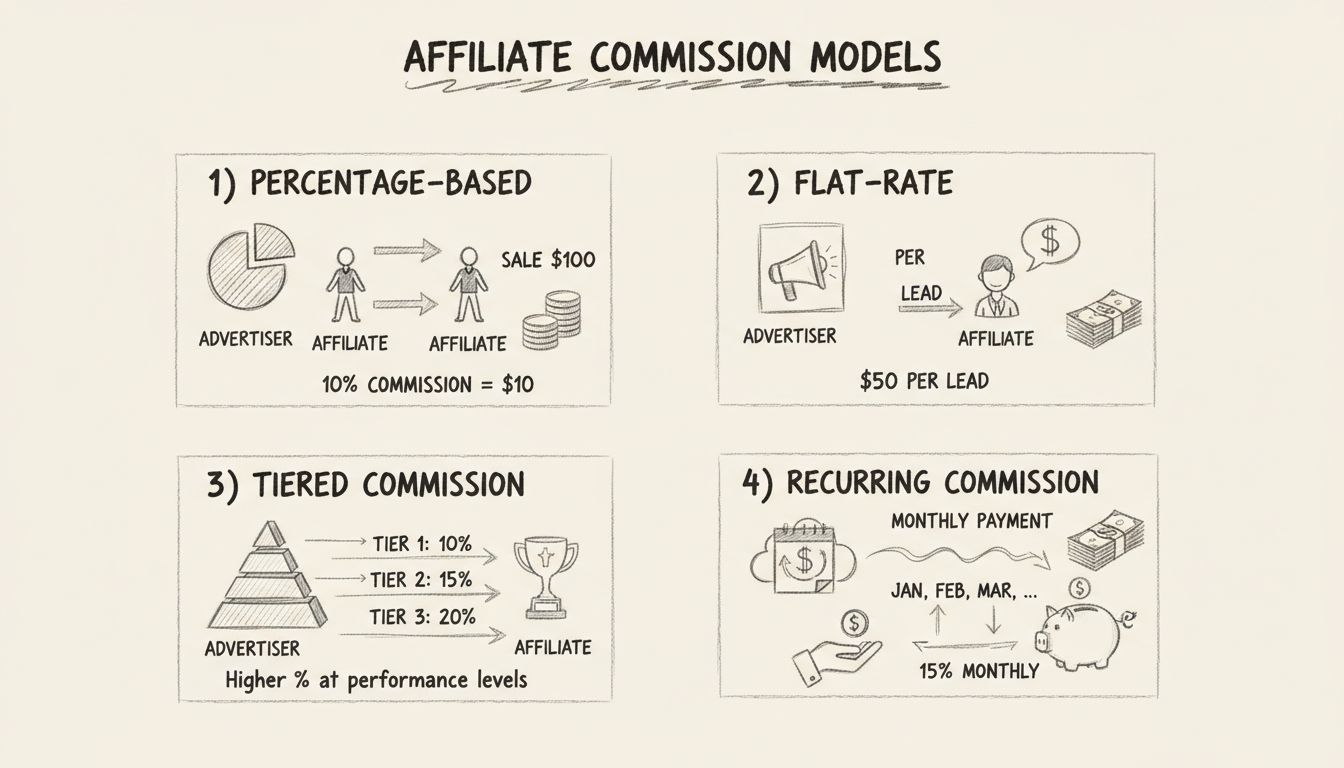
Learn what commission is in affiliate marketing, how it works, different commission models (percentage-based, flat-rate, tiered, recurring), and how to choose t...
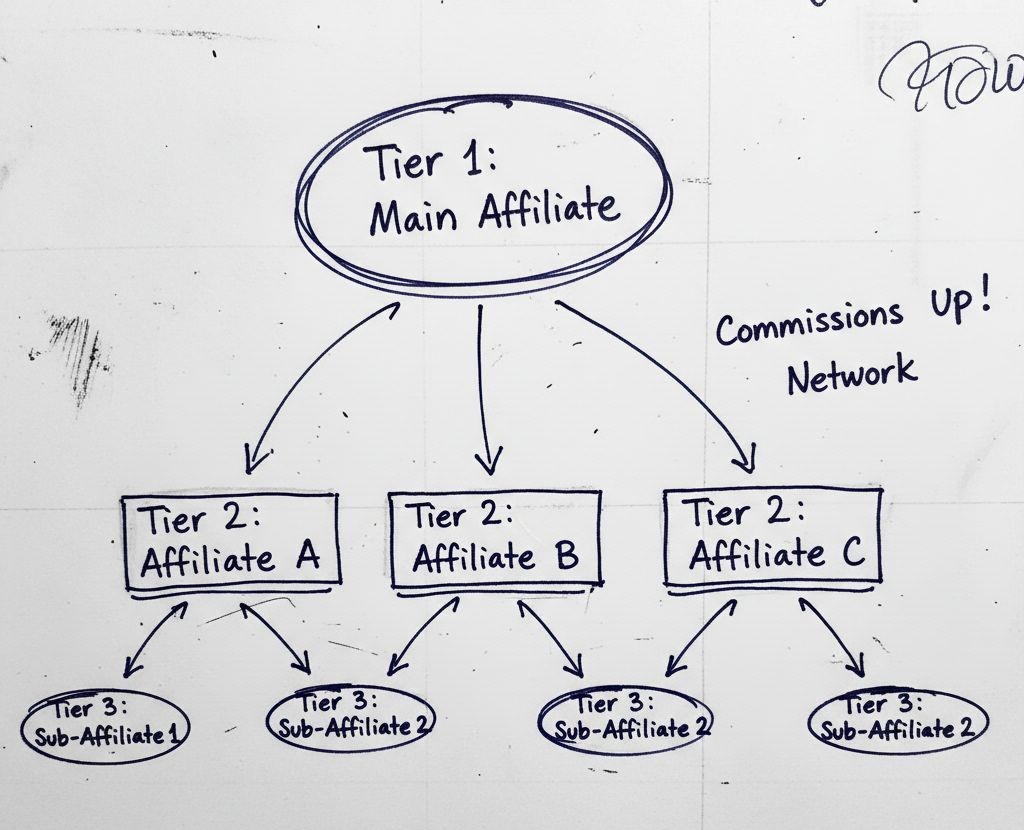
Discover why multi-tier commission structures are essential for affiliate program growth. Learn how tiered commissions incentivize recruitment, drive sales, and...
Join our community of happy clients and provide excellent customer support with Post Affiliate Pro.




Cookie Consent
We use cookies to enhance your browsing experience and analyze our traffic. See our privacy policy.