


Commission Approval
Learn what commission approval means, how it works, and which calculation, tracking, or program rules affect affiliate results.
4 min read
AffiliateMarketing
Glossary
In affiliate marketing, a commission holding period is the time a tracked commission remains unavailable for payout while the merchant checks eligibility or allows for returns and other adjustments. It may be called a locking period or validation window. Its start point and release conditions must be defined by the program.
In affiliate marketing, a commission holding period is the time a tracked commission remains unavailable for payout while the merchant checks eligibility or allows for returns and other adjustments. It may be called a locking period or validation window. Its start point and release conditions must be defined by the program.
A hold gives the merchant time to confirm payment, delivery, customer eligibility, and return or cancellation status. It can also allow investigation of unusual referral activity before funds are transferred. A hold does not itself perform those checks; the integration or review process must do so.

Set up advanced tracking in minutes. No credit card required.
| Rule | Question it answers |
|---|---|
| Holding period | When can this recorded commission become payable? |
| Earning duration | How long can this referred customer’s transactions earn commission? |
| Payout threshold | How much eligible balance is needed before payment? |
| Payment schedule | When are eligible balances submitted for payment? |
Affiliates paying for traffic incur costs before their commissions may become payable. Build forecasts around the complete validation and payment timeline rather than the date a sale appears in the dashboard. A longer hold can require more working capital even when the headline commission rate is unchanged.
For the merchant, shortening the hold can improve payment speed but leave more returns unresolved at release. Use observed source transaction data and the refund policy to choose an appropriate setting.
Be the first to know about new features and product updates.
The program may reverse a pending commission, adjust a future balance, or apply another disclosed policy. A cancellation does not necessarily invalidate a previously paid, eligible billing cycle. Keep the original transaction and adjustment linked, and tell partners how partial refunds or late disputes affect their accounts.
Consider the refund window, payment confirmation, fulfillment, and fraud-review process. A service booked now but delivered later may require a different start event from an immediately delivered digital purchase. Publish that distinction so partners can forecast when an eligible commission may clear.
This sequence can involve several systems. A payment provider’s payout states describe transfer outcomes, whereas the merchant’s hold describes commission eligibility. Do not combine those two clocks in a single unexplained status.
Assume an illustrative $100 commission clears a 30-day hold on day 31 and enters the next payment run on day 45. The affiliate has waited 44 days from recording to submission even though the advertised hold is 30 days. Provider processing can add another delay.
If promotion cost $60 before the sale, that cost must be funded during the wait. Compare offers using the complete expected timeline and eligible net earnings, not only the headline rate. Post Affiliate Pro’s payout-notification guidance also distinguishes recorded payout communications from the external movement of money.
Consider an illustrative order recorded on day 1 with a 30-day hold. If the order remains eligible, the commission can become payable after that hold ends. If the merchant’s next payout batch is on day 45, the transfer still happens later. A hold is not a promise of payment on its final day.
Set the duration using the actual refund policy, payment confirmation process, and review workload. Explain whether the hold starts at purchase, fulfillment, or another event. For subscriptions, clarify whether each renewal starts its own hold.
Document partial refunds, disputes arriving after release, and cancellation of pending commissions. If late reversals affect a future balance, disclose that policy before partners promote the offer. Show pending and payable amounts separately so a long hold is not mistaken for missing sales.
For the corresponding Post Affiliate Pro settings, consult the filtering rules plugins documentation . Confirm the configuration and integration requirements against your program’s rules.
Explore Post Affiliate Pro’s tracking, commission settings, and partner management tools.
Learn what commission approval means, how it works, and which calculation, tracking, or program rules affect affiliate results.
A commission period, or earning duration, is the span during which a referred customer’s eligible transactions can generate affiliate commissions.
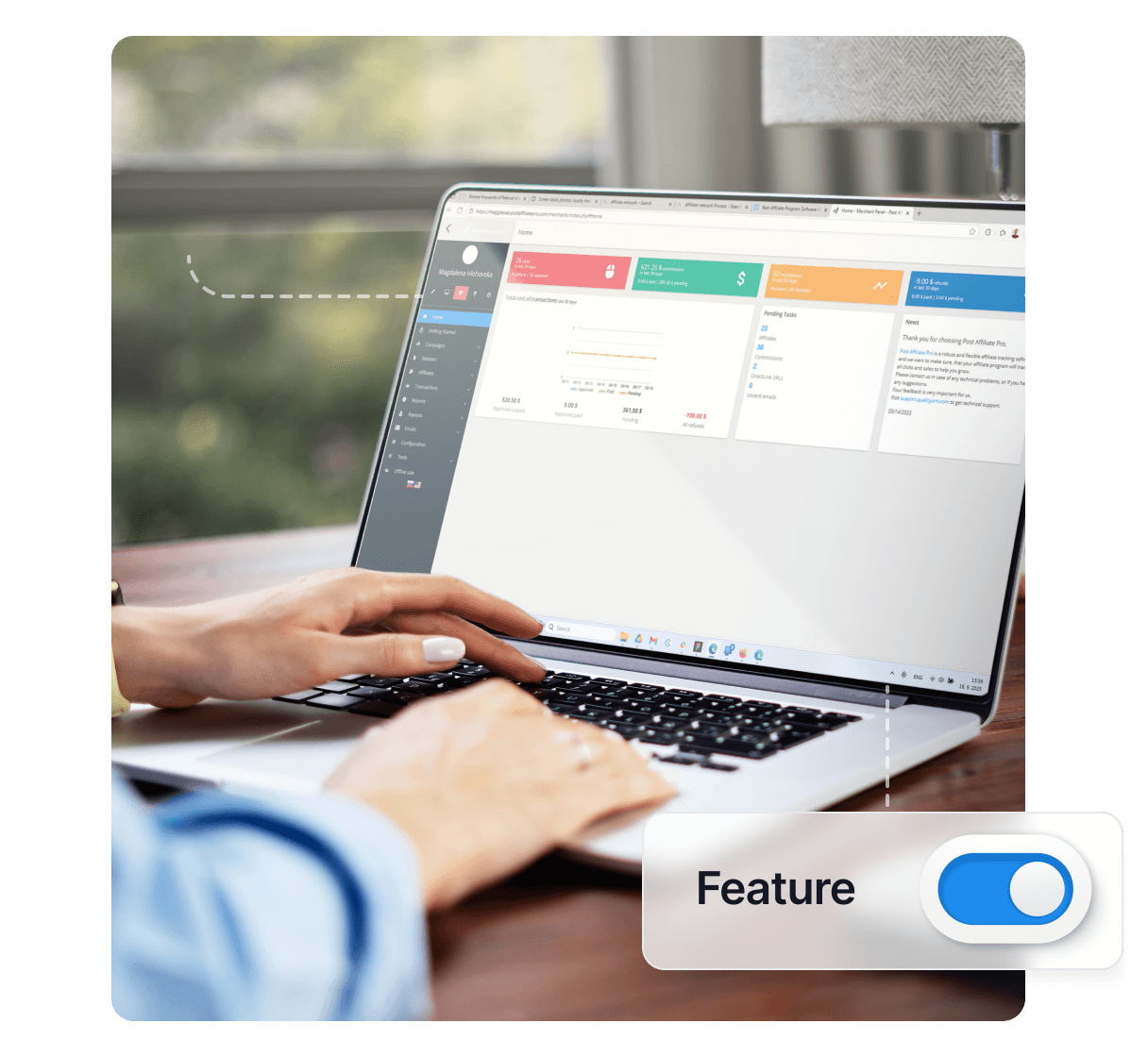
Master advanced commission configuration in Post Affiliate Pro including approval types, recurrence settings, negative carryover, variable tier commissions, and...
Join our community of happy clients and provide excellent customer support with Post Affiliate Pro.




Cookie Consent
We use cookies to enhance your browsing experience and analyze our traffic. See our privacy policy.