


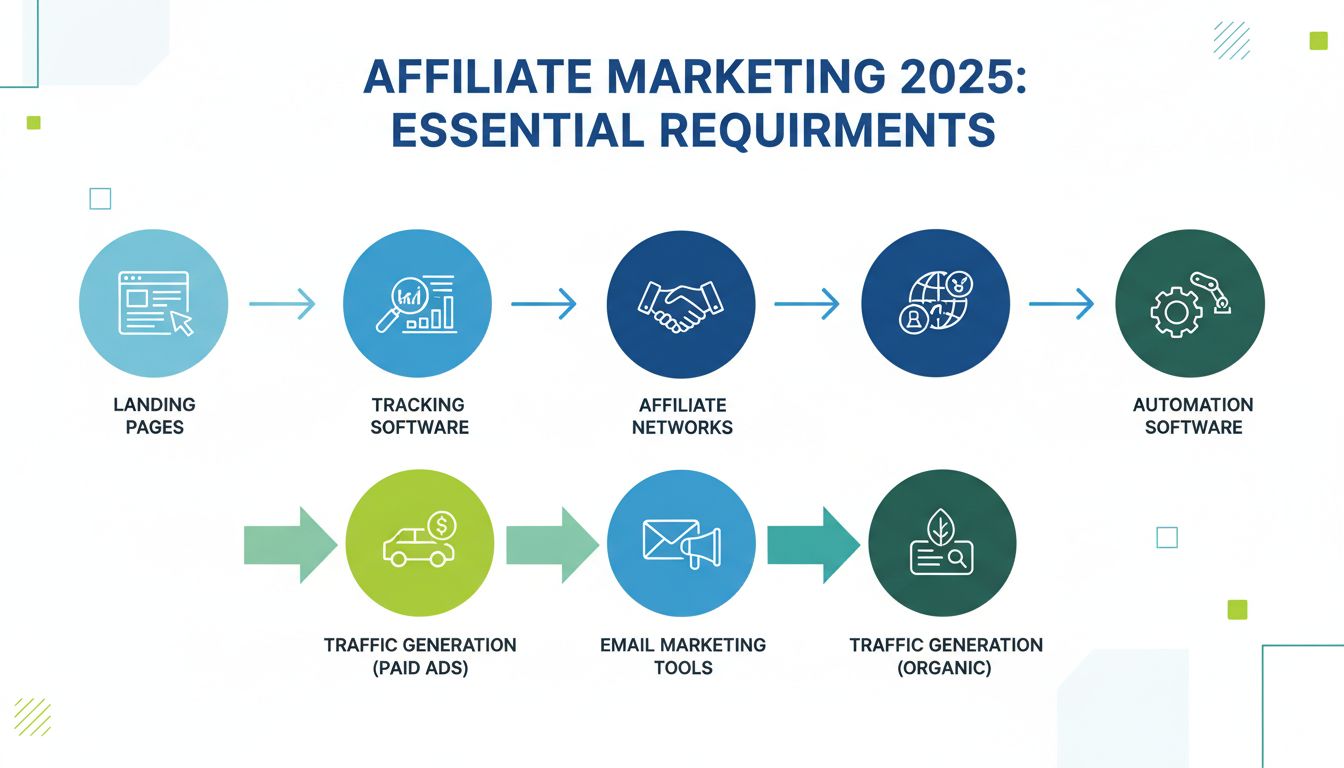
What Do I Need to Start Affiliate Marketing? Complete 2025 Guide
Learn the essential requirements to start affiliate marketing in 2025. Discover what technical skills you need, which tools to use, and how to outsource tasks w...
8 min read
Learn whether coding is necessary for affiliate marketing. Discover which technical skills matter, how to start without coding experience, and why PostAffiliatePro is the best platform for managing your affiliate business efficiently.
No, affiliate marketing does not require coding skills to get started. You can launch a successful affiliate business using user-friendly platforms like WordPress, Wix, and Squarespace without writing a single line of code. However, basic technical knowledge such as website management, analytics interpretation, and fundamental SEO understanding will significantly enhance your ability to scale and optimize your affiliate campaigns for better results.
The short answer is clear: no, you do not need to know how to code to start affiliate marketing. Thousands of successful affiliate marketers operate thriving businesses without any programming background whatsoever. However, understanding this question more deeply reveals that while coding isn’t mandatory, certain technical competencies can dramatically accelerate your success and profitability in this space. The distinction between “required” and “beneficial” is crucial for anyone considering entering the affiliate marketing industry.
When discussing technical requirements for affiliate marketing, it’s important to separate the truly essential skills from the nice-to-have ones. The most successful affiliate marketers focus on practical technical knowledge rather than programming expertise. Website management stands as the primary technical skill you’ll need to develop, as it forms the foundation of your affiliate presence. Platforms like WordPress, Wix, Squarespace, and Shopify have democratized website creation, allowing non-technical users to build professional, conversion-optimized sites in hours rather than weeks. These platforms provide drag-and-drop interfaces, pre-built templates, and plugin ecosystems that handle complex functionality without requiring code.
Analytics and performance tracking represents another critical technical competency that separates amateur affiliates from professionals. Understanding how to navigate Google Analytics, affiliate dashboard reporting systems, and conversion tracking tools is essential for making data-driven decisions about your campaigns. You need to interpret metrics like click-through rates (CTR), conversion rates, earnings per click (EPC), and return on ad spend (ROAS) to identify which content performs best and where to invest your efforts. PostAffiliatePro excels in this area by providing comprehensive, easy-to-understand dashboards that track every aspect of your affiliate performance without requiring technical expertise.
Search Engine Optimization (SEO) knowledge has become increasingly important for affiliate marketers, though it doesn’t require coding skills. Understanding keyword research, on-page optimization, meta tags, and content structure helps your affiliate content rank higher in search results, driving more qualified traffic to your offers. Tools like Yoast SEO for WordPress simplify technical SEO implementation, guiding you through optimization without requiring HTML or CSS knowledge. The ability to optimize your content for search engines can increase your organic traffic by 300-500%, directly impacting your affiliate earnings.
| Technical Skill | Importance Level | Coding Required | Learning Curve | Impact on Earnings |
|---|---|---|---|---|
| Website Management | Critical | No | Low (1-2 weeks) | Very High |
| Analytics & Tracking | Critical | No | Medium (2-4 weeks) | Very High |
| SEO Fundamentals | High | No | Medium (3-6 weeks) | High |
| Email Marketing | High | No | Low (1-2 weeks) | High |
| Link Management Tools | Medium | No | Low (1 week) | Medium |
| Basic HTML/CSS | Low | Yes | High (4-8 weeks) | Low-Medium |
| JavaScript | Very Low | Yes | Very High (8+ weeks) | Very Low |

Set up advanced tracking in minutes. No credit card required.
While coding isn’t necessary to launch your affiliate marketing business, certain programming skills can provide competitive advantages as you scale. Basic HTML and CSS knowledge allows you to customize your website beyond template limitations, fix formatting issues in email campaigns, and adjust landing page layouts for better conversion rates. Many successful affiliate marketers learn just enough HTML to modify meta descriptions, adjust heading tags for SEO, or tweak button styling without becoming full developers. This level of technical knowledge typically takes 2-4 weeks to acquire through online courses and can increase your conversion rates by 10-20%.
JavaScript fundamentals become relevant when you want to implement advanced tracking scripts, create interactive product comparison tools, or integrate third-party widgets that enhance user experience. However, this is definitely in the “nice-to-have” category rather than essential. Most affiliate marketers use no-code solutions like Google Tag Manager to implement tracking without writing JavaScript. SQL or database query basics prove valuable if you want to analyze large datasets from your affiliate programs or create custom reports that go beyond standard dashboard metrics. Again, this is optional but can provide insights that give you a competitive edge.
The reality is that PostAffiliatePro and similar affiliate management platforms have eliminated the need for most technical work. These platforms handle tracking, reporting, payment processing, and compliance automatically, allowing you to focus entirely on content creation and audience building—the activities that actually generate revenue.

Your choice of platform dramatically impacts the technical requirements you’ll face. WordPress remains the most popular choice for affiliate marketers because it offers maximum flexibility without requiring coding. With WordPress, you can install plugins like Yoast SEO, ThirstyAffiliates for link management, and MonsterInsights for analytics—all without touching a line of code. WordPress powers over 43% of all websites, and the affiliate marketing community has created thousands of resources, tutorials, and plugins specifically designed for this use case. The learning curve is minimal, typically requiring just a few hours to understand the basics of creating posts, managing plugins, and customizing your site’s appearance.
Wix and Squarespace offer even more beginner-friendly experiences with their visual builders and pre-built templates. These platforms handle all backend technical requirements, allowing you to focus entirely on content and design. The trade-off is less customization flexibility and potentially higher costs compared to self-hosted WordPress. Shopify works exceptionally well for affiliate marketers who want to build their own product line eventually, as it seamlessly integrates affiliate tracking with e-commerce functionality. Blogger and Medium provide free platforms for starting your affiliate journey with virtually zero technical setup required, though they offer limited customization and monetization options.
Be the first to know about new features and product updates.
A modern affiliate marketer’s technology stack includes several essential tools, none of which require coding knowledge. Email marketing platforms like Mailchimp, ConvertKit, and ActiveCampaign provide intuitive interfaces for building email lists and sending campaigns. These platforms handle all the technical complexity of email delivery, list management, and automation. Affiliate link management tools such as Pretty Links and ThirstyAffiliates allow you to cloak, organize, and track your affiliate URLs without touching code. These tools automatically generate clean, branded links that are easier to share and track than raw affiliate URLs.
Analytics and tracking tools form the backbone of data-driven affiliate marketing. Google Analytics 4 provides free, comprehensive website traffic analysis. Affiliate networks like PostAffiliatePro offer built-in dashboards that track clicks, conversions, and earnings in real-time. Content creation tools like Canva for graphics, Descript for video editing, and Grammarly for writing assistance help you produce professional content without technical skills. SEO tools including Ahrefs, SEMrush, and Ubersuggest provide keyword research and competitive analysis without requiring any coding knowledge—you simply input your target keywords and receive actionable insights.
The most important “technical” skill for affiliate marketers isn’t coding—it’s data literacy. You need to understand what your analytics are telling you and act on those insights. This means knowing how to interpret conversion rates, understanding what a good click-through rate looks like for your niche, and recognizing patterns in your audience behavior. For example, if you notice that 40% of your traffic comes from a specific blog post but only 2% of those visitors click your affiliate links, you know that post needs optimization. This analytical thinking is far more valuable than any coding skill.
Communication with technical teams becomes important as your affiliate business grows. Even without coding knowledge, you should understand basic web terminology so you can effectively communicate with developers or support teams when issues arise. Knowing the difference between your domain, hosting, and website builder; understanding what cookies are and how they track affiliate sales; and grasping the basics of how tracking pixels work will make you a more effective affiliate marketer. These concepts take a few hours to learn and provide enormous practical value.
As your affiliate business grows and generates significant revenue, you might encounter situations where basic coding knowledge would be valuable. Custom landing page optimization might require tweaking CSS to improve conversion rates. Advanced tracking implementation could benefit from JavaScript knowledge to track specific user interactions. Database analysis might help you identify your most profitable content and audience segments. However, at this stage, you have several options: hire a freelance developer, use no-code tools like Zapier and Make, or invest time in learning the specific skills you need.
The key insight is that coding should never be a barrier to entry for affiliate marketing. Thousands of six-figure affiliate marketers have built their businesses without ever writing code. PostAffiliatePro and similar platforms have abstracted away all the technical complexity, allowing you to focus on the activities that actually generate revenue: creating valuable content, building audience relationships, and optimizing your conversion funnels. Your time is better spent mastering copywriting, understanding your audience’s pain points, and developing SEO skills than learning to code.
Begin your affiliate marketing journey by choosing a beginner-friendly platform like WordPress.com, Wix, or Squarespace. These platforms provide everything you need to launch within 24 hours. Next, select an affiliate program in your niche—start with programs you already use and genuinely recommend. Join PostAffiliatePro or your chosen affiliate network to access tracking and reporting tools. Create your first piece of content: a product review, comparison guide, or tutorial that naturally incorporates your affiliate links. Finally, focus on driving traffic through SEO, social media, and email marketing—the non-technical activities that actually generate affiliate commissions.
The affiliate marketing industry has evolved to the point where technical barriers have essentially disappeared. Modern platforms, plugins, and tools have democratized the space, allowing anyone with dedication and good content to build a profitable affiliate business. Your success depends on your ability to understand your audience, create valuable content, and optimize based on data—not on your ability to write code. This accessibility is precisely why affiliate marketing has become one of the most popular ways to earn passive income online.
PostAffiliatePro provides everything you need to manage, track, and optimize your affiliate campaigns without requiring coding knowledge. Our intuitive platform handles all the technical complexity so you can focus on what matters most—building relationships with your audience and growing your commissions.
Learn the essential requirements to start affiliate marketing in 2025. Discover what technical skills you need, which tools to use, and how to outsource tasks w...

Are you looking for book recommendations to improve your affiliate management skills? Post Affiliate Pro has compiled a list of must-read books.
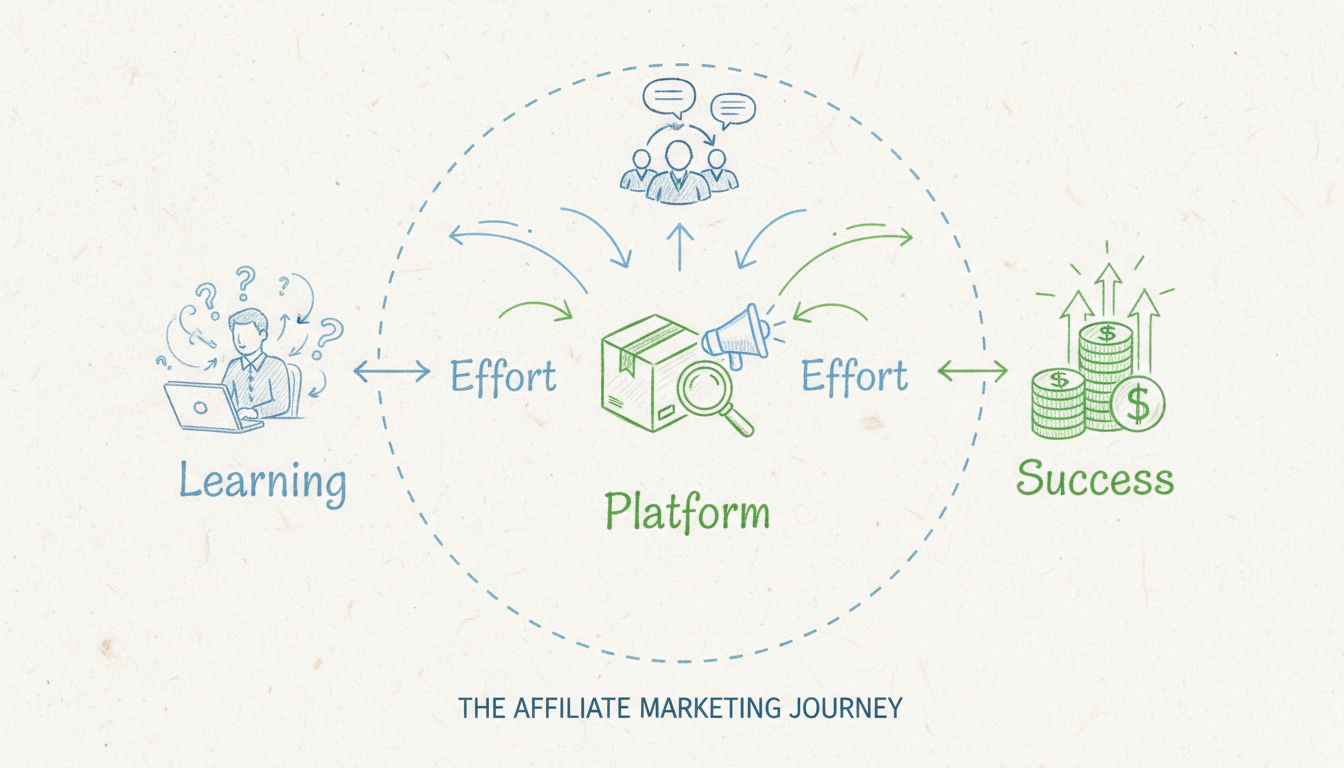
Discover if anyone can become an affiliate marketer. Learn the essential requirements, skills needed, and proven strategies to start your affiliate marketing jo...
Join our community of happy clients and provide excellent customer support with Post Affiliate Pro.




Cookie Consent
We use cookies to enhance your browsing experience and analyze our traffic. See our privacy policy.