



How Social Media Generates Backlinks for Affiliate Sites
how social media platforms drive backlinks for affiliate sites. platform-specific strategies, content tactics, and tools to amplify your affiliate marketing
8 min read
Discover how social media impacts SEO in 2025. Learn the difference between direct and indirect effects, why backlinks matter, and how to leverage social signals for better search rankings with PostAffiliatePro.
Yes, social media can enhance SEO by increasing content visibility and generating traffic, which can lead to more backlinks and improved rankings. While social media links are typically nofollow and don't directly pass SEO authority, they indirectly boost SEO through brand awareness, content distribution, and creating opportunities for earning quality backlinks from authoritative sources.
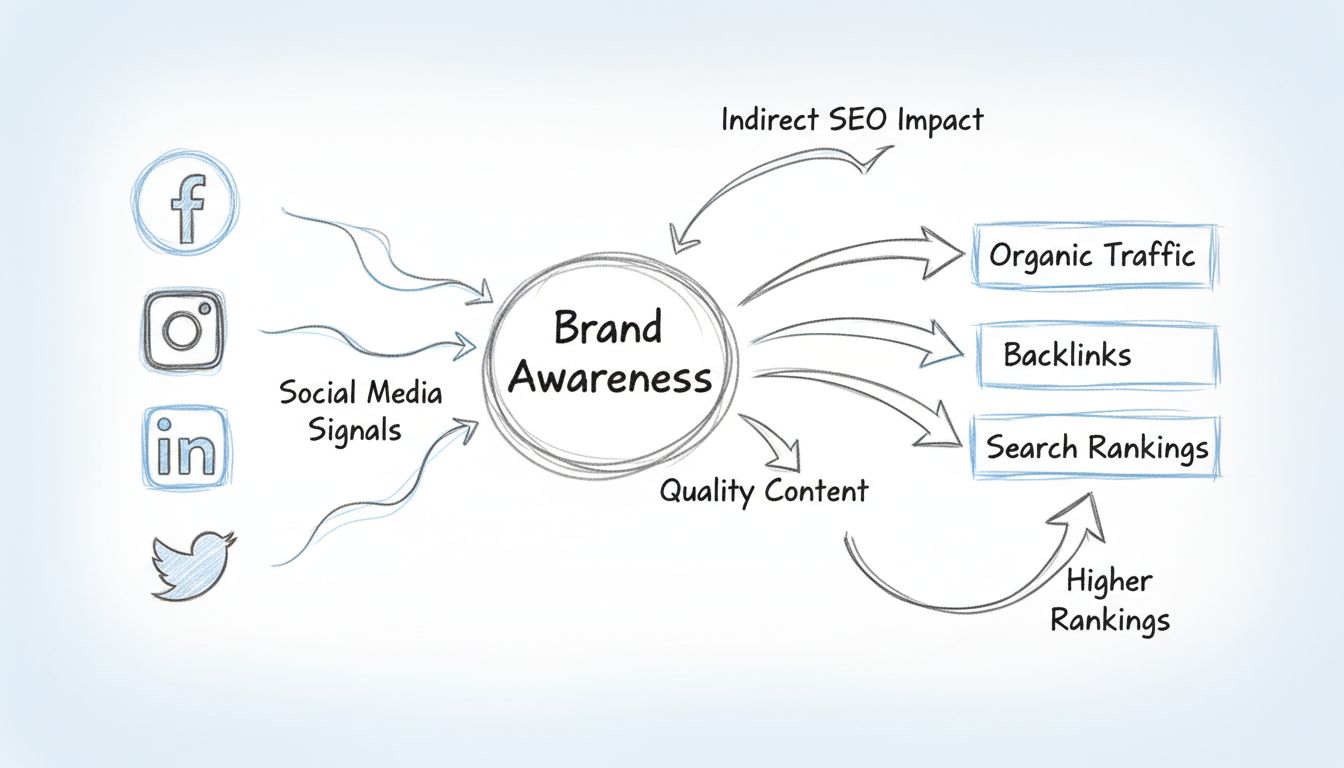
Social media’s relationship with search engine optimization is more nuanced than many marketers realize. While social media links themselves don’t directly contribute to your search rankings in the traditional sense, the platform plays a crucial indirect role in your overall SEO strategy. The distinction between direct and indirect SEO impact is essential for developing an effective digital marketing approach that leverages all available channels. Understanding this relationship helps businesses allocate resources more effectively and create integrated marketing strategies that maximize visibility across both social platforms and search engines.
One of the most common misconceptions about social media is that links shared on these platforms function as traditional backlinks for SEO purposes. In reality, the vast majority of social media links are tagged as “nofollow” links, which means they don’t pass authority or PageRank to your website. This distinction is critical because search engines like Google treat nofollow links differently than dofollow links in their ranking algorithms. According to Google’s own guidance, social signals are not direct ranking factors, though content from social media platforms can appear in search engine results pages (SERPs). Even when a social media platform does use dofollow links, Google’s algorithm is sophisticated enough to recognize and potentially ignore these links because they don’t represent genuine editorial endorsements from independent sources.
| Link Type | SEO Value | Source | Authority Transfer |
|---|---|---|---|
| Social Media Links | Minimal | Nofollow (mostly) | No direct authority |
| Editorial Backlinks | High | Dofollow | Full authority transfer |
| Guest Post Links | High | Dofollow | Full authority transfer |
| Directory Links | Low | Varies | Limited authority |
| Forum Links | Low | Nofollow (mostly) | No direct authority |
| Press Release Links | Medium | Dofollow | Partial authority |

Set up advanced tracking in minutes. No credit card required.
While social media links don’t directly improve your search rankings, the platform serves as a powerful indirect SEO tool through multiple mechanisms. The primary way social media impacts SEO is by building brand awareness and establishing your authority within your industry. When you consistently share valuable content on social platforms like LinkedIn, Facebook, Instagram, and Twitter, you’re creating opportunities for journalists, bloggers, and other content creators to discover your work. This increased visibility can lead to natural backlinks from high-authority websites, which are the types of links that genuinely improve your search rankings. Additionally, social media engagement signals—such as shares, comments, and discussions—can influence how Google’s Quality Raters evaluate your content and brand reputation.
Google’s Search Quality Rating Guidelines explicitly mention that evaluators should research the social media profiles of content creators and companies when assessing page quality. This means that a strong social media presence with active engagement and a positive reputation can indirectly influence how Google perceives your website’s credibility and authority. When your brand appears professional, active, and engaged on social platforms, it sends positive signals about your legitimacy and expertise. Furthermore, social media serves as a distribution channel that drives referral traffic to your website, and increased traffic can correlate with better search performance over time.
The fundamental building blocks of SEO consist of three critical components: content, code, and credibility. Social media directly supports all three of these pillars. Your content strategy should include social media as a distribution channel, ensuring that your best-performing content reaches the widest possible audience. The code aspect involves ensuring your website is properly optimized and that your social media profiles are integrated with your website using schema markup, which can help your profiles appear in knowledge panels on search results. Most importantly, social media contributes significantly to the credibility pillar by building your brand’s reputation and authority. When potential customers, journalists, and other websites see that you have an active, engaged social media following, it reinforces your position as a credible authority in your field.
Be the first to know about new features and product updates.
The most valuable way social media impacts SEO is by creating opportunities to earn genuine editorial backlinks. When you build a strong reputation on social platforms, you increase the likelihood that other content creators will naturally link to your work. For example, a well-researched article shared on LinkedIn might catch the attention of a journalist or blogger who then features your insights in their own content with a proper backlink. This is fundamentally different from the social media link itself; it’s the visibility and credibility you’ve built through social engagement that creates the opportunity for the backlink. The key is to focus on creating genuinely valuable content that people want to share and reference, then use social media as the primary distribution mechanism to get that content in front of the right audiences.
Quality backlinks from authoritative sources remain the most powerful SEO factor, and social media serves as the gateway to earning these links. When you consistently share expert insights, original research, and valuable resources on social platforms, you’re essentially building a portfolio of your expertise that attracts the attention of other industry professionals. These professionals are more likely to link to your content when they see that you’re an active, credible voice in your industry. Additionally, social media allows you to engage directly with journalists and bloggers through platforms like Twitter and LinkedIn, making it easier to pitch your content and build relationships that can lead to coverage and backlinks.
Google’s algorithm increasingly emphasizes E-E-A-T (Experience, Expertise, Authoritativeness, and Trustworthiness) when evaluating content quality. Social media plays a significant role in demonstrating all four of these factors. Your social media presence provides evidence of your experience in your field, showcases your expertise through the content you share, establishes your authoritativeness through your following and engagement, and builds trust through consistent, professional interactions with your audience. When Google’s Quality Raters evaluate your website, they often look at your social media profiles to assess these factors. A strong social media presence with thousands of engaged followers, regular high-quality content, and positive community interactions signals to both search engines and users that you’re a trustworthy authority in your niche.
To maximize social media’s indirect impact on your SEO, focus on creating content that naturally attracts shares and engagement. This means developing comprehensive guides, original research, infographics, and data-driven insights that provide genuine value to your audience. When your content is shared on social platforms, it reaches a broader audience, increasing the chances that someone with an authoritative website will discover it and link to it. Additionally, actively engaging with your followers and participating in industry conversations on social media helps build relationships with other professionals who might become sources of backlinks or collaboration opportunities. The more visible and respected you become on social platforms, the more likely you are to earn the high-quality backlinks that directly improve your search rankings.
While social media is a valuable component of a comprehensive SEO strategy, it has significant limitations when used as the primary SEO tool. Social media algorithms change frequently and dramatically, which means that content that performs well today might disappear from feeds tomorrow due to algorithmic shifts. The lifespan of social media content is typically very short, with posts becoming outdated and irrelevant within days or weeks. This means that while social media can drive immediate traffic and visibility, it doesn’t provide the long-term, sustainable SEO benefits that come from earning quality backlinks and optimizing your website’s technical structure. Furthermore, social media platforms are controlled by third parties, meaning you have limited control over how your content is distributed or how algorithm changes might affect your reach. For these reasons, social media should be viewed as one component of a diversified SEO strategy that also includes technical optimization, quality content creation, and active link-building efforts.
The most effective approach to leveraging social media for SEO involves integrating it with your broader digital marketing strategy. Start by identifying the social platforms where your target audience is most active, then develop a content calendar that aligns with your SEO keyword strategy. Share your best-performing blog posts, guides, and resources on social media with compelling headlines and descriptions that encourage clicks and shares. Use social media to build relationships with journalists, bloggers, and other influencers in your industry who might become sources of backlinks. Additionally, ensure that your social media profiles are fully optimized with complete information, professional imagery, and links back to your website. By treating social media as an integrated part of your SEO strategy rather than a separate marketing channel, you can maximize its indirect impact on your search rankings and overall online visibility.
PostAffiliatePro provides comprehensive affiliate tracking and management tools that integrate seamlessly with your social media and content marketing strategies. Leverage social signals and traffic to grow your affiliate program and increase conversions.
how social media platforms drive backlinks for affiliate sites. platform-specific strategies, content tactics, and tools to amplify your affiliate marketing
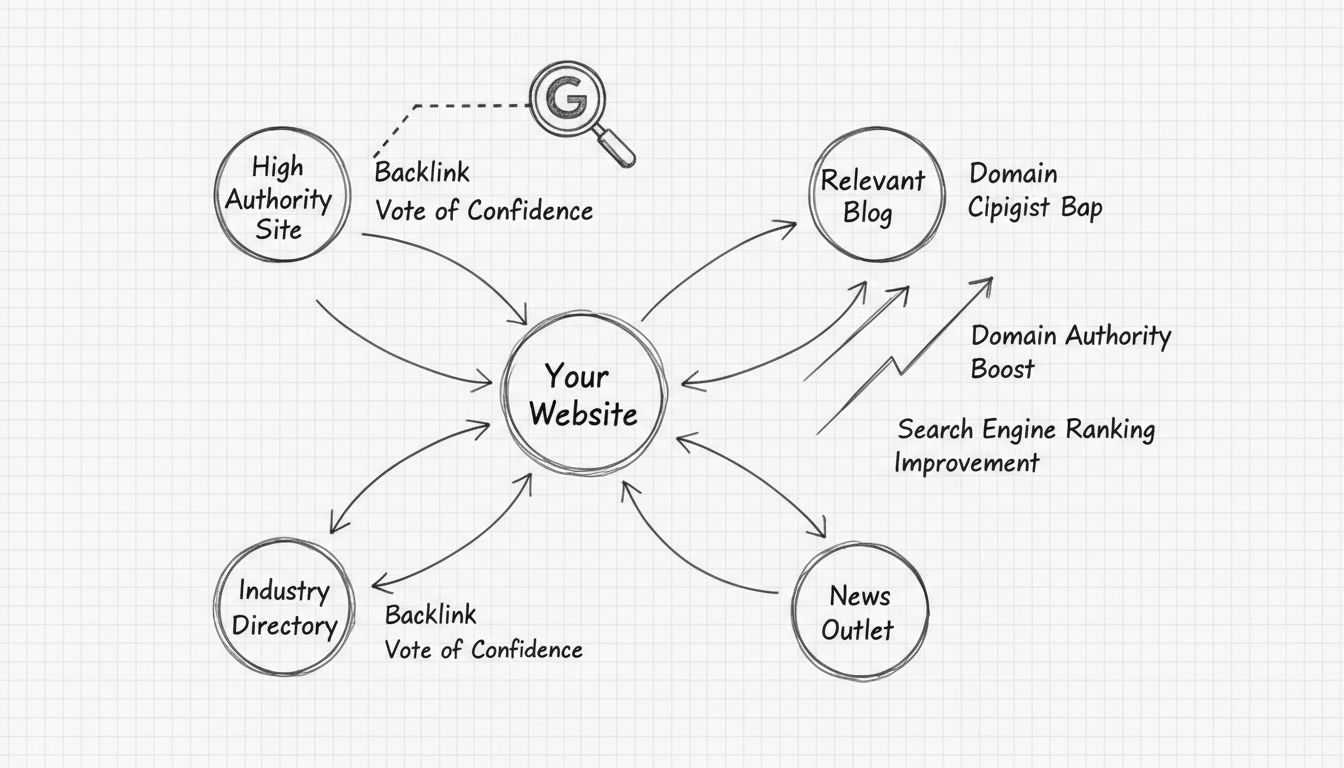
Discover why backlinks are crucial for SEO success in 2025. Learn how quality backlinks improve rankings, domain authority, and organic traffic with expert stra...
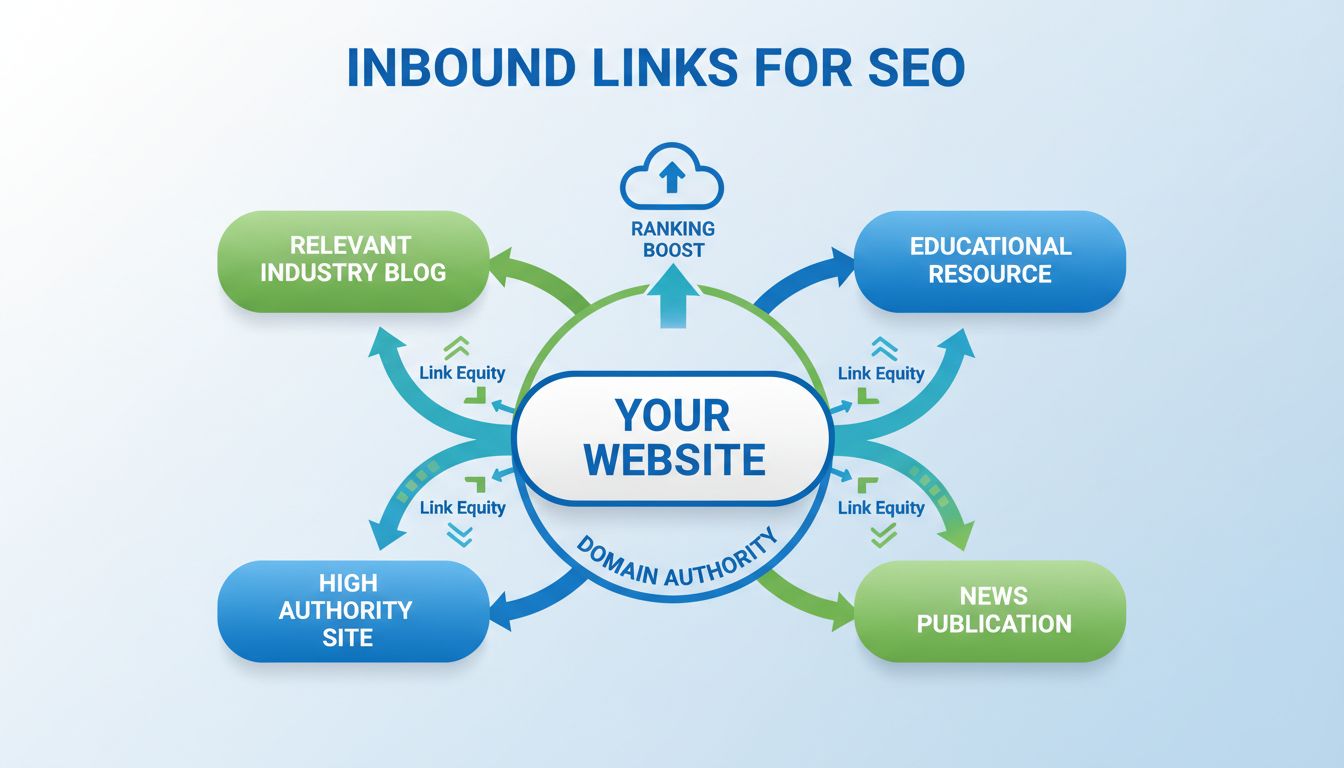
Discover why inbound links are crucial for SEO success. Learn how backlinks improve rankings, drive traffic, build authority, and boost conversions with PostAff...
Join our community of happy clients and provide excellent customer support with Post Affiliate Pro.




Cookie Consent
We use cookies to enhance your browsing experience and analyze our traffic. See our privacy policy.