



Influence Of Voice Search On SEO
Voice search refers to the searches done using your voice. Voice searches account for 20-25% of searches. Learn how voice search will affect SEO.
10 min read
VoiceSearch
SEO
+3


why long-tail keywords are essential for voice search optimization. Learn strategies to capture conversational queries and boost your online visibility.
Voice search has transformed how people interact with technology and find information online. With over 8 billion voice-activated devices expected to be in use by 2024 and approximately 20.5% of people globally using voice search, the shift toward spoken queries is undeniable. Voice assistants like Siri, Alexa, and Google Assistant have become integral to daily life, from finding local businesses to asking quick questions while multitasking. Unlike traditional text-based searches where users type fragmented keywords, voice search queries are inherently more conversational and specific. For businesses looking to maintain visibility in search results, adapting to this voice-first world isn’t optional—it’s essential for capturing the growing audience of voice search users.

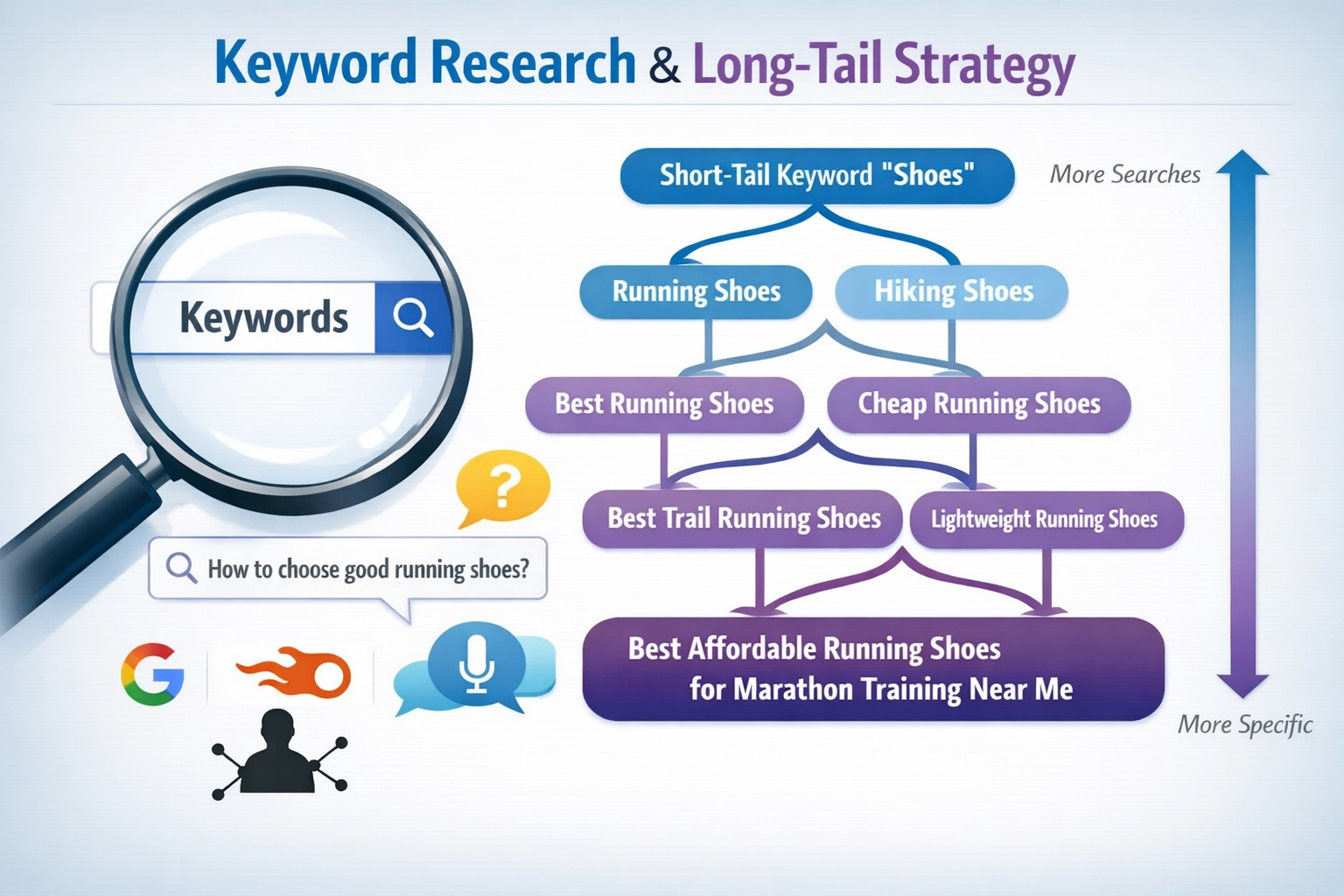
Long-tail keywords are longer, more specific phrases that typically contain three or more words and reflect how people naturally speak. While a user might type “pizza NYC” into a search bar, that same person would ask their voice assistant, “What’s the best pizza place in New York City near me that’s open now?” This fundamental difference is where long-tail keywords shine. Unlike short-tail keywords that are broad and highly competitive, long-tail keywords target specific user needs with lower search volume but significantly higher conversion rates. They capture the exact intent behind a search, making it easier for search engines to match queries with relevant content. The specificity of long-tail keywords means less competition—smaller businesses can rank for these phrases without competing against massive corporations dominating broad keywords.
| Aspect | Short-Tail Keywords | Long-Tail Keywords |
|---|---|---|
| Query Format | “pizza NYC” | “best pizza near me open now” |
| Search Volume | High (10,000+ monthly) | Lower (100-1,000 monthly) |
| Competition | Very High | Lower |
| User Intent | Broad and unclear | Specific and clear |
| Conversion Rate | Lower (1-2%) | Higher (5-10%) |

Set up advanced tracking in minutes. No credit card required.
Long-tail keywords are essential for voice search success for several interconnected reasons:
Natural Language Alignment: Voice searches mirror how people actually speak in conversation. Long-tail keywords that incorporate question words like “how,” “what,” “where,” “why,” and “when” align perfectly with voice query patterns, making your content more discoverable by voice assistants.
Specificity Equals Relevance: The detailed nature of long-tail keywords helps search engines understand exactly what users are looking for. When someone asks “How do I fix a leaking kitchen faucet?”, they’re signaling a specific problem requiring a specific solution—content optimized for this exact phrase will rank higher and provide better user satisfaction.
Competitive Advantage: While everyone competes for “plumbing services,” far fewer businesses optimize for “emergency plumbing services for burst pipes in residential areas.” This lower competition means your content has a better chance of ranking prominently in voice search results.
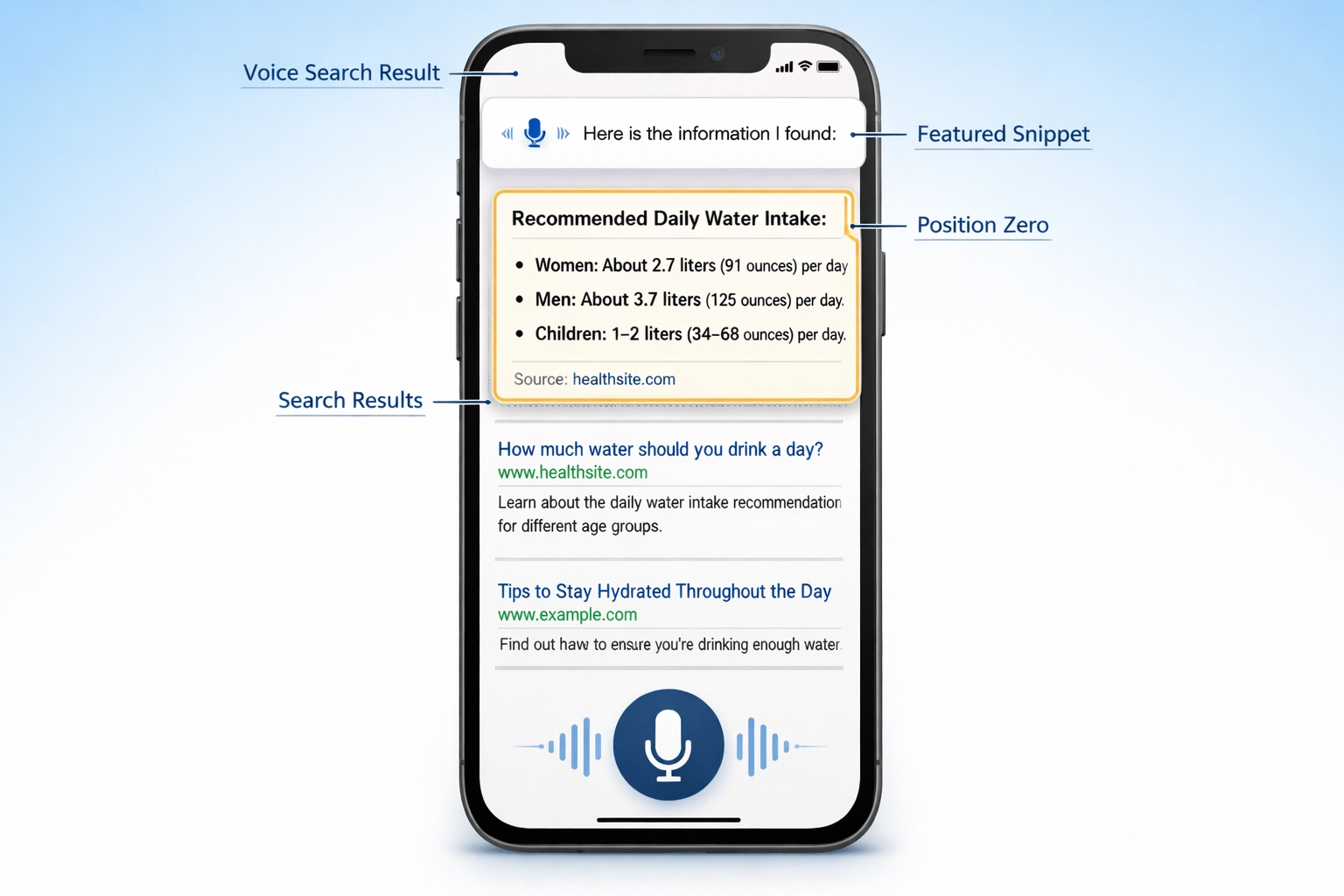
Featured Snippet Opportunities: Voice assistants frequently pull answers from featured snippets (position zero results). Long-tail keywords, especially question-based ones, are perfectly formatted for featured snippets, increasing your chances of being the voice assistant’s chosen answer.
Understanding how voice search differs from traditional text search is crucial for optimization strategy. Voice searches are inherently more conversational, with users speaking in complete sentences rather than typing keyword fragments. A text search might be “best coffee London,” while a voice search would be “Where can I find the best specialty coffee shops in London with outdoor seating?” This conversational nature means voice queries are typically longer and more specific. Results delivery differs significantly—text search displays multiple results for users to browse, while voice search typically returns a single, direct answer. User intent is more immediate and location-aware in voice searches, with many queries including “near me” or location-specific terms. Additionally, voice searches predominantly occur on mobile devices, smart speakers, and in-car systems, making mobile optimization and local SEO critical components of any voice search strategy.
Be the first to know about new features and product updates.
Successfully implementing long-tail keywords requires a systematic approach starting with thorough research. Tools like AnswerThePublic reveal the exact questions your target audience is asking, while Google Search Console shows you the queries already bringing traffic to your site. Semrush and Ahrefs provide comprehensive keyword research with difficulty scores and search volume data. Once you’ve identified relevant long-tail keywords, focus on creating content that directly answers these questions. Develop comprehensive FAQ pages that address common customer queries using natural, conversational language. Write blog posts targeting specific long-tail phrases, with each post addressing a unique question or problem. Ensure your content uses the same language and phrasing your audience uses when speaking—avoid overly technical jargon unless your audience uses it naturally. Integrate long-tail keywords naturally into headings, subheadings, and body text without forcing them. Remember that the goal is to create content that sounds natural when read aloud, as voice assistants will be reading snippets of your content to users.
Schema markup is structured data code that helps search engines understand the context and meaning of your website content. For voice search optimization, schema markup is invaluable because it provides search engines with explicit information about your content’s purpose and structure. Speakable schema is particularly important—it identifies which sections of your content are ideal for text-to-speech conversion, helping voice assistants deliver your content more effectively. FAQ schema is another critical implementation, allowing you to mark up question-and-answer content so search engines recognize it as voice-search-friendly. When properly implemented, schema markup increases the likelihood that your content will be selected for featured snippets, which voice assistants frequently use as their source for answers. You don’t need coding knowledge to implement schema markup—modern SEO plugins and tools like AIOSEO make it as simple as selecting your content type and filling in relevant information. The investment in proper schema markup pays dividends by making your content more accessible to both search engines and voice assistants.
A significant portion of voice searches are location-based, with users asking questions like “Where can I find a plumber near me?” or “What’s the best Italian restaurant close by?” This makes local SEO optimization essential for voice search success. Claiming and optimizing your Google My Business listing is the first critical step—ensure your business name, address, phone number, hours of operation, and website are all accurate and up-to-date. Include high-quality photos and encourage customers to leave reviews, as positive feedback influences local search rankings. Integrate location-specific keywords throughout your website naturally, including city names and regional phrases in your content, meta descriptions, and headings. Build local citations by ensuring your business information is consistent across online directories, review sites, and local business listings. This consistency signals credibility to search engines. Finally, ensure your website is mobile-optimized, as most local voice searches happen on mobile devices where users are actively looking for nearby services.
Since the vast majority of voice searches occur on mobile devices, mobile optimization is non-negotiable for voice search success. Mobile users are three times more likely to use voice search compared to desktop users, making mobile-first design a critical priority. Page speed is crucial—voice search users expect immediate answers, and search engines prioritize fast-loading pages. Aim for pages that load in under three seconds. Implement a responsive design that automatically adapts to different screen sizes, ensuring your content is readable and navigable on any device. Core Web Vitals—Google’s metrics for page experience including loading speed, interactivity, and visual stability—directly impact your voice search rankings. Optimize images, minimize code, and leverage browser caching to improve performance. Ensure buttons and links are easily tappable with adequate spacing, and maintain clear navigation so users can find information quickly. A mobile-optimized website not only improves your voice search visibility but also provides a better overall user experience.
Featured snippets, also known as “position zero,” are special search results that appear at the top of Google’s search results, providing direct answers to user queries. Voice assistants frequently read featured snippets as their response to voice searches, making them incredibly valuable for voice search optimization. When someone asks their voice assistant a question, Google often pulls the answer directly from a featured snippet. To optimize for featured snippets, structure your content to provide clear, concise answers to common questions. Keep answers between 50-60 words for optimal snippet selection. Use clear headings and subheadings to organize information logically. Incorporate bullet points and numbered lists to make information scannable and easy for search engines to extract. For example, if targeting “How do I change a car tire?”, provide a step-by-step numbered list with clear instructions. Include relevant tables for comparison-based queries. Ensure your content directly answers the question in the opening sentences, then provides supporting details. By consistently optimizing for featured snippets, you increase your chances of being the voice assistant’s chosen answer.
The trajectory of voice search is clear—adoption will continue accelerating as technology improves and becomes more integrated into daily life. Advancements in natural language processing and artificial intelligence are making voice assistants increasingly sophisticated at understanding complex, nuanced queries. Voice search will become more deeply integrated with smart home devices, wearables, and automotive systems, expanding the contexts in which people use voice search. Businesses that optimize for voice search today will have a significant competitive advantage over those who wait. The businesses capturing voice search traffic now are building brand authority and customer relationships that will compound over time. If you haven’t already started optimizing for voice search, now is the time to begin. Start by researching long-tail keywords your audience uses, create content that answers their questions conversationally, and implement schema markup to make your content voice-ready. The future of search is voice-first, and your business should be ready.
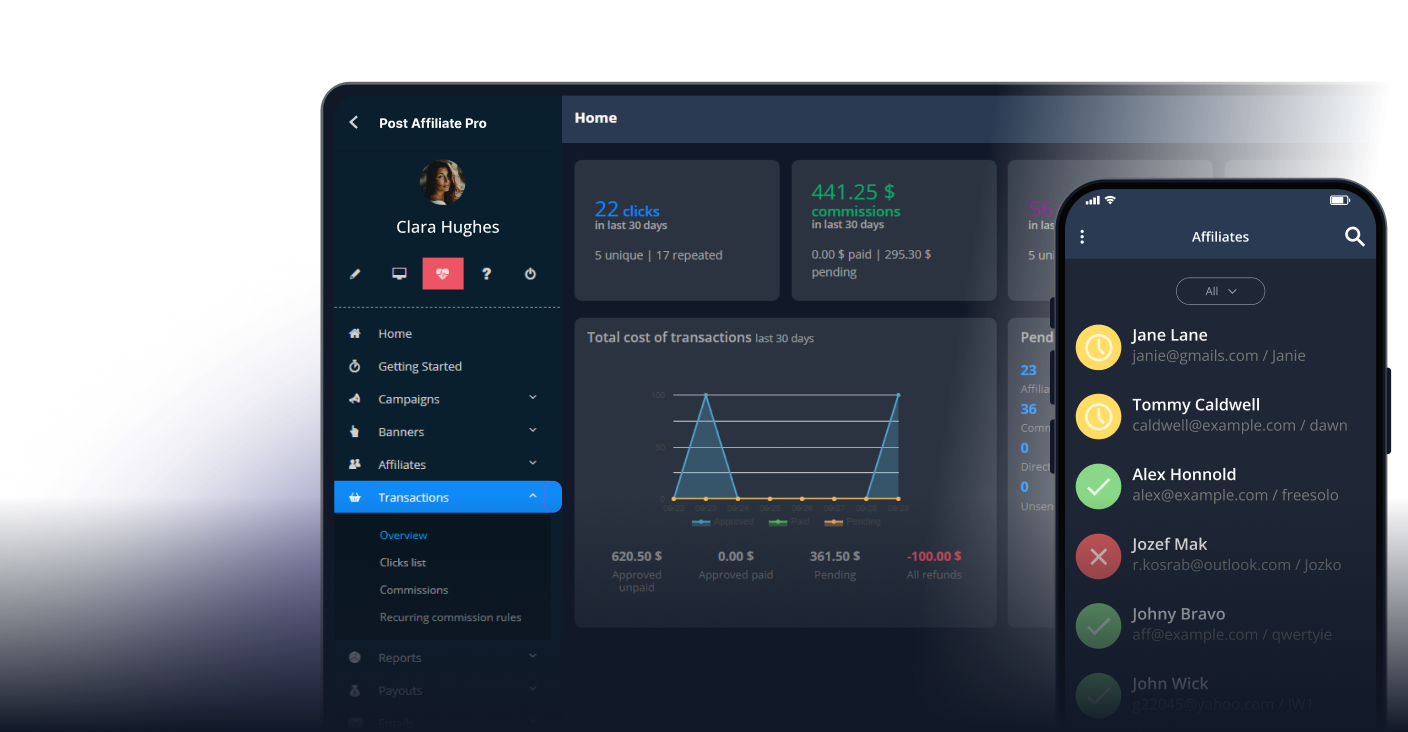
PostAffiliatePro helps you manage and optimize your affiliate marketing strategy for modern search behaviors. Start capturing voice search traffic and grow your affiliate network with our powerful platform.
Voice search refers to the searches done using your voice. Voice searches account for 20-25% of searches. Learn how voice search will affect SEO.
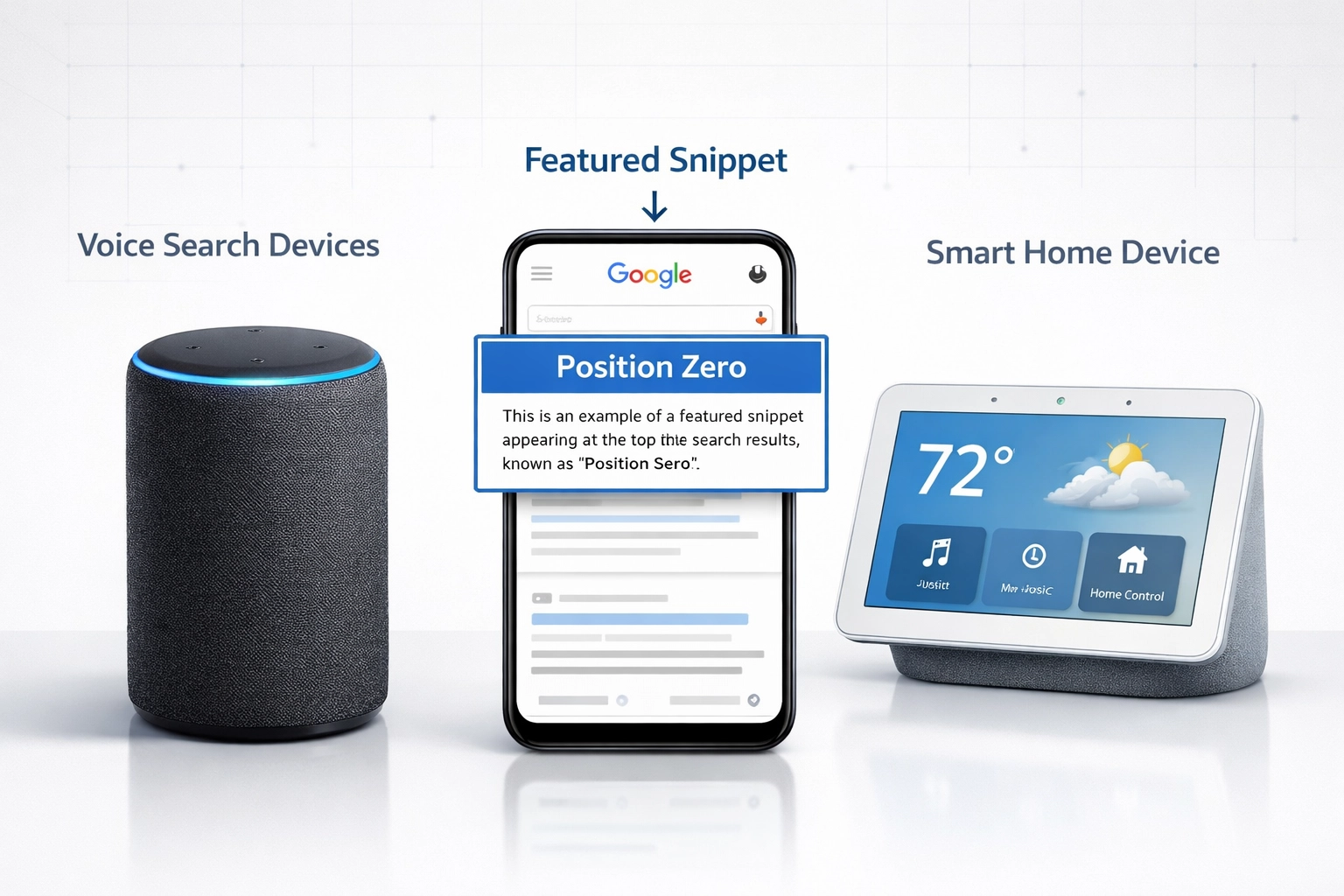
Learn how optimizing for featured snippets improves voice search visibility. Discover strategies to capture position zero and drive qualified traffic.

Voice search is rapidly developing, with more consumers using it, technology is predicted to make even more impact in the next years.
Join our community of happy clients and provide excellent customer support with Post Affiliate Pro.



Cookie Consent
We use cookies to enhance your browsing experience and analyze our traffic. See our privacy policy.