



How Much Do Freelance Affiliate Marketers Make
Realistic affiliate marketer income ranges from $0 to $100,000+ monthly. Learn what factors influence earnings and how to maximize your potential.
10 min read


Realistic affiliate marketing earnings by experience level, niche, and platform. Learn how much affiliates make and what factors impact income.

The affiliate marketing industry is experiencing explosive growth, with the global market projected to reach $27.78 billion by 2027, according to recent industry analysis. However, the question of “how much can affiliates actually make?” doesn’t have a one-size-fits-all answer—earnings range dramatically from $0 to over $100,000 per month depending on numerous variables. The truth is that affiliate income potential is virtually unlimited, but success requires strategic planning, consistent effort, and a deep understanding of what drives conversions in your chosen market. Whether you’re looking to generate a modest side income or build a six-figure affiliate business, the earning potential exists—but it’s not automatic. This guide will break down realistic income expectations, show you what different experience levels typically earn, and reveal the factors that separate six-figure affiliates from those struggling to make their first sale.
Affiliate earnings follow a clear progression based on experience and skill development, with most marketers falling into distinct tiers. Beginners (0-6 months) typically earn $0-$1,000 per month as they’re still learning traffic generation, audience building, and conversion optimization—many don’t earn anything initially while they build their foundation. Intermediate affiliates (1-3 years) generally earn between $1,000-$10,000 monthly once they’ve mastered their niche, built an engaged audience, and optimized their promotional strategies. Advanced affiliates (3-5 years) operate at the $10,000-$100,000 per month range, having developed sophisticated systems, multiple traffic sources, and deep audience relationships. Super affiliates earning $100,000+ monthly represent the top 1% who’ve built diversified income streams, established authority, and created scalable systems. Real-world examples illustrate this progression: Pat Flynn publicly shares that his affiliate income grew from zero to over $100,000 annually within his first few years, while NerdWallet’s affiliate program generates millions in revenue through their established authority and massive organic traffic. The timeline to reach each level varies based on your starting knowledge, niche selection, and effort invested, but most successful affiliates report needing at least 1-2 years of consistent work before seeing meaningful income.
| Experience Level | Monthly Earnings | Timeline | Key Characteristics |
|---|---|---|---|
| Beginner | $0 - $1,000 | 0-6 months | Learning phase, building foundation, minimal traffic |
| Intermediate | $1,000 - $10,000 | 1-3 years | Mastered niche, engaged audience, optimized strategies |
| Advanced | $10,000 - $100,000 | 3-5 years | Sophisticated systems, multiple traffic sources, authority |
| Super Affiliate | $100,000+ | 5+ years | Diversified income, established brand, scalable systems |

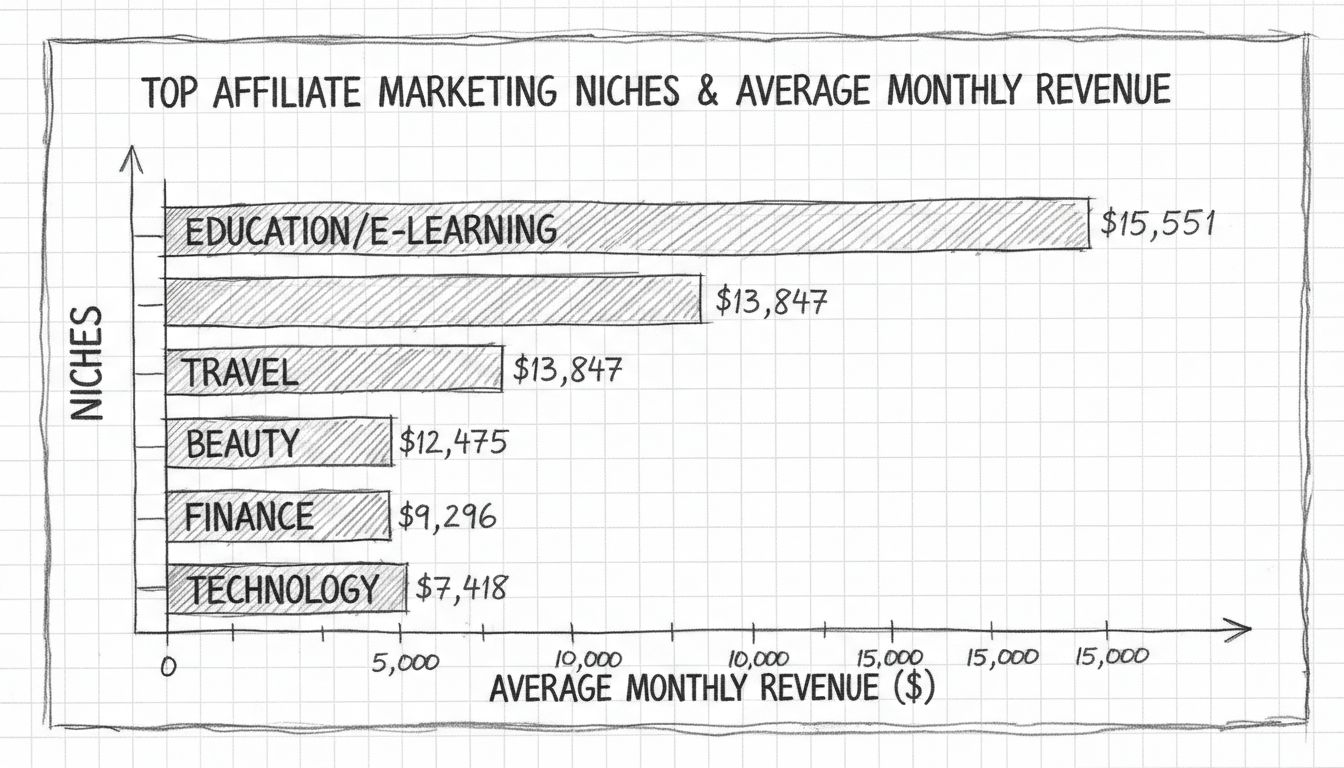
Your chosen niche dramatically impacts earning potential, with commission rates and average revenue varying significantly across industries. High-ticket niches like finance, software, and business tools offer commission rates of 20-50% or higher, with top performers earning $20,000-$50,000+ monthly from relatively modest traffic volumes. Mid-tier niches such as health, fitness, and technology typically offer 10-20% commissions, generating $5,000-$15,000 monthly for established affiliates with solid traffic. Lower-commission niches like general retail and consumer goods might only offer 2-8% commissions, requiring significantly higher traffic volumes to achieve comparable income. The variation in earnings stems from product pricing (higher-priced products generate larger commissions), market competition (saturated niches require more sophisticated strategies), and customer lifetime value (recurring revenue models pay ongoing commissions). When selecting your niche, consider not just the commission rate but the total addressable market size, competition level, and your genuine interest in the topic—passion combined with a profitable niche creates the ideal conditions for sustainable income growth. Researching affiliate programs within your target niche before committing will reveal realistic earning potential and help you avoid niches where affiliate income is capped by low commission structures.
| Niche | Commission Rate | Average Monthly Revenue | Market Characteristics |
|---|---|---|---|
| Software & SaaS | 10-70% | $5,967 | High-ticket, recurring revenue, competitive |
| Personal Finance | 20-40% | $9,296 | High-value products, strong demand, established players |
| eLearning | 15-30% | $15,551 | Growing market, high margins, engaged audiences |
| Health & Wellness | 10-50% | $7,194 | Diverse products, passionate audiences, seasonal peaks |
| Travel | 10-15% | $13,847 | High-value bookings, seasonal demand, established brands |
| Beauty & Personal Care | 10-30% | $12,475 | Visual content friendly, influencer-driven, trending products |
| Technology & Gadgets | 5-20% | $7,418 | Fast-moving market, early adopters, review-focused |
| Home Improvement | 2-10% | $5,095 | Lower commissions, high volume potential, seasonal |
Affiliate programs compensate partners through several distinct payment models, each affecting how and when you earn money. Pay-Per-Sale (PPS) is the most common model, where you earn a percentage commission (typically 5-50%) each time someone makes a purchase through your referral link. Pay-Per-Click (PPC) pays you a fixed amount for each visitor you send, regardless of whether they convert, though this model is less common due to fraud concerns. Pay-Per-Lead (PPL) compensates you when a visitor completes a specific action like signing up for a trial, filling out a form, or downloading content—common in SaaS and financial services. Pay-Per-Install (PPI) applies to app and software promotions, paying you when someone installs the product. Recurring commission models pay you a percentage of subscription fees for as long as the customer remains active, creating passive income streams that compound over time. Behind the scenes, tracking cookies (typically lasting 30-90 days) attribute conversions to your referral link, ensuring you receive credit for sales you generate. Most affiliate programs require reaching a minimum payout threshold—often $100-$500—before processing payments, so understanding these mechanics helps you plan your cash flow and select programs aligned with your earning goals.
Several critical factors determine whether you’ll earn $100 monthly or $100,000 monthly in affiliate marketing, and understanding each one allows you to optimize your income strategically. Commission rate directly multiplies your earnings—a 50% commission on a $100 product generates $50 per sale, while a 5% commission requires 10 times the sales volume to match that income. Niche selection influences both commission rates and audience purchasing power; finance and software niches typically offer higher commissions and more qualified buyers than general retail. Traffic quality and volume form the foundation of all affiliate income—you need consistent, targeted visitors who match your affiliate products’ ideal customer profile. Conversion rates separate successful affiliates from struggling ones; optimizing your content, calls-to-action, and product recommendations can double or triple earnings from the same traffic. Experience and authority matter significantly because established affiliates command higher trust, allowing them to promote products more effectively and negotiate better commission rates. Seasonal trends create income fluctuations, with many niches experiencing peaks during specific times (fitness in January, gift products in November-December, back-to-school in August). By systematically improving each factor—choosing higher-commission niches, building targeted traffic, optimizing conversions, and establishing authority—you create a compounding effect that accelerates income growth.

Most aspiring affiliates hold unrealistic expectations about earning timelines, expecting significant income within weeks rather than months. The reality is that 6-12 months of consistent effort is the typical timeframe before seeing meaningful affiliate income, with many successful affiliates reporting their first substantial paycheck arrived around the 9-12 month mark. Beginners struggle initially because they’re simultaneously learning traffic generation, audience building, content creation, and conversion optimization—skills that take time to develop. Industry data reveals that 59% of beginner content creators haven’t monetized their audience yet, highlighting how common it is to invest months before generating revenue. The difference between those who succeed and those who quit often comes down to patience and persistence through the “valley of despair” when effort isn’t yet producing income. However, this timeline isn’t wasted time—you’re building assets (content, audience, authority) that generate compounding returns over years. If you’re willing to invest 6-12 months of focused effort before expecting significant income, you’re already ahead of most people attempting affiliate marketing, and you’ll be positioned to earn substantial income once your systems mature.
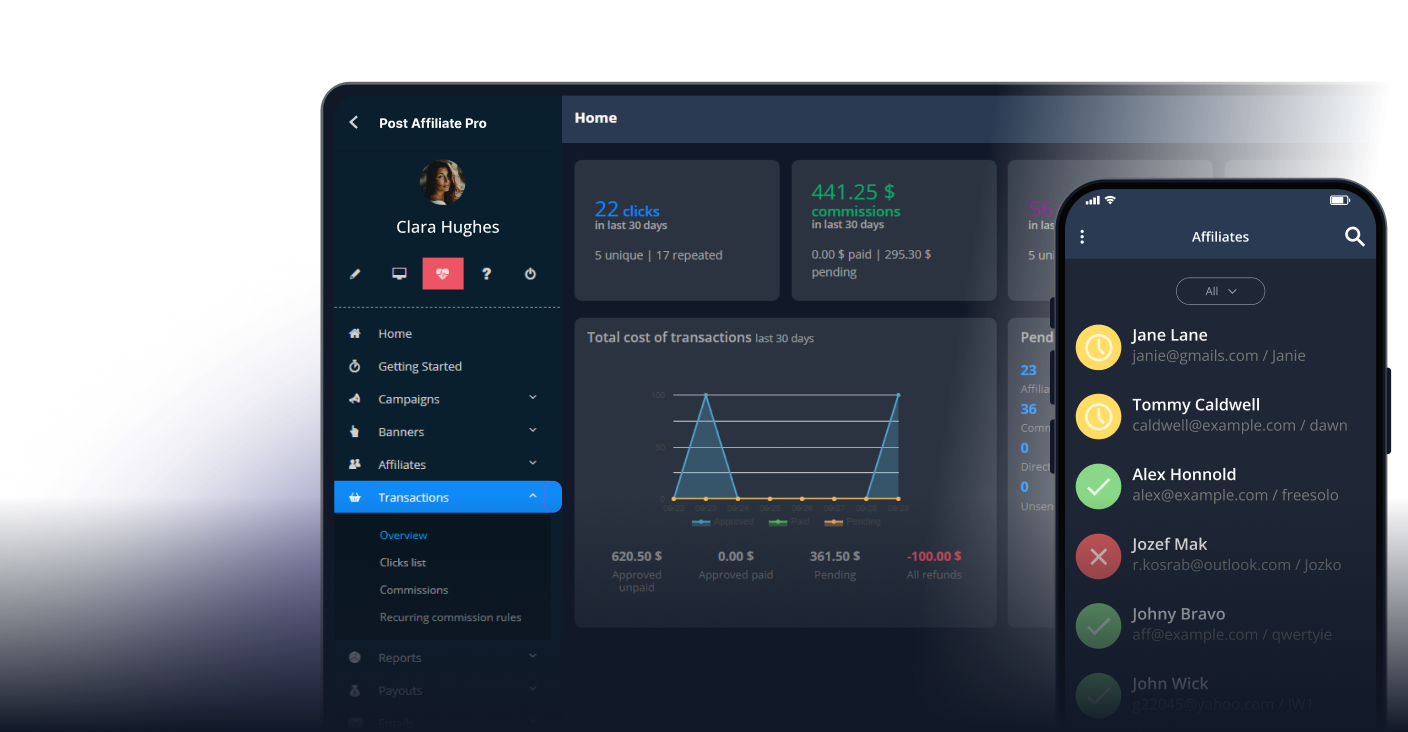
Maximizing affiliate earnings requires implementing proven strategies that compound over time, transforming your affiliate business from a side hustle into a significant income source. Diversify your income streams by promoting multiple products, programs, and niches rather than relying on a single affiliate relationship—this protects you from algorithm changes, program shutdowns, or commission cuts. Optimize conversion rates obsessively by testing different product recommendations, call-to-action placements, content formats, and promotional angles; even a 1% improvement in conversion rate can increase monthly earnings by thousands. Build genuine authority in your niche through consistent, valuable content that establishes you as a trusted resource—audiences are far more likely to purchase products recommended by someone they trust. Leverage email marketing to create recurring touchpoints with your audience, allowing you to promote products multiple times and build long-term relationships that generate ongoing commissions. Use affiliate management software like PostAffiliatePro to streamline managing multiple affiliate programs, tracking commissions, and optimizing your promotional efforts across different networks—the platform’s centralized dashboard eliminates the chaos of juggling dozens of affiliate accounts and ensures you never miss commission opportunities. Focus on recurring revenue models whenever possible, as subscription-based affiliate programs create passive income that compounds monthly, dramatically accelerating your path to six-figure earnings. By implementing these strategies systematically and using the right tools to manage your affiliate operations, you’ll position yourself to join the top 1% of affiliates earning substantial, sustainable income.
The affiliate marketing industry offers genuine income potential for those willing to invest time and effort into building their business strategically. While earnings vary dramatically based on experience, niche selection, and execution, the data clearly shows that six-figure affiliate incomes are achievable—but they require patience, persistence, and the right systems in place. Whether you’re aiming for a modest side income or a full-time affiliate business, understanding these earning dynamics helps you set realistic expectations and make informed decisions about your affiliate marketing journey. The key is to start with a profitable niche, build an engaged audience, optimize your conversion rates, and use proper tools to manage your affiliate programs efficiently. With PostAffiliatePro, you can streamline your affiliate management, track all your commissions in one place, and focus on what matters most—creating valuable content and building genuine relationships with your audience.
Yes, earning $100 per day ($3,000 monthly) is achievable with affiliate marketing, but typically requires several months to years of consistent effort. You'll need either significant traffic volume or high-commission products. Most affiliates reaching this level have spent 1-2 years building their audience and optimizing their conversion rates.
Most affiliates see their first earnings within 3-6 months, but meaningful income typically arrives around the 9-12 month mark. The timeline depends on your niche, traffic generation strategy, and how quickly you build audience trust. Patience and consistency are more important than speed.
Beginners typically earn $0-$1,000 monthly during their first 6 months, while advanced affiliates (3-5 years experience) earn $10,000-$100,000 monthly. The difference comes from audience size, conversion optimization, niche selection, and having multiple income streams rather than relying on a single affiliate program.
Software, personal finance, and business tools offer the highest commissions (20-70%), followed by eLearning (15-30%) and health/wellness (10-50%). However, high commissions don't guarantee high earnings—you also need sufficient traffic and audience demand for the products you're promoting.
Absolutely. Many affiliates earn $5,000-$50,000+ monthly from affiliate marketing alone, making it a viable full-time income source. Success requires choosing a profitable niche, building an engaged audience, and optimizing your conversion rates over 1-2 years of consistent effort.
Only about 1-3% of affiliate marketers earn six figures annually. However, this represents a significant opportunity—the top 15% earn $80,000-$1 million annually, and the top 1% earn $100,000+ monthly. Reaching these levels requires strategic planning, diversified income streams, and sophisticated marketing systems.
Improve conversion rates by optimizing your content, testing different product recommendations, refining your calls-to-action, building genuine authority in your niche, and promoting products you genuinely believe in. Even a 1% improvement in conversion rate can increase monthly earnings by thousands of dollars.
Yes, affiliate marketing is more profitable than ever. The industry is projected to reach $27.78 billion by 2027, and brands are increasingly investing in affiliate partnerships. Success requires choosing the right niche, building an engaged audience, and using proper tools to manage your affiliate programs efficiently.
PostAffiliatePro helps you manage multiple affiliate programs, track commissions, and optimize your promotional efforts from one centralized dashboard. Start managing your affiliate business more efficiently today.
Realistic affiliate marketer income ranges from $0 to $100,000+ monthly. Learn what factors influence earnings and how to maximize your potential.
Learn realistic affiliate marketer earnings by experience level, niche, and strategies to maximize your affiliate marketing revenue.

Realistic beginner affiliate marketing earnings for 2026. What beginners earn monthly, factors affecting income, and strategies to maximize profits.
Join our community of happy clients and provide excellent customer support with Post Affiliate Pro.



Cookie Consent
We use cookies to enhance your browsing experience and analyze our traffic. See our privacy policy.