


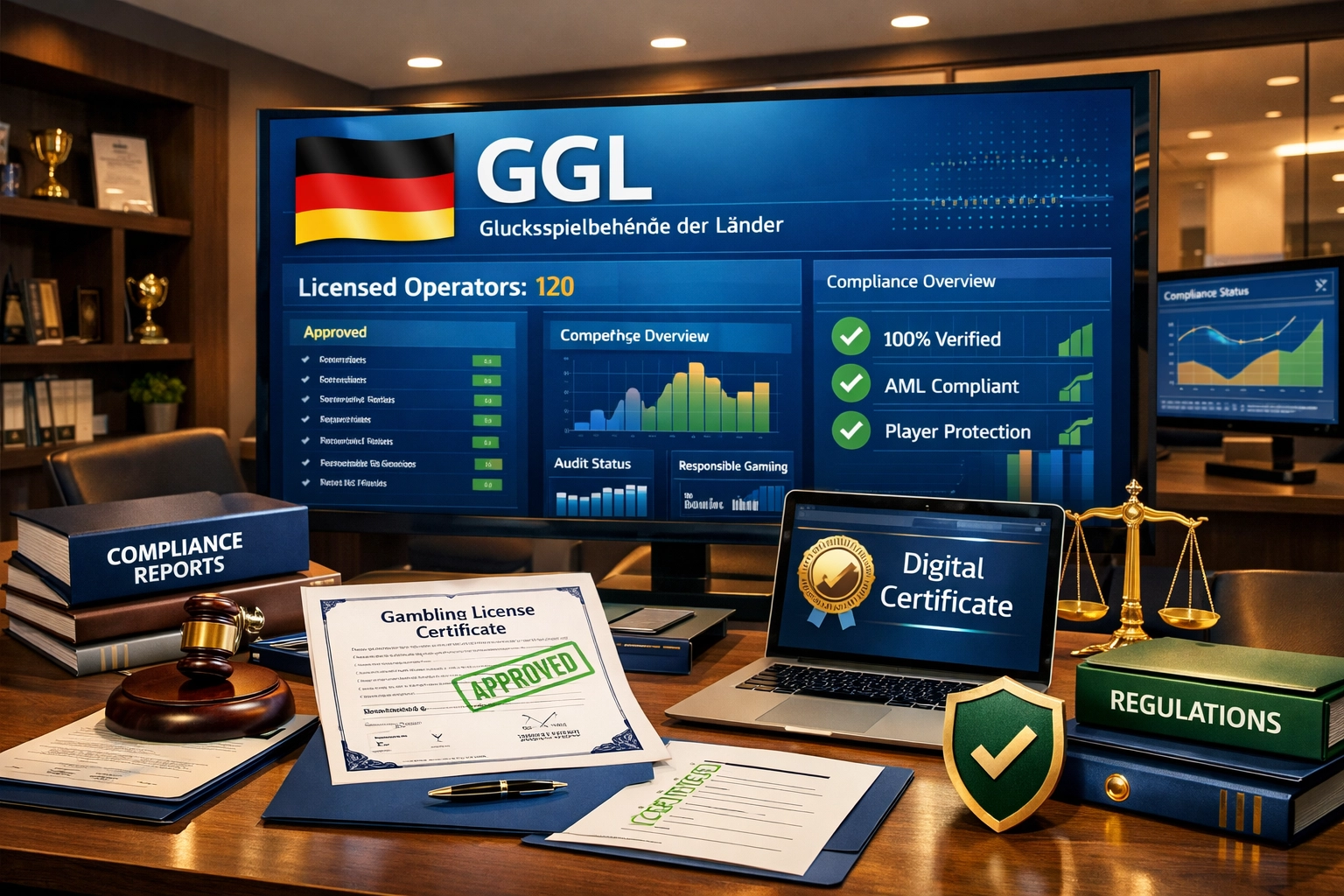
Germany's GlüStV 2021: Affiliate Marketing Compliance
Learn how Germany's Gambling Treaty (GlüStV 2021) impacts affiliate marketing. Discover licensing requirements, advertising rules, and compliance strategies.
11 min read

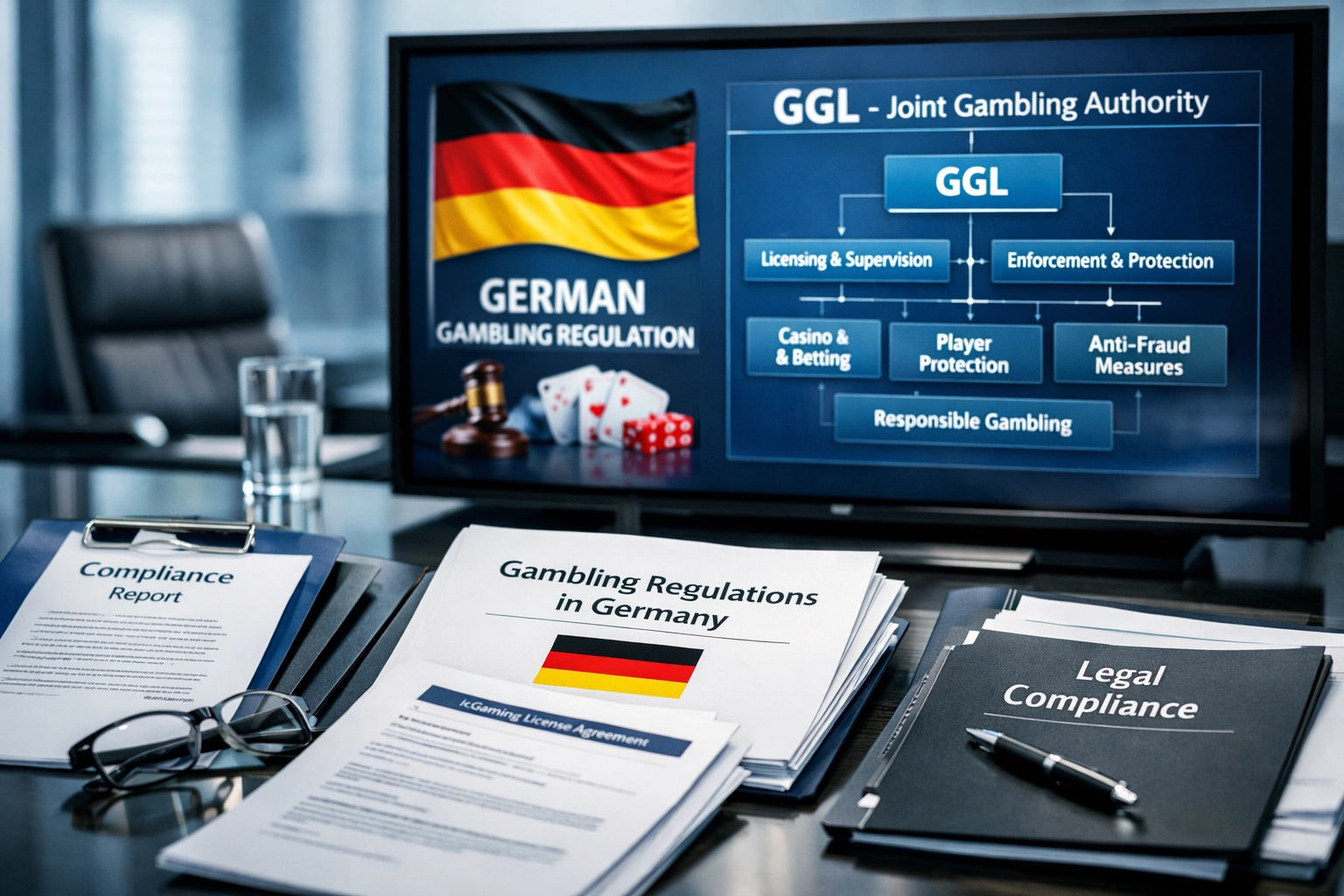
Complete guide to German gambling regulations for affiliates. Learn about GGL licensing, compliance requirements, advertising restrictions, and more.
For years, the German online gambling market existed in a legal grey zone—a murky landscape where operators, affiliates, and players navigated conflicting regulations and uncertain legal status. That era ended definitively on July 1, 2021, when the Interstate Treaty on Gambling 2021 (Glücksspielstaatsvertrag, or GlüStV 2021) came into full effect across all 16 German federal states. This landmark legislation transformed Germany from a fragmented, semi-regulated market into one of Europe’s most strictly regulated gambling jurisdictions. For affiliates, this shift represents both a significant challenge and an unprecedented opportunity—but only for those willing to embrace compliance as their core business principle.
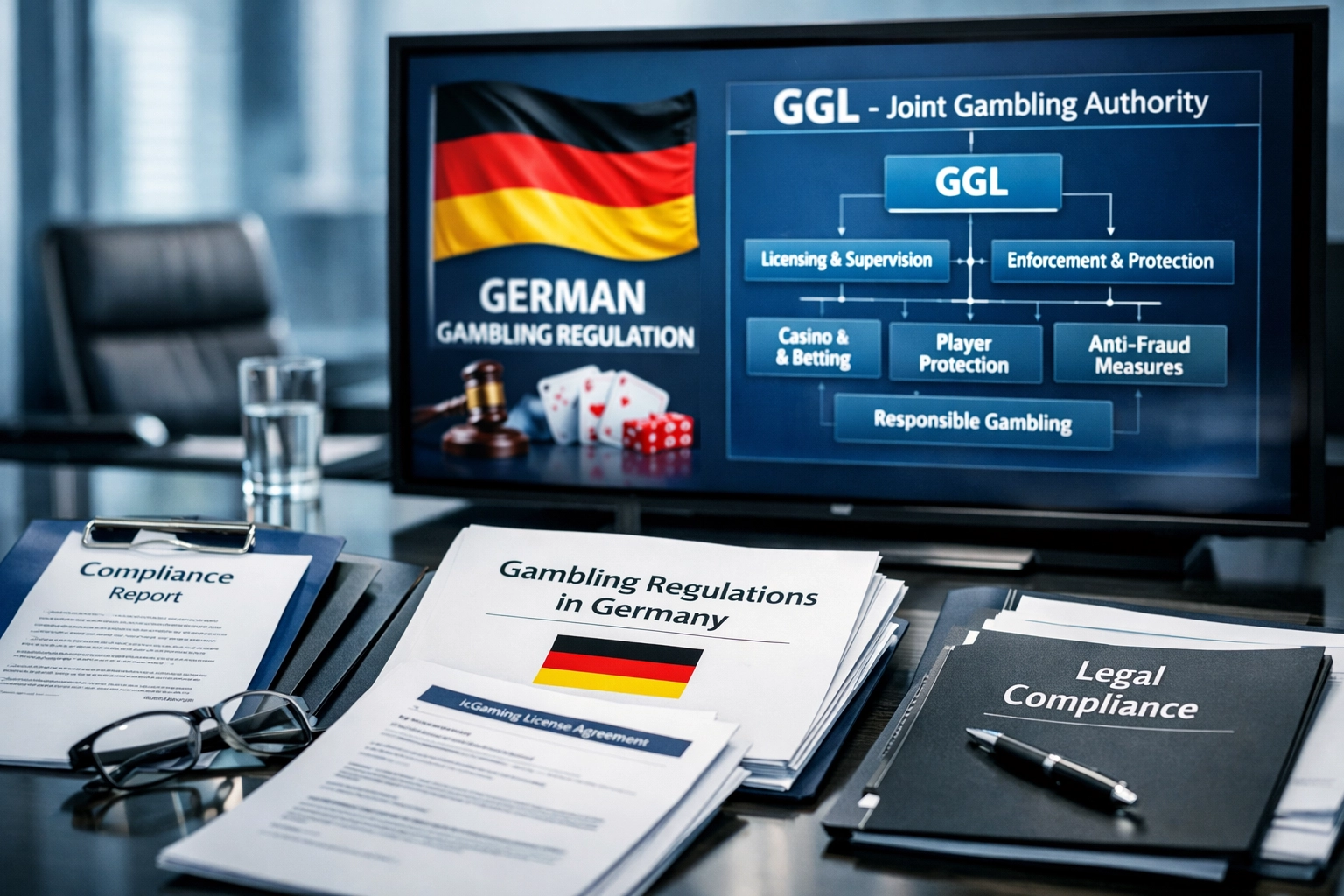
At the heart of Germany’s new gambling regime sits the Joint Gambling Authority of the Federal States (Gemeinsame Glücksspielbehörde der Länder, or GGL), headquartered in Halle, Saxony-Anhalt. This centralized regulator represents a fundamental shift from the previous state-by-state approach, establishing uniform licensing standards and enforcement mechanisms across the entire country. The GGL issues nationwide licenses for four primary gambling verticals: virtual slot machines, online poker, sports betting, and horse race betting. Each license type carries an initial validity period of five years, renewable for seven-year terms thereafter. Critically, licenses issued by the GGL are valid throughout Germany, eliminating the previous fragmentation where operators needed separate approvals from individual states. This centralization marks a watershed moment for affiliates—instead of navigating 16 different regulatory frameworks, you now operate under one unified set of rules, though certain game types like online casino table games remain subject to state-specific regulations.
| License Type | Regulating Authority | Initial Duration | Nationwide Validity | Key Restrictions |
|---|---|---|---|---|
| Virtual Slots | GGL | 5 years | Yes | €1 stake limit, 5-second minimum spin duration |
| Online Poker | GGL | 5 years | Yes | Maximum 4 tables simultaneously per player |
| Sports Betting | GGL | 5 years | Yes | Fixed odds only, no live betting on same channel |
| Horse Race Betting | GGL | 5 years | Yes | €1,000 monthly deposit limit |
| Online Casino Games | State-specific | Varies | No | Limited availability (SH, NRW only) |

Set up advanced tracking in minutes. No credit card required.
The most critical rule for any affiliate operating in Germany is deceptively simple: promote only licensed operators. This is not a suggestion or a best practice—it is a legal requirement with severe consequences for non-compliance. Under German law, affiliates are direct addressees of gambling regulations specifically regarding the prohibition of advertising for unlicensed gambling. Promoting an operator without a valid GGL license exposes you to administrative fines up to €500,000, account termination, and potential legal action. To verify an operator’s legitimacy, check the GGL’s official whitelist (available at gluecksspiel-behoerde.de), which lists all licensed operators and their license numbers. Licensed operators must display the official GGL logo and license number prominently on their websites—if you don’t see these, the operator is not compliant. Beyond verification, you must maintain an updated list of promoted operators, document your compliance procedures, and conduct regular audits to ensure no unlicensed brands slip through.
Key Compliance Checklist for Affiliates:
Germany’s advertising restrictions for gambling are among the strictest in Europe, and affiliates must navigate them carefully. The most significant restriction is the watershed period from 6:00 AM to 9:00 PM, during which advertising for virtual slot machines, online poker, and online casino games is prohibited on television, radio, and the internet. This means your paid search campaigns, display ads, and social media promotions must be scheduled outside these hours or geographically targeted to avoid German users during restricted times. Additionally, you cannot target minors or vulnerable groups in any form—this includes avoiding imagery, language, or themes that appeal to younger audiences. The influencer marketing ban, while currently under legal challenge, remains in effect: you cannot collaborate with streamers, content creators, or social media personalities to promote gambling products. Revenue-share remuneration models are heavily restricted; many licenses prohibit affiliate compensation tied directly to player turnover, deposits, or stakes. Bonus offer advertising is also limited—while you can mention bonuses on your review pages, you cannot feature specific bonus amounts in ad banners or meta descriptions. Every piece of promotional content must include prominent responsible gambling messaging, typically featuring an 18+ logo and a link to support resources.
Be the first to know about new features and product updates.
Germany’s player protection framework centers on the €1,000 monthly cross-operator deposit limit, enforced through the LUGAS database system. This means that regardless of how many licensed operators a player uses, they cannot deposit more than €1,000 per month across all platforms combined. The LUGAS system monitors deposits in real-time, preventing players from exceeding this threshold and blocking simultaneous play across multiple operators. For affiliates, this has profound implications: player lifetime value (LTV) is capped at a predictable level, requiring you to focus on volume and retention rather than high-value individual players. Players can also self-exclude through the OASIS register (Online-Abfrage Spielerstatus), a centralized database that prevents them from accessing any licensed gambling site. Your affiliate content must prominently promote both LUGAS deposit limits and OASIS self-exclusion options, positioning yourself as a trusted guide rather than merely a promoter. Operators can request higher deposit limits (up to €30,000 monthly) for players who pass an affordability check, but this requires annual re-verification and enhanced monitoring—a factor that affects the overall player experience and your promotional strategy.
The GlüStV 2021 creates a clear hierarchy of permissible and prohibited games, directly shaping what you can promote as an affiliate. Virtual slot machines are fully licensed and legal nationwide, though subject to strict limits: €1 maximum stake per spin, a mandatory 5-second minimum duration between spins, and no autoplay functionality. Online poker is similarly licensed nationwide, with the restriction that players can participate in a maximum of four tables simultaneously. Sports betting is permitted but limited to fixed-odds betting on actual sports events—live betting on the same broadcasting channel as the event is prohibited, and betting on non-sports events (financial betting, virtual sports) remains illegal. Conversely, live casino games (roulette, blackjack, baccarat with live dealers) are not permitted under the nationwide license framework, though some states like Schleswig-Holstein have issued limited licenses for these games. Progressive jackpot slots are also prohibited, as are table games in most states. This means your content strategy must focus exclusively on virtual slots, online poker, and sports betting—any promotion of prohibited games violates German law and exposes you to enforcement action.
Germany imposes a 5.3% stake tax on all virtual slot machines, online poker, and sports betting—a rate that significantly impacts operator profitability and, by extension, affiliate commission structures. This tax is calculated on the total amount wagered (stakes), not just on operator profits, making it a substantial operational cost. Many operators have responded by reducing the Return to Player (RTP) on certain games to maintain profitability, meaning players win slightly less frequently. For affiliates, this creates a critical evaluation challenge: you must assess whether an operator’s commission structure remains viable given the tax burden. Some operators may offer lower commissions or stricter payment terms to offset tax costs, potentially making them less attractive partners. Before promoting an operator, research their financial stability and commission sustainability—a partner that collapses due to tax pressure damages your credibility and revenue stream. The tax also means that German-licensed operators cannot compete on bonus generosity with offshore, unlicensed alternatives, so your promotional messaging must emphasize legitimacy, player protection, and long-term sustainability rather than maximum bonus offers.
Your affiliate website must feature a dedicated, highly visible responsible gambling page—this is not optional but a legal requirement for operating in Germany. This page must include comprehensive information on setting deposit limits, time limits, and loss limits, along with direct links to the OASIS self-exclusion register where players can voluntarily exclude themselves from all licensed gambling sites. You must also provide contact information and links to German-based support organizations such as the Bundeszentrale für gesundheitliche Aufklärung (BZgA) and Glücksspielsucht Hilfe, which offer counseling and treatment for gambling addiction. Every page on your site that promotes a casino must display an 18+ logo and a responsible gambling warning, typically in the footer. This is not merely a compliance checkbox—it’s a trust signal that demonstrates your commitment to player protection and positions you as a responsible partner in the regulated market. Affiliate liability extends to your content: if you promote an operator that subsequently violates player protection rules, you may face enforcement action. Building trust through education—creating content that teaches players about limits, self-exclusion, and responsible gaming—differentiates you from black-market affiliates and creates a sustainable, long-term business model.
While the GGL provides nationwide licensing for slots, poker, and sports betting, online casino games (table games like roulette and blackjack) remain subject to state-specific regulations, creating a complex patchwork for affiliates. Schleswig-Holstein became the first state to embrace private operator licensing, issuing four online casino licenses in 2024 to operators offering live casino and table games—a significant development that opens new promotional opportunities. North Rhine-Westphalia is planning a tender procedure for online casino licenses, expected in winter 2025, which could add additional licensed operators. Most other states either impose a state monopoly (allowing only state-run operations) or have no regulations at all. Bavaria has launched its own state-run online casino platform, offering roulette and blackjack exclusively through government channels. Hesse included provisions for state-run online casino licensing but is currently considering removing this option due to EU law concerns. Thuringia explicitly restricts online casino licensing to the state only, prohibiting private operators. For affiliates, this means your strategy must account for state-specific availability—you cannot promote Schleswig-Holstein online casino licenses to players in Bavaria, and you must clearly communicate which games are available in which states.
While operators bear primary responsibility for anti-money laundering (AML) and know-your-customer (KYC) compliance, affiliates share indirect liability through their promotional activities. Operators must verify player identity upon registration—not just at withdrawal, as in some jurisdictions—and conduct thorough KYC checks before allowing real-money play. Anonymous payment methods are prohibited in German online gambling; all deposits must come from payment accounts held in the player’s name. Multi-accounting is strictly forbidden, meaning each player can maintain only one account across all licensed operators, enforced through the LUGAS database. As an affiliate, you must conduct due diligence on operators before promoting them, ensuring they maintain robust AML systems and comply with KYC requirements. Promoting an operator with weak AML controls exposes you to regulatory scrutiny and potential enforcement action. Your affiliate agreement should explicitly require operators to maintain AML compliance and should include audit rights allowing you to verify their procedures. Additionally, your content should educate players about why KYC verification is necessary and beneficial—framing identity verification as a player protection measure rather than an inconvenience builds trust and reduces friction in the player onboarding process.
The GGL possesses formidable enforcement powers, and the consequences of violating German gambling regulations are severe. Administrative fines reach up to €500,000 per violation, with the GGL having issued hundreds of cease-and-desist orders against unlicensed operators and their affiliates. Beyond fines, the GGL can order payment blocking, instructing payment service providers to cease processing transactions for non-compliant operators—a measure that effectively shuts down unlicensed gambling businesses. IP blocking, while currently facing legal challenges in German courts, remains a potential enforcement tool that could block access to unlicensed gambling sites from German IP addresses. Competitors can also file cease-and-desist orders through civil courts, typically resulting in fines of approximately €250,000 per violation. For individuals, criminal liability is possible under the German Criminal Code for organizing or advertising unauthorized gambling, with penalties including imprisonment up to five years. For affiliates specifically, violations can result in immediate account termination, blacklisting by the GGL, and exclusion from future partnerships with licensed operators. The GGL has demonstrated increasing enforcement appetite, handling hundreds of cases annually and announcing plans to establish dedicated prosecutor offices focused on illegal gambling enforcement.

The regulated German market presents a paradox: stricter rules create better business opportunities for compliant affiliates. Legitimacy and trust become your competitive advantage—while black-market affiliates operate in legal jeopardy, you build a sustainable brand on a foundation of regulatory compliance and player protection. Players in regulated markets are typically more stable, more loyal, and possess higher lifetime value than those attracted by aggressive bonus offers on unlicensed sites. Your content strategy should shift from promotion to education: create comprehensive guides on responsible gambling, explain the new regulations, demystify the OASIS and LUGAS systems, and provide strategies for managing bankrolls within the €1,000 monthly limit. Localization is critical—German players appreciate content that is not merely translated but genuinely localized, reflecting cultural preferences and local regulatory nuances. As the regulated market matures and the GGL intensifies enforcement against unlicensed operators, compliant affiliates naturally gain market share and search engine visibility. PostAffiliatePro provides the infrastructure to manage this complexity: track licensed operators, monitor compliance requirements, manage affiliate agreements, and generate reports demonstrating regulatory adherence. The future belongs to affiliates who recognize that compliance is not a constraint but a competitive moat—a barrier that protects your business from regulatory risk while positioning you as the trusted guide in Germany’s new gambling landscape.
The GGL (Gemeinsame Glücksspielbehörde der Länder) is Germany's Joint Gambling Authority, headquartered in Saxony-Anhalt. It issues nationwide licenses for virtual slots, online poker, sports betting, and horse race betting. For affiliates, the GGL matters because it's the single regulatory body you must comply with—instead of navigating 16 different state regulations, you now operate under one unified framework. The GGL maintains the official whitelist of licensed operators and enforces strict compliance requirements.
No. Promoting unlicensed operators is a direct violation of German gambling law and exposes you to administrative fines up to €500,000, account termination, and potential legal action. Affiliates are direct addressees of regulations prohibiting advertising for unlicensed gambling. Always verify operator licenses on the GGL's official whitelist before promoting, and ensure they display the official GGL logo and license number on their websites.
Key restrictions include: no advertising for virtual slots, poker, or casino games between 6:00 AM and 9:00 PM; no targeting of minors or vulnerable groups; prohibition of influencer marketing; restrictions on revenue-share affiliate compensation; and limitations on bonus offer advertising in paid channels. All promotional content must include prominent responsible gambling messaging and an 18+ logo. Misleading advertising and claims that gambling solves financial problems are strictly prohibited.
The €1,000 cross-operator monthly deposit limit caps player lifetime value at a predictable level, requiring affiliates to focus on volume and retention rather than high-value individual players. This means your commission strategy must account for lower average player value but potentially higher player stability and loyalty. You should emphasize responsible gambling practices and educate players about managing their deposits within limits, positioning yourself as a trusted guide rather than merely a promoter.
You can promote: virtual slot machines (€1 stake limit, 5-second minimum spin), online poker (maximum 4 tables per player), and sports betting (fixed odds only). You cannot promote: live casino games (except in Schleswig-Holstein and North Rhine-Westphalia under state licenses), progressive jackpot slots, or table games like roulette and blackjack (except in limited states). Your content strategy must focus exclusively on these permitted games to maintain compliance.
Violations can result in: administrative fines up to €500,000 per violation, immediate affiliate account termination, blacklisting by the GGL, exclusion from future partnerships with licensed operators, cease-and-desist orders from competitors (with fines around €250,000), and potential criminal liability for individuals. The GGL has demonstrated increasing enforcement appetite, handling hundreds of cases annually. Non-compliance also damages your credibility and long-term business sustainability.
Yes. While the GGL provides nationwide licensing for slots, poker, and sports betting, online casino games remain state-specific. Schleswig-Holstein issued four online casino licenses in 2024. North Rhine-Westphalia is planning a tender procedure. Most other states impose state monopolies or have no regulations. Bavaria operates state-run online casinos. Your promotional strategy must account for state-specific availability and clearly communicate which games are available in which regions.
PostAffiliatePro provides comprehensive affiliate management tools including: operator whitelist tracking and verification, compliance requirement monitoring, affiliate agreement management, audit trail documentation, commission structure management, and regulatory reporting. Our platform helps you maintain detailed records of all promoted operators, track license status changes, and generate compliance reports demonstrating your adherence to German regulations—essential for protecting your business and building trust with players and regulators.
PostAffiliatePro helps you manage licensed operators, track compliance requirements, and build a sustainable affiliate business in Germany's regulated gambling market. Start managing your affiliate program with confidence.
Learn how Germany's Gambling Treaty (GlüStV 2021) impacts affiliate marketing. Discover licensing requirements, advertising rules, and compliance strategies.

Navigate Germany's complex gambling regulations. Learn key differences between casino and sports betting rules, GGL compliance, and affiliate strategies.
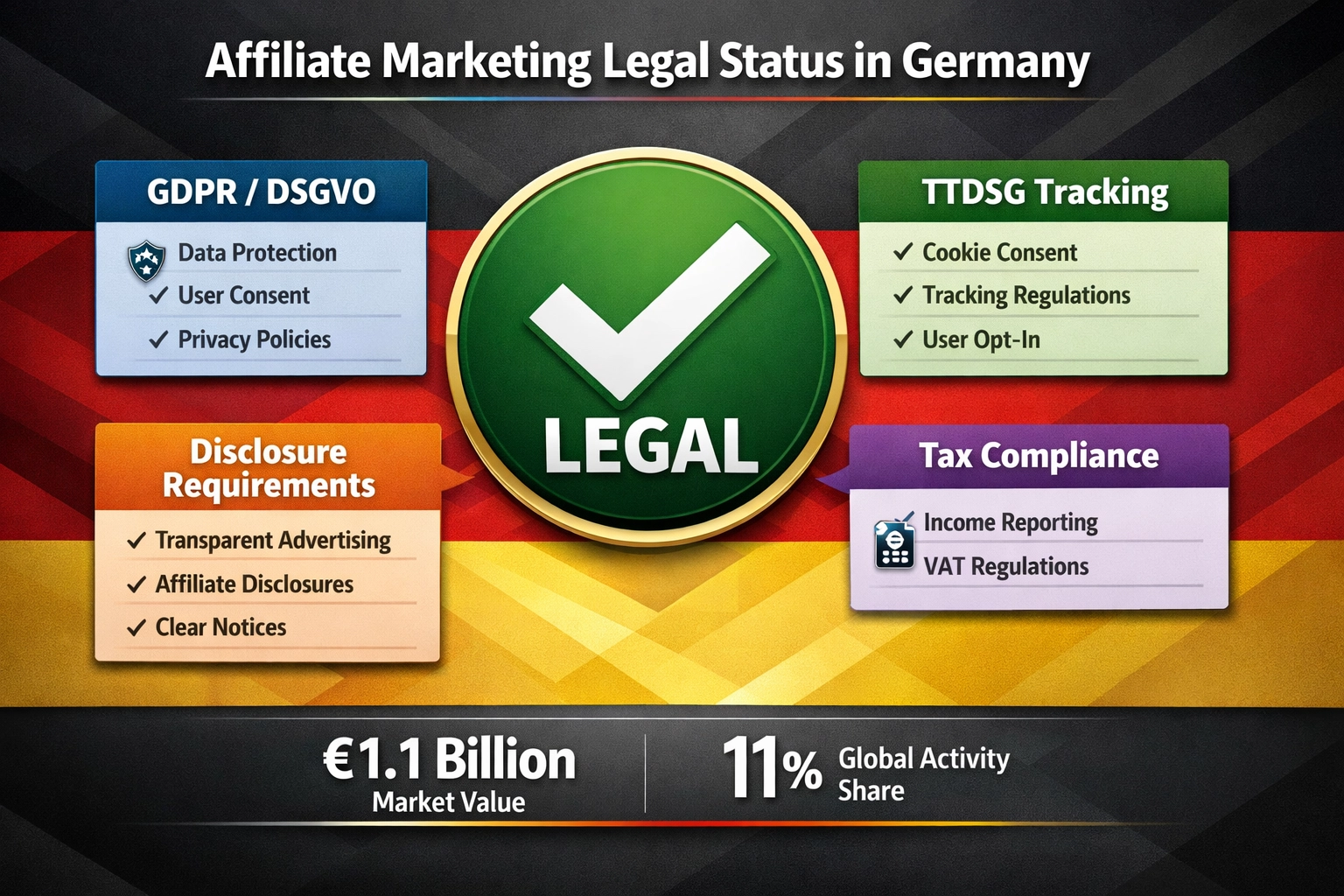
Is affiliate marketing legal in Germany? Learn about GDPR, TTDSG, disclosure requirements, and best practices for compliant affiliate programs.
Join our community of happy clients and provide excellent customer support with Post Affiliate Pro.




Cookie Consent
We use cookies to enhance your browsing experience and analyze our traffic. See our privacy policy.