



How to Hire an Affiliate Marketing Freelancer for Business
Learn how to hire and work with affiliate marketing freelancers to increase profits and grow your business.
16 min read
AffiliateMarketing
Freelancer
+3


Key skills for hiring affiliate marketing freelancers: digital marketing expertise, SEO, analytics, content creation, and communication that drive results.
The affiliate marketing industry has experienced remarkable growth, with investment increasing by 17% year-on-year between 2023 and 2024, and businesses reporting an impressive average return of £17 for every £1 spent on affiliate campaigns. Hiring the right affiliate marketing freelancer can be the difference between a thriving program and one that underperforms, making it essential to understand what skills and qualities to prioritize. A skilled freelancer brings not just technical expertise but also strategic thinking, creativity, and the ability to adapt to market changes—all critical components for building successful affiliate partnerships. When you invest in finding the right talent, you’re investing in your company’s growth potential and competitive advantage in an increasingly crowded digital marketplace.

An effective affiliate marketing freelancer must possess a solid foundation in digital marketing fundamentals, particularly performance marketing metrics that directly impact your bottom line. They should understand key performance indicators like return on investment (ROI), customer acquisition cost (CAC), lifetime value (LTV), and conversion rates—metrics that determine whether your affiliate program is truly profitable. Beyond these fundamentals, look for experience in affiliate program management, including recruiting affiliates, structuring commission models, and optimizing program performance across different channels. Knowledge of PPC (pay-per-click) advertising and paid media strategies is also valuable, as many successful affiliate marketers combine organic and paid approaches to maximize reach and conversions. A freelancer who understands how different marketing channels work together—from email to social media to search—will be better equipped to develop comprehensive strategies that drive sustainable growth for your affiliate program.

Set up advanced tracking in minutes. No credit card required.
Search engine optimization remains one of the most powerful tools in an affiliate marketer’s arsenal, with 78.3% of affiliate marketers relying on SEO to drive traffic to their promotions. Your ideal freelancer should demonstrate expertise in both on-page SEO (optimizing content, meta tags, and internal linking) and off-page SEO (building backlinks and establishing domain authority). They must be skilled at keyword research, particularly identifying and targeting long-tail keywords that have lower competition but higher conversion intent—these often deliver better ROI than broad, competitive terms. Content creation ability is equally important; the best affiliate marketers can produce diverse content types including blog posts, product reviews, tutorials, and comparison guides that naturally incorporate affiliate links while providing genuine value to readers.
| Content Type | Best For | Conversion Potential | Time Investment |
|---|---|---|---|
| Blog Posts | Organic traffic, SEO | High | Medium |
| Product Reviews | Direct conversions | Very High | Medium |
| Video Content | Engagement, retention | High | High |
| Social Media | Awareness, reach | Medium | Low |
| Email Campaigns | Nurturing, retention | High | Low |
Technical SEO knowledge—understanding how site speed, mobile optimization, and site structure affect search rankings—is also crucial, as these factors directly impact both user experience and affiliate link visibility. Additionally, your freelancer should be comfortable optimizing content for social media platforms, ensuring that promotional content resonates with audiences across different channels and drives engagement that converts to sales.
In affiliate marketing, data is your compass, and a skilled freelancer must be proficient in tracking and analyzing campaign performance using tools like Google Analytics, GA4, and industry-specific dashboards. They should understand how to set up proper tracking for affiliate links, implement conversion pixels, and create custom reports that reveal which affiliates, channels, and campaigns are driving the most valuable traffic. A/B testing and split testing capabilities are essential—the ability to test different landing pages, email subject lines, ad copy, and calls-to-action to continuously optimize conversion rates. Beyond basic analytics, look for experience with data validation and anomaly detection, which help identify unusual patterns that might indicate fraud or technical issues affecting your program’s integrity. A freelancer who can translate raw data into actionable insights—identifying which strategies work, which need adjustment, and where to allocate resources for maximum ROI—will be invaluable in scaling your affiliate program efficiently.
Be the first to know about new features and product updates.
Affiliate marketing is fundamentally a relationship-driven business, making strong communication skills one of the most underrated yet critical qualities in a successful freelancer. Your freelancer must be able to clearly articulate campaign strategies, explain performance metrics to non-technical stakeholders, and provide regular, transparent updates on program progress and results. They should excel at collaborating with affiliate networks and individual affiliates, addressing concerns promptly, and building trust through consistent, honest communication about what’s working and what needs improvement. Beyond external communication, they must be effective at internal collaboration, working seamlessly with your marketing team, product team, and leadership to align affiliate strategies with broader business objectives. Problem-solving and conflict resolution abilities are equally important—when issues arise (whether performance-related, technical, or interpersonal), a skilled freelancer can navigate these challenges diplomatically while maintaining productive partnerships.
When evaluating potential freelancers, past performance is one of the most reliable indicators of future success, making it essential to thoroughly review their portfolio and case studies. Ask for specific examples of affiliate campaigns they’ve managed, including metrics like traffic generated, conversion rates achieved, and revenue produced—concrete numbers tell a much clearer story than general claims of expertise. References and testimonials from previous clients are invaluable; don’t hesitate to contact these references directly to ask about the freelancer’s reliability, communication style, and ability to deliver results. Industry-specific experience is particularly valuable; a freelancer who has worked with SaaS companies, e-commerce businesses, or other sectors similar to yours will already understand your audience, sales cycle, and competitive landscape. Look for evidence of ROI-focused thinking—freelancers who consistently emphasize measurable results and can demonstrate how their work directly contributed to revenue growth are more likely to deliver value for your program.
Beyond tactical execution, the best affiliate marketing freelancers demonstrate strategic thinking that goes beyond day-to-day campaign management to understand broader market dynamics and long-term growth opportunities. They should be able to analyze market trends, understand consumer behavior shifts, and anticipate how these changes might affect your affiliate program’s performance and strategy. Creativity is essential for standing out in a saturated affiliate marketing space; your freelancer should be able to develop unique campaign angles, identify untapped affiliate channels, and create content that resonates with audiences in ways competitors haven’t yet explored. The ability to pivot quickly based on performance data is crucial in today’s fast-moving digital landscape—when a strategy isn’t working, a skilled freelancer can adjust tactics rapidly without losing momentum or wasting resources. They should also demonstrate awareness of industry trends and competitor strategies, continuously learning what’s working in the affiliate marketing space and adapting best practices to your specific program and audience.
A modern affiliate marketing freelancer must be comfortable working with various affiliate management software platforms that streamline program operations, track performance, and manage relationships. When evaluating freelancers, ask about their experience with leading platforms:
Familiarity with these tools demonstrates that your freelancer can hit the ground running and integrate seamlessly with your existing marketing technology stack, reducing onboarding time and accelerating campaign launch.
In an industry where trust is paramount, your affiliate marketing freelancer must have a strong understanding of legal and ethical requirements that govern affiliate marketing practices. They should be well-versed in FTC disclosure requirements, ensuring that all affiliate relationships are clearly disclosed to consumers in compliance with federal regulations—violations can result in significant penalties for both the freelancer and your company. Affiliate link transparency is non-negotiable; your freelancer should implement best practices for disclosing affiliate relationships, whether through clear “affiliate link” labels, disclaimer pages, or other transparent methods that build consumer trust. Beyond legal compliance, look for a commitment to ethical marketing practices that prioritize honest product recommendations and genuine value delivery over aggressive sales tactics that might generate short-term revenue but damage long-term brand reputation. Understanding data protection and privacy regulations (such as GDPR and CCPA) is increasingly important, particularly if your affiliate program operates internationally or targets audiences in regulated regions.
During the interview process, ask targeted questions that reveal a freelancer’s depth of knowledge and approach to affiliate marketing: “Walk me through your most successful affiliate campaign—what made it work?” and “How do you approach A/B testing and optimization?” provide insights into their strategic thinking and analytical capabilities. Request a portfolio review where they can walk you through specific campaigns, explaining their strategy, execution, and results—this reveals not just their accomplishments but also their ability to communicate complex concepts clearly. Consider giving promising candidates a small test project or case study challenge; ask them to analyze your current affiliate program and propose improvements, or to develop a campaign strategy for a hypothetical product launch. Reference checking is essential; contact previous clients and ask specific questions about reliability, communication quality, problem-solving abilities, and whether they delivered promised results on time and within budget. Watch for red flags such as reluctance to provide references, vague claims about results without supporting data, or inability to explain their methodologies clearly—these often indicate a lack of genuine expertise. Finally, assess their curiosity and commitment to continuous learning; the best freelancers stay updated on industry changes, regularly learn new tools and strategies, and demonstrate genuine enthusiasm for affiliate marketing as a discipline.

Affiliate marketing freelancer rates vary widely based on experience, location, and engagement model, ranging from hourly rates ($25-$150+/hour) to project-based fees or performance-based compensation tied to results. Rather than focusing solely on cost, evaluate value relative to investment—a more expensive freelancer with a proven track record of delivering 3x ROI is far more valuable than a cheaper option that generates minimal results. Calculate the ROI of your freelancer investment by comparing their cost against the additional revenue they generate through improved affiliate program performance; most skilled freelancers pay for themselves many times over through increased conversions and optimized campaigns. Different engagement models suit different needs: hourly rates work well for ongoing support and optimization, project-based fees are ideal for specific campaign launches, and performance-based compensation aligns incentives when you want the freelancer’s success directly tied to program results. Consider your budget allocation strategy carefully—investing in a skilled freelancer often delivers better returns than spending the same amount on paid advertising or other marketing channels, particularly if your affiliate program is underperforming or underdeveloped.
The most successful affiliate marketing programs are built on long-term partnerships with skilled freelancers who develop deep understanding of your business, audience, and goals over time. Provide ongoing support and training to help your freelancer stay current with platform updates, new marketing channels, and emerging best practices—this investment in their development pays dividends through improved campaign performance. Implement regular performance reviews (monthly or quarterly) to discuss results, celebrate wins, identify challenges, and collaboratively develop strategies for improvement and growth. Create feedback mechanisms that allow your freelancer to share insights about what’s working, what challenges they’re facing, and what resources or support they need to be more effective. As your affiliate program grows and becomes more successful, look for opportunities to scale the partnership—expanding their responsibilities, increasing their involvement in strategic planning, or creating performance-based incentives that reward their contributions to program growth. A freelancer who feels valued, supported, and invested in your long-term success will be far more committed to delivering exceptional results than one treated as a transactional vendor.
While all skills matter, proven track record and data-driven decision-making are often the most critical. A freelancer who can demonstrate measurable results from past campaigns and make strategic decisions based on analytics will consistently deliver ROI for your program.
Rates vary widely from $25-$150+ per hour depending on experience and location. Rather than focusing on cost alone, evaluate the value they deliver—a more expensive freelancer with a proven track record often provides better ROI than cheaper alternatives.
Essential tools include affiliate management software like PostAffiliatePro, Google Analytics, email marketing platforms, WordPress, and social media management tools. Familiarity with these platforms ensures they can integrate seamlessly with your existing marketing stack.
Request detailed case studies, ask for references from previous clients, review their portfolio, and consider giving them a small test project. Contact references directly to ask about their reliability, communication style, and ability to deliver measurable results.
Be cautious of freelancers who are reluctant to provide references, make vague claims about results without supporting data, cannot explain their methodologies clearly, or lack understanding of compliance and ethical standards in affiliate marketing.
Industry-specific experience is valuable but not always essential. A skilled freelancer with strong fundamentals can quickly learn your industry. However, someone with prior experience in your sector will understand your audience, sales cycle, and competitive landscape more quickly.
Each model has advantages: hourly rates work for ongoing support, project-based fees suit specific campaigns, and performance-based compensation aligns incentives. Consider your needs—ongoing optimization typically works best with hourly or retainer arrangements.
Ensure they understand FTC disclosure requirements and implement clear affiliate link labeling. Include compliance expectations in your contract, provide training on your specific disclosure practices, and regularly audit their content to verify proper disclosures are in place.
Find the right affiliate marketing freelancer and scale your program with PostAffiliatePro's comprehensive management platform. Track performance, manage relationships, and maximize ROI with industry-leading affiliate software.
Learn how to hire and work with affiliate marketing freelancers to increase profits and grow your business.
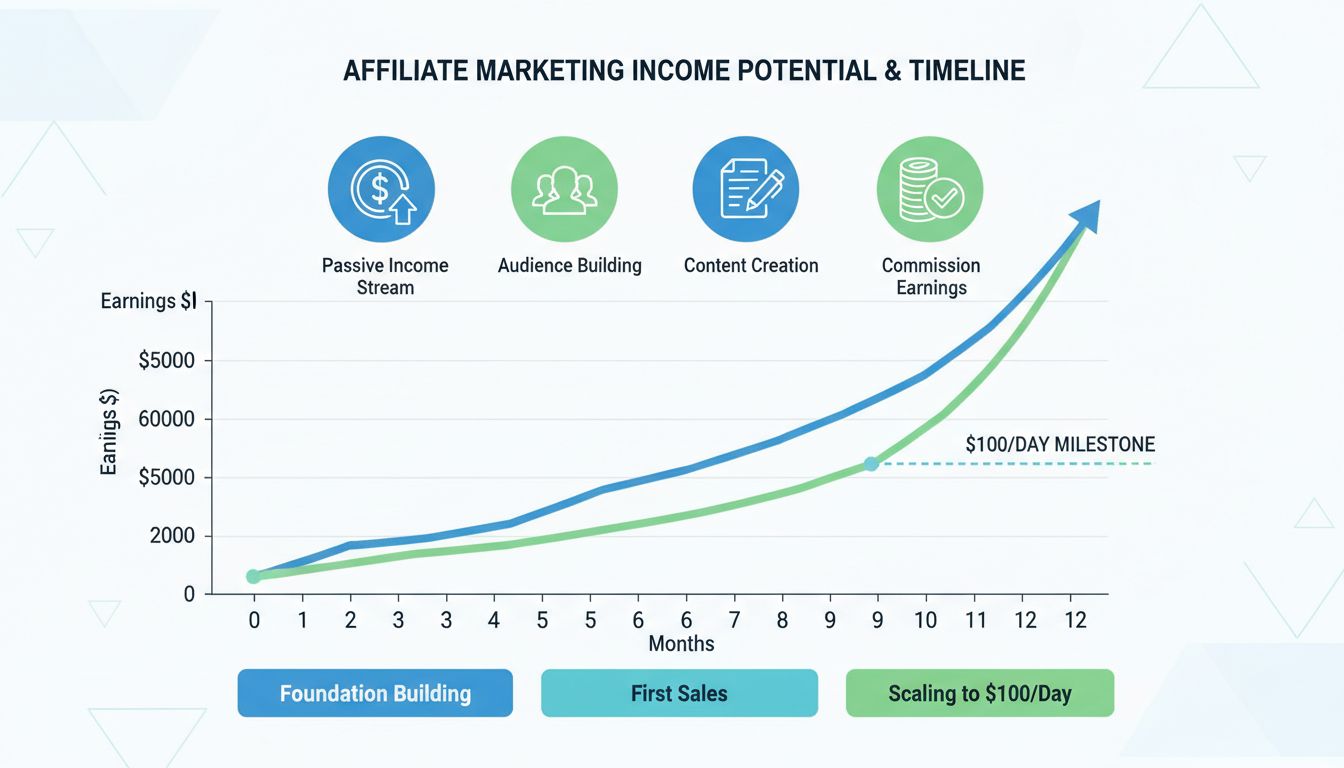
Discover if affiliate marketing is worth your time and effort. Learn realistic income expectations, timeline to profitability, and proven strategies to build pa...

proven strategies to streamline affiliate recruitment with dedicated landing pages, simplified sign-up processes, clear guidelines
Join our community of happy clients and provide excellent customer support with Post Affiliate Pro.




Cookie Consent
We use cookies to enhance your browsing experience and analyze our traffic. See our privacy policy.