


What is Cookie Tracking in Affiliate Marketing?
Learn how cookie tracking works in affiliate marketing. Understand cookie duration, attribution, privacy regulations, and why PostAffiliatePro is the best solut...
10 min read

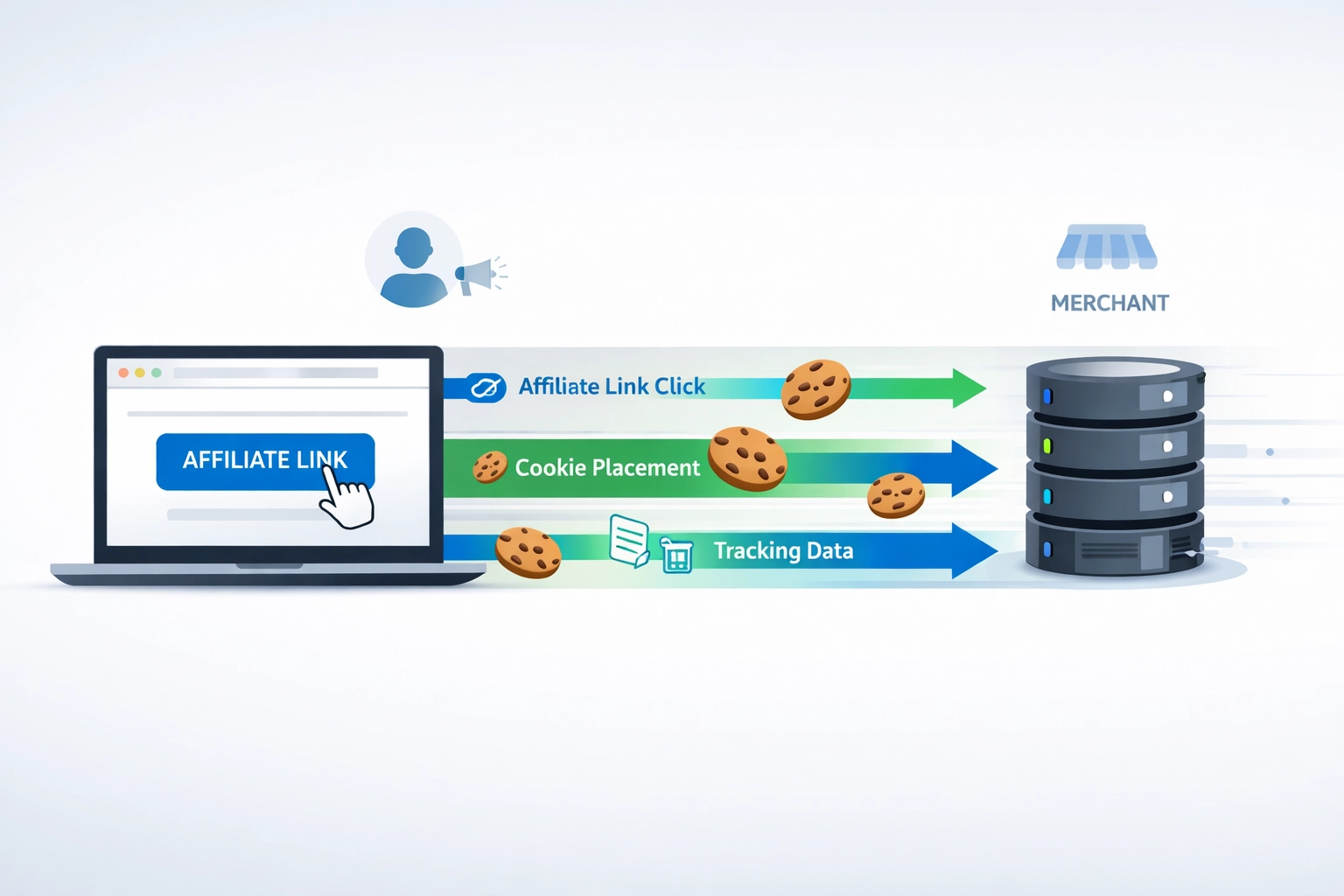
Learn how cookie tracking works in affiliate marketing, including cookie duration, types, compliance, and best practices for accurate attribution.
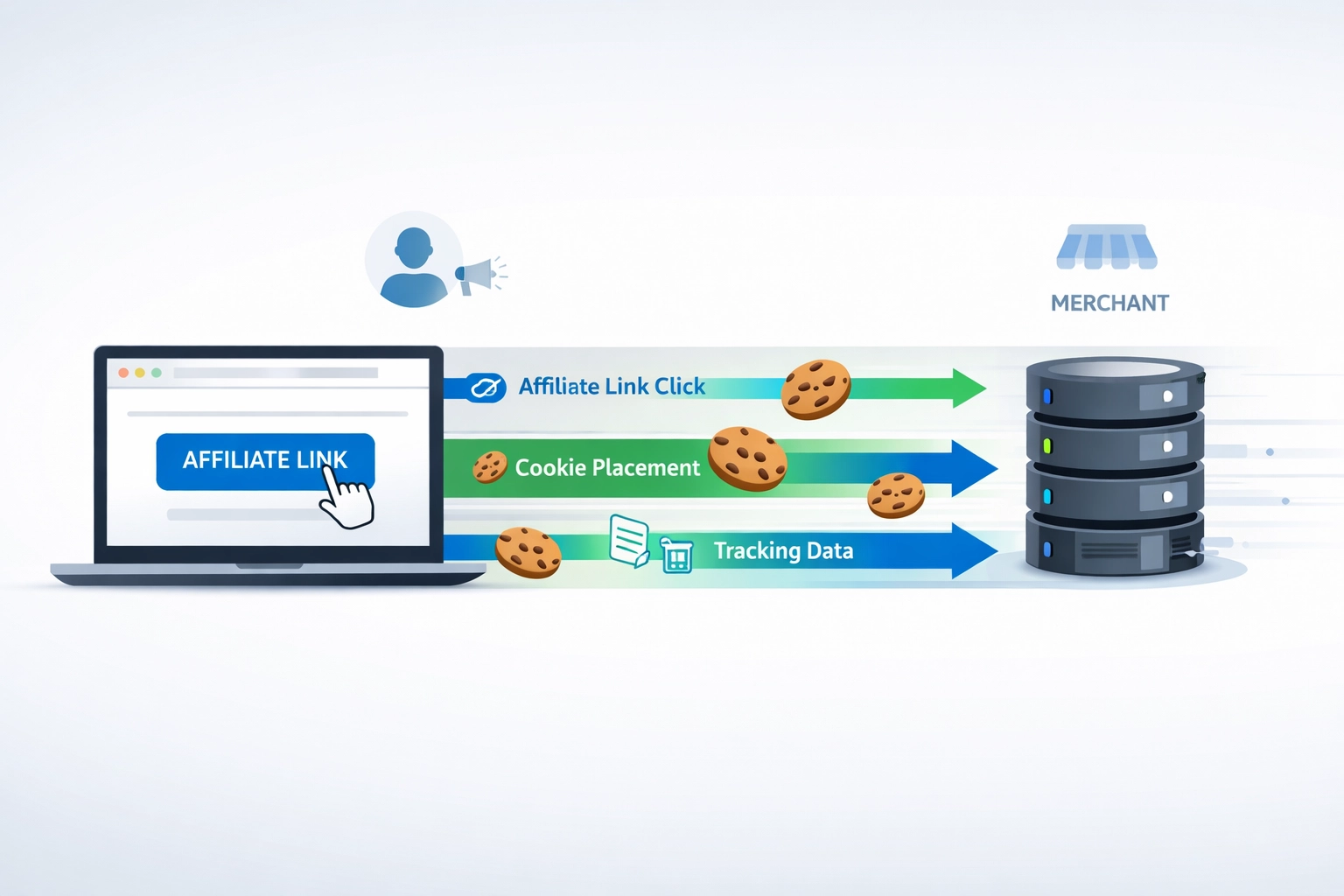
Tracking cookies are small text files stored on a user’s browser that record information about their interactions with affiliate links and websites. In affiliate marketing, these cookies serve as the digital backbone that connects customer actions to the affiliates who referred them, enabling merchants to accurately attribute sales and other conversions to the correct partner. Without tracking cookies, there would be no reliable way to know which affiliate drove a particular customer to make a purchase, leading to disputes over commissions and lost revenue for both merchants and publishers. The primary value of tracking cookies lies in their ability to bridge the gap between the initial click on an affiliate link and the eventual conversion, sometimes days or even weeks later. This mechanism ensures that affiliate marketing operates on a truly performance-based model, where partners are compensated fairly for the customers they bring to the merchant’s business.
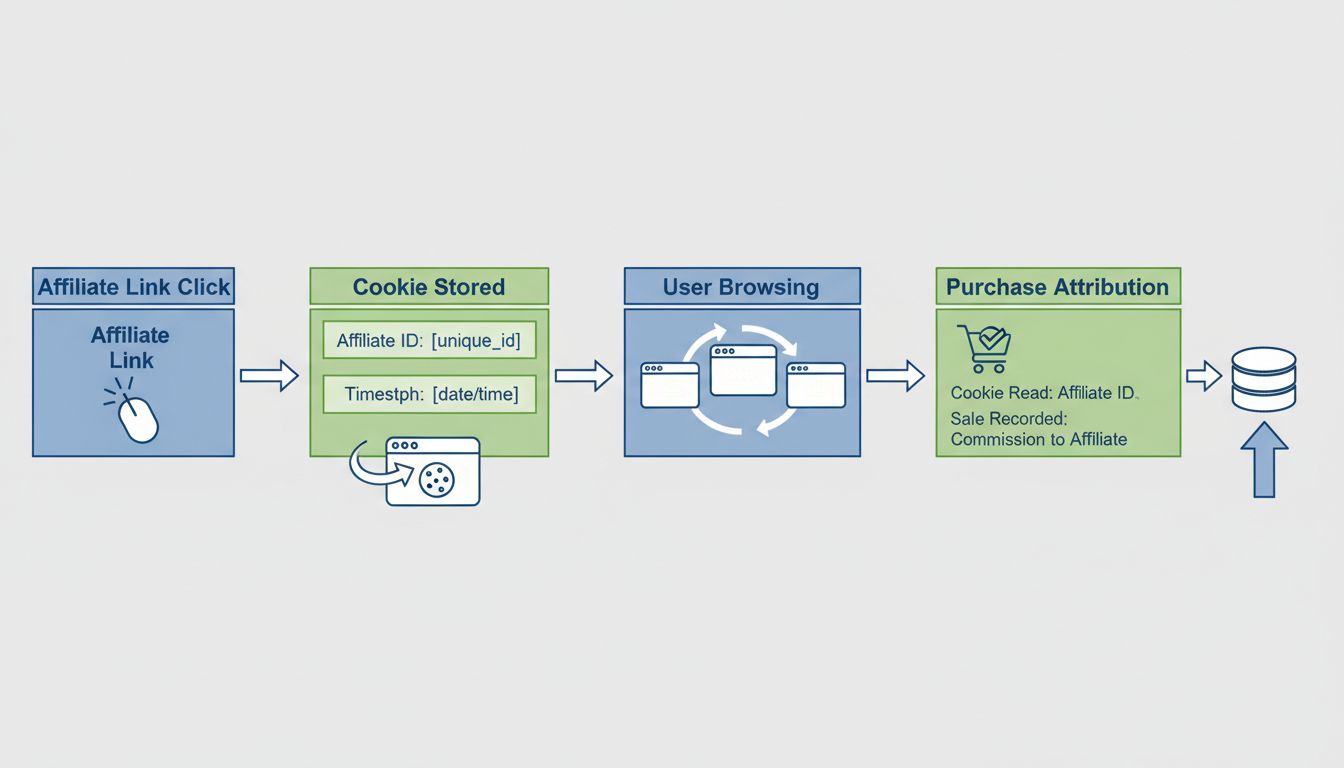
The cookie tracking process follows a straightforward but powerful sequence that enables accurate conversion attribution:
Affiliate Creates Unique Tracking Link - The affiliate network generates a unique tracking link for each affiliate, containing a special identifier that distinguishes one publisher from another. This link is embedded with parameters that identify the affiliate, the campaign, and sometimes additional metadata about the promotion.
User Clicks the Affiliate Link - When a potential customer clicks on the affiliate’s promotional link (from a blog post, email, social media, or advertisement), they are redirected to the merchant’s website. At this moment, the tracking system records the click event with a timestamp and the affiliate’s unique identifier.
Cookie is Placed on User’s Browser - As the user lands on the merchant’s website, a tracking cookie is automatically placed on their browser. This cookie contains critical information including the affiliate’s unique ID, the timestamp of the click, the source of the traffic, and sometimes additional data like the specific product viewed or campaign code.
User Browses and Shops - The user may spend minutes, hours, or even days browsing the merchant’s website, adding items to their cart, comparing products, or reading reviews. Throughout this entire journey, the cookie remains active on their browser, silently tracking their behavior and maintaining the connection to the original affiliate referral.
User Makes a Purchase or Conversion - When the user completes a qualifying action—whether it’s making a purchase, signing up for a service, or filling out a lead form—the merchant’s system records this conversion event. The system then checks for the presence of the tracking cookie to determine which affiliate should receive credit.
Attribution and Commission Calculation - The affiliate network matches the conversion data with the cookie information, confirming that the sale was referred by the specific affiliate. The system then calculates the appropriate commission based on the merchant’s commission structure and credits the affiliate’s account accordingly.
This entire process happens automatically and in real-time, with sophisticated tracking systems ensuring that each conversion is properly attributed to the correct affiliate, even when multiple affiliates may have interacted with the same customer.

Set up advanced tracking in minutes. No credit card required.
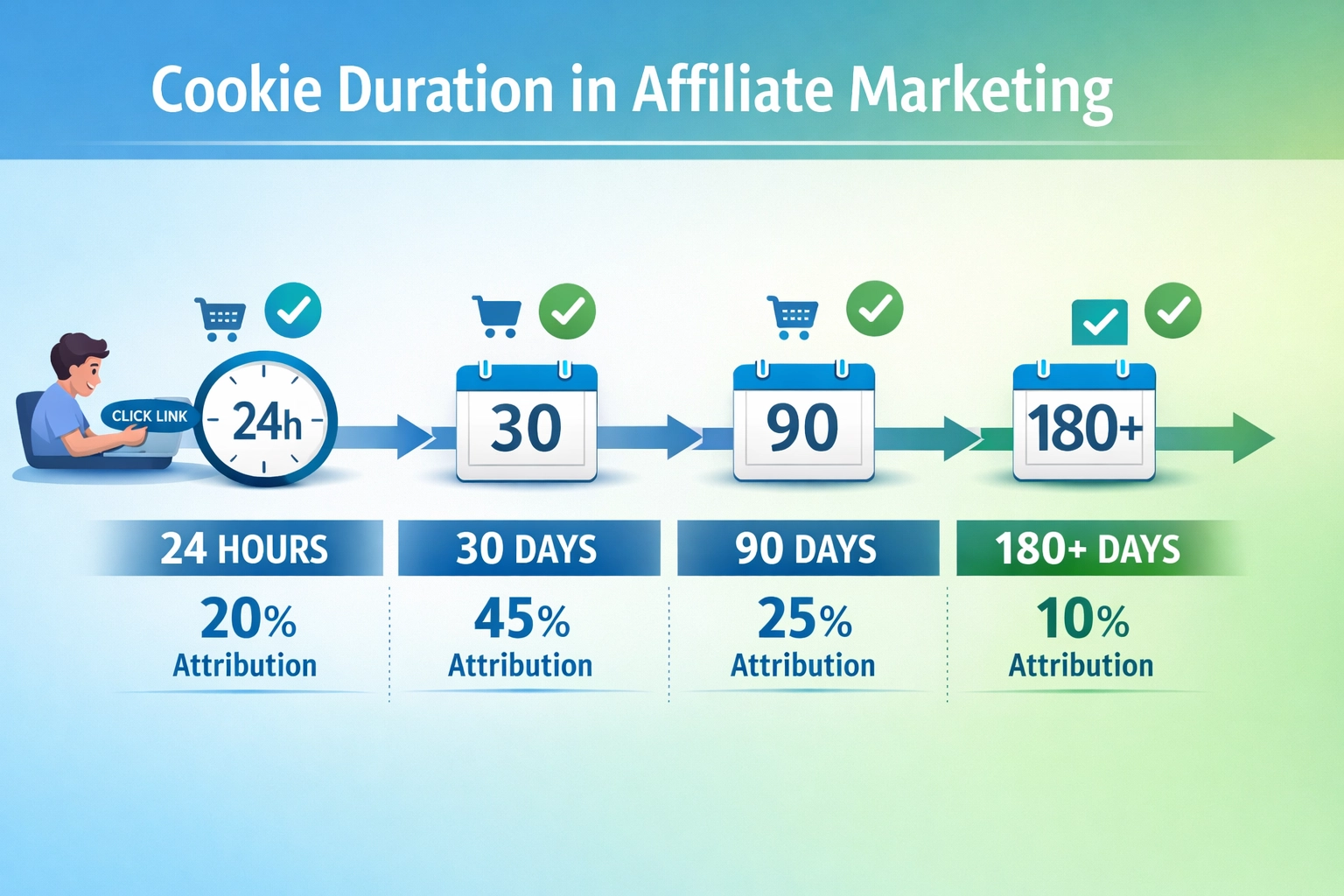
Cookie duration, also known as the “cookie window” or “cookie life,” refers to the length of time a tracking cookie remains active on a user’s browser after they click an affiliate link. This duration is one of the most critical factors in affiliate marketing because it directly determines whether an affiliate receives credit for a conversion. If a customer clicks an affiliate link but doesn’t make a purchase until several days later, the affiliate will only receive credit if the cookie is still active at the time of purchase. The industry standard for cookie duration is 30 days, which PostAffiliatePro uses as its default setting, though this varies significantly across different programs and industries. Some programs offer shorter durations of 24 hours for quick-decision purchases, while others extend to 90 days or even longer for high-value products that require extended consideration periods. Understanding cookie duration is essential because longer windows benefit affiliates by increasing the likelihood they’ll be credited for sales, while shorter windows may result in lost commissions if customers take time to decide.
| Cookie Duration | Industry Standard | Affiliate Benefit | Typical Use Cases |
|---|---|---|---|
| 24 hours | Short-term | Quick conversions only | PPC campaigns, impulse purchases |
| 30 days | Standard | Most affiliate programs | General e-commerce, SaaS |
| 90 days | Extended | Better for consideration purchases | Amazon Associates, luxury goods |
| 180+ days | Long-term | High-value products | B2B, enterprise software |
The concept of “last-click attribution” is closely tied to cookie duration—this model credits the last affiliate link clicked before a conversion as the source of the sale. This means that if a customer clicks multiple affiliate links from different publishers before making a purchase, only the affiliate whose link was clicked most recently (within the cookie duration) receives the commission. While this approach is straightforward and widely used, it’s important to recognize that it may not capture the full customer journey or acknowledge the contributions of earlier touchpoints.
Affiliate tracking employs several different types of cookies, each with distinct characteristics and implications for tracking accuracy and privacy. First-party cookies are set directly by the merchant’s domain and are considered the most reliable and privacy-friendly option. These cookies are stored on the user’s device and can only be read by the merchant’s website, making them compliant with modern privacy regulations and less susceptible to blocking by browsers. Third-party cookies, by contrast, are set by external domains (typically the affiliate network) and can track users across multiple websites. However, these are being phased out by major browsers like Chrome and Safari due to privacy concerns, making them increasingly unreliable for affiliate tracking. Beyond this distinction, cookies can also be categorized as session cookies, which expire when the user closes their browser, or persistent cookies, which remain on the device for a specified duration. In affiliate marketing terminology, you may also encounter the terms “hard cookies” (traditional persistent cookies that overwrite previous cookies) and “soft cookies” (temporary cookies that don’t overwrite existing tracking data). The shift toward first-party cookies and away from third-party cookies reflects the broader industry movement toward privacy-compliant tracking methods that respect user data while still enabling accurate affiliate attribution.
Be the first to know about new features and product updates.
Cookie-based tracking has remained the dominant method in affiliate marketing for decades because it offers numerous compelling advantages:
Easy Implementation and Wide Support - Cookies are supported by virtually all affiliate networks and e-commerce platforms, making them the simplest tracking method to implement without requiring extensive technical expertise or custom development.
Detailed User Behavior Insights - Tracking cookies capture comprehensive data about user interactions, including pages visited, products viewed, time spent on site, and browsing patterns, providing valuable insights into customer behavior and preferences.
Cost-Effective Solution - Compared to more sophisticated tracking methods, cookie-based tracking requires minimal infrastructure investment and ongoing maintenance costs, making it accessible to businesses of all sizes.
Cross-Browser Compatibility - Cookies work consistently across different browsers and devices (though with some limitations), ensuring that most of your affiliate traffic can be properly tracked regardless of the user’s technology choices.
Long-Term Customer Journey Tracking - With appropriate cookie durations, merchants can track and understand the complete customer journey from initial awareness through purchase, enabling better optimization of marketing funnels and customer experience.
Foundation for Multi-Touch Attribution - While basic cookie tracking uses last-click attribution, the data collected by cookies can be analyzed to understand the contribution of multiple touchpoints in the customer journey, supporting more sophisticated attribution models.
Despite its widespread use and numerous advantages, cookie-based tracking faces significant limitations that can impact tracking accuracy and affiliate compensation. Cookie deletion remains one of the most common challenges—many users regularly clear their browser cookies for privacy or storage reasons, which immediately breaks the tracking connection between the affiliate and any subsequent conversion. Browser privacy settings and restrictions have become increasingly stringent, with Safari’s Intelligent Tracking Prevention and similar features in other browsers actively limiting cookie functionality to protect user privacy. Cross-device tracking presents another fundamental limitation: cookies are stored locally on individual devices and browsers, so if a customer clicks an affiliate link on their mobile phone but completes the purchase on their desktop computer, the original affiliate won’t receive credit because the cookie from the mobile click won’t be present on the desktop. The ongoing deprecation of third-party cookies by major browsers means that affiliate networks can no longer rely on these cookies for cross-site tracking, forcing a transition to first-party cookie solutions. Ad blockers and privacy extensions can prevent cookies from being set or read entirely, causing tracking failures for users who employ these tools. Additionally, GDPR, CCPA, and other privacy regulations require explicit user consent before placing tracking cookies, adding compliance complexity and potentially reducing the number of users who can be tracked. These limitations collectively mean that cookie-based tracking, while still valuable, may miss a significant percentage of conversions, particularly from privacy-conscious users or those using modern browsers with enhanced privacy protections.
While cookies dominate affiliate marketing, several alternative tracking methods exist, each with distinct advantages and disadvantages. IP address tracking follows a visitor’s unique IP address to attribute conversions, working well for users who block cookies but struggling with shared IP addresses in corporate environments and VPN usage. Pixel tracking embeds invisible tracking code on web pages to monitor user behavior across devices and browsers, offering detailed insights but facing challenges with mobile tracking and privacy restrictions. Server-to-server (S2S) tracking, also called postback tracking, involves direct communication between the advertiser’s and affiliate network’s servers without relying on browser-based cookies, providing superior accuracy and cross-device capability but requiring significant technical expertise to implement. Fingerprinting creates unique device identifiers based on browser characteristics and device attributes, enabling cross-device tracking and resistance to cookie deletion but raising serious privacy concerns and legal compliance issues. PostAffiliatePro stands out by supporting multiple tracking methods simultaneously, allowing merchants to implement a hybrid approach that captures conversions through cookies while maintaining backup tracking through alternative methods. This multi-method strategy ensures maximum tracking accuracy and resilience against browser changes and user privacy settings, providing the most comprehensive view of affiliate performance.
| Tracking Method | Accuracy | Privacy Friendly | Cross-Device | Implementation Complexity |
|---|---|---|---|---|
| Cookie Tracking | High | Medium | No | Easy |
| Server-to-Server | Very High | High | Yes | Complex |
| Pixel Tracking | Medium | Low | Partial | Medium |
| IP Tracking | Medium | Low | No | Easy |
| Fingerprinting | High | Low | Yes | Complex |
The regulatory landscape surrounding cookie tracking has fundamentally changed how affiliate programs operate, with privacy laws now requiring explicit user consent and transparent data practices. The General Data Protection Regulation (GDPR) in the European Union mandates that websites obtain affirmative consent from users before placing any tracking cookies, with clear information about what data is collected and how it will be used. The California Consumer Privacy Act (CCPA) and similar state-level regulations in the United States grant consumers rights to know what personal information is collected, delete their data, and opt-out of data sales, directly impacting how affiliate tracking data can be used. The ePrivacy Directive in Europe adds another layer of requirements, specifically addressing electronic communications and cookie usage. To comply with these regulations, most websites now display cookie consent banners that inform users about tracking and request permission before placing cookies—a practice that has become standard across the internet. Best practices for compliance include maintaining a clear and accessible privacy policy that explains your tracking methods, implementing a robust consent management system that respects user choices, regularly auditing your tracking implementation to ensure compliance, and staying informed about regulatory changes in your target markets. PostAffiliatePro helps merchants navigate this complex landscape by providing built-in compliance features, consent management integration, and documentation tools that support GDPR, CCPA, and other regulatory requirements, ensuring that your affiliate program operates legally while maintaining effective tracking capabilities.
Successfully implementing cookie tracking requires careful planning and ongoing attention to ensure both accuracy and compliance. Set appropriate cookie duration for your business model—analyze your typical customer purchase cycle and set a duration that captures most conversions while respecting privacy concerns; 30 days is a solid default for most e-commerce, but high-consideration products may warrant 60-90 days. Implement clear cookie consent mechanisms that comply with applicable regulations, ensuring users understand what cookies are being used and have the ability to accept or decline tracking before cookies are placed. Monitor cookie performance regularly by analyzing your tracking data to identify any anomalies, such as sudden drops in tracked conversions that might indicate technical issues or browser changes affecting your tracking. Test tracking links frequently to ensure they’re functioning correctly and properly attributing conversions; broken or misconfigured tracking links result in lost commissions and affiliate frustration. Maintain transparent communication with affiliates about your tracking methods, cookie duration, and any changes to your tracking implementation, as affiliates need to understand how they’ll be compensated for their efforts. Document your tracking methodology thoroughly, including which tracking methods you use, how cookies are implemented, what data is collected, and how long it’s retained—this documentation is essential for compliance audits and troubleshooting. Stay updated on browser changes and industry developments by monitoring announcements from major browsers about cookie restrictions and privacy features, and be prepared to adapt your tracking strategy as the landscape evolves.
The data collected through cookie tracking provides invaluable insights that can dramatically improve your affiliate program’s performance and profitability. Analyze your tracking data systematically to understand which affiliates are driving the highest-quality traffic, which campaigns are most effective, and where customers are dropping off in your conversion funnel. Identify top-performing affiliates by examining metrics like conversion rate, average order value, and customer lifetime value—these insights help you allocate more resources to your best partners and understand what makes them successful. Optimize your commission structures based on performance data; if certain affiliates consistently drive high-value customers, consider offering them tiered commissions or performance bonuses to incentivize continued excellence. Improve affiliate recruitment by using historical data to identify the characteristics of your most successful affiliates, then targeting similar partners in your recruitment efforts. Detect fraudulent activities by analyzing tracking data for suspicious patterns, such as unusually high click volumes with low conversion rates or conversions that don’t match typical customer behavior. Make data-driven decisions about program changes, marketing tactics, and resource allocation rather than relying on assumptions or intuition. PostAffiliatePro’s advanced analytics dashboard provides comprehensive tracking data visualization, customizable reports, and performance metrics that make it easy to extract actionable insights from your cookie tracking data, enabling you to continuously optimize your program for maximum ROI and affiliate satisfaction.
An affiliate tracking cookie typically stores the affiliate's unique ID, the timestamp of the click, the source of the click, and sometimes additional data like the product viewed or campaign ID. This information allows the merchant to attribute any subsequent purchase to the correct affiliate.
Cookie duration varies by program, but the industry standard is 30 days. Some programs offer shorter durations (24 hours) for quick conversions, while others extend to 90 days or longer for high-value products. The longer the cookie duration, the better the chance an affiliate gets credited for a sale.
Yes, users can delete cookies through their browser settings, and many do regularly. This is one of the main limitations of cookie-based tracking. If a user deletes the cookie before making a purchase, the affiliate won't receive credit for that sale.
While similar in function, affiliate tracking cookies are specifically designed to track referrals from affiliates, while advertising cookies track user behavior for ad targeting. Both are tracking cookies, but they serve different purposes in the marketing ecosystem.
Traditional cookie tracking doesn't work across devices because cookies are stored locally on each device's browser. If a user clicks an affiliate link on their phone but purchases on their desktop, the original affiliate link won't be credited because the cookie from the mobile click won't be present on the desktop.
Cookie tracking can be GDPR-compliant if you obtain explicit user consent before placing cookies and provide clear information about how cookies are used. You must have a transparent cookie policy and allow users to opt-out. Non-compliance can result in significant fines.
First-party cookies are set by the merchant's domain and are more reliable and privacy-friendly. Third-party cookies are set by external domains and are being phased out by browsers due to privacy concerns. Most affiliate programs now rely on first-party cookies for better tracking accuracy.
Implement multiple tracking methods (cookies, server-to-server, pixels), regularly test your tracking links, maintain clear communication with affiliates about tracking methods, monitor your data for anomalies, and use affiliate software like PostAffiliatePro that offers robust tracking capabilities and compliance features.
PostAffiliatePro provides industry-leading cookie tracking and multi-method attribution to ensure accurate commission payouts and transparent affiliate partnerships. Start tracking your affiliate program with confidence.
Learn how cookie tracking works in affiliate marketing. Understand cookie duration, attribution, privacy regulations, and why PostAffiliatePro is the best solut...
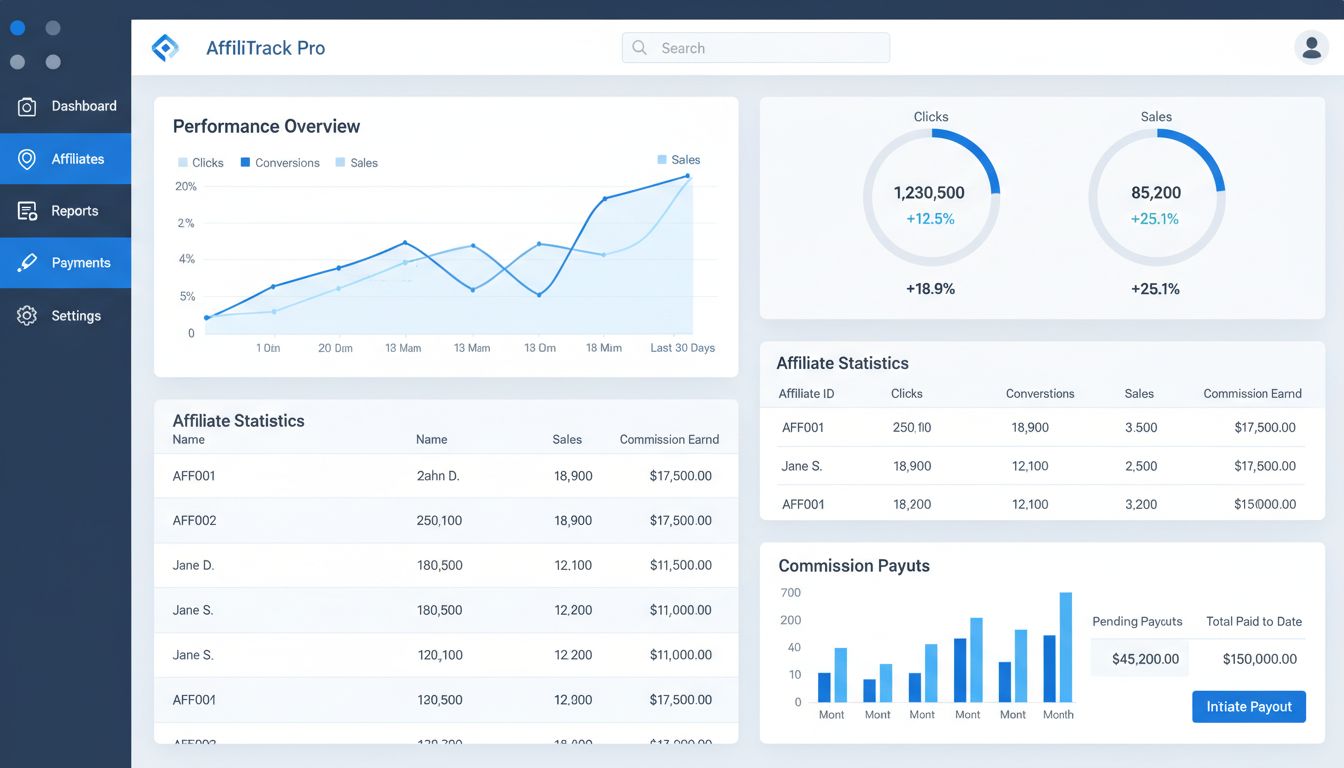
Learn how to track affiliate marketing effectively with our comprehensive guide to tracking software, tools, and best practices. Discover free and paid solution...
Tracking is done by tagging a visitor or a particular link, enabling you to follow their actions. Learn more about tracking and its benefits.
Join our community of happy clients and provide excellent customer support with Post Affiliate Pro.




Cookie Consent
We use cookies to enhance your browsing experience and analyze our traffic. See our privacy policy.