



How Affiliate Commission Rates Are Determined
Learn how affiliate commission rates are determined. key factors like profit margins, industry standards, customer lifetime value, and competitive analysis.
12 min read
In affiliate marketing, a commission cap limits the commission an affiliate can earn under a specified rule. The limit may apply to a customer, transaction, affiliate, campaign, amount, or earning duration. It does not automatically define the commission rate or the timing of payment.
In affiliate marketing, a commission cap limits the commission an affiliate can earn under a specified rule. The limit may apply to a customer, transaction, affiliate, campaign, amount, or earning duration. It does not automatically define the commission rate or the timing of payment.
| Cap | Example scope |
|---|---|
| Per transaction | Maximum commission on one qualifying order |
| Per customer | Maximum commission across an attributed customer’s purchases |
| Per affiliate and period | Maximum reward for one partner during a defined period |
| Duration-based | Renewals stop qualifying after a specified earning window |

Set up advanced tracking in minutes. No credit card required.
With a hypothetical 10% rate and a $100 per-sale cap, a $500 eligible order generates $50. A $2,000 eligible order would generate $200 before the cap, but pays at most $100. The cap lowers the effective rate on the larger order to 5%.
For a duration-based cap, use the actual commission period definition. Twelve calendar months and twelve successful renewals are not necessarily the same.
Caps can bound acquisition costs and protect the economics of unusually large transactions. They can also weaken incentives for partners who deliver high-value customers. Model how often the cap will bind and make the limit visible before promotion.
Be the first to know about new features and product updates.
Use an audit record to explain the uncapped calculation, amount applied, and remaining allowance. A cap can control reward cost; it does not validate referrals or detect fraud.
A flat-rate reward, percentage per sale, recurring subscription commission, and tiered commission can all use caps. The cap limits the permitted reward; it does not replace the underlying calculation. State whether a higher performance rate changes the maximum or simply reaches it faster.
For an illustrative $150 customer cap, three eligible $50 rewards use the full allowance. A fourth would pay nothing under a strict cumulative amount cap. If the second reward is reversed and the policy restores capacity, $50 can become available again. A policy that does not restore it produces a different total.
Partial refunds are one reason to test adjustments as well as full reversals. The source refund does not by itself determine how a cap should be restored.
A low monthly payout cap can discourage top performers from sending additional qualified traffic once it binds. A per-customer cap can have a different effect by limiting long-term repeat-purchase rewards. Model approved revenue and partner incentives before selecting the limit.
If the program combines caps with performance rewards , make the precedence clear. The partner should know both the commission rates they qualify for and the maximum affiliate commission they can earn under the complete rule.
Specify the unit and scope of the limit. “Up to $500” is incomplete without saying whether it means per customer, per month, or across the affiliate’s lifetime in the program. Also state whether bonuses and multi-tier rewards count toward the same cap.
For example, a hypothetical customer cap of $100 with $30 qualifying commissions per renewal pays $30 on the first three renewals and at most $10 on the fourth. A system that simply pays another $30 before checking the cap would exceed the policy.
Test the boundary, simultaneous conversions, partial refunds, and a group or rate change. Decide whether a reversal restores remaining capacity. Show the used and remaining allowance in partner reporting where possible. Review the cap against acquisition margins and retention rather than treating it as a substitute for fraud controls.
For the corresponding Post Affiliate Pro settings, consult the commission plugins documentation . Confirm the configuration and integration requirements against your program’s rules.
Explore Post Affiliate Pro’s tracking, commission settings, and partner management tools.
Learn how affiliate commission rates are determined. key factors like profit margins, industry standards, customer lifetime value, and competitive analysis.
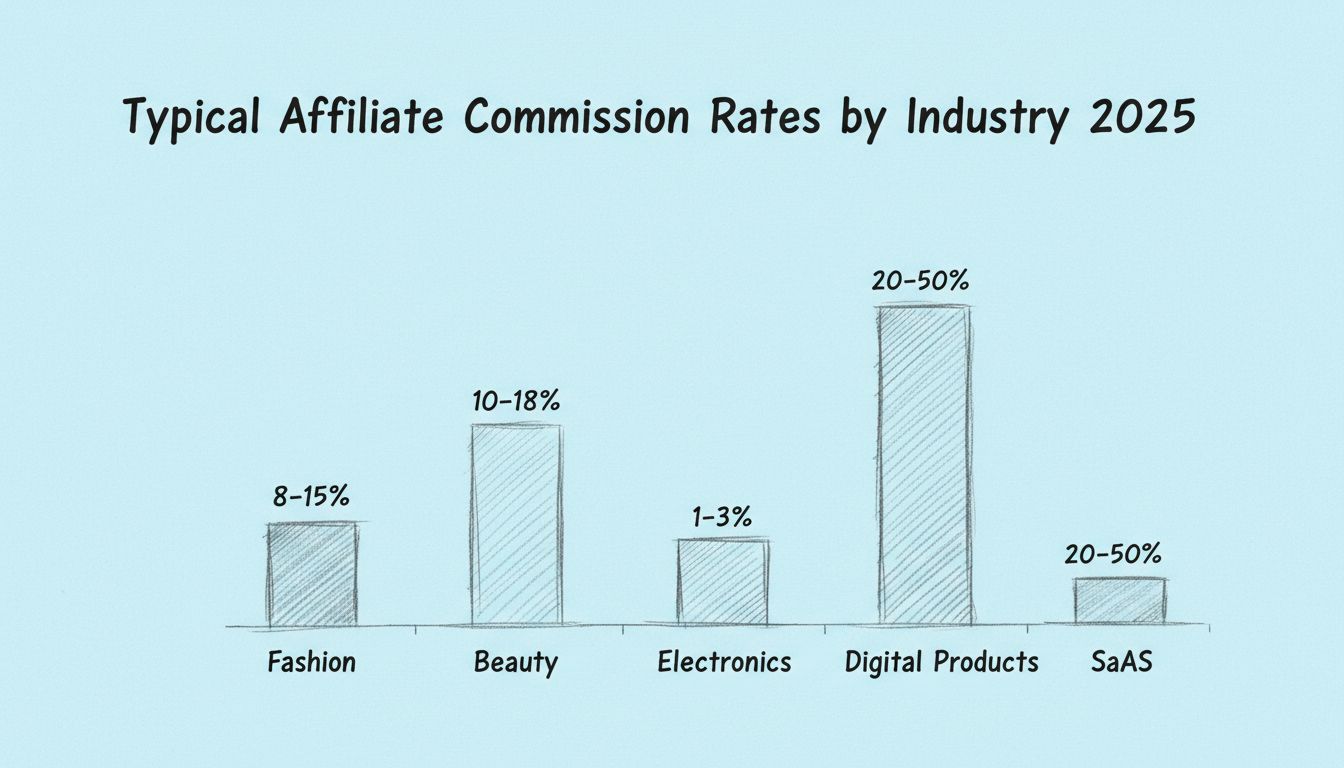
Discover how affiliate commission rates impact earnings potential, program selection, and long-term profitability. Learn commission structures and optimization ...
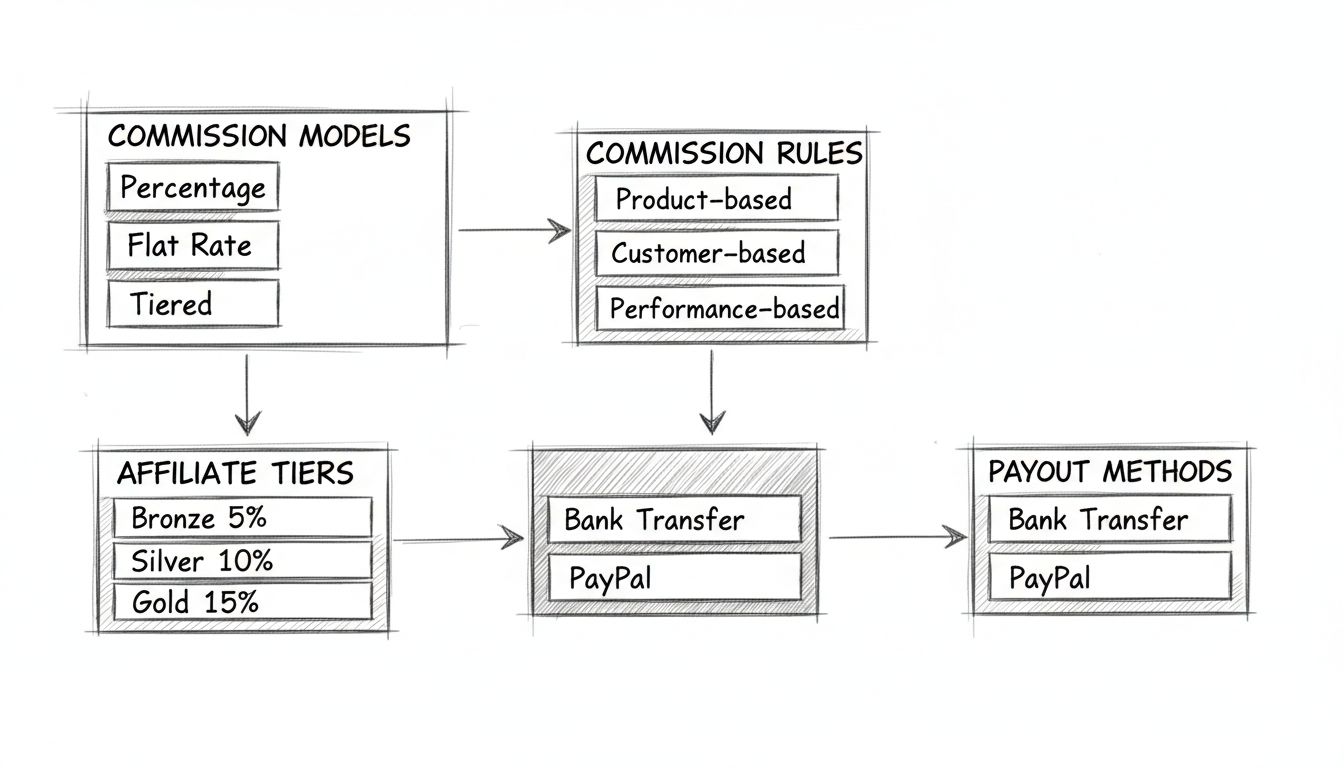
Learn how to create custom affiliate commission structures with tiered rates, product-specific commissions, and performance-based incentives. Complete guide wit...
Join our community of happy clients and provide excellent customer support with Post Affiliate Pro.




Cookie Consent
We use cookies to enhance your browsing experience and analyze our traffic. See our privacy policy.