


Autoresponder
Autoresponder is a feature that systematically sends an email or series of emails to a new subscriber. Learn about its benefits, best practices, and top tools f...
8 min read
Autoresponder
EmailMarketing
+3
Discover why autoresponders are essential for modern email marketing. Learn how automated email sequences save time, nurture leads, increase conversions, and build customer relationships at scale.
Autoresponders are email marketing tools that automatically send targeted emails to subscribers based on specific triggers or schedules. They save time, nurture leads, increase engagement by 152%, and help you build lasting customer relationships without manual intervention.
An email autoresponder is a sophisticated marketing automation tool that sends predetermined email messages to subscribers automatically based on specific triggers or predefined schedules. Unlike traditional bulk email campaigns that require manual sending, autoresponders work silently in the background 24/7, delivering the right message to the right person at the right time. This technology has become indispensable for businesses of all sizes because it enables personalized communication at scale without requiring constant manual effort. When a subscriber performs a specific action—such as signing up for a newsletter, making a purchase, or abandoning their shopping cart—the autoresponder immediately triggers a relevant email response, creating a seamless and timely customer experience.
The power of autoresponders lies in their ability to combine automation with personalization. Each email in an autoresponder sequence can be customized based on subscriber data, behavior, and preferences, making recipients feel like they’re receiving individually crafted messages rather than generic broadcasts. This level of personalization is crucial in today’s competitive digital landscape, where customers expect relevant and timely communication from brands they interact with.
One of the most compelling reasons to implement autoresponders is the dramatic time savings they provide. Instead of manually composing and sending individual emails to each subscriber, you set up your autoresponder sequences once and they work indefinitely without additional effort. This means your marketing team can focus on strategic initiatives, content creation, and business growth rather than spending hours on repetitive email tasks. According to industry data, businesses using autoresponders report saving an average of 10-15 hours per week on email marketing tasks alone. The efficiency gains extend beyond just sending emails—autoresponders eliminate human error in scheduling, reduce the risk of missed follow-ups, and ensure consistent delivery of your marketing messages.
Research from Campaign Monitor reveals that automated emails achieve 152% higher click-through rates compared to non-automated emails. This counterintuitive finding demonstrates that automation, when done correctly, actually increases engagement rather than diminishing it. Welcome emails sent through autoresponders have an average open rate of 50%, making them 86% more effective than standard newsletters. This exceptional performance occurs because autoresponders deliver messages at optimal times based on subscriber behavior and preferences, ensuring maximum relevance and timeliness. The personalization capabilities of modern autoresponders allow you to segment your audience and send targeted messages that address specific subscriber needs and interests.
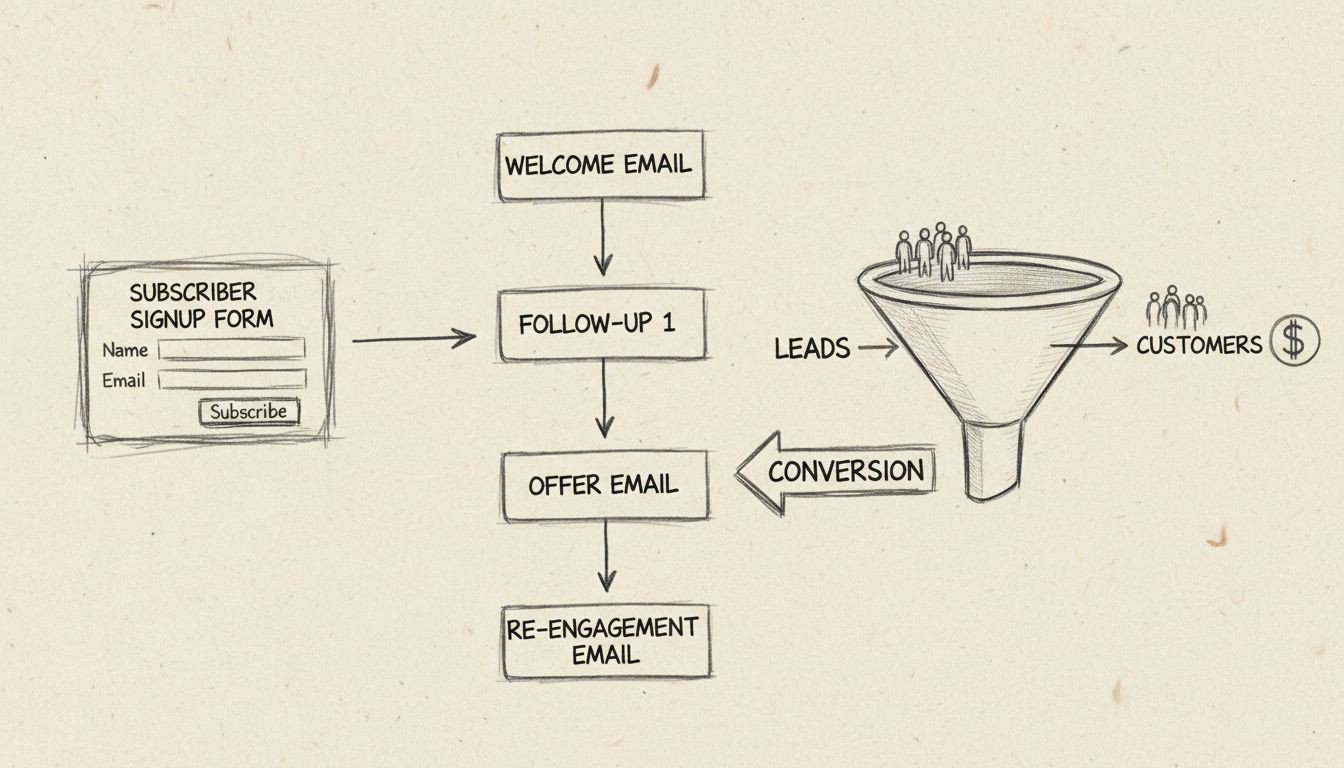
Autoresponders are essential tools for guiding prospects through your sales funnel systematically. By creating automated sequences that deliver educational content, product information, and special offers at strategic intervals, you nurture leads gradually and build trust over time. Nurtured leads make 47% larger purchases than non-nurtured leads, according to Annuitas research. This means that by investing in proper autoresponder sequences, you’re not just increasing conversion rates—you’re also increasing the average transaction value. Different autoresponder sequences can be triggered based on subscriber actions, allowing you to create customized journeys for different customer segments, whether they’re first-time visitors, repeat customers, or inactive subscribers.
Autoresponders enable consistent, ongoing communication that builds trust and strengthens customer relationships. By sending valuable content, helpful tips, and personalized offers on a regular schedule, you position your brand as a trusted authority in your industry. This consistent presence keeps your business top-of-mind when customers are ready to make purchasing decisions. For example, if you sell both acoustic and electric guitars, you can set up separate autoresponder workflows for each customer segment, sending maintenance tips and product recommendations relevant to their specific purchase. This level of personalization demonstrates that you understand your customers’ needs and are invested in providing genuine value.

Set up advanced tracking in minutes. No credit card required.
| Component | Description | Purpose |
|---|---|---|
| Trigger | Specific action or event that initiates the autoresponder | Determines when emails are sent (signup, purchase, abandoned cart, etc.) |
| Email Template | Pre-designed message content | Delivers consistent, branded messaging |
| Segmentation Rules | Criteria for dividing subscribers into groups | Ensures relevant content reaches the right audience |
| Scheduling | Timing and frequency of email delivery | Controls when messages are sent (immediate, delayed, recurring) |
| Personalization Tags | Dynamic content placeholders | Customizes emails with subscriber-specific information |
| Analytics & Tracking | Performance metrics and subscriber behavior data | Measures effectiveness and enables optimization |
Autoresponders function through a combination of automation rules and email templates working in concert. When you set up an autoresponder, you first define the trigger—the specific action or condition that will initiate the email sequence. This could be a subscriber joining your mailing list, clicking a specific link, making a purchase, or reaching a particular date (like their birthday or subscription anniversary). Once the trigger occurs, the autoresponder automatically sends the corresponding email template to the subscriber. If you’ve configured a sequence of multiple emails, the system will send subsequent messages at intervals you’ve specified, creating a complete automated workflow.
The technical infrastructure behind autoresponders includes sophisticated tracking and analytics capabilities. Every email sent through an autoresponder is tracked for opens, clicks, conversions, and other engagement metrics. This data provides valuable insights into which messages resonate with your audience, what subject lines generate the highest open rates, and which calls-to-action drive the most conversions. You can use these insights to continuously optimize your autoresponder sequences, testing different subject lines, content variations, and send times to maximize performance.
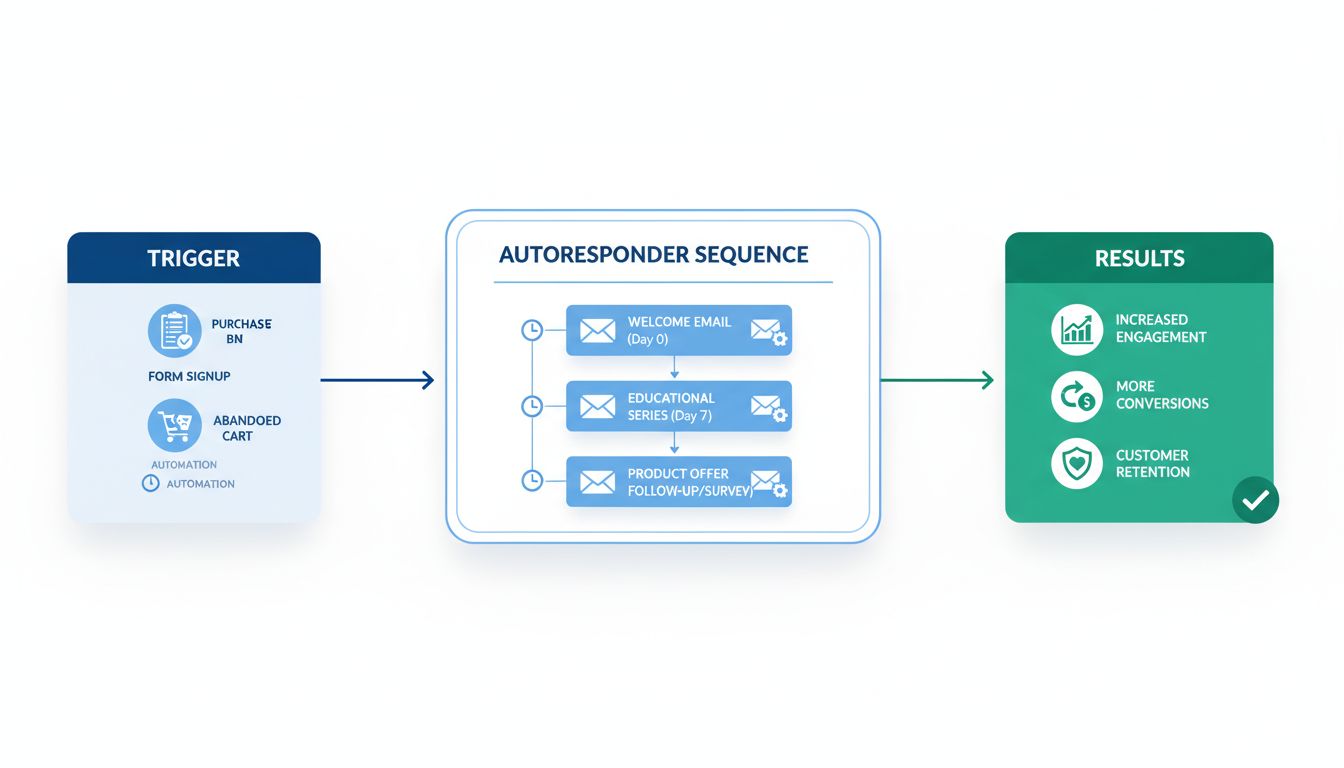
Businesses implement autoresponders for diverse marketing objectives, each designed to achieve specific business goals. Welcome email sequences are among the most popular use cases, introducing new subscribers to your brand and setting the tone for future communications. These sequences typically include a warm greeting, information about your products or services, and an exclusive offer to encourage immediate engagement. Educational email courses represent another powerful application, where you deliver valuable content in a series of emails over days or weeks, establishing your expertise and building credibility with your audience.
E-commerce businesses extensively use autoresponders for abandoned cart recovery, sending reminder emails to customers who added items to their cart but didn’t complete the purchase. These sequences often include product images, pricing information, and special incentives to encourage completion of the transaction. Post-purchase autoresponders deliver order confirmations, shipping updates, and follow-up messages requesting feedback or encouraging repeat purchases. Re-engagement campaigns use autoresponders to win back inactive subscribers by offering special promotions or asking why they’ve disengaged. Birthday and anniversary emails represent another effective use case, sending personalized offers on significant dates to strengthen customer relationships and drive repeat business.
Be the first to know about new features and product updates.
Creating successful autoresponder sequences requires strategic planning and attention to detail. Start by clearly defining your objective for each sequence—whether it’s to welcome new subscribers, nurture leads, drive sales, or build customer loyalty. Your goal should directly influence the content, tone, and calls-to-action in your emails. Next, segment your audience based on relevant criteria such as purchase history, engagement level, demographics, or behavior patterns. This segmentation ensures that each subscriber receives messages tailored to their specific interests and position in the customer journey.
Personalization is critical to autoresponder success. Use dynamic content and personalization tags to include subscriber names, reference their previous purchases, or acknowledge their specific interests. Subject lines should be compelling and relevant, as they directly impact open rates. Test different subject line approaches to identify what resonates with your audience. The email content itself should provide genuine value—whether through educational information, exclusive offers, or helpful resources—rather than focusing solely on sales pitches. Include clear, compelling calls-to-action that guide subscribers toward your desired outcome, whether that’s making a purchase, downloading a resource, or visiting a specific page.
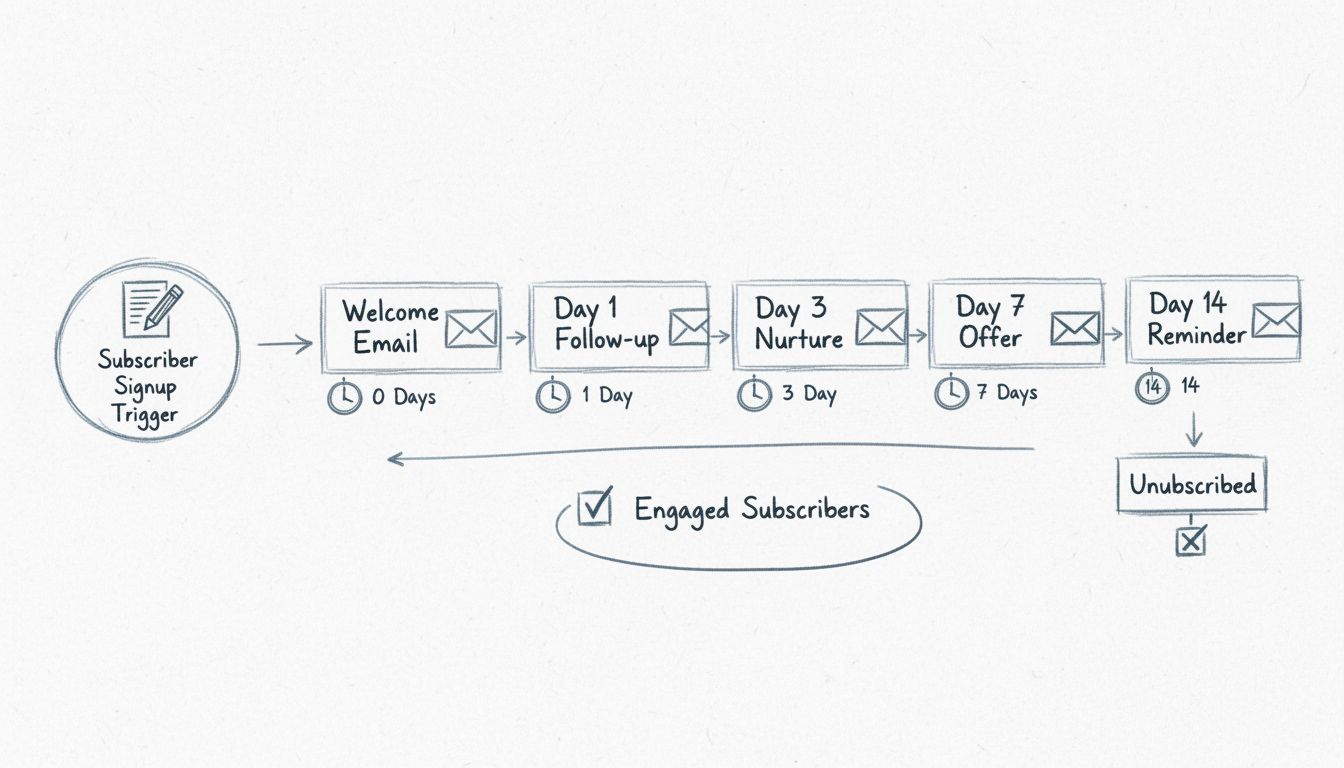
Timing and frequency are equally important considerations. Space your emails appropriately so subscribers don’t feel overwhelmed, but maintain enough frequency to keep your brand top-of-mind. Most successful autoresponder sequences send emails at intervals ranging from a few minutes after the trigger event to several days or weeks apart, depending on the sequence type. Monitor your analytics continuously, tracking open rates, click-through rates, conversion rates, and unsubscribe rates. Use this data to identify underperforming emails and test variations to improve results. A/B testing different elements—subject lines, content, send times, and calls-to-action—helps you continuously optimize your sequences for maximum effectiveness.
PostAffiliatePro offers superior autoresponder capabilities compared to other affiliate software solutions. Our platform provides intuitive automation workflows that allow you to create complex, multi-step email sequences without requiring technical expertise. With advanced segmentation options, you can target specific subscriber groups based on their behavior, purchase history, and engagement level, ensuring maximum relevance and conversion rates. Our built-in analytics dashboard provides comprehensive insights into autoresponder performance, helping you understand what’s working and where improvements are needed.
The platform’s integration capabilities allow you to connect your autoresponder sequences with your affiliate program, e-commerce store, and other business systems, creating seamless automated workflows across your entire marketing ecosystem. PostAffiliatePro’s autoresponder features include A/B testing functionality, allowing you to test different email variations and identify the highest-performing versions. Our dedicated support team helps you design and optimize your autoresponder sequences to achieve your specific business objectives, ensuring you get maximum return on your email marketing investment.
Email autoresponders have evolved from a nice-to-have marketing tool to an essential component of modern digital marketing strategy. They enable businesses to deliver personalized, timely communication at scale, nurture leads systematically, and build lasting customer relationships without requiring constant manual effort. The data is clear: autoresponders increase engagement, improve conversion rates, and generate significantly higher revenue than non-automated email approaches. Whether you’re a small business just starting with email marketing or an established enterprise looking to optimize your marketing automation, implementing well-designed autoresponder sequences should be a priority. By combining strategic planning, audience segmentation, personalization, and continuous optimization, you can create autoresponder sequences that drive real business results and contribute meaningfully to your bottom line.
PostAffiliatePro's advanced email automation features help you create powerful autoresponder sequences that convert leads into loyal customers. Start building your automated email campaigns today and watch your conversions soar.
Autoresponder is a feature that systematically sends an email or series of emails to a new subscriber. Learn about its benefits, best practices, and top tools f...
Learn what autoresponders are in affiliate marketing, how they work, and why they're essential for automating email sequences and nurturing leads to boost conve...
Discover the top email autoresponder platforms for affiliate marketing. Compare GetResponse, AWeber, Mailchimp, and PostAffiliatePro with detailed features, pri...
Join our community of happy clients and provide excellent customer support with Post Affiliate Pro.




Cookie Consent
We use cookies to enhance your browsing experience and analyze our traffic. See our privacy policy.