



Prevent Plagiarism of Affiliate Content: Protection Guide
effective strategies to prevent plagiarism of affiliate content including security hosting, DMCA registration, monitoring tools like Copyscape, watermarks
13 min read
Learn how to monitor if your content has been plagiarized using Copyscape, Plagium, Google Alerts, and advanced detection techniques. Protect your original content in 2025.
Monitor content plagiarism by regularly using plagiarism detection tools such as Copyscape, Plagium, or Google Alerts. Search statistically improbable phrases from your content in Google, and check for duplications across the web using multiple verification methods.
Content plagiarism has become a critical concern for digital marketers, content creators, and affiliate marketers in 2025. With the rise of artificial intelligence and automated content generation tools, protecting your original work has never been more important. Monitoring whether your content has been plagiarized requires a multi-layered approach that combines automated tools, manual verification, and strategic search techniques. The process involves regularly checking your content against vast databases of online material to identify unauthorized copies or significant similarities that could harm your search engine rankings and brand reputation.
Copyscape stands as the world’s most trusted plagiarism checker, used by millions of professionals worldwide for over two decades. This enterprise-class solution offers multiple detection methods that work whether your content was written by humans or generated by artificial intelligence. Copyscape Premium provides unlimited searches and API integration capabilities, allowing you to check your content before publishing. The platform’s advanced algorithms scan billions of web pages in real-time, identifying exact matches and paraphrased versions of your content across the internet.
The tool operates through several mechanisms: it searches for your content across indexed web pages, identifies duplicate instances, and provides detailed reports showing where your content appears online. Copyscape’s API integration allows content management systems and publishing platforms to automatically check content originality before deployment. The platform also offers Copysentry, an automated monitoring service that continuously watches the web for copies of your content and sends instant email alerts whenever new duplicates are discovered. This proactive approach ensures you’re immediately notified of potential copyright violations.
Plagium provides another robust option for plagiarism detection, offering both free and premium scanning capabilities. This tool specializes in identifying copied content across multiple search engines and databases. Plagium’s strength lies in its ability to detect paraphrased content, not just exact matches, making it valuable for identifying sophisticated plagiarism attempts. The service integrates with various platforms and offers API access for developers who need to embed plagiarism detection into their applications.
| Detection Tool | Key Features | Best For | Detection Accuracy |
|---|---|---|---|
| Copyscape Premium | Unlimited searches, API, real-time scanning | Professional publishers | 99%+ |
| Plagium | Paraphrase detection, multi-engine search | Content creators | 95%+ |
| Google Alerts | Free monitoring, email notifications | Budget-conscious users | 85%+ |
| PlagiarismCheck.org | Google Docs integration, AI detection | Academic & business | 98%+ |
| Winston AI | AI content detection, plagiarism combined | Modern content verification | 99.98% |

Set up advanced tracking in minutes. No credit card required.
Google Alerts provides a free, accessible method for ongoing plagiarism monitoring. By setting up alerts for statistically improbable phrases from your content, you receive email notifications whenever those exact phrases appear online. This technique works by identifying unique word combinations that are unlikely to appear naturally in other content. For example, if your article contains a distinctive phrase like “affiliate marketing conversion optimization strategies,” setting a Google Alert for this exact phrase will notify you whenever it appears elsewhere on the web.
The manual search approach involves copying distinctive sentences or paragraphs from your content and searching them directly in Google using quotation marks for exact phrase matching. This method is particularly effective for identifying obvious plagiarism where entire passages have been copied verbatim. By searching multiple unique phrases throughout your content, you can systematically verify whether your work has been reproduced without permission. This technique requires more effort than automated tools but provides immediate results and helps you understand exactly where your content is being used.
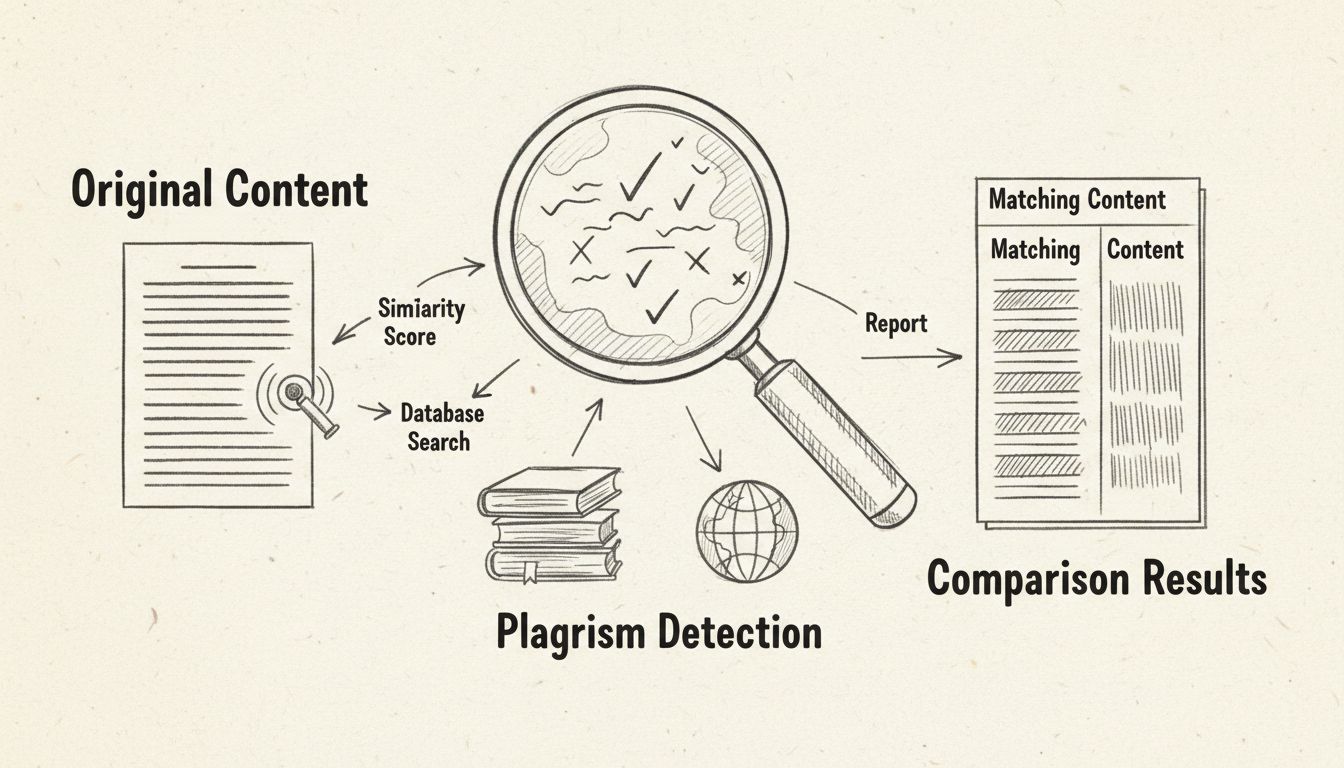
Modern plagiarism detection has evolved beyond simple text matching to include sophisticated AI detection capabilities. Tools like Winston AI combine plagiarism detection with artificial intelligence content identification, achieving 99.98% accuracy in detecting whether content was generated by ChatGPT, Google Gemini, Claude, or other AI language models. This dual-detection approach is essential in 2025, as AI-generated content that closely mimics human writing can bypass traditional plagiarism checkers while still representing unauthorized use of training data.
Comprehensive monitoring involves checking your content across multiple platforms simultaneously. Google Docs integration through services like PlagiarismCheck.org allows real-time plagiarism checking directly within your writing environment. These add-ons provide similarity scores and detailed reports showing which sources match your content, enabling you to identify plagiarism before publishing. The integration with Google Classroom, Canvas, Moodle, and other learning management systems makes plagiarism detection accessible to educators and institutional users.
Be the first to know about new features and product updates.
Effective plagiarism monitoring requires establishing a consistent schedule rather than sporadic checking. Content creators should perform initial plagiarism checks before publishing any new material, ensuring originality before the content goes live. After publication, quarterly or semi-annual checks help identify unauthorized copies that may have appeared since the original publication date. For high-value content or content in competitive niches, monthly monitoring provides more comprehensive protection.
The monitoring process should include checking not only your primary website but also syndicated versions of your content, guest posts, and content distributed through affiliate networks. Many affiliate marketers republish content across multiple platforms, creating multiple opportunities for plagiarism to occur. By monitoring all distribution channels, you maintain complete visibility over where your content appears and can quickly identify unauthorized reproductions. Setting up automated alerts through Copysentry or similar services ensures continuous monitoring without requiring manual effort.
When plagiarism is detected, immediate action is crucial. Document the plagiarism by taking screenshots of the offending content and recording the URL, publication date, and any identifying information. Contact the website owner or administrator with a cease-and-desist notice, providing evidence of your original publication date and requesting removal of the plagiarized content. Most legitimate websites will comply with removal requests when presented with clear evidence of copyright infringement.
For persistent plagiarism or commercial use of your content without permission, consider filing a Digital Millennium Copyright Act (DMCA) takedown notice with search engines and hosting providers. This legal mechanism forces removal of plagiarized content from search results and hosting platforms. In severe cases involving significant commercial damage, consulting with an intellectual property attorney may be necessary to pursue legal remedies and recover damages.
Beyond detection, implementing preventive measures reduces plagiarism risk. Adding copyright notices and plagiarism detection banners to your website signals that you actively monitor and protect your content. These visual indicators deter casual plagiarists and demonstrate your commitment to content protection. Copyscape offers free plagiarism banners in various sizes and styles that can be placed on web pages to warn potential plagiarists.
Implementing proper attribution requirements for syndicated content ensures that any republication includes clear links back to your original work. This practice not only protects your content but also provides SEO benefits through backlinks. For affiliate marketers using PostAffiliatePro, integrating plagiarism monitoring into your content management workflow ensures that all marketing materials maintain originality standards. Regular audits of your affiliate network’s content usage help identify unauthorized modifications or plagiarism within your partner ecosystem.
Monitoring content plagiarism in 2025 requires a comprehensive approach combining multiple detection tools, regular verification schedules, and proactive protection measures. By utilizing Copyscape for professional detection, Google Alerts for continuous monitoring, and manual search techniques for verification, you create a robust defense against content theft. The integration of AI detection capabilities ensures you identify not only plagiarized content but also unauthorized AI-generated variations of your work. Establishing a systematic monitoring routine and responding promptly to plagiarism discoveries protects your brand reputation, maintains search engine rankings, and ensures your original content receives proper attribution and value.
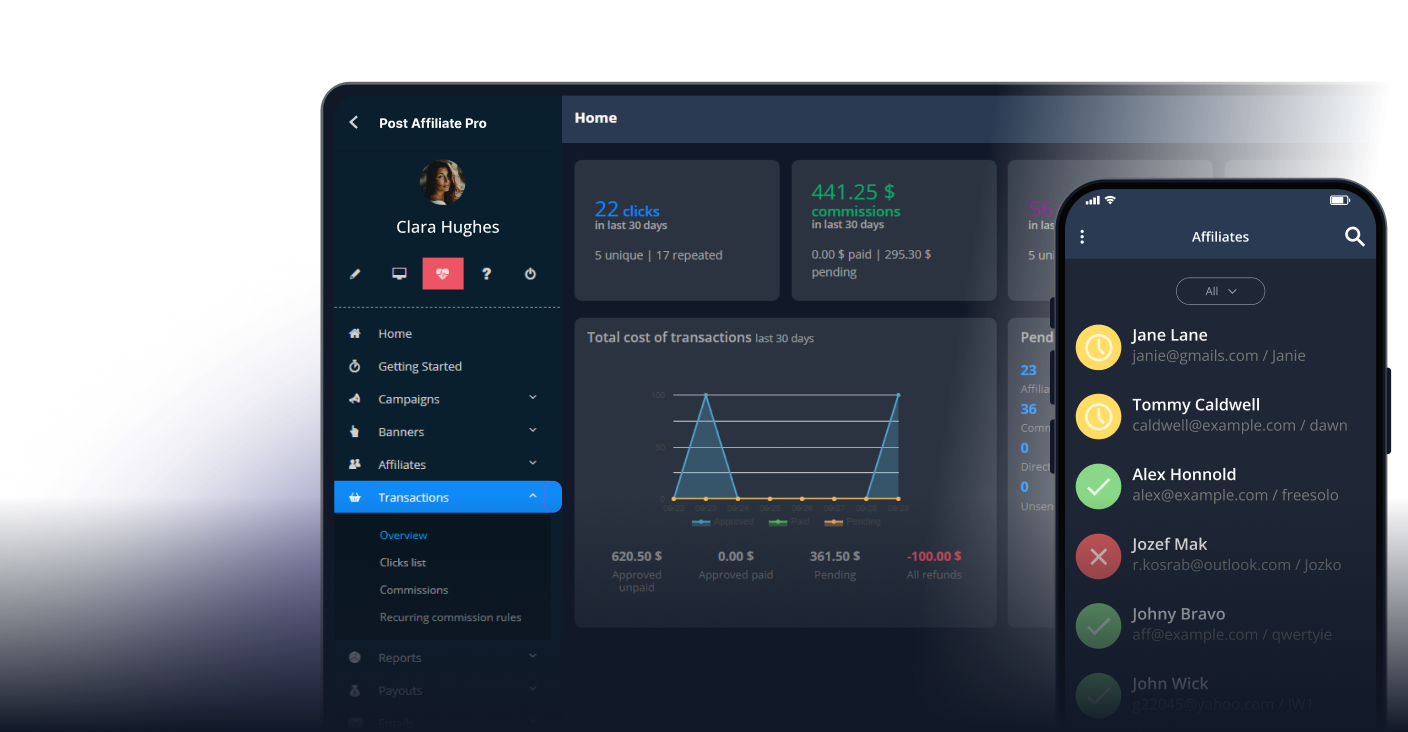
PostAffiliatePro helps you manage and monitor your affiliate content integrity. Ensure your marketing materials remain original and compliant with our comprehensive tracking and reporting features.
effective strategies to prevent plagiarism of affiliate content including security hosting, DMCA registration, monitoring tools like Copyscape, watermarks
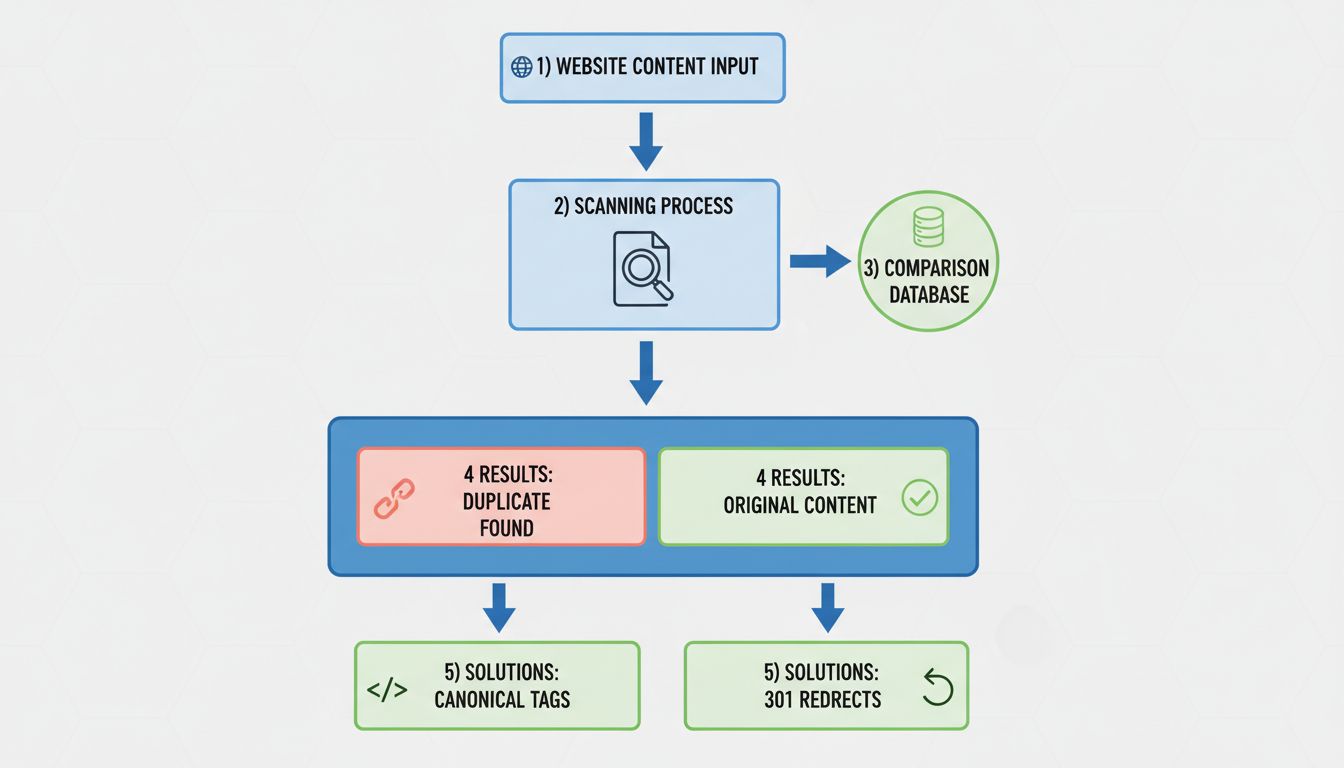
Learn how to check for duplicate content using tools like Copyscape, Siteliner, and Google Search Console. Discover manual methods, internal duplicate detection...

Google hates duplicate content. Check out useful ways to save your affiliate writings and website from plagiarism beforehand.
Join our community of happy clients and provide excellent customer support with Post Affiliate Pro.



Cookie Consent
We use cookies to enhance your browsing experience and analyze our traffic. See our privacy policy.