


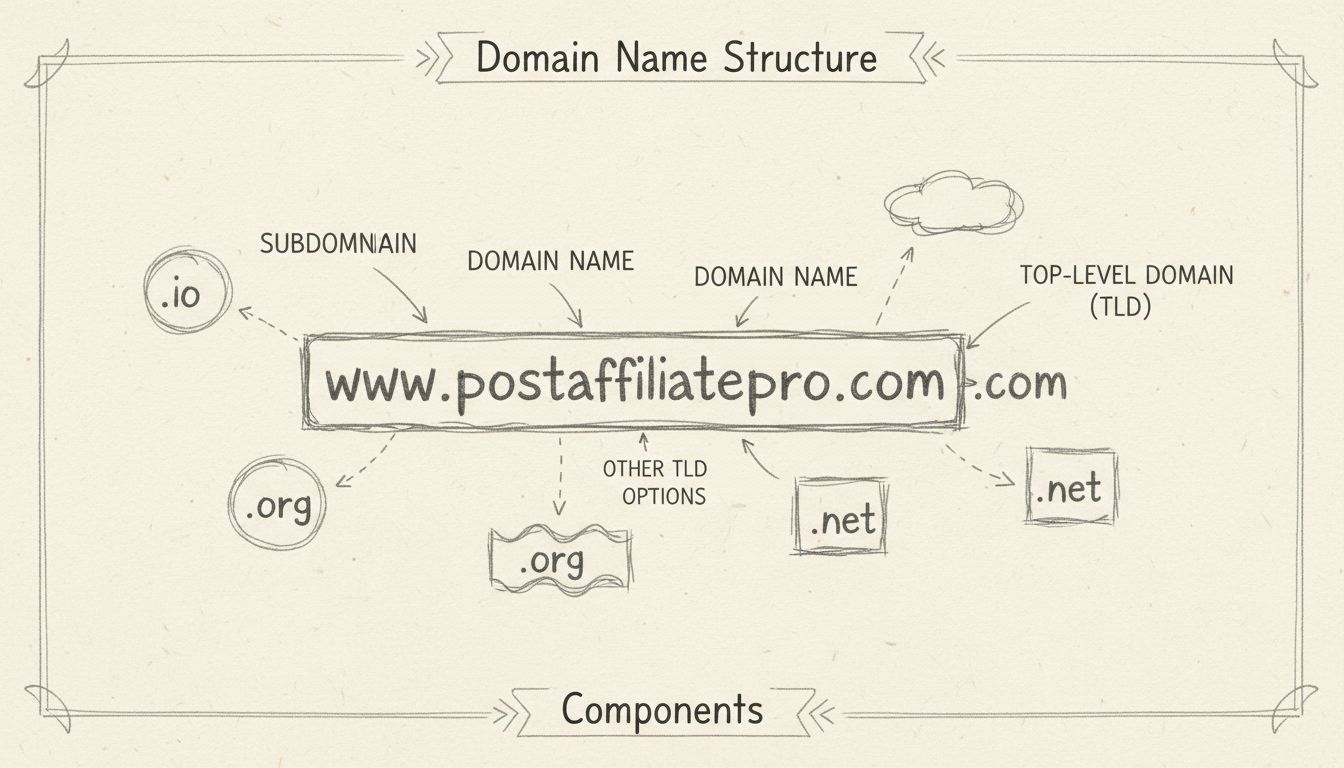
How Should I Choose My Domain Name?
Learn how to choose the perfect domain name for your business. Expert tips on selecting short, memorable domains, understanding TLDs, SEO optimization, and avoi...
10 min read
Learn how to find your domain name using WHOIS lookup tools. Discover domain ownership details, registrar information, and step-by-step instructions for domain research.
To find your domain name, use a WHOIS search tool like lookup.icann.org or your domain registrar's WHOIS lookup feature. Enter your domain name to access registration details including owner information, registrar, nameservers, and registration dates.
Finding your domain name and its associated information is essential for managing your online presence, whether you’re a business owner, domain investor, or web developer. The primary method for locating domain information is through a WHOIS lookup, which is a public directory system maintained by the Internet Corporation for Assigned Names and Numbers (ICANN). When you register a domain, you’re required to provide personal information that gets stored in the WHOIS database, creating a transparent record of domain ownership and registration details. This system serves as a digital phone book for the internet, allowing anyone to query domain information and understand who owns or manages specific web properties.
The WHOIS database has evolved significantly since its inception and now plays a crucial role in internet security, domain research, and business development. Understanding how to access and interpret WHOIS information is fundamental for anyone involved in domain management, whether you’re verifying ownership of your own domains, researching competitors, or investigating potential domain purchases. The system is maintained by domain registrars worldwide and is accessible through multiple free and paid tools, making it one of the most accessible resources for domain intelligence.
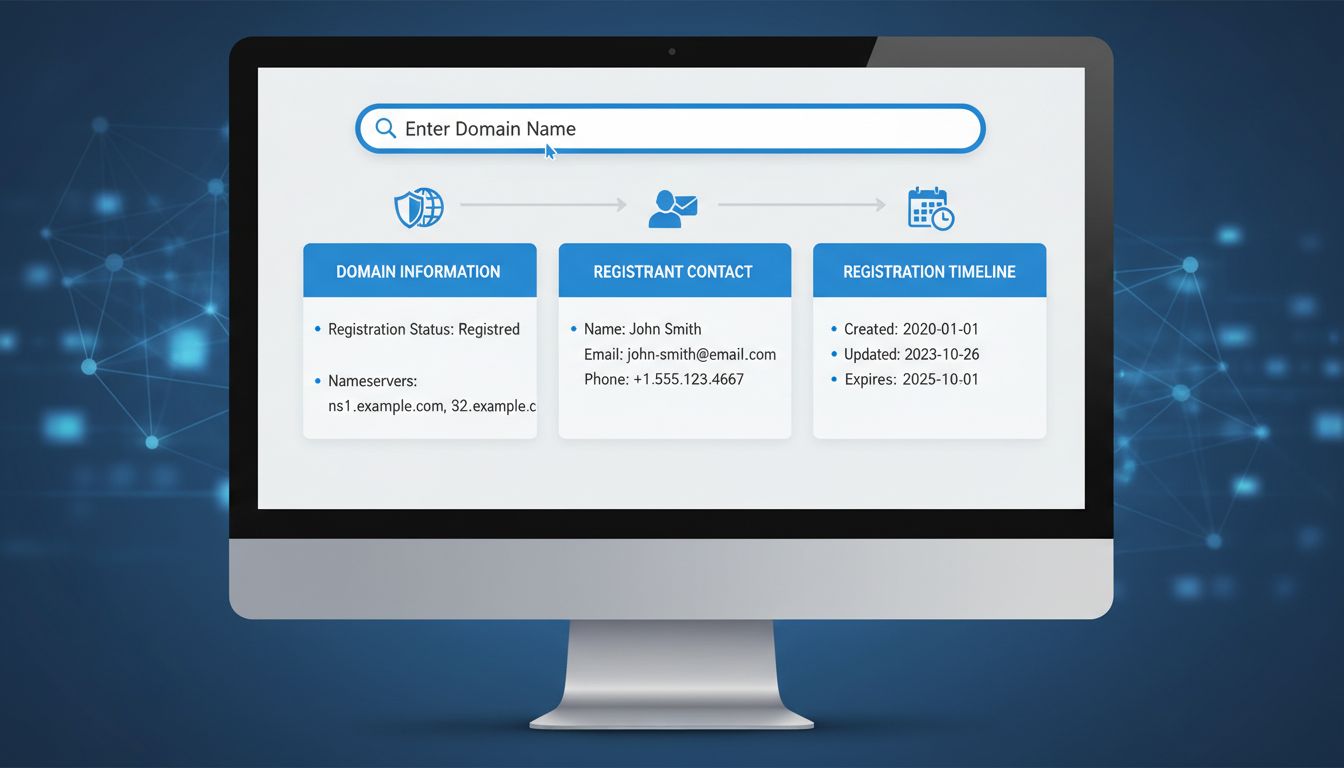
Accessing WHOIS information is straightforward and requires no special technical knowledge. The most direct method is to visit the official ICANN WHOIS lookup portal at lookup.icann.org, where you can enter any domain name and receive comprehensive registration details. Alternatively, most domain registrars including GoDaddy, Name.com, Dynadot, and Network Solutions provide their own WHOIS lookup tools directly on their websites. These registrar-specific tools often provide the same information as the ICANN portal but may include additional features or formatting options specific to their platform. The process is identical across all platforms: simply navigate to the WHOIS lookup page, enter your domain name in the search field, and click the lookup button to retrieve the associated information.
When you perform a WHOIS lookup, the system queries the domain registry database and returns results within seconds. The information displayed depends on several factors including the top-level domain (TLD) extension, privacy settings, and applicable regulations like GDPR in Europe. Some registrars also offer bulk WHOIS lookup capabilities, allowing you to search multiple domains simultaneously, which is particularly useful for domain investors managing large portfolios or businesses monitoring competitor domains.

Set up advanced tracking in minutes. No credit card required.
A complete WHOIS record contains several distinct sections of information, each serving different purposes for domain management and research. Understanding what each section contains helps you interpret the results and use the information effectively for your specific needs.
| Information Category | Details Included | Purpose |
|---|---|---|
| Domain Information | Domain name, registration status, creation date, expiration date, updated date, nameservers, registrar name | Verify domain ownership, check registration status, identify DNS configuration |
| Registrant Contact | Owner name, organization, email address, phone number, mailing address | Contact domain owner for inquiries or negotiations |
| Administrative Contact | Administrator name, email, phone, address | Manage administrative aspects of the domain |
| Technical Contact | Technical contact name, email, phone, address | Handle technical issues and DNS management |
| Registrar Information | Registrar name, registrar IANA ID, registrar URL, registrar phone | Identify where domain is registered and contact registrar |
| Registry Information | Registry operator, registry IANA ID, DNSSEC status | Understand domain registry details and security settings |
The registrant contact section is particularly important as it identifies the actual owner of the domain. The administrative and technical contacts may differ from the registrant and are responsible for managing different aspects of the domain. The nameserver information is critical for understanding how the domain’s DNS is configured and where the domain’s website and email services are hosted. Registration dates help establish domain history and authority, which is valuable for SEO purposes and domain valuation.
WHOIS lookup serves multiple important purposes beyond simple domain ownership verification. Domain investors use WHOIS information to research potential acquisition targets, examining registration dates, previous ownership changes, and expiration dates to identify valuable domains or those about to expire. When considering purchasing an existing domain, WHOIS history provides crucial insights into the domain’s background, previous registrars, and any changes to ownership or technical configuration. This historical data helps you assess whether a domain has been associated with spam, phishing, or other malicious activities that could affect its reputation and search engine rankings.
For business owners and marketers, WHOIS research enables competitive analysis by identifying the registrar, hosting provider, and technical setup of competitor websites. This information can inform your own infrastructure decisions and help you understand industry standards for your niche. Security professionals and law enforcement use WHOIS data to track down perpetrators of cyber crimes, phishing schemes, and other online abuse. The transparency of WHOIS information makes it an invaluable tool for maintaining internet security and accountability, though this transparency must be balanced with privacy concerns.
Be the first to know about new features and product updates.
Many domain owners are concerned about having their personal information publicly available through WHOIS lookups. To address these privacy concerns, most domain registrars offer WHOIS privacy protection services, also known as domain privacy or proxy services. When you enable WHOIS privacy, the registrar replaces your personal information with their own contact details in the WHOIS database. This means anyone attempting to contact you regarding your domain must go through the registrar as an intermediary, protecting you from spam, phishing attempts, identity theft, and unwanted solicitation. The privacy protection service is typically offered as an add-on service, though many registrars now include it free with domain registration.
When WHOIS privacy is enabled, the public WHOIS record displays “Redacted for Privacy” or similar language instead of your actual contact information. However, it’s important to note that privacy protection is not available for all domain extensions. Some country-code top-level domains (ccTLDs) like .us, .ca, and certain European extensions have legal requirements mandating that registrant information remain public. Additionally, law enforcement and authorized parties can still access your actual information through the registrar even when privacy protection is enabled. For maximum security, many registrars now offer advanced domain security features including two-factor authentication, account locks, and registry locks that prevent unauthorized transfers or DNS changes.
Different top-level domains have varying WHOIS policies that affect what information is publicly available and what privacy protections are allowed. Understanding these variations is important when managing domains across multiple extensions or researching domains with different TLDs. The .us domain extension, for example, does not allow privacy protection, meaning registrant information must always be publicly visible in WHOIS records. Canadian .ca domains have different rules where only organizational registrations display full contact details, while personal registrations show minimal information. European extensions like .eu and .ch have implemented stricter privacy policies, with .eu domains typically showing only the registrant’s email address for personal registrations.
These TLD-specific policies reflect different regulatory environments and cultural attitudes toward privacy. When registering domains in multiple countries or researching international domains, it’s essential to understand the specific WHOIS policies for each TLD. Some registrars maintain detailed documentation of privacy policies for each extension they support, making it easier to understand what information will be publicly available. If privacy is a concern for your domain portfolio, researching TLD policies before registration can help you choose extensions that align with your privacy preferences.
Beyond basic WHOIS lookups, advanced domain research tools provide historical information about how a domain has changed over time. These tools track previous registrars, nameserver changes, IP address history, and ownership transfers, creating a comprehensive timeline of a domain’s lifecycle. Services like DomainTools offer detailed WHOIS history reports showing every modification to a domain’s registration details, helping you understand the domain’s background and identify any suspicious activity. The Wayback Machine (archive.org) provides another valuable research tool by displaying archived snapshots of websites, allowing you to see what content was published on a domain at different points in history.
When evaluating a domain for purchase or assessing its reputation, examining this historical data is crucial. A domain that has changed registrars multiple times or had frequent ownership transfers might indicate instability or previous problems. Conversely, a domain with a long, stable history under the same owner typically indicates legitimacy and established authority. Security-focused research tools like Norton Safe Web and Spamhaus provide information about whether a domain has been associated with malware, phishing, or spam activities. Combining multiple research tools and data sources provides the most comprehensive understanding of a domain’s history and current status.
Maintaining accurate WHOIS information is not just a legal requirement but also essential for protecting your domain and ensuring smooth operations. ICANN regulations require that registrant information be current and accurate, and providing false information can result in domain suspension or cancellation. Most registrars require annual WHOIS information updates and send notifications to the registrant email address on file, giving you an opportunity to verify and update your information. If your contact information changes, such as moving to a new address or changing your phone number, updating your WHOIS record ensures you receive important notifications about domain expiration and renewal.
For businesses managing multiple domains, implementing a domain management system helps track WHOIS information, expiration dates, and renewal schedules across your entire portfolio. Setting calendar reminders for domain expiration dates prevents accidental lapses in registration that could result in losing your domain to competitors or domain squatters. Regularly reviewing your WHOIS records ensures they accurately reflect your current contact information and preferred administrative contacts. For organizations using domain privacy services, periodically verifying that privacy protection is active and properly configured protects your personal information from public exposure.
PostAffiliatePro helps you manage affiliate programs and track domain-related partnerships efficiently. Integrate your domain strategy with powerful affiliate tracking and commission management tools.
Learn how to choose the perfect domain name for your business. Expert tips on selecting short, memorable domains, understanding TLDs, SEO optimization, and avoi...
Domain name is a specific address of a web server, which transfers a visitor to a certain website. It's used instead of an IP address.
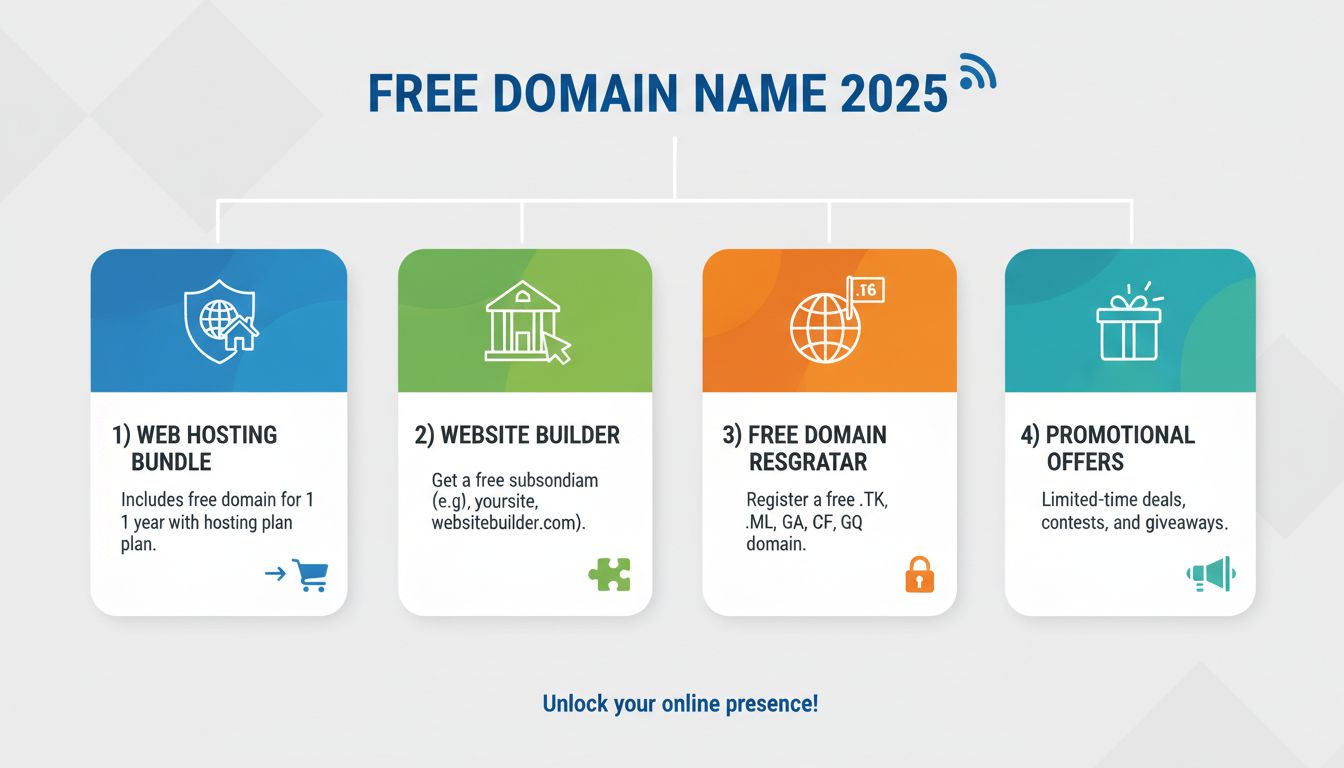
Discover proven methods to get a free domain name in 2025. Learn about web hosting bundles, website builders, free registrars, and promotional offers. Compare o...
Join our community of happy clients and provide excellent customer support with Post Affiliate Pro.




Cookie Consent
We use cookies to enhance your browsing experience and analyze our traffic. See our privacy policy.