



10 Steps for Creating Buyer Personas
Discover the essential 10 steps to creating effective buyer personas that resonate with your target audience. This guide from Post Affiliate Pro reveals how to ...
2 min read
AffiliateMarketing
BuyerPersonas
+2


how buyer personas drive affiliate marketing success. Learn to create detailed customer profiles that boost conversions and revenue for your affiliate programs.
Are you struggling to attract the right affiliates to your program? Or perhaps your current affiliates aren’t converting at the rates you’d hoped? The challenge isn’t always about having more traffic—it’s about having the right traffic from the right people. This is where buyer personas become your secret weapon. A buyer persona is a detailed, semi-fictional representation of your ideal customer based on real data and research. For affiliate marketers, understanding your buyer personas isn’t just helpful—it’s essential. When you know exactly who you’re trying to reach, what problems they’re solving, and how they make purchasing decisions, you can craft affiliate campaigns that resonate deeply, drive higher conversions, and ultimately boost your commissions. In this comprehensive guide, we’ll explore why buyer personas matter for affiliate marketing success and show you exactly how to create and leverage them to transform your affiliate program’s performance.

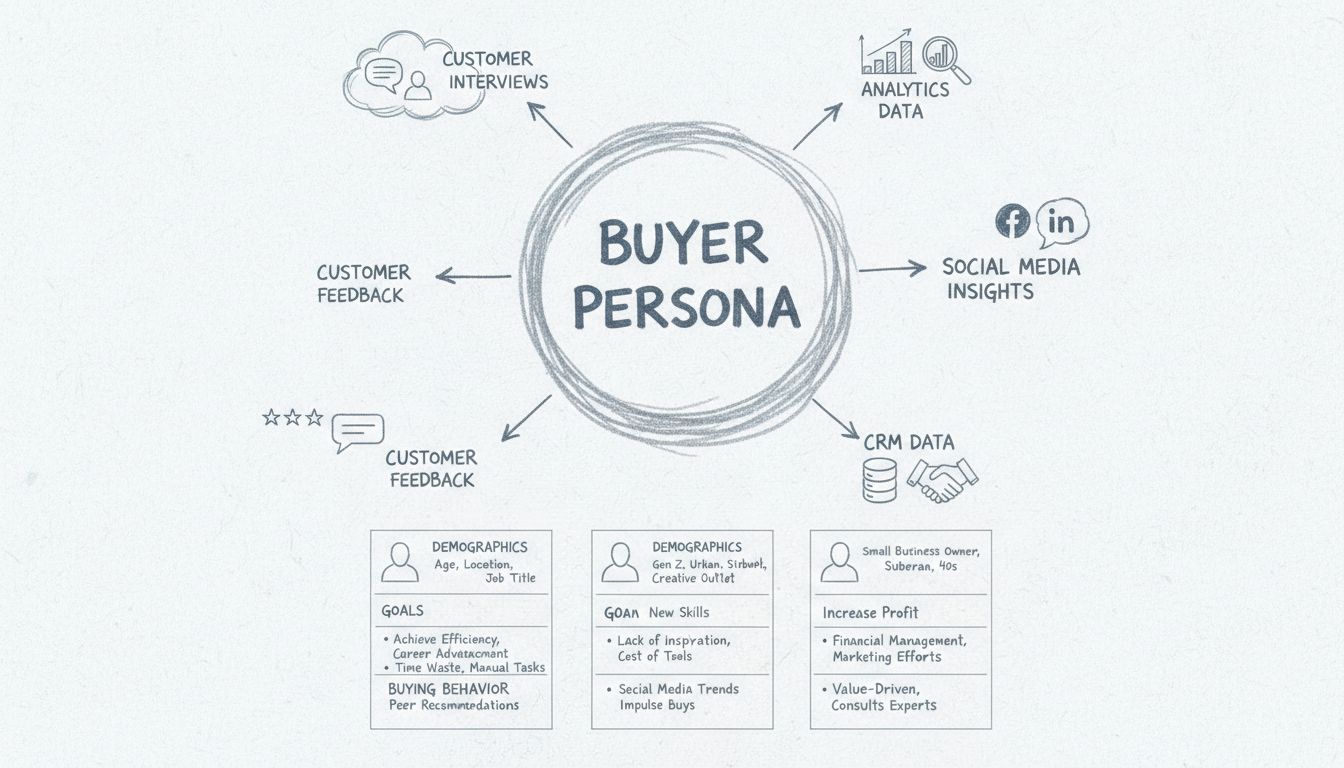
A buyer persona is a semi-fictional, generalized representation of your ideal customer, built on extensive market research and real data about your existing and potential customers. Unlike a simple target audience description, buyer personas go much deeper—they capture the mindset, behaviors, motivations, and decision-making processes of real people. Each persona typically includes demographic information (age, gender, income, location, job title), psychographic details (values, interests, lifestyle choices), behavioral patterns (how they shop, what channels they prefer), and their specific goals and pain points. For example, one persona might be “Tech-Savvy Tom,” a 32-year-old SaaS manager who values efficiency and reads industry blogs, while another could be “Budget-Conscious Betty,” a 28-year-old freelancer who carefully researches every purchase and relies heavily on peer reviews. The key difference between a buyer persona and a target audience is specificity. A target audience might be “small business owners aged 25-45,” but a buyer persona tells you that Sarah, a 38-year-old e-commerce entrepreneur, is frustrated with manual inventory management, reads marketing blogs on Tuesday mornings, and makes purchasing decisions based on ROI demonstrations. Most successful affiliate programs develop multiple personas—typically between 2-5—to represent different customer segments they’re trying to reach. These personas become living documents that guide every marketing decision you make.

Set up advanced tracking in minutes. No credit card required.
For affiliate marketers, buyer personas are transformative. When you understand your buyer personas deeply, you can create campaigns that speak directly to their needs, resulting in significantly higher conversion rates. Research shows that companies using buyer personas see 2-3x higher conversion rates compared to those using generic marketing approaches. This directly translates to higher commissions for your affiliate program. Buyer personas help you segment your audience more effectively, allowing you to tailor your messaging, content, and promotional strategies to different customer groups. Instead of creating one-size-fits-all campaigns, you can develop targeted content that addresses the specific pain points, goals, and preferences of each persona. This level of personalization dramatically improves engagement rates and customer lifetime value. Additionally, understanding your buyer personas helps you identify which products or services are most relevant to each segment, allowing you to recommend the right solutions to the right people at the right time. This strategic alignment between customer needs and product recommendations is what separates high-performing affiliates from mediocre ones. By investing time in developing accurate buyer personas, you’re essentially creating a roadmap for affiliate success—one that leads to better targeting, higher conversion rates, and ultimately, more revenue in your pocket.
| Metric | Without Buyer Personas | With Buyer Personas |
|---|---|---|
| Conversion Rate | 1-2% | 2-6% |
| Customer Acquisition Cost | $50-100 | $25-50 |
| Email Open Rate | 15-20% | 25-35% |
| Content Engagement | 5-10% | 15-25% |
| Affiliate ROI | 2:1 | 5:1 or higher |
Creating effective buyer personas requires understanding five critical components that work together to paint a complete picture of your ideal customer:
Demographics - Age, gender, location, education level, job title, industry, company size, and annual income. For affiliate marketing, understanding whether your persona is a C-level executive, mid-level manager, or individual contributor dramatically changes how you position products and what benefits you emphasize.
Psychographics - Values, beliefs, interests, and lifestyle choices. Do they prioritize work-life balance or career advancement? Are they early adopters of new technology or do they prefer proven solutions? Understanding these psychological drivers helps you craft messaging that resonates emotionally.
Goals and Challenges - What is your persona trying to achieve? What obstacles stand in their way? For affiliate marketing, this is crucial because you’re essentially solving problems. Understanding both aspirational goals and real pain points helps you position products as the bridge between where they are and where they want to be.
Buying Behavior - How does your persona prefer to shop? Do they research extensively before buying or make quick decisions? What information sources do they trust? Understanding buying behavior helps you optimize your affiliate campaigns for maximum impact.
Decision Influences - Who or what influences your persona’s purchasing decisions? Is it peer recommendations, expert reviews, ROI calculations, or brand reputation? Understanding these influences helps you create content and campaigns that address the specific factors that matter most.
Be the first to know about new features and product updates.
Creating accurate buyer personas requires a systematic approach grounded in real data. Here’s a step-by-step process you can follow:
Step 1: Conduct Market Research - Start by analyzing your existing customer data. Use tools like Google Analytics to understand who’s visiting your site, what pages they’re viewing, and how they’re converting. Look at your CRM data to identify patterns among your best customers. Supplement this with external research—industry reports, competitor analysis, and social media listening to understand broader market trends.
Step 2: Interview Real Customers - This is the most valuable step. Conduct 10-15 interviews with recent customers who represent your ideal audience. Ask open-ended questions about their buying journey: What problem were they trying to solve? What options did they consider? What ultimately influenced their decision? Record these interviews and look for patterns across responses. Tools like Typeform or SurveyMonkey can help distribute surveys to gather quantitative data alongside your qualitative interviews.
Step 3: Analyze and Identify Patterns - Review your research data and look for recurring themes. Which challenges appear repeatedly? What goals do multiple customers mention? Which information sources do they trust? These patterns become the foundation of your personas. Distinguish between insights (mentioned by multiple people) and outliers (mentioned by one person).
Step 4: Create Detailed Persona Profiles - Document each persona with a name, photo (stock image is fine), demographic details, goals, challenges, preferred communication channels, and buying behavior. Include direct quotes from your interviews—these add authenticity and help your team remember that personas represent real people.
Step 5: Validate Your Personas - Share your personas with your sales team, customer service team, and other stakeholders. Do they recognize these personas in their daily interactions with customers? Adjust based on feedback. Your personas should feel accurate and recognizable to people who interact with customers regularly.
Step 6: Keep Personas Updated - Markets evolve, customer needs change, and new segments emerge. Review and update your personas at least annually, or whenever you notice significant shifts in customer behavior or market conditions.
Let’s look at three detailed personas that represent common affiliate marketing segments:
Sarah the SaaS Affiliate - Sarah is a 38-year-old marketing manager at a mid-sized SaaS company. She has a solid income ($85,000-$120,000) and is always looking for tools that can help her team work more efficiently. Sarah reads industry blogs like HubSpot and Neil Patel, attends webinars, and trusts peer recommendations. Her primary goal is to find solutions that improve team productivity and demonstrate clear ROI. She’s willing to invest in quality tools but needs to justify the expense to her manager. Sarah prefers detailed case studies, product comparisons, and expert reviews. She makes purchasing decisions based on feature-benefit alignment and customer testimonials. As an affiliate, you’d reach Sarah through LinkedIn, industry publications, and email marketing with content focused on productivity gains and ROI metrics.
Marcus the Niche Blogger - Marcus is a 32-year-old full-time blogger in the personal finance niche. He earns $40,000-$80,000 annually from his blog and affiliate commissions. Marcus is tech-savvy, values authenticity, and builds his recommendations on genuine product experience. He’s motivated by commission potential but won’t promote products he doesn’t believe in—his audience trust is his most valuable asset. Marcus prefers affiliate programs with competitive commissions, reliable tracking, and marketing materials he can customize. He discovers products through industry networks, product review sites, and direct outreach from affiliate managers. Marcus responds well to personalized communication, exclusive offers for his audience, and detailed product information he can use in reviews.
Jennifer the Content Marketer - Jennifer is a 35-year-old content marketing manager at a B2B agency. She earns $75,000-$110,000 and is responsible for creating content that drives leads for her clients. Jennifer is creative, data-driven, and always seeking tools that help her produce better content faster. She’s active on social media, particularly LinkedIn and Twitter, and follows marketing thought leaders. Jennifer’s primary goal is to find solutions that improve content quality and distribution efficiency. She makes decisions based on feature depth, integration capabilities, and customer support quality. As an affiliate, you’d reach Jennifer through social media, content marketing blogs, and webinars with messaging focused on content efficiency, quality improvements, and integration with her existing tech stack.

Once you’ve developed your buyer personas, it’s time to put them to work. Here’s how to leverage personas across your affiliate marketing strategy:
Content Strategy - Create content specifically designed for each persona. For Sarah the SaaS Affiliate, develop in-depth ROI calculators, case studies showing productivity improvements, and comparison guides. For Marcus the Niche Blogger, create authentic product reviews, detailed feature breakdowns, and unique angles he can use in his content. For Jennifer the Content Marketer, develop content focused on workflow integration, content quality improvements, and efficiency metrics. This targeted approach typically increases engagement by 26-50% compared to generic content.
Email Marketing - Segment your email list by persona and customize your messaging accordingly. Sarah responds to data-driven subject lines and benefit-focused copy. Marcus prefers authentic storytelling and exclusive offers. Jennifer wants to see integration capabilities and workflow improvements. By tailoring your email campaigns to each persona’s preferences, you’ll see higher open rates, click-through rates, and conversions.
Ad Targeting - Use demographic and interest-based targeting on platforms like Facebook, LinkedIn, and Google Ads to reach specific personas. Target Sarah with ads emphasizing productivity and ROI. Target Marcus with ads highlighting commission potential and authentic reviews. Target Jennifer with ads focused on content efficiency and integration. This precision targeting reduces your cost per acquisition and improves your return on ad spend.
Landing Page Optimization - Create persona-specific landing pages that speak directly to each segment’s needs and concerns. Sarah’s landing page should emphasize ROI and team productivity benefits. Marcus’s page should highlight commission structure and affiliate support. Jennifer’s page should focus on integration capabilities and content workflow improvements. A/B test different messaging to see what resonates most with each persona.
Commission Structure Optimization - Consider offering different commission structures or bonus incentives for different personas. High-volume affiliates like Marcus might appreciate tiered commissions that reward volume. B2B affiliates like Sarah might prefer higher per-sale commissions on higher-ticket items. Understanding what motivates each persona helps you design commission structures that attract and retain the right affiliates.
While buyer personas are incredibly valuable, many marketers make critical mistakes that undermine their effectiveness:
Mistake 1: Relying on Stereotypes Instead of Data - Creating personas based on assumptions rather than research leads to inaccurate profiles that don’t reflect reality. Don’t assume all millennials want the same things or that all executives prioritize the same benefits. Let data drive your persona development. Conduct interviews, analyze customer data, and base your personas on what you actually learn, not what you think you know.
Mistake 2: Creating Personas That Are Too Broad - A persona like “busy professional” is too vague to be useful. The more specific your personas, the more actionable they become. Instead of “busy professional,” create “Sarah, a 38-year-old marketing manager at a mid-sized SaaS company who needs tools that improve team productivity.” Specificity is what makes personas powerful.
Mistake 3: Ignoring Customer Feedback - Your personas should evolve as you learn more about your customers. If your sales team consistently tells you that customers care about something your personas don’t mention, update your personas. If customer interviews reveal new pain points, incorporate them. Personas are living documents, not static profiles.
Mistake 4: Not Updating Personas Regularly - Markets change, customer needs evolve, and new segments emerge. If you’re still using personas from five years ago, you’re likely missing important shifts in customer behavior. Review and update your personas at least annually, and more frequently if you operate in a fast-moving industry.
Mistake 5: Siloing Personas Within Teams - Personas are only valuable if your entire organization uses them. If your marketing team has personas but your sales team doesn’t know about them, you’re missing opportunities for alignment. Share personas across your organization, train teams on how to use them, and make them central to your decision-making process.
Several tools can help you develop and manage buyer personas more effectively:
CRM Systems - Platforms like HubSpot, Salesforce, and Zoho CRM help you centralize customer data, track interactions, and identify patterns. These systems make it easy to segment customers and analyze behavior across your entire customer base.
Analytics Platforms - Google Analytics, Adobe Analytics, and Hotjar provide insights into how different customer segments interact with your website. You can see which pages different personas visit, how long they spend on your site, and what actions they take before converting.
Survey and Interview Tools - SurveyMonkey, Typeform, and Google Forms make it easy to gather feedback from customers and prospects. These tools help you collect both quantitative data (ratings, rankings) and qualitative insights (open-ended responses) that inform your personas.
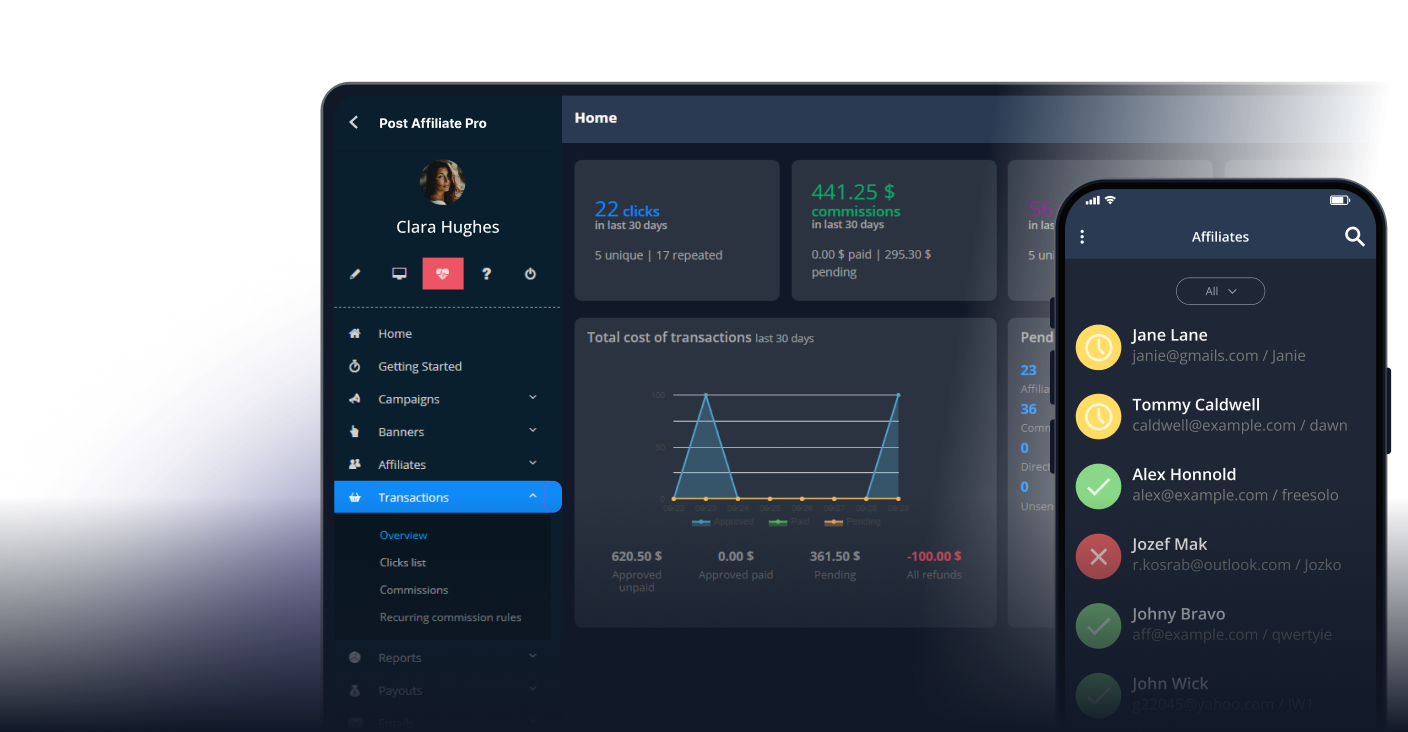
PostAffiliatePro - As the leading affiliate management software, PostAffiliatePro provides powerful tools for understanding your affiliate audience and customer segments. With advanced tracking, detailed analytics, and segmentation capabilities, PostAffiliatePro helps you identify patterns in affiliate performance and customer behavior. You can track which affiliates drive the highest-quality customers, segment customers by source and behavior, and optimize your affiliate program based on data-driven insights. PostAffiliatePro’s comprehensive reporting features make it easy to validate your personas and ensure your affiliate program is attracting the right customers from the right sources.
Social Media Analytics - LinkedIn, Facebook, and Twitter provide demographic and interest data about your followers. These insights help you understand who’s engaging with your content and what topics resonate most with different segments.
Buyer personas are no longer optional for affiliate marketers—they’re essential. When you understand your ideal customers deeply, you can create targeted campaigns that resonate, drive higher conversions, and generate more revenue. The investment you make in developing accurate buyer personas pays dividends across every aspect of your affiliate program, from content creation to campaign optimization to affiliate recruitment.
The path to affiliate marketing success starts with understanding your customers. By developing detailed buyer personas and using them to guide your strategy, you’re positioning yourself to outperform competitors who rely on generic, one-size-fits-all approaches. Ready to transform your affiliate program with data-driven buyer personas? PostAffiliatePro makes it easy to track, analyze, and optimize your affiliate program based on customer and affiliate behavior. Start your free trial today and discover how the right tools combined with buyer persona insights can revolutionize your affiliate marketing results. Your next breakthrough in affiliate revenue is just one persona away.
A good rule of thumb is to develop 2-5 buyer personas that represent your main customer segments. Most successful affiliate programs have between 2-4 personas. Having too many personas (10+) can become unwieldy and dilute your marketing focus. Focus on the segments that represent the highest revenue potential and largest customer groups.
A target audience is a broad demographic group (e.g., 'small business owners aged 25-45'), while a buyer persona is a detailed, semi-fictional representation of an ideal customer based on real data. Personas include specific details about motivations, pain points, buying behavior, and decision-making processes. Personas are much more actionable for marketing strategy.
Review and update your buyer personas at least annually, or whenever you notice significant shifts in customer behavior or market conditions. Fast-moving industries may require more frequent updates (quarterly or semi-annually). Always update personas when you launch new products, enter new markets, or see changes in customer feedback.
While competitor personas can provide insights, you should develop your own personas based on your actual customers and market research. Your customers may have different needs, pain points, and buying behaviors than your competitors' customers. Use competitor research to inform your persona development, but base your final personas on your own data.
Buyer personas help you attract higher-quality affiliates and optimize your program for better conversions. When you understand your ideal customers, you can recruit affiliates who naturally reach those audiences, create targeted marketing materials that resonate with customers, and optimize your commission structure to attract the right affiliates. This results in higher conversion rates and better ROI.
The best approach combines multiple data sources: customer interviews (most valuable), CRM data, website analytics, survey responses, social media insights, and industry research. Customer interviews are particularly valuable because they reveal motivations and decision-making processes that other data sources miss. Aim for at least 10-15 interviews per persona.
Validate personas by sharing them with your sales team, customer service team, and other stakeholders who interact with customers regularly. Ask if they recognize these personas in their daily work. Conduct A/B testing with persona-specific messaging to see which resonates best. Track conversion rates by persona to ensure your personas are accurate and actionable.
Yes! PostAffiliatePro's advanced tracking and analytics help you understand customer behavior and affiliate performance. You can segment customers by source, track which affiliates drive the highest-quality customers, analyze conversion patterns, and identify trends that inform your persona development and optimization.
PostAffiliatePro's advanced tracking and analytics help you understand your customers and affiliates better, enabling data-driven decisions that boost conversions and revenue.
Discover the essential 10 steps to creating effective buyer personas that resonate with your target audience. This guide from Post Affiliate Pro reveals how to ...
Learn what buyer personas are, why they matter for affiliate marketing, and how to create effective personas to boost engagement and conversions with PostAffili...

Use this guide to learn what a buyer persona is and how to create one. Learn useful tips that will help you tailor your marketing campaigns.
Join our community of happy clients and provide excellent customer support with Post Affiliate Pro.



Cookie Consent
We use cookies to enhance your browsing experience and analyze our traffic. See our privacy policy.