


Are Backlinks Important for SEO?
Discover why backlinks are crucial for SEO success in 2025. Learn how quality backlinks improve rankings, domain authority, and organic traffic with expert stra...
10 min read

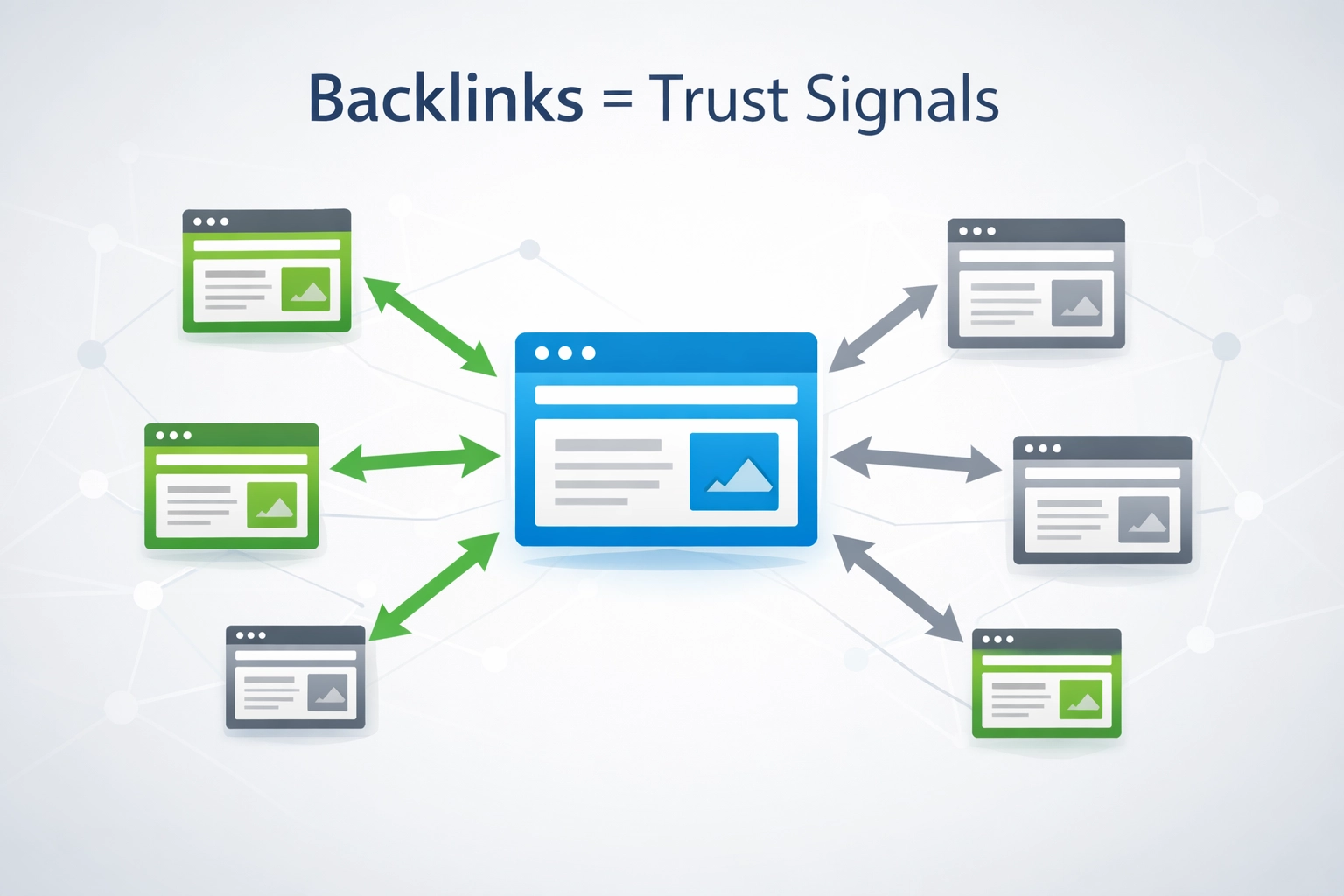
Discover why backlinks are crucial for your blog’s SEO. Learn how quality backlinks boost rankings, drive traffic, and build authority. Explore proven strategies to earn high-quality backlinks.
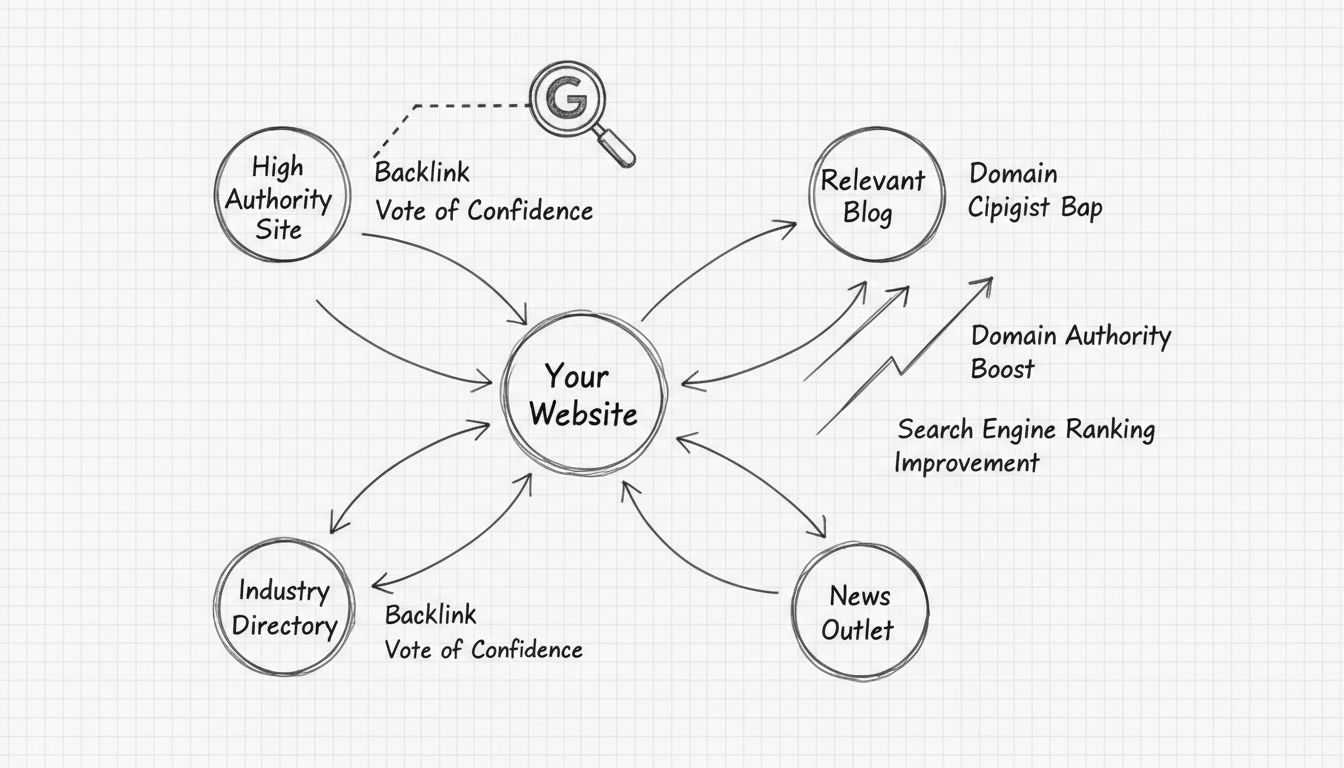
Backlinks, also known as inbound or incoming links, are hyperlinks from one website to another that point to your site. They function as votes of confidence from other websites, signaling to search engines that your content is authoritative and trustworthy. In the world of SEO, backlinks remain one of the most powerful ranking factors, directly influencing how well your blog performs in search results. While many factors contribute to your blog’s visibility, understanding and leveraging backlinks effectively can dramatically improve your search engine rankings and overall online presence.
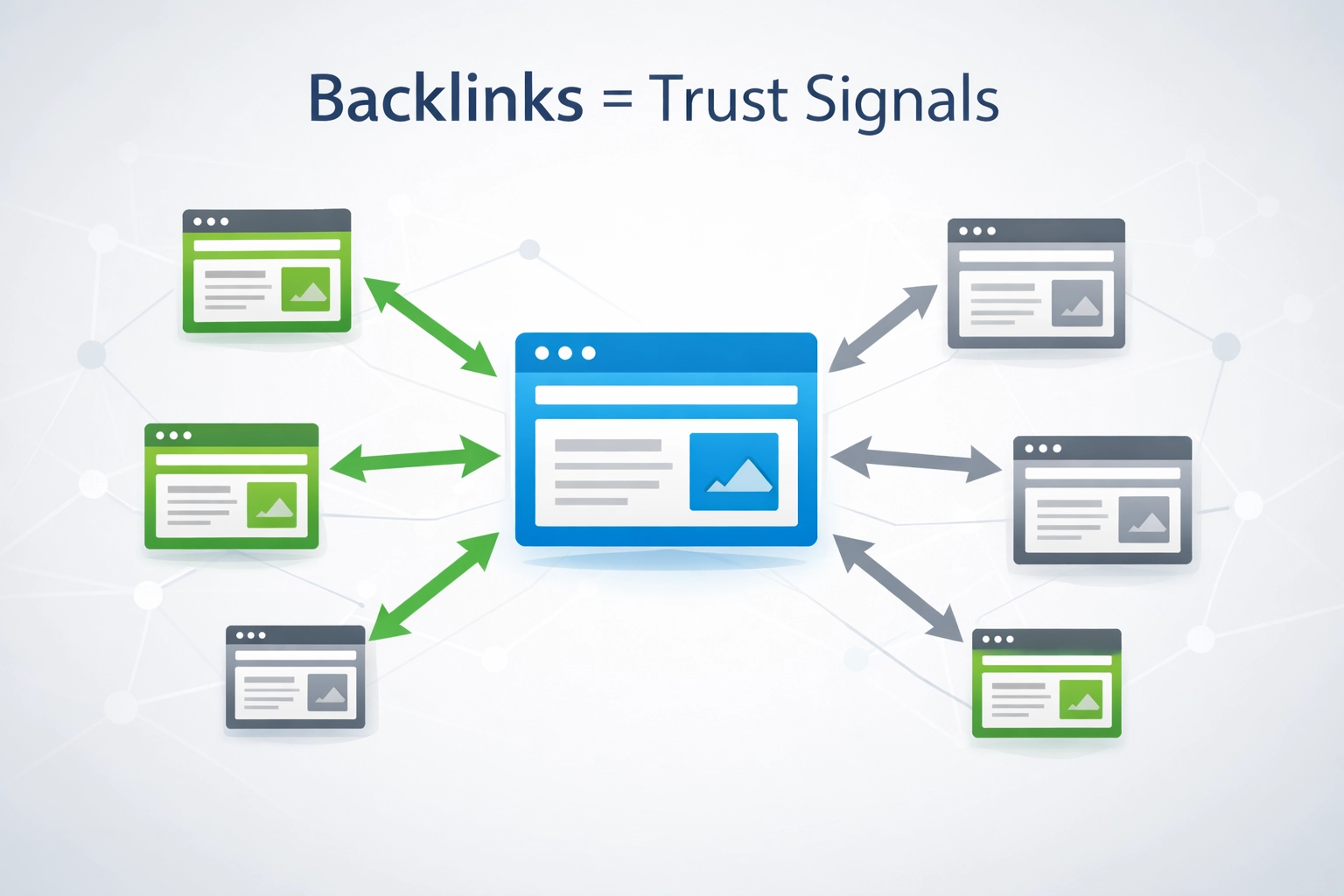
Search engines like Google treat backlinks as endorsements of your content’s quality and relevance. When authoritative websites link to your pages, Google’s algorithm interprets these links as signals that your content deserves to rank higher in search results. The concept of link equity, also known as PageRank, means that high-authority sites passing links to your content transfer some of their credibility to your pages. This is why a single backlink from a major publication can be worth more than dozens of links from unknown blogs. Additionally, backlinks help search engines discover new content on your site faster, as crawlers follow links from one page to another, indexing your pages more efficiently and thoroughly.

Set up advanced tracking in minutes. No credit card required.
Understanding the different types of backlinks helps you build a more strategic and effective link profile. Dofollow backlinks are the most valuable type, as they pass link equity directly to your site and contribute to your search rankings. Nofollow backlinks include a special HTML tag that tells search engines not to pass ranking value, though they still drive referral traffic and build brand awareness. Editorial backlinks are naturally earned when other websites link to your content because they find it genuinely valuable—these are the most prized by search engines. Guest post backlinks come from articles you contribute to other websites, allowing you to earn links while showcasing your expertise. Directory and resource page links come from industry-specific listings and curated resource pages, which can be valuable depending on the directory’s authority. Sponsored backlinks are marked as paid placements and don’t pass ranking value, but they still provide visibility. Finally, UGC (User-Generated Content) backlinks come from forums, comments, and community platforms, offering community trust signals even if they don’t directly boost rankings.
| Backlink Type | Definition | SEO Impact |
|---|---|---|
| Dofollow | Standard links that pass link equity to target site | High - Direct ranking boost |
| Nofollow | Links with rel=“nofollow” tag that don’t pass equity | Medium - Drives traffic, builds brand |
| Editorial | Naturally earned links from quality content | Very High - Most valuable type |
| Guest Post | Links earned through contributed articles | High - If from authority sites |
| Directory | Links from industry directories and listings | Low-Medium - Depends on directory quality |
| Sponsored | Paid placements marked as sponsored | Low - Transparency signal |
| UGC | User-generated content links from forums/comments | Low-Medium - Builds community trust |
In modern SEO, one high-quality backlink from an authoritative, relevant website is worth far more than hundreds of low-quality links from spammy or irrelevant sources. The quality of a backlink depends on several critical factors:
Google’s algorithm has become increasingly sophisticated at identifying and penalizing low-quality backlinks, making it essential to focus on earning links from reputable sources rather than pursuing quantity at any cost.
Be the first to know about new features and product updates.
Backlinks deliver multiple tangible benefits that extend far beyond simple search engine rankings. Improved search visibility is the most obvious benefit—pages with strong backlink profiles consistently rank higher for competitive keywords, driving more organic traffic to your site. Referral traffic from backlinks can be substantial, as readers who click through from other websites often represent highly engaged, interested audiences. Enhanced credibility and trust come from being endorsed by established websites, which signals to both users and search engines that your content is authoritative and worth reading. Faster indexing occurs because search engine crawlers discover and index your pages more quickly when they follow backlinks from other sites. Building domain authority happens as you accumulate quality backlinks from diverse sources, improving your overall site’s ability to rank for multiple keywords. Finally, backlinks provide a competitive advantage in your niche—websites with stronger backlink profiles consistently outrank competitors with weaker link profiles, even when content quality is similar.
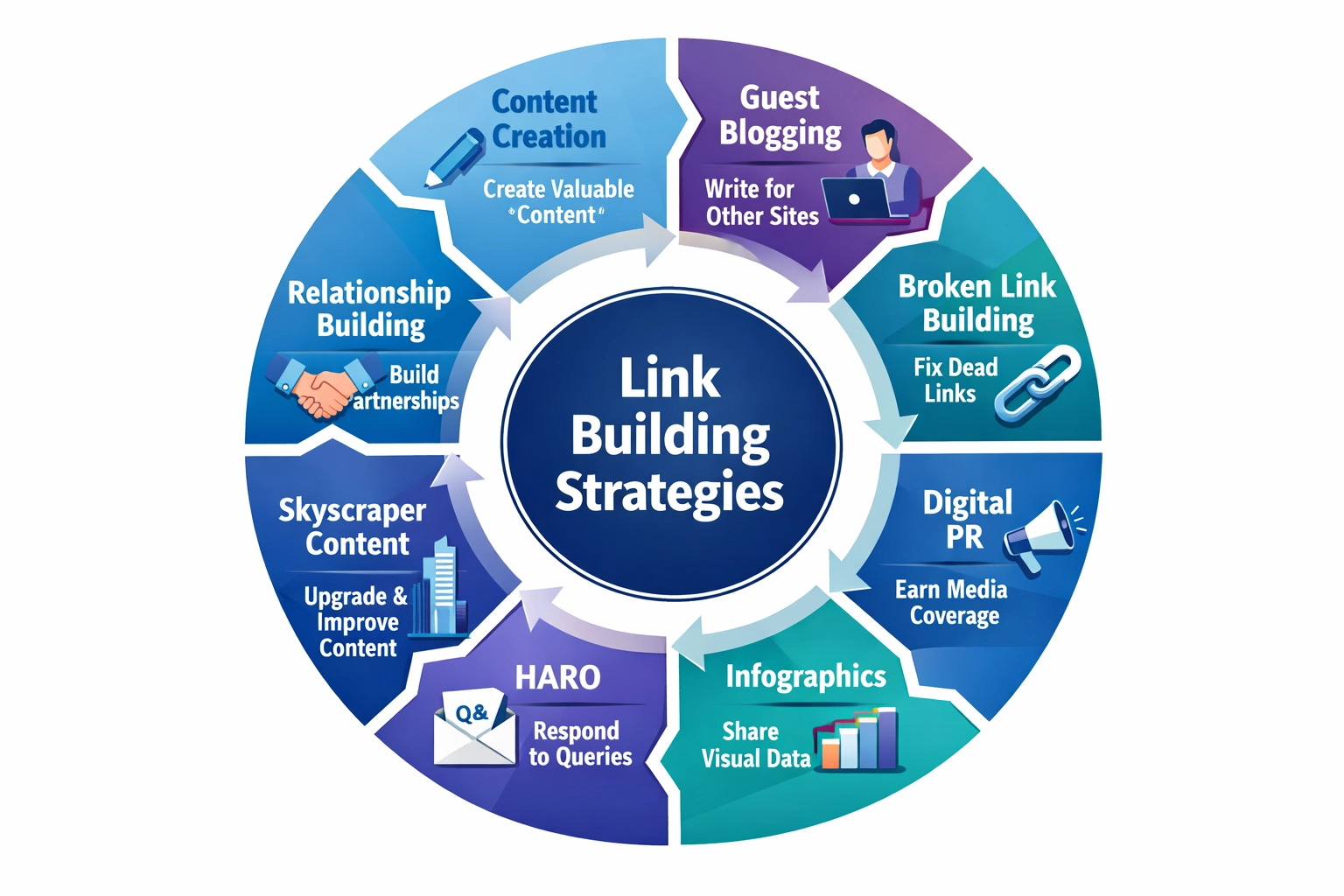
Building a robust backlink profile requires a strategic, long-term approach focused on creating value and building relationships. Creating exceptional content is the foundation—comprehensive guides, original research, infographics, and data-driven articles naturally attract backlinks from other websites that want to reference your work. Guest blogging on authoritative websites in your niche allows you to contribute valuable content while earning a backlink in your author bio or within the article itself. Broken link building involves finding broken links on relevant websites and reaching out to suggest your content as a replacement, helping site owners fix their pages while earning a link. Digital PR and media outreach means pitching your expertise, research, or unique stories to journalists and bloggers who may feature your content and link to your site. Creating shareable visual content like infographics and data visualizations encourages other websites to embed and link to your assets. Using HARO (Help a Reporter Out) connects you with journalists seeking expert quotes and sources, often resulting in backlinks from major publications. Developing skyscraper content means creating superior versions of popular content in your niche, then reaching out to sites that linked to the original to suggest your improved version. Building genuine relationships with influencers, bloggers, and industry leaders in your field creates opportunities for natural, organic backlinks when they mention or reference your work.
Monitoring your backlink profile is essential for maintaining SEO health and identifying opportunities for improvement. Semrush provides comprehensive backlink analysis, showing you who’s linking to your site, the quality of those links, and opportunities to replicate competitors’ backlink strategies. Ahrefs offers detailed insights into your backlink profile, including referring domains, anchor text analysis, and tracking of new and lost backlinks over time. Moz Link Explorer helps you understand your domain authority and page authority metrics while identifying high-quality link-building opportunities. Google Search Console provides free backlink data directly from Google, showing which sites link to you and how your site appears in search results. Regular monitoring allows you to identify toxic backlinks that might harm your rankings, track the success of your link-building efforts, and stay informed about changes in your competitive landscape. By consistently reviewing your backlink data, you can make informed decisions about your SEO strategy and quickly address any issues that arise.
While building backlinks, it’s crucial to avoid tactics that can harm your SEO and damage your site’s reputation. Buying backlinks violates Google’s guidelines and can result in severe penalties, including ranking drops or complete de-indexing of your site. Participating in link schemes or link exchanges—where you trade links with other sites purely for SEO benefit—is considered manipulative and can trigger manual actions from Google. Submitting to low-quality directories filled with spam and irrelevant sites can associate your brand with poor-quality sources and provide no SEO value. Pursuing irrelevant backlinks from unrelated industries or topics dilutes your link profile and confuses search engines about your site’s focus. Over-optimizing anchor text with exact-match keywords can appear manipulative and trigger penalties; instead, use natural, varied anchor text that includes branded terms, generic phrases, and descriptive text. Focusing on ethical, sustainable link-building practices protects your site’s long-term SEO health and builds genuine authority in your industry.
Affiliate marketing networks naturally generate high-quality backlinks as part of their ecosystem. When you use PostAffiliatePro to manage an affiliate program, your affiliates create content that links back to your site, building your backlink profile organically through genuine partnerships. These affiliate-generated backlinks are particularly valuable because they come from real websites promoting real products, creating natural, contextual links that search engines reward. Rather than pursuing artificial link-building tactics, PostAffiliatePro enables you to build authority through a network of partners who have genuine incentive to promote your content and link to your site. This approach aligns perfectly with modern SEO best practices, where quality, relevance, and natural link generation are paramount to long-term success.
Backlinks remain one of the most critical factors in SEO success, acting as powerful signals of your content’s authority and trustworthiness to search engines. By focusing on quality over quantity, implementing proven link-building strategies, and avoiding black-hat tactics, you can build a strong backlink profile that drives sustainable organic growth. The key is to create genuinely valuable content, build authentic relationships in your industry, and monitor your progress consistently. Start implementing these strategies today, and watch as your blog’s search rankings, traffic, and authority grow over time. Ready to accelerate your SEO success? Explore how PostAffiliatePro can help you build quality backlinks through strategic affiliate partnerships and unlock your blog’s full potential.
PostAffiliatePro helps you create a powerful affiliate program that generates high-quality backlinks naturally through partner networks. Start building authority and driving organic traffic today.
Discover why backlinks are crucial for SEO success in 2025. Learn how quality backlinks improve rankings, domain authority, and organic traffic with expert stra...
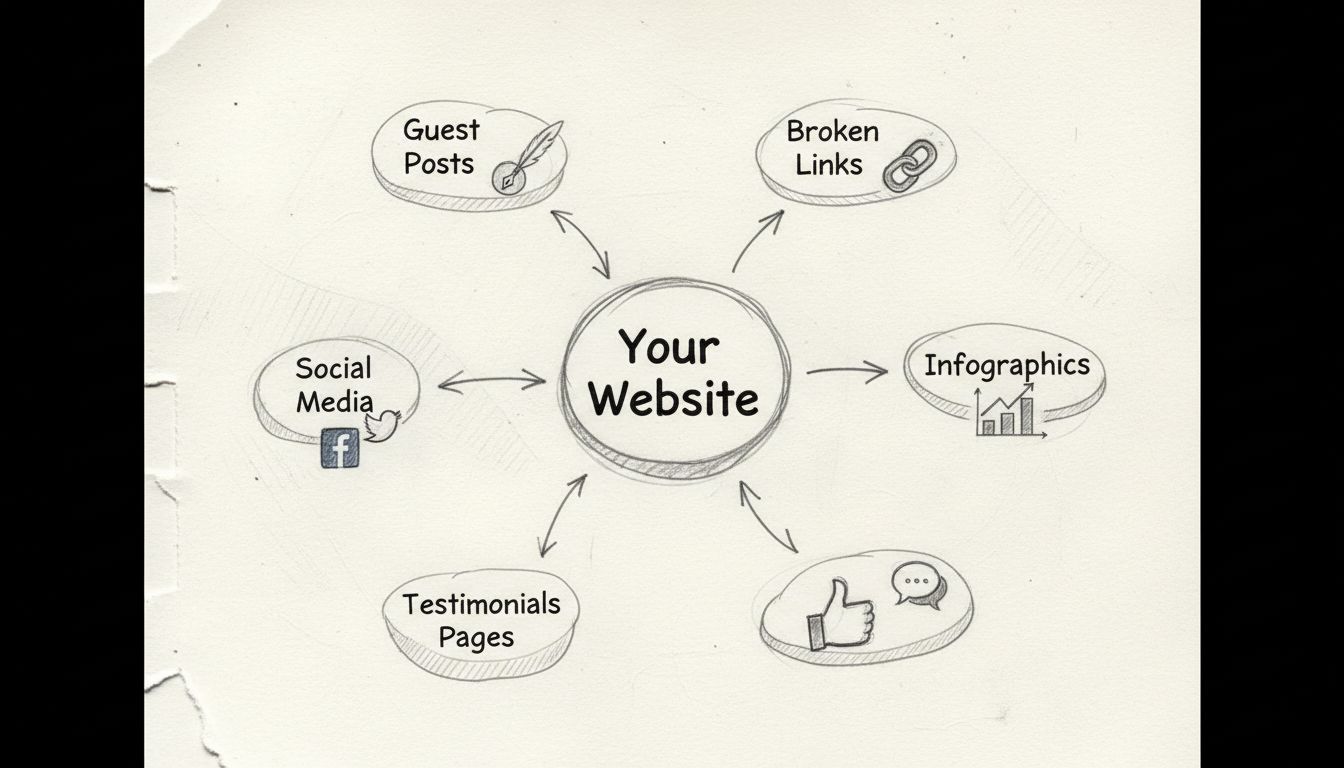
Discover proven strategies to get more backlinks in 2025. Learn guest posting, broken link building, content creation, and advanced link-building techniques to ...
Inbound linking improves a website’s rank and is a crucial part of successful SEO. Learn what inbound links are, their importance for affiliate marketers, and h...
Join our community of happy clients and provide excellent customer support with Post Affiliate Pro.




Cookie Consent
We use cookies to enhance your browsing experience and analyze our traffic. See our privacy policy.