



Privacy And The EU General Data Protection Regulation
GDPR is intended to increase the protection of personal data for EU citizens. See our article for more information.
4 min read
GDPR
Privacy
+3


who needs to appoint a Data Protection Officer under GDPR, including mandatory criteria, responsibilities, and compliance requirements for organizations

A Data Protection Officer (DPO) is a specialized role responsible for overseeing an organization’s data protection strategy and ensuring compliance with data protection regulations, particularly the General Data Protection Regulation (GDPR). The primary functions of a DPO include three critical responsibilities: informing and advising the organization about its data protection obligations, monitoring ongoing compliance with GDPR requirements, and serving as the point of contact between the organization and supervisory authorities. DPOs act as internal guardians of privacy, conducting audits, reviewing data processing activities, and ensuring that personal data is handled lawfully and ethically. Organizations need DPOs because data protection is no longer optional—it’s a legal mandate that carries significant penalties for non-compliance. By appointing a qualified DPO, organizations demonstrate their commitment to protecting individual rights and building trust with customers, employees, and stakeholders.
Under GDPR Article 37, organizations must appoint a DPO when they meet at least one of three specific legal criteria. These mandatory criteria establish a clear framework for determining when a DPO becomes a legal requirement rather than an optional measure. Understanding these criteria is essential for organizations to assess their compliance obligations accurately. The three criteria encompass different types of organizations and their data processing activities, ranging from public sector bodies to large-scale commercial enterprises. Each criterion reflects the GDPR’s recognition that certain organizations handle personal data in ways that require dedicated oversight and expertise. Organizations that fall under any of these categories cannot simply choose to forgo a DPO—appointment is mandatory under European data protection law.
| Criteria | Description | Examples |
|---|---|---|
| Public Authority | Any public body or government organization | Government agencies, local councils, public hospitals, educational institutions |
| Large-Scale Systematic Monitoring | Core activities involving systematic monitoring of data subjects | Social media platforms, online retailers with tracking, insurance companies analyzing behavior |
| Large-Scale Processing of Special Categories | Core activities involving processing sensitive personal data | Healthcare providers, genetic testing companies, law enforcement agencies, financial institutions handling biometric data |

Set up advanced tracking in minutes. No credit card required.
The term “large scale” in GDPR context doesn’t have a fixed numerical threshold, but rather depends on multiple interconnected factors that regulators evaluate holistically. When assessing whether processing qualifies as large-scale, organizations must consider the number of data subjects affected (typically thousands or more), the volume and types of data being processed, the duration of the processing activity, and the geographical extent across multiple countries or regions. A company processing data on 5,000 customers across a single country might not meet the large-scale threshold, while processing data on 500 customers across 15 European countries could qualify as large-scale due to geographical reach. Financial institutions processing transaction data on millions of customers, telecommunications companies tracking call records, or e-commerce platforms monitoring user behavior across multiple countries clearly meet the large-scale criterion. The GDPR’s flexible approach to defining “large scale” ensures that the regulation adapts to different business models and technological contexts, requiring organizations to conduct genuine assessments of their processing activities rather than relying on simple numerical cutoffs.

Special categories of data, defined in GDPR Article 9, represent the most sensitive types of personal information and receive heightened legal protection. Processing these categories of data is generally prohibited unless specific legal grounds exist, such as explicit consent, employment law requirements, or vital interests. Organizations that process any special categories of data as a core activity must appoint a DPO, regardless of the scale of processing. The sensitivity of these data types reflects their potential to cause significant harm if misused, including discrimination, identity theft, or violation of fundamental rights.
The special categories of data requiring enhanced protection include:
Be the first to know about new features and product updates.
Public authorities have a blanket obligation to appoint a DPO under GDPR Article 37, making this the most straightforward mandatory criterion. This requirement applies to all government bodies, public agencies, local councils, state-owned enterprises, and any organization exercising public authority functions. The GDPR recognizes that public sector organizations typically process personal data on a large scale and often handle sensitive information about citizens, necessitating dedicated oversight. However, the regulation includes important exceptions for courts and judicial authorities when acting in their judicial capacity, acknowledging the independence and specialized nature of the judiciary. Examples of public authorities requiring DPOs include national tax agencies, social security administrations, public health services, police departments, immigration authorities, and municipal governments. These organizations must ensure their DPOs have sufficient resources, independence, and access to senior management to effectively oversee data protection compliance across all government functions.
Small organizations with limited data processing activities are generally exempt from the mandatory DPO requirement, allowing them to allocate resources more flexibly. Organizations that process personal data only occasionally or in limited contexts—such as a local business maintaining basic customer contact information or a small company managing internal payroll records—typically don’t meet any of the three mandatory criteria. A neighborhood bakery collecting customer names and phone numbers, a small law firm managing client files, or a family-owned retail store processing payment information would not require a DPO under GDPR. The regulation’s proportionality principle recognizes that imposing a full-time DPO requirement on every small business would be impractical and economically unreasonable. However, even organizations not legally required to appoint a DPO may choose to do so voluntarily to strengthen their data protection practices, demonstrate commitment to privacy, and gain competitive advantage in privacy-conscious markets. This voluntary approach allows smaller organizations to benefit from DPO expertise without mandatory compliance burdens.
A DPO’s responsibilities, outlined in GDPR Article 39, extend far beyond simple compliance checking—they encompass strategic oversight of the entire data protection landscape. The DPO must inform and advise the organization and its employees about data protection obligations, ensuring that everyone understands their role in protecting personal data. Monitoring compliance with GDPR requirements is a continuous responsibility, requiring regular assessment of data processing activities, policies, and procedures. DPOs conduct data protection impact assessments (DPIAs) and provide expert advice on high-risk processing activities before they commence. They serve as the primary contact point for supervisory authorities and data protection regulators, managing communications and responding to investigations. DPOs must handle data subject requests efficiently, including access requests, deletion requests, and portability requests, ensuring timely and lawful responses.
The comprehensive responsibilities of a DPO include:
The GDPR does not mandate specific formal qualifications or certifications for DPOs, instead requiring expert knowledge of data protection law and practices. This flexible approach allows organizations to appoint DPOs from diverse professional backgrounds—lawyers, IT professionals, compliance specialists, or business managers—provided they possess sufficient expertise. However, the absence of mandatory qualifications doesn’t mean any employee can become a DPO; the role demands deep understanding of GDPR, national data protection laws, and how these regulations apply to the organization’s specific context. Recommended skills for effective DPOs include strong legal knowledge of data protection frameworks, technical understanding of data systems and security, excellent communication abilities to explain complex concepts to non-specialists, and industry-specific knowledge relevant to the organization’s sector. Professional certifications such as Certified Data Protection Officer (CDPO) or Certified Information Privacy Professional (CIPP) demonstrate commitment to the field and provide structured learning in data protection principles. DPOs must also possess analytical skills to assess compliance risks, project management abilities to coordinate data protection initiatives, and diplomatic skills to navigate organizational politics while maintaining independence.
Organizations can appoint a DPO as an internal employee, designating an existing staff member or hiring a dedicated full-time professional to oversee data protection from within the organization. This internal approach offers advantages including deep familiarity with organizational processes, systems, and culture, enabling the DPO to provide contextual advice and implement changes more effectively. Alternatively, organizations can engage an external DPO, typically a specialized consultant or law firm, who provides data protection expertise on a part-time or project basis. External DPOs offer flexibility, specialized expertise, and the advantage of bringing fresh perspectives from multiple industries, though they may lack detailed knowledge of internal operations. The GDPR also permits shared DPO arrangements, where multiple organizations jointly appoint a single DPO, particularly beneficial for small organizations or those in the same sector. Regardless of whether the DPO is internal or external, the GDPR requires absolute independence—the DPO cannot receive instructions from management regarding data protection matters and must report directly to the highest level of organizational leadership.
GDPR Article 38 establishes strict independence requirements for DPOs, recognizing that effective data protection oversight requires freedom from organizational pressure and conflicts of interest. The DPO cannot be dismissed or penalized for performing their duties, providing legal protection that enables them to raise concerns about non-compliance without fear of retaliation. DPOs cannot receive instructions from management regarding how to perform their data protection functions—they must be able to advise on compliance matters based on legal requirements rather than business preferences. The DPO must report to the highest level of organizational management, typically the board of directors or executive leadership, ensuring they have sufficient authority and access to influence organizational decisions. DPOs have confidentiality obligations regarding their data protection work, protecting sensitive compliance information and allowing them to investigate issues candidly. These independence protections are essential to the DPO’s effectiveness; without them, organizations could pressure DPOs to overlook violations or provide favorable interpretations of regulations, undermining the entire purpose of the role.
Organizations that fail to appoint a required DPO face significant legal and financial consequences under GDPR enforcement mechanisms. Supervisory authorities can impose administrative fines for failing to designate a DPO when legally required, with penalties reaching up to €10 million or 2% of annual global turnover, whichever is higher, in the European Union. In the United Kingdom, the Information Commissioner’s Office (ICO) can impose fines up to £8.7 million or 2% of annual turnover for the same violation. Beyond financial penalties, organizations suffer reputational damage when regulators publicly identify them as non-compliant, damaging customer trust and competitive position. The absence of a DPO also increases organizational risk by leaving data protection gaps undetected, potentially leading to larger breaches, more severe regulatory penalties, and costly litigation from affected individuals. Organizations that proactively appoint qualified DPOs demonstrate regulatory commitment and significantly reduce their exposure to enforcement actions.

Effective DPO management requires organizations to invest in continuous professional development, ensuring their DPO stays current with evolving GDPR interpretations, regulatory guidance, and emerging data protection challenges. Organizations should conduct regular compliance audits to assess data protection effectiveness, identify gaps, and provide the DPO with evidence-based insights for improvement recommendations. Clear communication between the DPO and organizational stakeholders—including management, IT teams, marketing departments, and HR—ensures that data protection considerations inform business decisions from the outset. Documentation of data protection efforts creates an audit trail demonstrating organizational commitment to compliance, which proves invaluable during regulatory investigations or disputes. DPOs must stay updated on GDPR developments, including supervisory authority guidance, court decisions, and regulatory trends that affect organizational obligations.
Best practices for supporting DPO effectiveness include:
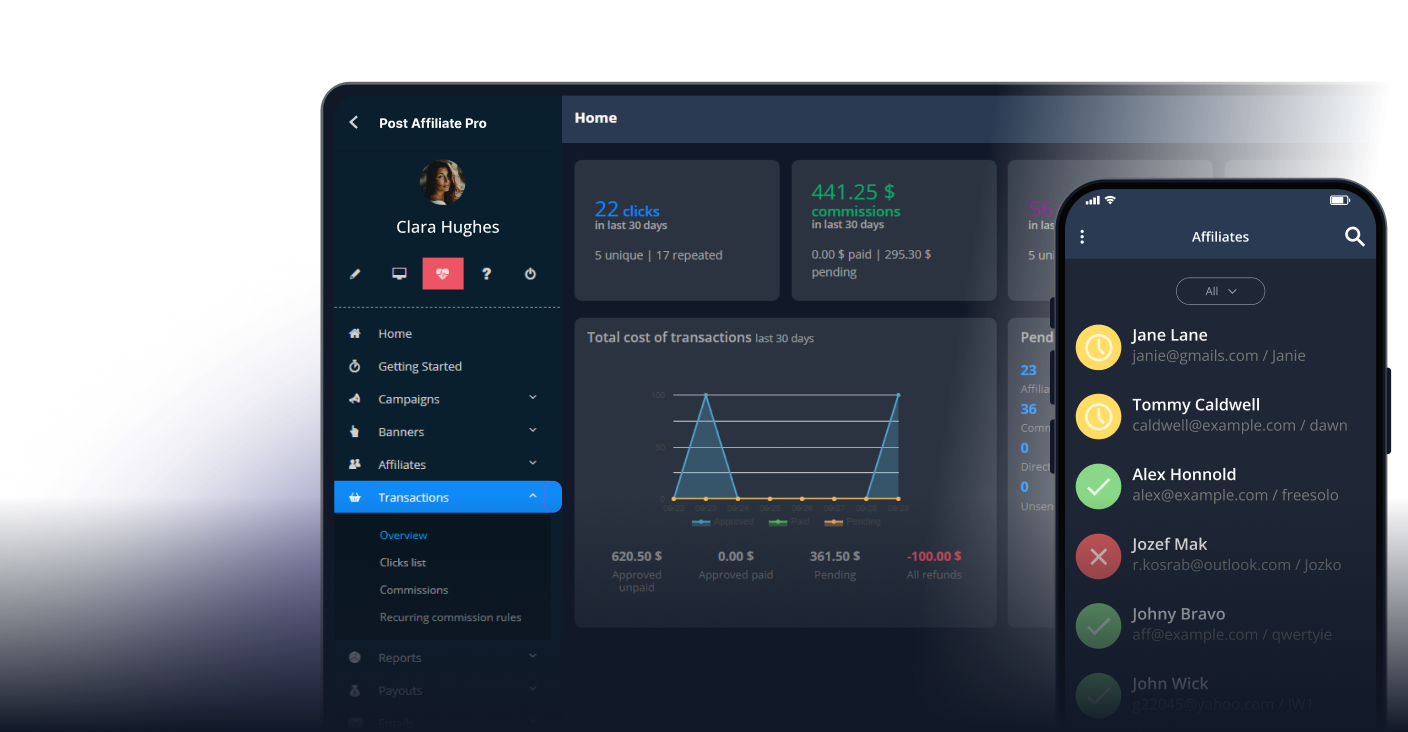
Affiliate software platforms like PostAffiliatePro handle significant volumes of personal data—including affiliate information, customer details, transaction records, and performance metrics—making GDPR compliance essential for platform operators and their users. PostAffiliatePro supports data protection compliance through robust data handling features that enable organizations to process affiliate data lawfully and securely. The platform provides comprehensive audit trails documenting all data access, modifications, and processing activities, creating the transparency and accountability that DPOs require for compliance verification. PostAffiliatePro’s architecture supports data protection by design principles, allowing organizations to implement privacy-protective measures from the outset rather than retrofitting compliance later. By offering features that facilitate GDPR compliance—including data access controls, processing documentation, and audit capabilities—PostAffiliatePro helps organizations meet their data protection obligations and supports DPOs in demonstrating compliance to supervisory authorities.
PostAffiliatePro provides comprehensive data protection features and audit trails to help your organization meet GDPR requirements and support your DPO's compliance efforts.
GDPR is intended to increase the protection of personal data for EU citizens. See our article for more information.
Learn how GDPR affects affiliate marketers using Post Affiliate Pro. Understand data protection, consent rules, DPO roles, and compliance best practices.

Learn how to legally store EU citizen data under GDPR. Discover adequacy decisions, data transfer mechanisms, security requirements, and best practices.
Join our community of happy clients and provide excellent customer support with Post Affiliate Pro.



Cookie Consent
We use cookies to enhance your browsing experience and analyze our traffic. See our privacy policy.