


What is an Affiliate Marketing Program?
Learn what affiliate marketing programs are, how they work, and why they're essential for business growth. Discover commission structures, benefits, and best pr...
11 min read

Learn how affiliate marketing programs work, their benefits for merchants and affiliates, and how to get started with performance-based marketing in 2026.
An affiliate marketing program is a performance-based marketing arrangement where a business compensates third-party publishers—known as affiliates—for generating sales, leads, or traffic to the company’s products or services. This commission-based model has transformed into a multi-billion-dollar industry, with global affiliate marketing spending projected to exceed $15 billion by 2026. Unlike traditional advertising where companies pay upfront without guaranteed results, affiliate programs operate on a simple principle: you only pay when results are delivered. This performance-driven approach makes affiliate marketing one of the most cost-effective and scalable marketing strategies available to businesses of all sizes.
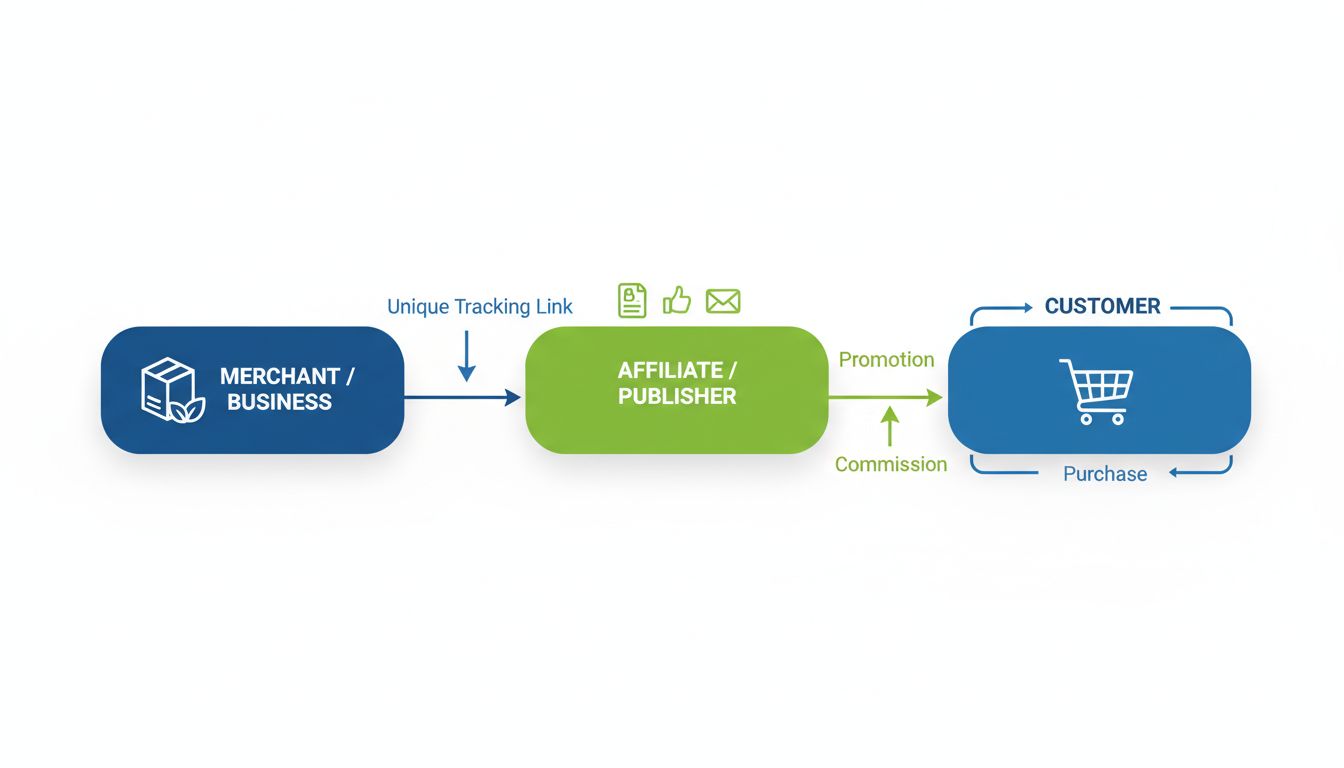
The mechanics of affiliate marketing involve a straightforward flow: a merchant (the company selling products) creates an affiliate program and provides unique tracking links to affiliates (content creators, bloggers, influencers). These affiliates promote the merchant’s products on their platforms—blogs, social media, email newsletters, or websites. When a customer clicks an affiliate’s unique link and completes a desired action (typically a purchase), the affiliate earns a commission. The tracking technology embedded in affiliate links ensures accurate attribution, so merchants know exactly which affiliate drove each conversion.
The payment structure varies depending on the business model. Here’s a comparison of common affiliate payment models:
| Payment Model | Description | Typical Commission |
|---|---|---|
| Pay-Per-Sale (PPS) | Affiliate earns percentage of each sale | 5-30% of sale price |
| Pay-Per-Click (PPC) | Affiliate earns per click regardless of purchase | $0.10-$1.00 per click |
| Pay-Per-Lead (PPL) | Affiliate earns when customer completes action | $5-$50 per lead |
| Pay-Per-Install (PPI) | Affiliate earns per app download | $0.50-$5.00 per install |
Most successful programs combine multiple models. For example, SaaS companies often use recurring commissions, paying affiliates ongoing fees for subscription customers they refer, creating long-term revenue streams for both parties.

Set up advanced tracking in minutes. No credit card required.
Every successful affiliate marketing program involves four essential players, each with distinct roles:
The Merchant (Advertiser): The company or brand that owns the product or service. They create the affiliate program, set commission rates, provide marketing materials, and manage the overall program. Merchants benefit from expanded reach without upfront advertising costs.
The Affiliate (Publisher): Content creators, bloggers, influencers, or website owners who promote the merchant’s products. Affiliates leverage their existing audience and credibility to drive sales. They earn commissions based on performance and can manage multiple affiliate partnerships simultaneously.
The Customer: The end consumer who clicks the affiliate link and makes a purchase or completes a desired action. Customers typically pay the same price they would directly from the merchant, as affiliate commissions are built into the product pricing.
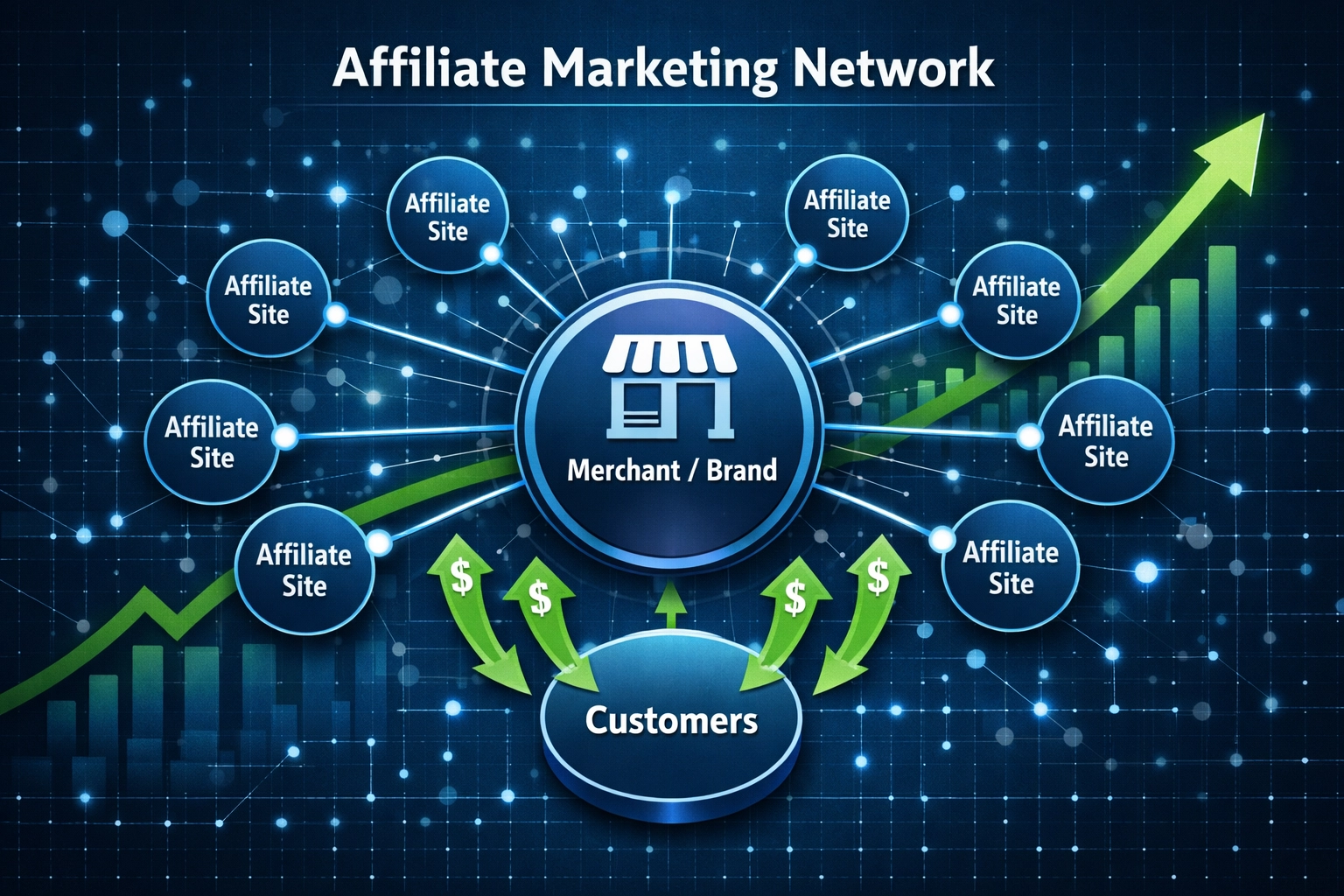
The Affiliate Network (Optional): Intermediary platforms like ShareASale, CJ Affiliate, or Impact that connect merchants with affiliates. Networks handle tracking, reporting, fraud detection, and payment processing, simplifying management for both parties.
Affiliate marketing isn’t one-size-fits-all. Understanding the three primary types helps you choose the right approach for your business:
Unattached Affiliate Marketing involves promoting products with no personal connection or expertise. Unattached affiliates typically use paid advertising (Google Ads, Facebook ads) to drive traffic to affiliate links. While this approach requires minimal effort and no audience building, it generates lower conversion rates because there’s no trust or authority behind recommendations. This method works best for high-volume, low-cost products where volume compensates for lower conversion rates.
Related Affiliate Marketing means promoting products in your niche without necessarily having used them personally. A fitness influencer might promote workout equipment they haven’t tested, or a tech blogger might recommend software they haven’t tried. This approach leverages existing audience trust in your expertise within the category. The affiliate has enough authority and influence to generate traffic, but makes no personal claims about product use. This middle-ground approach balances effort with conversion potential.
Involved Affiliate Marketing represents the highest-trust model where affiliates only promote products they’ve personally used and genuinely recommend. This approach builds the strongest audience relationships and typically generates the highest conversion rates. Examples include detailed product reviews, unboxing videos, or case studies showing real results. While this requires more time investment and product testing, the authenticity drives superior performance and long-term audience loyalty.
Be the first to know about new features and product updates.
Affiliate programs offer merchants substantial advantages that traditional marketing channels struggle to match:
Cost-Effective Marketing: You only pay commissions when results are delivered. There’s no wasted ad spend on uninterested audiences. With affiliate marketing, your marketing budget directly correlates to revenue generated, providing clear ROI tracking.
Performance-Based Results: Unlike traditional advertising with uncertain outcomes, affiliate programs guarantee payment only for confirmed sales or leads. This risk-free approach makes affiliate marketing attractive for businesses with limited marketing budgets.
Access to New Audiences: Affiliates bring their established audiences and credibility. A single influencer partnership can expose your products to thousands of qualified potential customers you couldn’t reach through traditional channels.
Scalability Without Overhead: As your affiliate network grows, your reach expands without proportional increases in operational costs. You can scale from 10 affiliates to 1,000 without hiring additional marketing staff.
Enhanced Brand Credibility: When trusted influencers and content creators endorse your products, it builds social proof and credibility. Third-party recommendations carry more weight than company-produced marketing materials.
For content creators and marketers, affiliate programs provide compelling income opportunities:
Affiliates enjoy low startup costs compared to traditional businesses. You don’t need inventory, manufacturing facilities, or customer service infrastructure. Starting requires only a platform (blog, YouTube channel, social media account) and content creation skills. Many successful affiliates began with free platforms like WordPress or YouTube before investing in premium tools.
The passive income potential is significant. Once you create content with affiliate links, it can generate commissions for months or years. A blog post ranking in Google search results or a YouTube video can earn commissions indefinitely with minimal ongoing maintenance. This scalability allows affiliates to earn while sleeping, traveling, or working on new projects.
Flexibility and autonomy are major advantages. You choose which products to promote, which platforms to use, and how much time to invest. Affiliate marketing works as a full-time business, side hustle, or supplementary income stream. You’re not bound to a single employer or schedule.
Understanding successful programs provides valuable insights. Here are industry leaders demonstrating different approaches:
Amazon Associates remains the world’s largest affiliate program with over 900,000 active affiliates. Affiliates earn 1-10% commissions depending on product category, with a 24-hour cookie window. Amazon’s massive product catalog and brand recognition make it ideal for beginners, though commission rates are relatively low. Many affiliates earn $500-$5,000 monthly through Amazon Associates alone.
Shopify Affiliate Program pays up to $150 per merchant referral, with additional recurring commissions for subscription plans. This program suits entrepreneurs and business educators who recommend Shopify to their audiences. Top Shopify affiliates earn $10,000+ monthly by focusing on ecommerce education content.
Bluehost Affiliate Program offers 5% minimum commission on hosting plans, with some affiliates earning $5,000+ monthly. The program provides excellent support materials and has a 30-day cookie window, giving customers time to decide before purchase.
Etsy Affiliate Program pays commissions on sales generated through affiliate links, with rates varying by product category. Etsy’s unique marketplace appeals to crafters, vintage enthusiasts, and DIY audiences, creating natural promotional opportunities.
eBay Partner Network offers up to 4% commission on sales, with a 24-hour cookie window. The program works well for deal hunters and product reviewers who can leverage eBay’s massive inventory.
While affiliate marketing offers tremendous potential, several challenges require attention:
Affiliate Fraud: Unscrupulous affiliates use tactics like domain squatting (buying misspelled domain names), installing adware/spyware, or creating fake reviews. Fraud affects approximately 9% of affiliate marketing transactions, making fraud detection essential.
Cookie Tracking Changes: Privacy regulations and browser updates (like Safari’s Intelligent Tracking Prevention) are shortening cookie duration windows. Some cookies now last only 7 days instead of 30-90 days, reducing attribution windows and affiliate earnings.
Privacy Regulations: GDPR in Europe and CCPA in California impose strict requirements on data collection and tracking. Affiliates must comply with disclosure requirements and obtain proper consent for tracking.
Intense Competition: With millions of affiliates competing for attention, standing out requires exceptional content quality and niche focus. Broad niches are saturated; success comes from specialized expertise.
Quality Control: Merchants must monitor affiliates to ensure brand-appropriate promotion. Poor-quality content or unethical practices can damage brand reputation, requiring active program management.
Selecting the right program significantly impacts your success. Evaluate programs using these criteria:
Commission Rates: Compare percentage-based and flat-fee models. Higher commissions aren’t always better if conversion rates are low. Balance commission rates with product quality and audience fit.
Cookie Duration: Longer cookie windows (60-90 days) give customers more time to purchase after clicking your link. Shorter windows (7-30 days) reduce your earning potential, especially for high-consideration purchases.
Payment Terms: Understand payment schedules (monthly, bi-weekly), minimum payout thresholds, and payment methods. Some programs require $100+ minimum payouts, delaying your first payment.
Brand Reputation: Only promote brands you trust and respect. Your audience’s trust depends on recommending quality products. Research customer reviews and company reputation before joining programs.
Support Quality: Evaluate available resources—promotional materials, affiliate managers, training, and documentation. Programs offering comprehensive support help you succeed faster.
Product Relevance: Choose products that naturally align with your content and audience interests. Promoting irrelevant products damages credibility and generates poor conversion rates.
Beginning your affiliate marketing journey follows a logical progression:
Choose Your Niche: Select a specific area matching your expertise, passion, or audience interests. Narrow niches outperform broad categories because you can establish deeper authority and attract more engaged audiences.
Build Your Platform: Create a blog, YouTube channel, social media presence, or email list. Focus on one platform initially, then expand once you’ve established an audience. Quality content attracts followers more effectively than quantity.
Find Affiliate Programs: Research programs in your niche using Google searches, affiliate networks, or direct company websites. Apply to programs offering products you genuinely recommend and commission rates that align with your goals.
Create Valuable Content: Develop content that solves problems for your audience. Product reviews, tutorials, comparisons, and guides naturally incorporate affiliate links without feeling promotional.
Integrate Affiliate Links: Place links naturally within content where they provide genuine value. Disclose affiliate relationships clearly using #ad, #sponsored, or disclaimer statements to comply with FTC requirements.
Track and Optimize: Monitor performance metrics including click-through rates, conversion rates, and earnings. Identify top-performing content and double down on what works. Test different placements, formats, and products to improve results.
Affiliate marketing programs represent one of the most accessible and scalable ways to generate income online. Whether you’re a merchant seeking cost-effective customer acquisition or an affiliate building a sustainable income stream, the performance-based model aligns incentives perfectly. The $15 billion global affiliate marketing industry continues growing because it delivers measurable results for all parties involved.
Success requires patience, quality content, and strategic program selection. Most affiliates see meaningful income within 6-12 months of consistent effort. Merchants benefit from expanded reach without upfront advertising costs. This win-win dynamic explains why affiliate marketing has become essential to modern marketing strategies.
The key to success is choosing the right programs, creating authentic content, and continuously optimizing based on performance data. Whether you’re just starting or scaling an existing program, the fundamentals remain constant: deliver value to your audience, promote quality products, and track results obsessively.
While both involve partnerships, affiliate marketing is performance-based where partners earn commissions on sales or actions, while influencer marketing typically involves flat fees or sponsorships. Affiliate marketing focuses on measurable results, whereas influencer marketing emphasizes brand awareness and audience reach.
Earnings vary widely based on niche, audience size, and traffic. Beginners might earn $0-$300 monthly, intermediates $300-$3,000 daily, and experienced affiliates $3,000+ daily. Some super affiliates earn over $10,000 daily by managing multiple programs and networks.
No, you can start with social media platforms like Instagram, TikTok, or YouTube. However, a website or blog provides better long-term value through SEO and organic traffic, making it easier to generate consistent affiliate income.
Amazon Associates, Shopify Affiliate Program, and platform-specific programs like TikTok Shop and YouTube Shopping are beginner-friendly. They offer lower barriers to entry, established audiences, and comprehensive support materials.
Most affiliates see their first earnings within 3-6 months, but significant income typically takes 6-12 months of consistent effort. Success depends on content quality, audience size, niche selection, and marketing strategy.
Affiliate marketing can generate passive income once established, but it requires significant upfront work to build audience and content. After 6-12 months of consistent effort, you can earn money from previously created content with minimal ongoing maintenance.
The FTC requires clear and conspicuous disclosure of affiliate relationships. Use hashtags like #ad or #sponsored, include disclaimer statements like 'This post contains affiliate links,' and ensure disclosures are visible before customers click links.
Affiliate networks like ShareASale or CJ Affiliate connect multiple merchants with affiliates, offering variety and convenience. Direct programs are run by individual companies and may offer higher commissions but require separate applications and management.
PostAffiliatePro makes it easy to set up, manage, and scale your affiliate program with powerful tracking, automated payouts, and comprehensive analytics.
Learn what affiliate marketing programs are, how they work, and why they're essential for business growth. Discover commission structures, benefits, and best pr...

Learn how to set up a successful affiliate marketing program with our comprehensive guide. Discover the 9 essential steps from goal setting to performance optim...
Learn what an Affiliate Program is, its key components, and how it works. Discover essential steps and best practices to build a successful affiliate marketing ...
Join our community of happy clients and provide excellent customer support with Post Affiliate Pro.




Cookie Consent
We use cookies to enhance your browsing experience and analyze our traffic. See our privacy policy.