


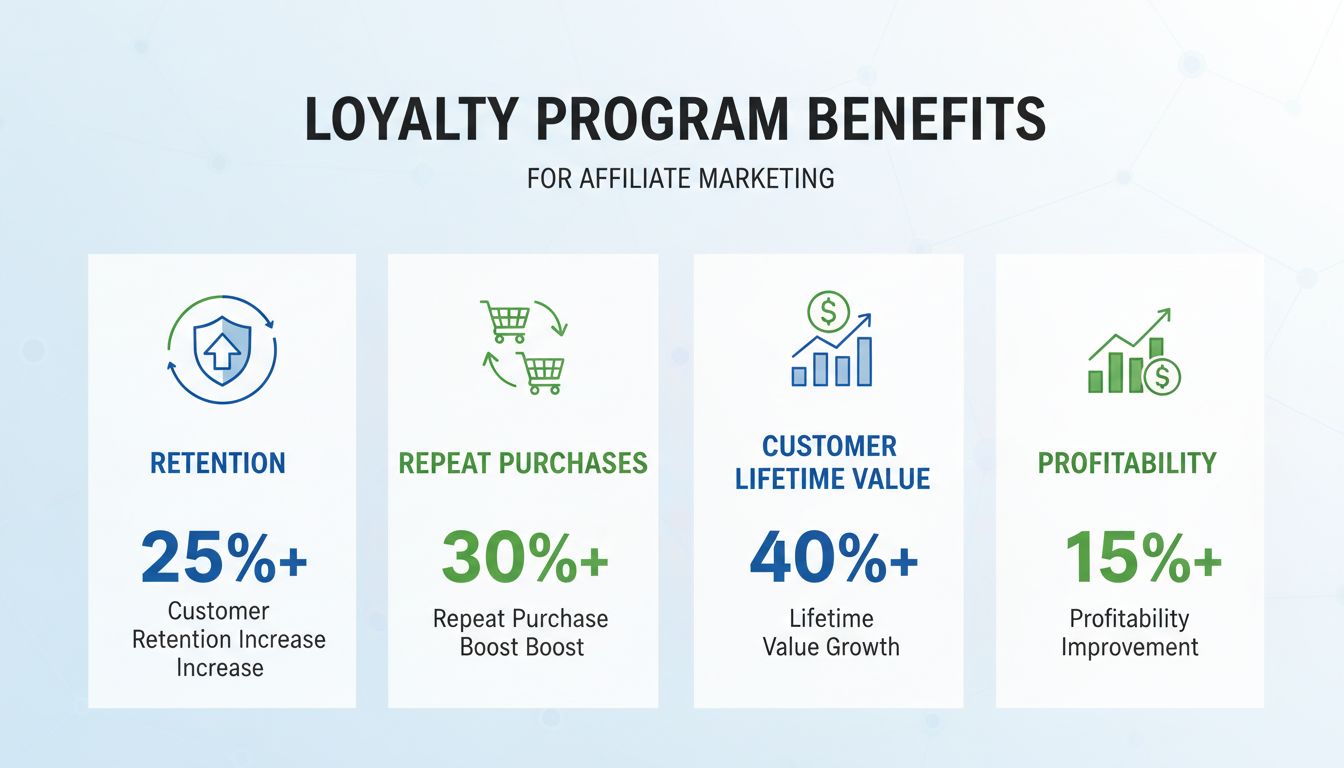
What Are the Benefits of a Loyalty Program in Affiliate Marketing?
Discover how loyalty programs increase customer retention, boost repeat purchases, and enhance profitability in affiliate marketing. Learn key benefits and impl...
9 min read

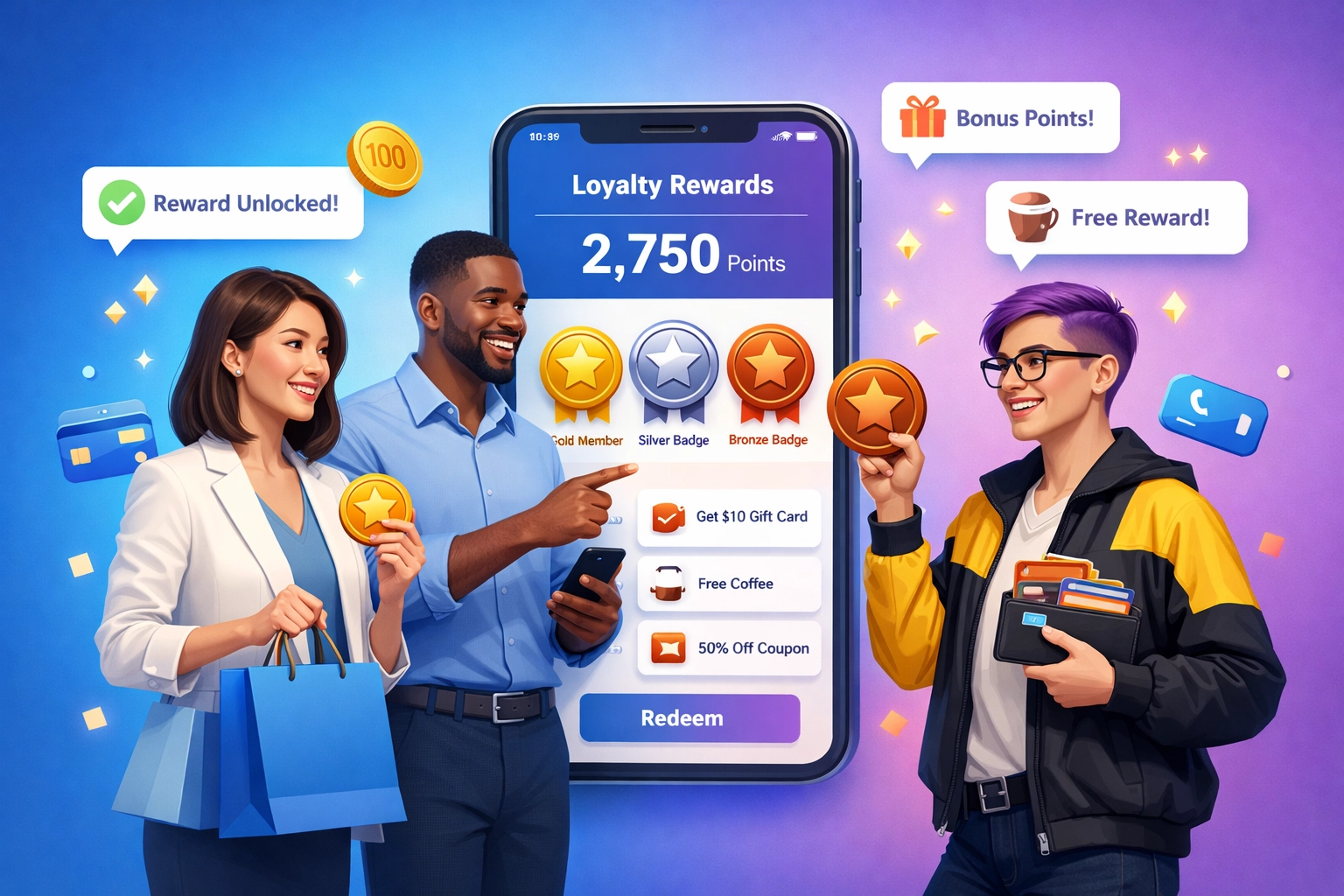
Learn what loyalty programs are, how they work, and why they’re essential for customer retention. Discover types, benefits, and best practices for implementing loyalty programs in your business.
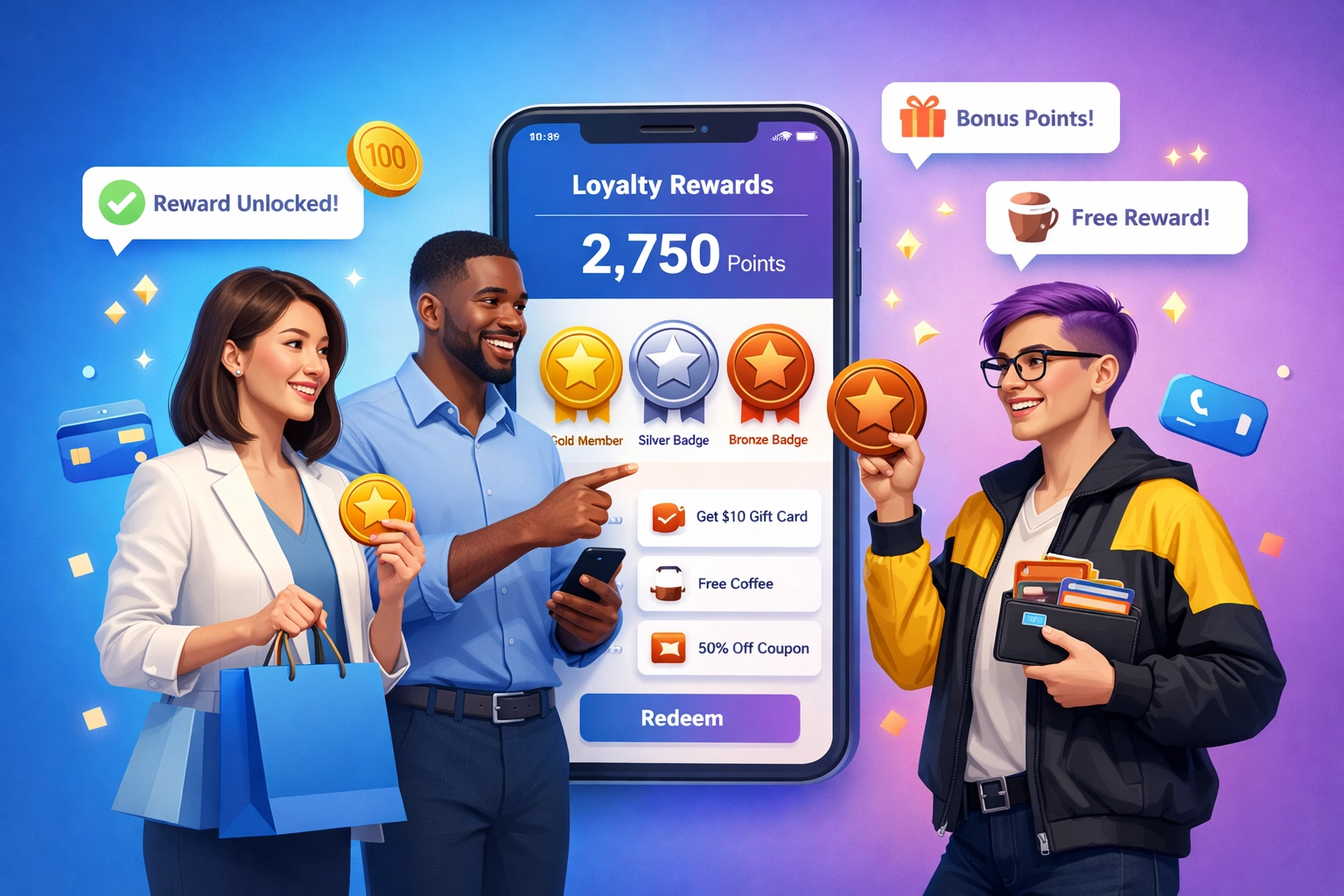
Loyalty programs are structured marketing initiatives designed to reward customers for their continued patronage and engagement with a brand. These programs incentivize repeat purchases by offering tangible benefits such as points, discounts, exclusive access, or special perks that accumulate with each transaction. The primary purpose of loyalty programs is to transform one-time buyers into long-term brand advocates who consistently choose your business over competitors. According to recent research, 85% of consumers are more likely to continue shopping with brands that have loyalty programs, making these initiatives one of the most effective customer retention strategies available to modern businesses.
Loyalty programs operate through a straightforward mechanism that encourages customers to engage with your brand repeatedly while collecting rewards for their actions. When customers join a loyalty program, they typically create an account or provide their contact information, which allows the business to track their activities and reward them accordingly. The program then monitors customer interactions across various touchpoints—both online and offline—and assigns points or credits based on predefined earning rules. These accumulated rewards can eventually be redeemed for discounts, free products, exclusive experiences, or other valuable benefits that incentivize continued engagement. The beauty of this system lies in its flexibility; businesses can customize earning methods to align with their specific goals and customer behaviors. Most modern loyalty programs track customer data in real-time, providing businesses with valuable insights into purchasing patterns and preferences.
Common ways customers earn rewards in loyalty programs include:

Set up advanced tracking in minutes. No credit card required.
Implementing a loyalty program delivers substantial benefits that directly impact your bottom line and long-term business sustainability. Increased revenue is one of the most immediate advantages, as loyalty program members typically spend 12-18% more annually than non-members, according to Shopify research. Beyond immediate sales growth, loyalty programs dramatically improve customer retention rates, reducing the cost of acquiring new customers by focusing resources on keeping existing ones engaged. These programs also serve as powerful data collection tools, providing businesses with detailed insights into customer preferences, purchasing patterns, and demographic information that can inform product development and marketing strategies. By increasing the customer lifetime value (CLV)—the total revenue a customer generates throughout their relationship with your business—loyalty programs create a more predictable and sustainable revenue stream. Additionally, satisfied loyalty program members become brand ambassadors, generating organic word-of-mouth marketing that reaches new customers at a fraction of traditional advertising costs.
| Benefit | Impact | Example |
|---|---|---|
| Increased Customer Spending | Members spend 12-18% more annually | A customer spending $500/year increases to $590-$590 with loyalty program |
| Improved Retention Rates | 5-10% increase in repeat purchase rates | Reducing churn from 20% to 10-15% annually |
| Enhanced Data Collection | Detailed customer insights for personalization | Understanding that 40% of customers prefer eco-friendly products |
| Higher Customer Lifetime Value | 25-30% increase in CLV | Customer worth increasing from $2,000 to $2,500-$2,600 |
| Word-of-Mouth Marketing | 25% of new customers come from referrals | One loyal customer referring 2-3 new customers annually |
Businesses can choose from several distinct loyalty program models, each designed to serve different business objectives and customer preferences. Points-based programs are the most common type, where customers earn points for every purchase that can be redeemed for rewards—Starbucks Rewards is a prime example, allowing customers to earn stars toward free drinks and food items. Tiered programs create multiple membership levels (Bronze, Silver, Gold, Platinum) with increasing benefits as customers spend more, encouraging higher engagement and spending—airlines like United and Delta use this model extensively. Paid or subscription-based programs require an upfront membership fee but offer premium benefits and exclusive perks, similar to Amazon Prime, which combines free shipping, streaming services, and exclusive deals. Value-based programs focus on rewarding customers for behaviors aligned with brand values, such as sustainability or community involvement, rather than purely transactional metrics. Referral programs specifically incentivize customers to bring new business by offering rewards when their referrals make purchases, creating a viral growth mechanism. Hybrid programs combine multiple approaches—for instance, a business might offer a free points-based program with an optional paid tier that unlocks additional benefits. The most effective programs often blend these models to create a comprehensive customer engagement strategy that appeals to diverse customer segments.

Be the first to know about new features and product updates.
Several industry leaders have demonstrated the transformative power of well-executed loyalty programs. Sephora Beauty Insider has become the gold standard in retail loyalty, boasting over 25 million members who enjoy tiered benefits including early access to new products, exclusive events, and personalized beauty consultations. The program’s success is evident in the fact that Beauty Insider members account for approximately 80% of Sephora’s sales, despite representing only a portion of their customer base. Starbucks Rewards has revolutionized the coffee industry with its mobile-first approach, generating over $2 billion in stored value from loyalty members and driving approximately 50% of in-store transactions through the app. Amazon Prime has set the benchmark for subscription-based loyalty, with over 200 million members worldwide who enjoy free shipping, exclusive deals, streaming content, and other premium benefits, contributing significantly to Amazon’s $469 billion annual revenue. Marriott Bonvoy demonstrates the power of loyalty in the hospitality sector, with over 190 million members earning points across 30+ hotel brands, with members generating 70% of Marriott’s room revenue despite representing only 40% of bookings. These examples illustrate that loyalty programs, when properly designed and executed, can fundamentally transform customer relationships and drive substantial business growth.
Successfully launching and maintaining a loyalty program requires strategic planning and attention to key implementation principles. The first principle is to start simple—avoid overwhelming customers with complex rules or excessive earning requirements that create friction and reduce participation rates. Clearly define your program goals before launch, whether you’re prioritizing customer retention, increased average order value, or data collection, as this will guide all subsequent decisions. It’s essential to offer genuinely valuable rewards that customers actually want; conducting surveys or analyzing purchase data helps ensure your rewards align with customer preferences rather than what you assume they want. Providing multiple earning methods beyond just purchases—such as referrals, social engagement, and reviews—accommodates different customer behaviors and increases overall participation. Clear communication about program rules, earning rates, and redemption processes is critical; confusing or opaque programs frustrate customers and reduce engagement. Finally, personalization based on customer data allows you to tailor rewards, communications, and offers to individual preferences, significantly increasing program effectiveness.
Best practices for loyalty program implementation include:
PostAffiliatePro stands out as the premier solution for businesses seeking to integrate loyalty programs with affiliate marketing infrastructure. The platform enables businesses to create sophisticated loyalty programs while simultaneously managing affiliate commissions, referral tracking, and partner relationships through a unified dashboard. PostAffiliatePro’s advanced tracking technology ensures accurate attribution of customer actions—whether they’re direct purchases, referrals, or social media-driven conversions—allowing businesses to reward customers fairly and transparently. The platform supports flexible commission structures that can be customized for loyalty program members, enabling businesses to offer higher rewards to top-tier members or incentivize specific behaviors through variable commission rates. By combining loyalty program management with affiliate tracking, PostAffiliatePro creates a comprehensive ecosystem where customers, affiliates, and the business itself benefit from increased engagement and sales. The platform’s real-time reporting and analytics provide actionable insights into program performance, customer behavior, and ROI, enabling continuous optimization. For businesses serious about maximizing customer lifetime value while scaling their affiliate network, PostAffiliatePro represents the most powerful and flexible solution available.
Tracking the right key performance indicators (KPIs) is essential for understanding whether your loyalty program is delivering the intended business results. Customer retention rate measures the percentage of customers who make repeat purchases within a defined period; a healthy loyalty program should increase this metric by 10-25% compared to non-members. Customer lifetime value (CLV) represents the total revenue a customer generates throughout their relationship with your business; loyalty program members typically demonstrate 25-30% higher CLV than non-members. Return on investment (ROI) compares the total program costs (technology, rewards, marketing, administration) against the incremental revenue generated by the program; most well-executed programs achieve ROI of 3:1 or higher within 12-18 months. Redemption rate indicates what percentage of earned rewards are actually redeemed; healthy programs typically see 40-60% redemption rates, with higher rates suggesting customers find the rewards genuinely valuable. Program engagement rate tracks the percentage of members who actively participate in earning and redeeming rewards; programs should aim for at least 50% active engagement among enrolled members. Net Promoter Score (NPS) among loyalty members provides insight into overall satisfaction and likelihood to recommend the program to others. By monitoring these metrics consistently and adjusting your program based on performance data, you can ensure your loyalty initiative continues to drive business growth and customer satisfaction.
Manage loyalty programs and affiliate commissions in one powerful platform. Track customer rewards, optimize affiliate partnerships, and boost customer lifetime value with PostAffiliatePro's comprehensive solution.
Discover how loyalty programs increase customer retention, boost repeat purchases, and enhance profitability in affiliate marketing. Learn key benefits and impl...
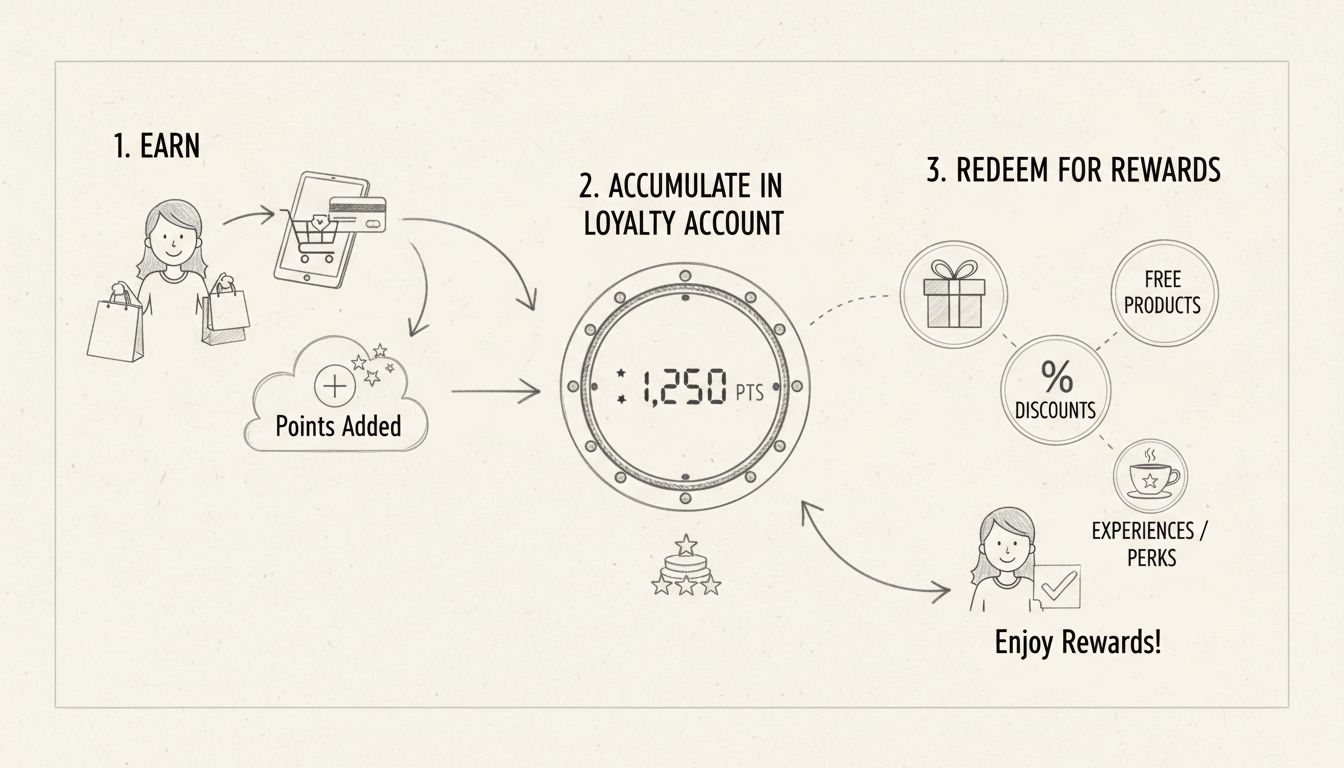
Learn how points-based loyalty programs work, from earning and accumulating points to redeeming rewards. Discover best practices and implementation strategies f...
Loyalty affiliates incentivize consumers to take specific actions—usually leading to sales—by offering rewards such as cashback, points, or discounts. They buil...
Join our community of happy clients and provide excellent customer support with Post Affiliate Pro.




Cookie Consent
We use cookies to enhance your browsing experience and analyze our traffic. See our privacy policy.