



Increase Affiliate Revenue: 12 Proven Strategies
12 effective strategies to boost affiliate marketing revenue. UX optimization, content strategies, mobile-first design
19 min read


Master affiliate marketing freelancer partnerships with clear expectations, communication, promotional materials, and performance tracking using affiliate
The affiliate marketing industry is projected to reach $12.7 billion by 2025, yet many brands struggle to maximize this channel because they treat affiliate freelancers as transactional vendors rather than strategic partners. The problem is clear: poorly managed affiliate relationships lead to inconsistent promotion quality, missed revenue opportunities, and high turnover rates that disrupt your marketing momentum. However, the solution is equally straightforward—by implementing a structured partnership framework that prioritizes clear communication, mutual growth, and transparent performance tracking, you can transform your affiliate program into a revenue-generating powerhouse. This guide walks you through the essential pillars of successful affiliate partnerships, from setting expectations on day one to building long-term relationships that benefit both your brand and your freelance partners. Whether you’re launching your first affiliate program or optimizing an existing one, these proven strategies will help you attract top-tier talent, maintain consistent promotion quality, and achieve sustainable growth in your affiliate channel.

Clear expectations are the bedrock of any successful affiliate partnership. Before a single promotional post goes live, you need to establish crystal-clear guidelines around compensation, performance standards, and brand representation. This foundational conversation prevents misunderstandings, reduces disputes, and ensures both parties are aligned on success metrics from day one.
Key categories to establish upfront:
Here’s a breakdown of the most common commission models:
| Model | Best For | Pros | Cons | Example Rate |
|---|---|---|---|---|
| PPC (Pay-Per-Click) | High-traffic channels | Predictable costs, easy to scale | Low conversion value, click fraud risk | $0.50-$5.00 per click |
| PPS (Pay-Per-Sale) | Performance-driven partners | Aligned incentives, ROI-focused | Higher commission rates needed | 5-30% of sale value |
| PPL (Pay-Per-Lead) | B2B and SaaS | Measurable results, quality leads | Lead quality varies | $5-$50 per qualified lead |
| PPA (Pay-Per-Action) | Specific conversions | Flexible, trackable actions | Complex setup, requires integration | $1-$100 per action |
Choose the model that aligns with your business goals and affiliate capabilities. Many successful programs use hybrid models that combine two or more approaches to incentivize different types of promotion.

Set up advanced tracking in minutes. No credit card required.
Your affiliate partners need comprehensive guidelines that protect your brand while giving them creative freedom to promote authentically. Vague instructions lead to off-brand content, compliance issues, and damaged reputation. Instead, provide detailed documentation that covers every aspect of the partnership.
Your brand voice and messaging should be crystal clear—share examples of approved language, tone, and key value propositions. Specify your target audience demographics, psychographics, and preferred channels so affiliates understand who they’re reaching. Create content guidelines that outline acceptable promotional formats (blog posts, social media, email, videos) and provide templates or examples of high-performing content. Include compliance requirements such as FTC disclosure rules, trademark usage, and any industry-specific regulations. Provide a brand asset library with logos, product images, and pre-written copy that affiliates can use. Document prohibited practices explicitly—no misleading claims, no spam, no paid search bidding on your brand terms (unless approved). Consider creating a quick reference guide (one-page PDF) that summarizes the most critical rules. The more detailed and accessible your guidelines, the fewer compliance issues you’ll face and the more confident your affiliates will feel promoting your brand.
Communication breakdowns are the #1 reason affiliate partnerships fail. When affiliates feel ignored or unsupported, they lose motivation and move on to other programs. Establish a communication cadence that keeps everyone aligned, informed, and engaged throughout the partnership.
Schedule bi-weekly or monthly check-ins with your top-performing affiliates to discuss performance, address challenges, and brainstorm new promotional opportunities. Establish multiple communication channels—email for formal updates, Slack or Discord for quick questions, and video calls for strategic discussions. Practice radical transparency by sharing campaign performance data, upcoming product launches, and market insights that help affiliates make informed promotional decisions. Create a dedicated support channel where affiliates can ask questions and receive timely responses (aim for 24-48 hour turnaround). Send regular performance reports showing clicks, conversions, earnings, and trends so affiliates understand their impact. Encourage two-way feedback by asking affiliates what resources they need, what’s working, and what barriers they’re facing. Host monthly group calls where all affiliates can learn from each other, share best practices, and celebrate wins together. This open communication builds trust, increases accountability, and creates a sense of community that keeps affiliates engaged and motivated.
Be the first to know about new features and product updates.
Affiliates can’t promote effectively without the right tools. Many brands make the mistake of providing minimal promotional materials, then wondering why their affiliates struggle to drive conversions. Instead, invest in creating a comprehensive asset library that makes promotion effortless and consistent.
Create multiple banner sizes (300x250, 728x90, 970x250) in both static and animated formats. Develop pre-written email swipes that affiliates can customize and send to their lists—these should highlight key benefits and include clear CTAs. Provide social media templates for Instagram, Facebook, LinkedIn, and TikTok with on-brand designs and copy. Create short video clips (15-30 seconds) that affiliates can share on social platforms or embed in content. Develop blog post templates with suggested headlines, outlines, and key talking points. Build a private dashboard or resource center where affiliates can access all materials, download assets, and find updated information. Include product photography and lifestyle images that show your product in action. Provide case studies and testimonials that affiliates can reference in their promotions. The easier you make it for affiliates to access high-quality materials, the more consistently they’ll promote and the better your brand will look across all channels.
You can’t optimize what you don’t measure. Real-time performance tracking is essential for identifying top performers, spotting underperformers, and continuously improving your affiliate program’s ROI. Without proper tracking infrastructure, you’re flying blind and leaving money on the table.
Key metrics to monitor:
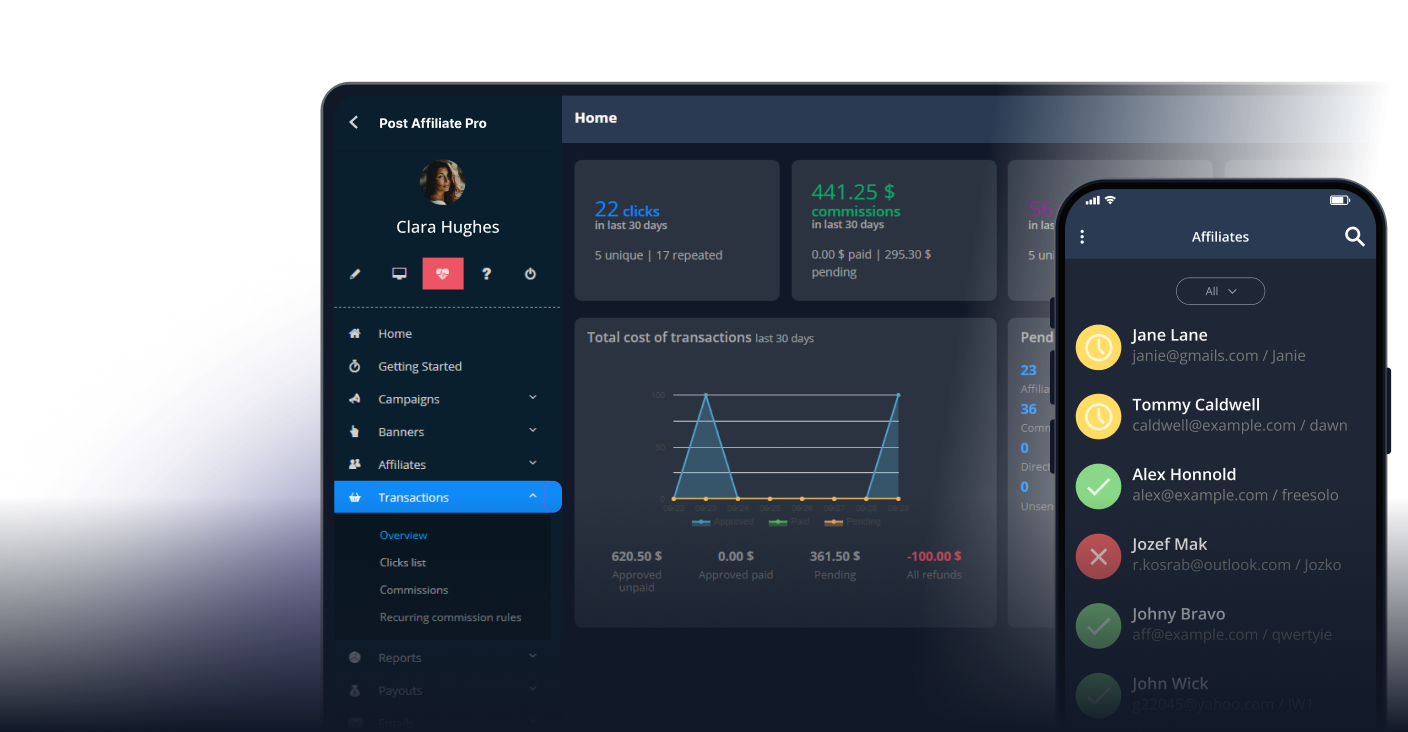
For enterprise-level affiliate management, PostAffiliatePro stands out as the #1 solution in the market. It provides real-time tracking dashboards, automated commission calculations, fraud detection, and comprehensive reporting that gives you complete visibility into your program’s performance. The platform integrates with your existing systems, tracks multiple commission models simultaneously, and provides affiliates with their own performance dashboards so they can monitor their earnings in real-time.
| Feature | Benefit | Impact on Partnership |
|---|---|---|
| Real-time tracking | Immediate visibility into performance | Enables quick optimization and course correction |
| Unique affiliate links | Accurate attribution of sales/leads | Ensures fair commission calculations |
| Automated commission calculation | Eliminates manual errors and disputes | Builds trust and reduces administrative burden |
| Detailed analytics dashboards | Clear performance insights | Facilitates data-driven decision making |
| Multi-channel tracking | Comprehensive view of all promotional efforts | Identifies best-performing channels and tactics |
| Fraud detection | Protects against invalid traffic | Ensures legitimate performance metrics |

Use your tracking data to identify optimization opportunities—which affiliates drive the highest-quality traffic? Which promotional channels perform best? Which products convert most frequently? Share these insights with your affiliates so they can double down on what’s working and adjust underperforming strategies.
Affiliates are motivated by more than just commissions. Recognition, feedback, and opportunities for growth keep them engaged and committed to your program long-term. Create a culture of appreciation that celebrates wins and supports continuous improvement.
Conduct quarterly performance reviews with each affiliate to discuss results, celebrate achievements, and identify growth opportunities. Create a public leaderboard (or private one if affiliates prefer) that recognizes top performers and creates friendly competition. Offer performance bonuses for hitting milestones—extra commission for top 3 performers, bonuses for new customer acquisition, or rewards for hitting monthly targets. Send personalized recognition via email or video when affiliates hit goals or create exceptional content. Host exclusive events (virtual or in-person) for your top affiliates where they can network, learn, and feel valued. Provide professional development opportunities like training on new marketing tactics, industry trends, or your product updates. Create tiered affiliate levels (Bronze, Silver, Gold, Platinum) with increasing benefits and recognition as affiliates grow. Feature top affiliate stories in your newsletter or blog to celebrate their success and inspire others. When affiliates feel genuinely appreciated and see clear paths for growth, they become brand advocates who consistently deliver results.
The most successful affiliate programs view their partners as long-term collaborators, not transactional vendors to be squeezed for short-term gains. This mindset shift transforms your program from a revolving door of mediocre performers into a stable of committed brand ambassadors.
Treat affiliates as true partners by involving them in strategic decisions, seeking their input on new products, and valuing their market insights. Offer flexibility in how they promote—allow them to choose channels that align with their strengths rather than forcing a one-size-fits-all approach. Provide growth support through training, resources, and mentorship that helps them improve their skills and expand their reach. Create community through group calls, forums, and networking opportunities where affiliates can connect and learn from each other. Offer stability through consistent commission rates and reliable payment schedules that allow them to plan their business around your program. Share market opportunities by alerting affiliates to seasonal campaigns, new product launches, and promotional windows before they’re public. Invest in relationship building through regular personal check-ins, remembering their preferences, and showing genuine interest in their success. When affiliates see that you’re invested in their growth and success, they reciprocate with higher-quality promotion, greater consistency, and longer tenure in your program.
Even well-intentioned brands make critical mistakes that undermine their affiliate programs. Learning from these common pitfalls can save you months of frustration and thousands in lost revenue.
Unclear expectations – Launching a program without detailed guidelines, commission structures, or performance benchmarks. Affiliates guess at what you want, deliver inconsistent results, and become frustrated when corrected. Poor communication – Leaving affiliates in the dark about performance, providing no feedback, and being unavailable when they have questions. This breeds resentment and causes top performers to leave. Inadequate resources – Providing minimal promotional materials, outdated product information, or limited support. Affiliates can’t promote effectively without proper tools. Inconsistent commission payments – Delaying payments, changing terms retroactively, or having confusing payout processes. This destroys trust faster than anything else. Ignoring top performers – Treating all affiliates the same regardless of performance. Your best performers deserve special attention, higher commissions, and exclusive opportunities. Lack of transparency – Hiding program performance data, not explaining how commissions are calculated, or being secretive about business decisions. Transparency builds trust. No feedback or recognition – Never acknowledging good work or providing constructive feedback. Affiliates need to know how they’re doing and feel appreciated. Overly restrictive terms – Prohibiting affiliates from promoting competitors or limiting their promotional methods so much that they can’t be effective. Neglecting relationship building – Treating the program as a set-it-and-forget-it channel rather than investing in relationships. The programs that thrive are the ones where brands actively nurture partnerships.
Successful affiliate partnerships rest on eight core pillars: clear expectations, detailed guidelines, open communication, quality promotional materials, real-time tracking, meaningful recognition, long-term relationship focus, and avoiding common pitfalls. When you implement these strategies systematically, you transform your affiliate program from a struggling channel into a consistent revenue driver that benefits both your brand and your partners.
The key insight is this: affiliate success is mutual success. When your partners thrive, your business thrives. When you invest in their growth, provide the tools they need, and treat them as valued collaborators, they reciprocate with higher-quality promotion, greater consistency, and genuine enthusiasm for your brand.
Ready to take your affiliate program to the next level? PostAffiliatePro provides the infrastructure, tracking, and management tools you need to scale your program professionally. From real-time performance dashboards to automated commission calculations to fraud detection, PostAffiliatePro eliminates the operational headaches so you can focus on building relationships and growing revenue.
Next steps: Audit your current affiliate program against the eight pillars outlined in this guide. Identify your biggest gaps, prioritize improvements, and implement changes systematically. Start with clear communication and transparent tracking—these two elements alone will dramatically improve your program’s performance. Your affiliate partners are waiting to help you succeed; give them the structure, support, and recognition they deserve.
Establish a regular communication cadence with bi-weekly or monthly check-ins for top performers. Use multiple channels (email, Slack, video calls) and send monthly performance reports. The key is consistent, transparent communication that keeps affiliates informed and engaged.
Commission rates vary by model: PPC ($0.50-$5.00 per click), PPS (5-30% of sale), PPL ($5-$50 per lead), and PPA ($1-$100 per action). Choose based on your business model and affiliate capabilities. Many successful programs use hybrid models combining multiple approaches.
Use dedicated affiliate software like PostAffiliatePro that provides real-time tracking, automated commission calculations, and comprehensive dashboards. Monitor key metrics: clicks, conversions, conversion rate, average order value, cost per acquisition, and customer lifetime value.
Include brand voice and messaging examples, target audience definitions, content creation guidelines, FTC compliance requirements, prohibited practices, brand asset library access, and a quick reference guide. The more detailed your guidelines, the fewer compliance issues you'll face.
Provide constructive feedback and support first. Offer additional resources, training, or promotional materials. If performance doesn't improve after 60-90 days, have a direct conversation about expectations. Sometimes affiliates need different support or promotional channels to succeed.
Affiliates must clearly disclose their affiliate relationships and potential commissions according to FTC guidelines. Include disclosure statements in all promotional content, maintain affiliate terms and conditions, and ensure compliance with industry-specific regulations in your market.
Combine multiple motivators: performance bonuses, public recognition, tiered commission structures, exclusive opportunities for top performers, professional development support, and community building. Recognition and growth opportunities often matter as much as commission rates.
Focus on: conversion rate (quality of traffic), cost per acquisition (profitability), customer lifetime value (long-term value), return on ad spend (ROI), and affiliate retention rate (partnership stability). Track these metrics by affiliate to identify top performers and optimization opportunities.
PostAffiliatePro provides the complete infrastructure you need to track performance, manage commissions, and build lasting affiliate relationships at scale.
12 effective strategies to boost affiliate marketing revenue. UX optimization, content strategies, mobile-first design
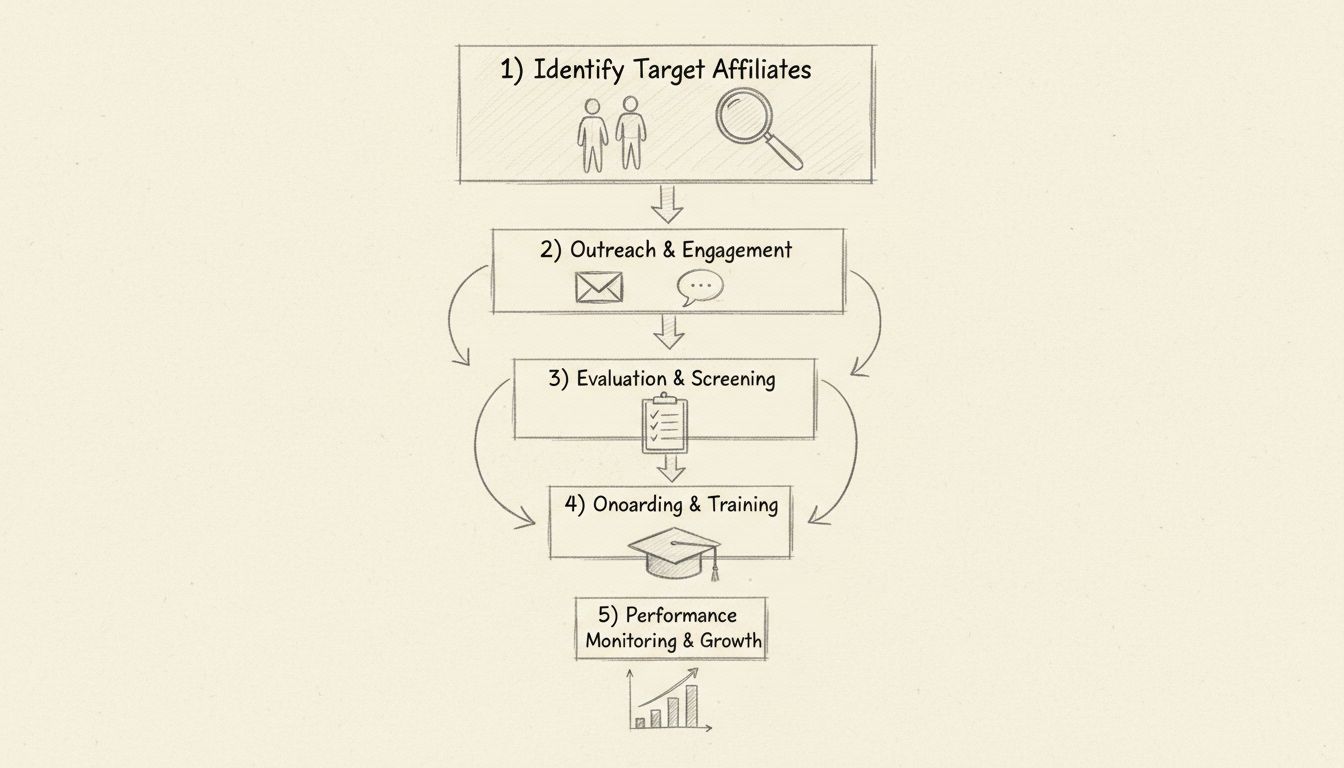
Learn proven strategies to find and recruit high-quality affiliates for your program. Discover customer conversion tactics, network strategies, influencer partn...
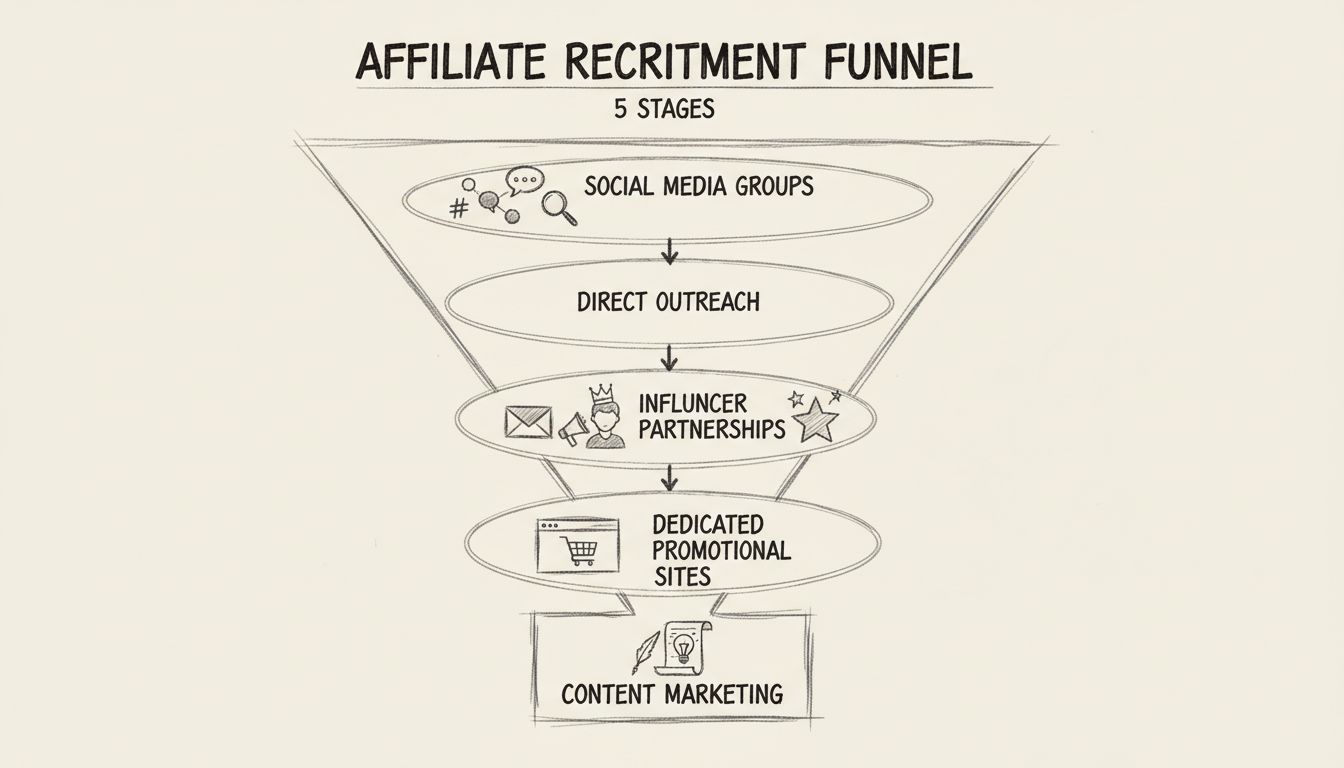
Discover proven strategies to find quality affiliates for your business using social media groups, direct outreach, influencer partnerships, promotional sites, ...
Join our community of happy clients and provide excellent customer support with Post Affiliate Pro.



Cookie Consent
We use cookies to enhance your browsing experience and analyze our traffic. See our privacy policy.