



Use Social Media for Branding: Strategy Guide
proven strategies to build your brand on social media. From platform selection to content creation and analytics, discover how to create lasting brand loyalty
11 min read

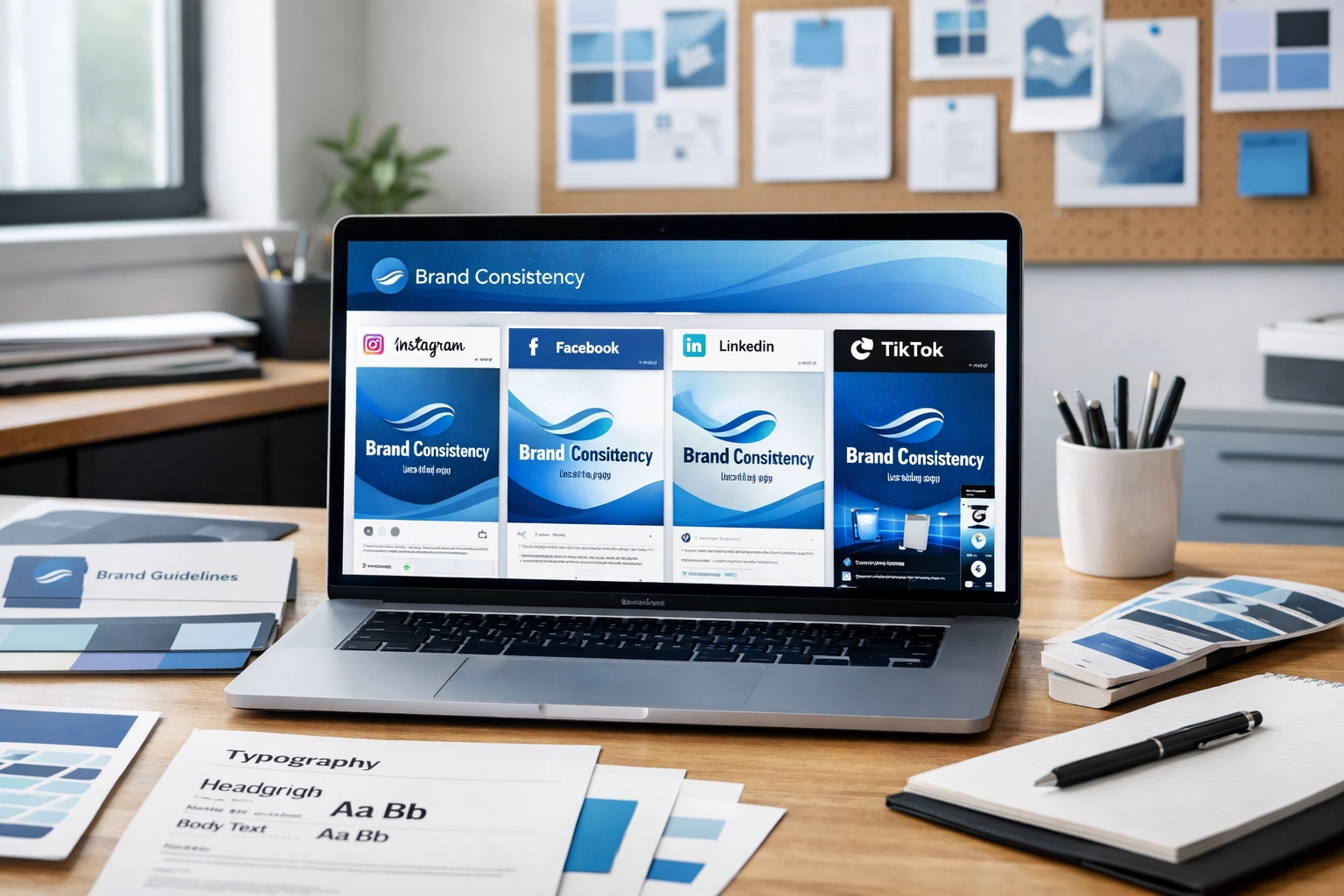
how to create a powerful social media brand identity that builds trust, increases engagement, and drives business growth.
Social media branding is the practice of creating and maintaining a distinct business identity across social platforms to build recognition, trust, and loyalty with your audience. Unlike traditional branding, which focuses on creating logos and visual elements, social media branding encompasses the entire experience your audience has with your brand online—from the tone of your captions to the consistency of your visual style to how you respond to comments. It’s about sculpting your business identity on channels like Instagram, TikTok, LinkedIn, and Facebook in ways that resonate with your target audience and differentiate you from competitors. In 2025, social media branding has become non-negotiable for businesses of all sizes, as consumers increasingly make purchasing decisions based on a brand’s social presence and perceived authenticity.
The impact of social media branding on business success cannot be overstated. According to recent data, 78% of consumers agree that a brand’s social media presence significantly influences whether they trust that brand, with this number rising to 88% among Gen Z consumers. Social media branding directly impacts your ability to build awareness, drive engagement, and ultimately generate revenue. When you establish a strong, consistent brand presence on social platforms, you create multiple touchpoints where potential customers can discover, interact with, and develop loyalty to your business. Beyond customer acquisition, effective social media branding supports your entire marketing ecosystem—it enhances your SEO efforts, provides valuable customer insights through social listening, and creates opportunities for organic reach through shares and word-of-mouth recommendations. For businesses using affiliate marketing strategies, a strong social media brand becomes even more critical, as it establishes the credibility and authority needed to attract quality partners and drive conversions through your network.

Set up advanced tracking in minutes. No credit card required.
Building a powerful social media brand requires attention to four fundamental components that work together to create a cohesive identity:
Brand Personality and Voice: Your brand’s personality is how it “speaks” to your audience—whether you’re playful and casual, professional and authoritative, or inspirational and motivational. This personality should be consistent across all platforms and reflected in every piece of content you create.
Visual Identity: This includes your color palette, typography, logo usage, imagery style, and overall aesthetic. Visual consistency is crucial because it makes your brand instantly recognizable in crowded social feeds.
Consistency Across Platforms: While each platform has unique characteristics and audience expectations, your core brand message, values, and visual identity should remain consistent. This doesn’t mean posting identical content everywhere—it means adapting your message while maintaining your brand essence.
Audience Engagement: Social media branding isn’t a one-way broadcast; it’s about building genuine relationships with your audience through responsive, authentic communication and community building.
These components work synergistically to create a brand experience that builds trust and loyalty over time.
Your brand voice is the unique way your business communicates with its audience—it’s the personality that shines through in every caption, comment, and piece of content you create. Developing an authentic brand voice starts with understanding your company’s core values, mission, and the specific needs of your target audience. Consider whether your brand should sound professional and informative, friendly and approachable, humorous and irreverent, or inspirational and motivational. The most successful brands on social media are those that feel genuinely human—they acknowledge mistakes, celebrate wins with their community, and show the people behind the business. Brands like Wendy’s have built massive followings by developing a distinctive, witty voice that stands out in their industry, while companies like Mailchimp have created loyal communities through warm, approachable communication. Your brand voice should remain consistent across platforms, though you can adjust the tone slightly based on platform norms—LinkedIn posts might be more formal than TikTok content, for example. The key is ensuring that anyone encountering your brand across different platforms immediately recognizes it as authentically yours.
Be the first to know about new features and product updates.
Your visual identity is often the first thing people notice about your brand on social media, making it a critical component of your branding strategy. Start by selecting a primary color palette that reflects your brand’s personality and values—research shows that consistent color usage increases brand recognition by up to 80%. Choose 2-3 primary colors and 2-3 secondary colors that work well together and can be applied across different content types. Typography is equally important; select 1-2 fonts that align with your brand personality and use them consistently across all graphics, captions, and branded materials. Your logo should be prominently featured but not overwhelming—it should appear in your profile picture, on graphics, and in key branded content. Beyond these elements, maintain consistency in your imagery style: if you use photography, stick to a consistent filter, lighting style, or editing approach; if you use illustrations, maintain a consistent art style and color treatment. This visual consistency across Instagram, Facebook, LinkedIn, TikTok, and your website creates a cohesive brand experience that builds recognition and trust. When your audience sees your content in their feed, they should instantly know it’s from you based on the visual style alone.
Social media branding is fundamentally about building relationships, not just broadcasting messages. Two-way communication is essential—this means actively responding to comments, answering questions, and engaging with your audience’s content. Brands that respond quickly to customer inquiries and comments build stronger relationships and demonstrate that they value their community. User-generated content (UGC) is a powerful tool for community building; encourage your audience to share their experiences with your brand using a branded hashtag, and then feature their content on your channels. This not only provides you with authentic content but also makes your community members feel valued and invested in your brand. Building a loyal community requires consistency in engagement—set aside time daily to interact with your audience, participate in relevant conversations, and show appreciation for your followers. Brands like Glossier and GoPro have built massive, engaged communities by treating their followers as partners in the brand story rather than passive consumers.
Your content strategy is the backbone of your social media branding efforts, and it should be built around compelling storytelling that creates emotional connections with your audience. Rather than simply promoting products or services, focus on sharing stories that illustrate your brand’s values, mission, and impact. Develop 3-5 content pillars—core themes or topics that align with your brand and resonate with your audience—and create content around these pillars consistently. For example, a sustainable fashion brand might have pillars like “Behind the Scenes,” “Sustainability Tips,” “Customer Stories,” “Product Launches,” and “Industry Insights.” This approach ensures your content remains focused and relevant while providing variety. Emotional storytelling is particularly powerful on social media; share customer success stories, employee spotlights, company milestones, and even challenges your business has overcome. Brands like Patagonia have built passionate communities by consistently telling stories about environmental activism and sustainability, making their brand about something bigger than just selling products. Balance promotional content with value-driven content—a good rule of thumb is the 80/20 principle: 80% of your content should educate, entertain, or inspire, while only 20% should directly promote your products or services.
To ensure your branding efforts are delivering results, you need to track the right metrics and continuously optimize your strategy. Key metrics include engagement rate (likes, comments, shares relative to your follower count), reach (number of unique people who see your content), follower growth rate, and sentiment analysis (the tone of conversations about your brand). More importantly, track how these metrics correlate with business outcomes like website traffic, leads, and conversions. Use platform analytics and social listening tools to understand how your audience perceives your brand, what content resonates most, and where you might be falling short. A/B testing is crucial—experiment with different content formats, posting times, captions, and visuals to see what drives the most engagement. For affiliate marketing platforms, track how your social branding efforts impact partner recruitment, program engagement, and revenue generation. Regularly review your analytics, identify patterns, and adjust your strategy accordingly. This data-driven approach ensures your branding efforts remain effective and aligned with your business goals.
Many businesses undermine their branding efforts by making preventable mistakes. Inconsistency is the most common error—posting sporadically, changing your visual style frequently, or varying your brand voice across platforms confuses your audience and weakens brand recognition. Ignoring audience feedback and failing to engage with your community sends the message that you don’t value your followers, damaging trust and loyalty. Trying to be everything to everyone—attempting to appeal to every possible audience segment—dilutes your brand message and makes it harder to stand out. Neglecting platform-specific strategies is another common mistake; while your core brand should be consistent, you should adapt your content format and tone to match each platform’s unique culture and audience expectations. Finally, chasing every trend without considering whether it aligns with your brand identity can make your brand appear inauthentic and desperate for attention. Focus on building a distinctive, authentic brand rather than constantly chasing the latest viral moment.
Successful social media branding is built on a foundation of authenticity, consistency, and genuine engagement. Be transparent about who you are, what you stand for, and how you operate—audiences can detect inauthenticity from a mile away, and authenticity is increasingly what consumers value most. Maintain consistency in your messaging, visual identity, and posting schedule; this consistency builds recognition and trust over time. Engage genuinely with your audience by responding to comments, asking questions, and showing interest in their lives and perspectives. Stay true to your brand values even when it’s tempting to chase trends or compromise for short-term gains; long-term brand loyalty comes from consistency and authenticity. Adapt to platform changes and algorithm updates by staying informed about best practices for each platform, but don’t let algorithm changes dictate your core strategy. Finally, remember that social media branding is a long-term investment—focus on building genuine relationships and providing value rather than chasing vanity metrics like follower count.
For businesses leveraging affiliate marketing as part of their growth strategy, PostAffiliatePro provides the infrastructure to extend your brand’s reach and build loyalty through strategic partnerships. When you establish a strong social media brand, you create the credibility and authority needed to attract quality affiliate partners who want to be associated with your business. PostAffiliatePro enables you to manage these partnerships effectively, ensuring that your affiliates represent your brand consistently across their channels. By building a network of partners who amplify your brand message, you multiply your social media reach exponentially—your affiliates become extensions of your brand, sharing your content and promoting your products to their audiences. This partnership approach also builds brand loyalty because it creates a community of advocates invested in your success. Additionally, the data and insights you gain from your affiliate program can inform your social media strategy, helping you understand which messages, products, and content formats resonate most with your audience. By combining strong social media branding with strategic affiliate partnerships through PostAffiliatePro, you create a powerful ecosystem for sustainable business growth.
Branding refers to creating the visual and verbal identity of your business—logos, colors, fonts, and messaging. Brand building, on the other hand, is the ongoing process of developing a strong reputation and emotional connection with your audience over time through consistent engagement and authentic interactions.
Building a recognizable social media brand typically takes 6-12 months of consistent effort, though results can vary based on your industry, audience size, and content quality. The key is maintaining consistency in messaging, visual identity, and engagement throughout this period.
Focus on platforms where your target audience is most active. Research shows Instagram and TikTok appeal to younger demographics, LinkedIn works well for B2B, Facebook reaches a broad audience, and YouTube is excellent for video content. Start with 2-3 platforms rather than spreading yourself thin across all of them.
Consistency matters more than frequency. Posting 3-5 times per week on Instagram, daily on TikTok, and 2-3 times per week on LinkedIn is generally effective. However, the best posting frequency depends on your audience and platform. Use analytics to determine what works best for your specific audience.
Track metrics like engagement rate, reach, follower growth, sentiment analysis, and brand mentions. More importantly, monitor how these metrics correlate with business goals like website traffic, leads, and conversions. Use social listening tools to understand how your audience perceives your brand.
Absolutely. Small businesses often have an advantage because they can be more authentic, responsive, and personable. Focus on your unique value proposition, engage genuinely with your community, and create content that reflects your brand's personality. Authenticity resonates more than big budgets.
Respond promptly and professionally to negative feedback. Acknowledge the concern, apologize if appropriate, and offer a solution. Take conversations to direct messages when necessary. This transparency actually builds trust and shows you care about customer satisfaction.
Influencer partnerships can amplify your brand message to new audiences and add credibility. Choose influencers whose values align with your brand and whose audience matches your target market. Micro-influencers often deliver better engagement and authenticity than mega-influencers.
PostAffiliatePro helps you build and manage affiliate partnerships that extend your brand's influence across the web. Create a cohesive brand experience while growing your network of partners.
proven strategies to build your brand on social media. From platform selection to content creation and analytics, discover how to create lasting brand loyalty

10 actionable steps to build a powerful brand on social media. expert strategies for engagement, consistency, influencer collaboration
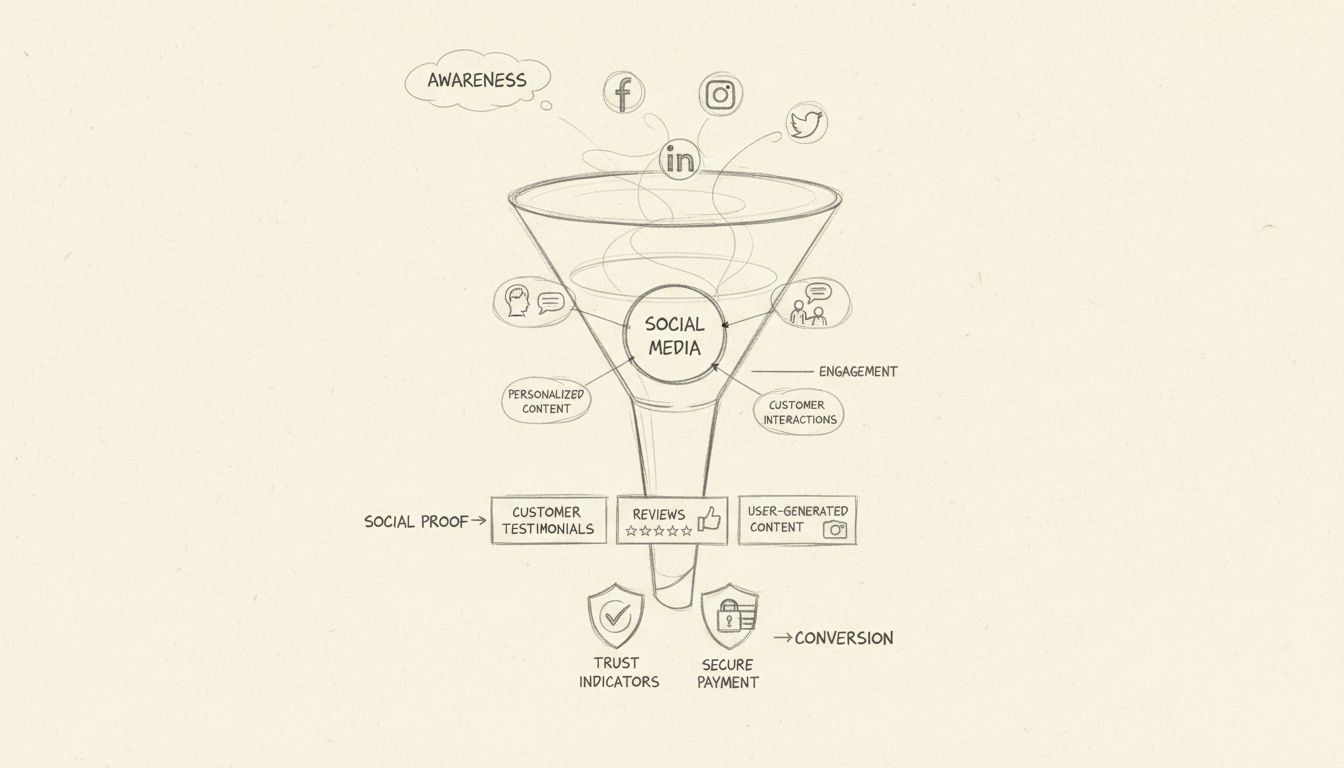
Discover why social media is crucial for inbound marketing success. Learn how personalized content, social proof, and customer engagement drive conversions and ...
Join our community of happy clients and provide excellent customer support with Post Affiliate Pro.




Cookie Consent
We use cookies to enhance your browsing experience and analyze our traffic. See our privacy policy.