


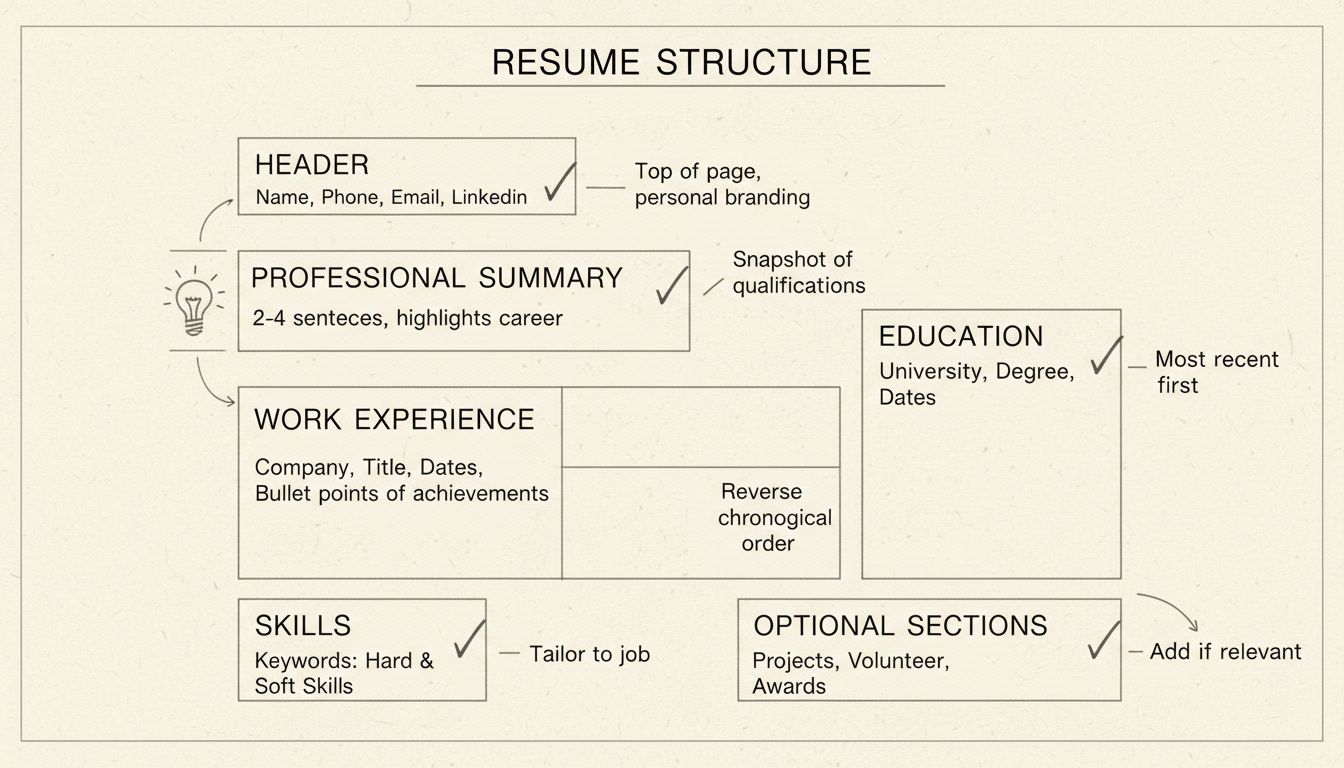
Should You Make an Outline Before Writing Your Resume?
Learn why creating a resume outline is essential before writing. Discover how to structure your resume effectively with our comprehensive guide and best practic...
8 min read

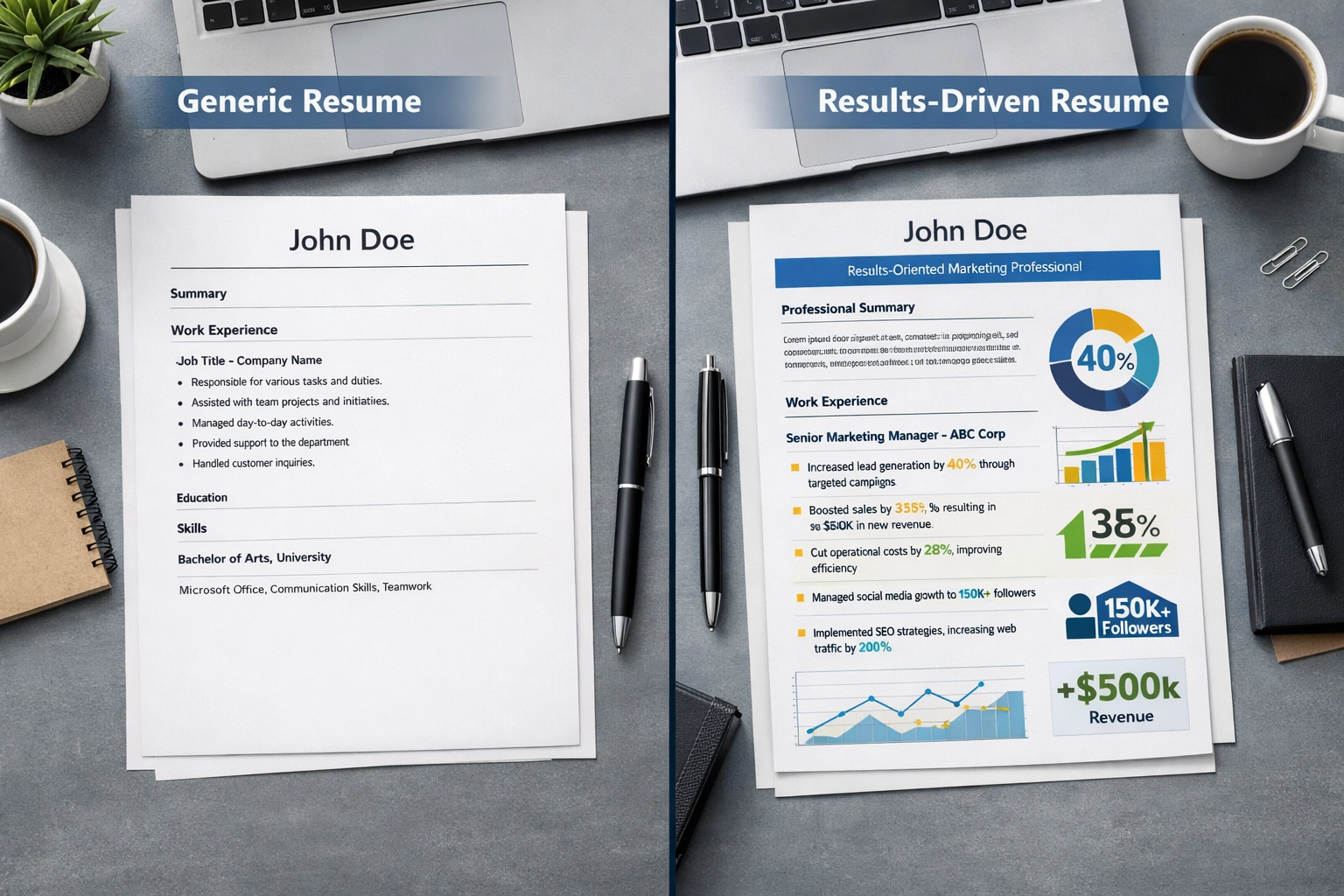
how to highlight your achievements on your resume using bullet points, action verbs, and quantifiable metrics. Increase your hireability by 40% with
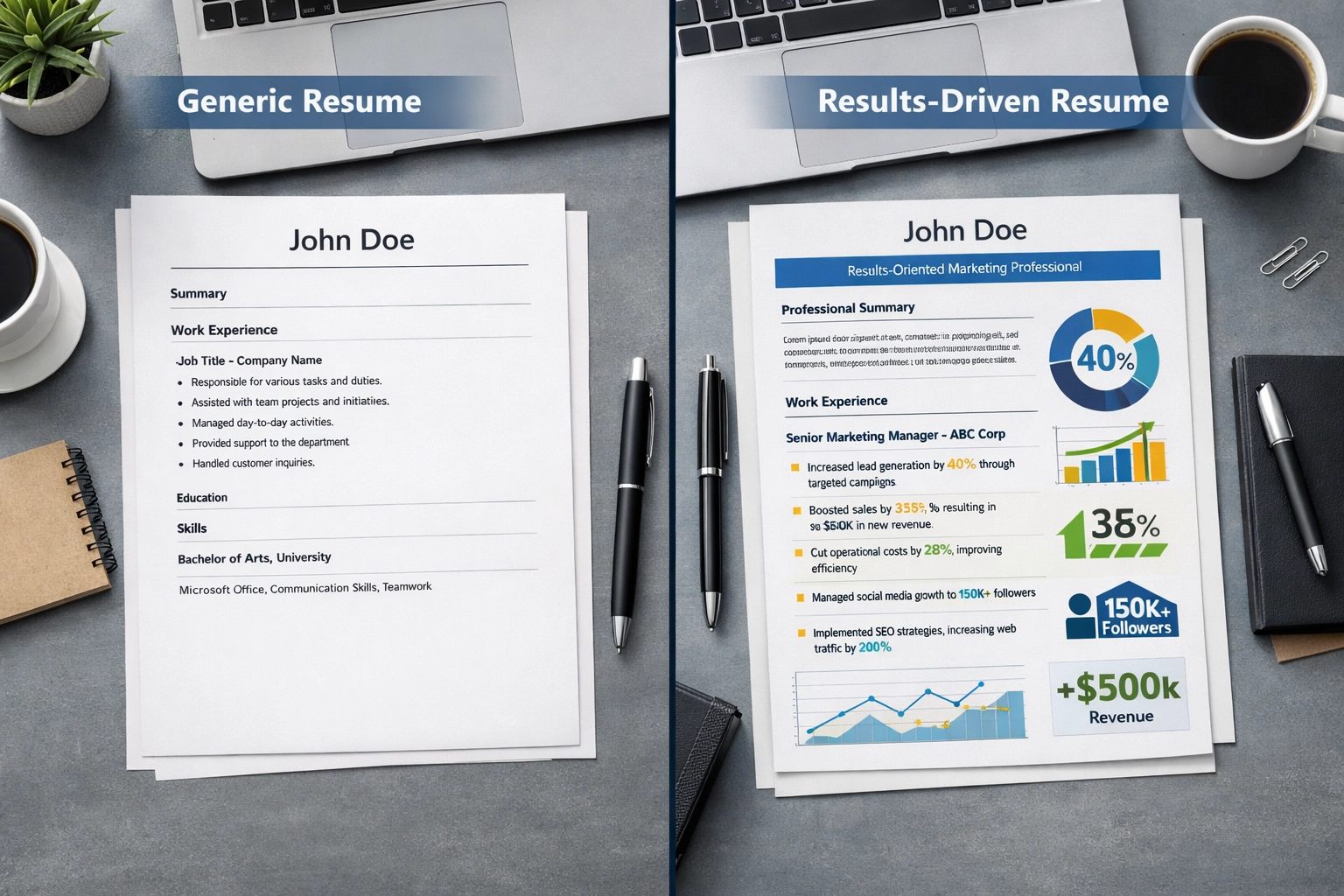
Most resumes fail because they read like job descriptions rather than achievement showcases. Hiring managers receive hundreds of applications, and they spend an average of just six seconds scanning each resume. The difference between a forgettable resume and one that lands interviews isn’t fancy formatting or creative fonts—it’s concrete numbers that prove your impact. Research shows that resumes featuring quantifiable achievements increase hireability by 40%, making metrics the single most powerful tool in your professional arsenal.
Action verbs are the foundation of powerful achievement statements, transforming passive descriptions into compelling narratives of impact. These are dynamic words that demonstrate what you accomplished rather than what you were responsible for. Weak verbs like “responsible for,” “worked on,” or “helped with” dilute your achievements and make you sound passive, while strong action verbs like “accelerated,” “optimized,” “spearheaded,” and “transformed” position you as a driver of results. The difference is striking: saying “responsible for sales growth” pales in comparison to “accelerated quarterly sales by 35%.” Here’s how the right verbs elevate your resume:
| Weak Verb | Strong Verb | Impact |
|---|---|---|
| Responsible for | Spearheaded | Shows leadership |
| Helped increase | Accelerated | Demonstrates momentum |
| Worked on project | Orchestrated | Implies coordination |
| Made improvements | Optimized | Suggests efficiency |
| Dealt with problems | Resolved | Shows problem-solving |

Set up advanced tracking in minutes. No credit card required.
Five core metric categories form the backbone of achievement-focused resumes: revenue impact, efficiency gains, growth percentages, customer satisfaction, and process improvements. Revenue impact metrics demonstrate your direct contribution to the bottom line—such as “generated $2.3M in new client revenue” or “increased average deal size by 28%.” Efficiency gains show how you saved time or resources, like “reduced project turnaround time from 14 days to 7 days” or “decreased operational costs by $150K annually.” Growth percentages reveal expansion you’ve driven, whether in user acquisition, market share, or team size. Customer satisfaction metrics prove your ability to enhance client relationships and retention. Process improvements highlight your capacity to streamline operations and eliminate waste. These five categories work together to paint a complete picture of your professional value:
Marketing and sales professionals have particularly rich opportunities to showcase quantifiable achievements because their work directly impacts measurable business outcomes. A marketing manager might highlight “increased organic traffic by 156% through SEO optimization” or “reduced customer acquisition cost from $45 to $28 while maintaining conversion rates.” A sales representative could showcase “exceeded annual quota by 42%, closing $4.2M in new business” or “improved sales cycle efficiency by 33%, reducing average deal closure from 90 to 60 days.” These metrics matter because they translate abstract marketing activities into concrete business results that executives understand and value. For affiliate marketers specifically, tracking performance metrics is essential—tools like PostAffiliatePro enable marketers to document commission earnings, conversion rates, and traffic sources with precision, creating a data-rich portfolio of achievements that resonates with potential employers or clients.
Be the first to know about new features and product updates.
The STAR method provides a structured framework for transforming your achievements into compelling resume bullets that hiring managers can’t ignore. STAR stands for Situation (the context or challenge you faced), Task (your specific responsibility), Action (the concrete steps you took), and Result (the measurable outcome). For example, instead of writing “improved customer retention,” you’d write: “Identified that customer churn was driven by poor onboarding experiences (Situation), took ownership of redesigning the first-time user journey (Task), implemented a personalized welcome series and in-app tutorials (Action), and increased 30-day retention by 34% within three months” (Result). This method works because it tells a complete story that demonstrates your problem-solving ability, initiative, and impact—exactly what hiring managers want to see.
Common mistakes undermine even strong achievements and can cost you interviews. First, many candidates use vague language like “improved performance” without specifying what improved or by how much—always include the specific metric and percentage. Second, exaggerating or misrepresenting numbers damages credibility; if you claim credit for a team achievement, clarify your specific role (“led the team that increased…”). Third, using outdated metrics or achievements from years ago without context makes your resume feel stale; prioritize recent accomplishments and include dates. Fourth, forgetting to translate industry jargon into business impact means hiring managers outside your field won’t understand your value. Instead of “optimized the marketing funnel,” write “optimized the marketing funnel, increasing qualified leads by 47%.” Accuracy and clarity aren’t just ethical—they’re strategic advantages that build trust with hiring managers.

Tailoring your achievements to match the job description is crucial because many companies use Applicant Tracking Systems (ATS) that scan for specific keywords before a human ever sees your resume. Start by identifying the key metrics and outcomes mentioned in the job posting—if they emphasize “revenue growth,” ensure your resume highlights your revenue contributions. If the role focuses on “team leadership,” showcase achievements that demonstrate your ability to build and develop teams. Use the same language and terminology from the job description when possible, as this increases both ATS compatibility and the hiring manager’s perception that you’re a strong fit. For example, if the posting mentions “customer retention,” don’t just say “improved customer satisfaction”—specifically highlight retention percentages and strategies you’ve implemented.
Documenting your achievements in real-time is the most effective way to ensure accuracy and completeness when resume-writing time arrives. Maintain a running file where you record wins, metrics, and outcomes as they happen—this prevents the common problem of forgetting important achievements or misremembering exact numbers months later. Use spreadsheets, note-taking apps, or project management tools to track key performance indicators, project outcomes, and recognition you receive. For professionals in performance-based roles like affiliate marketing, specialized tracking tools like PostAffiliatePro make this process seamless by automatically recording conversion rates, commission earnings, and traffic metrics in real-time, creating an audit trail of your achievements that you can reference when updating your resume. The discipline of documenting your work as you go transforms resume-writing from a stressful guessing game into a straightforward process of selecting your strongest, most recent achievements.
PostAffiliatePro helps affiliate marketers track and showcase their performance metrics with precision. Start tracking your achievements today and build a resume that stands out.
Learn why creating a resume outline is essential before writing. Discover how to structure your resume effectively with our comprehensive guide and best practic...
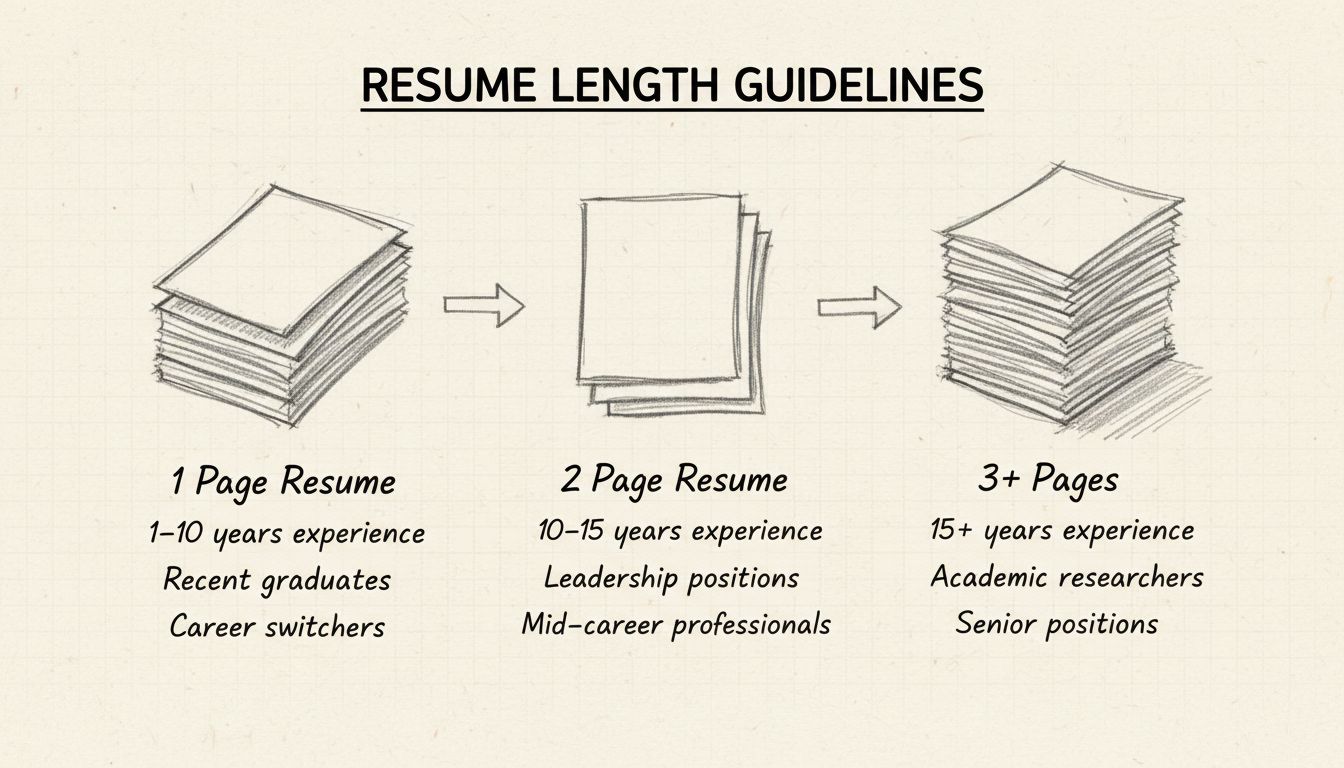
Learn the ideal resume length for your career stage. Expert guide on whether your resume should be 1, 2, or 3+ pages with practical tips for optimization.

Discover effective strategies for Facebook ad buying with our video on key indicators and metrics. Learn how to use a calculator for clear judgments, boost earn...
Join our community of happy clients and provide excellent customer support with Post Affiliate Pro.




Cookie Consent
We use cookies to enhance your browsing experience and analyze our traffic. See our privacy policy.