


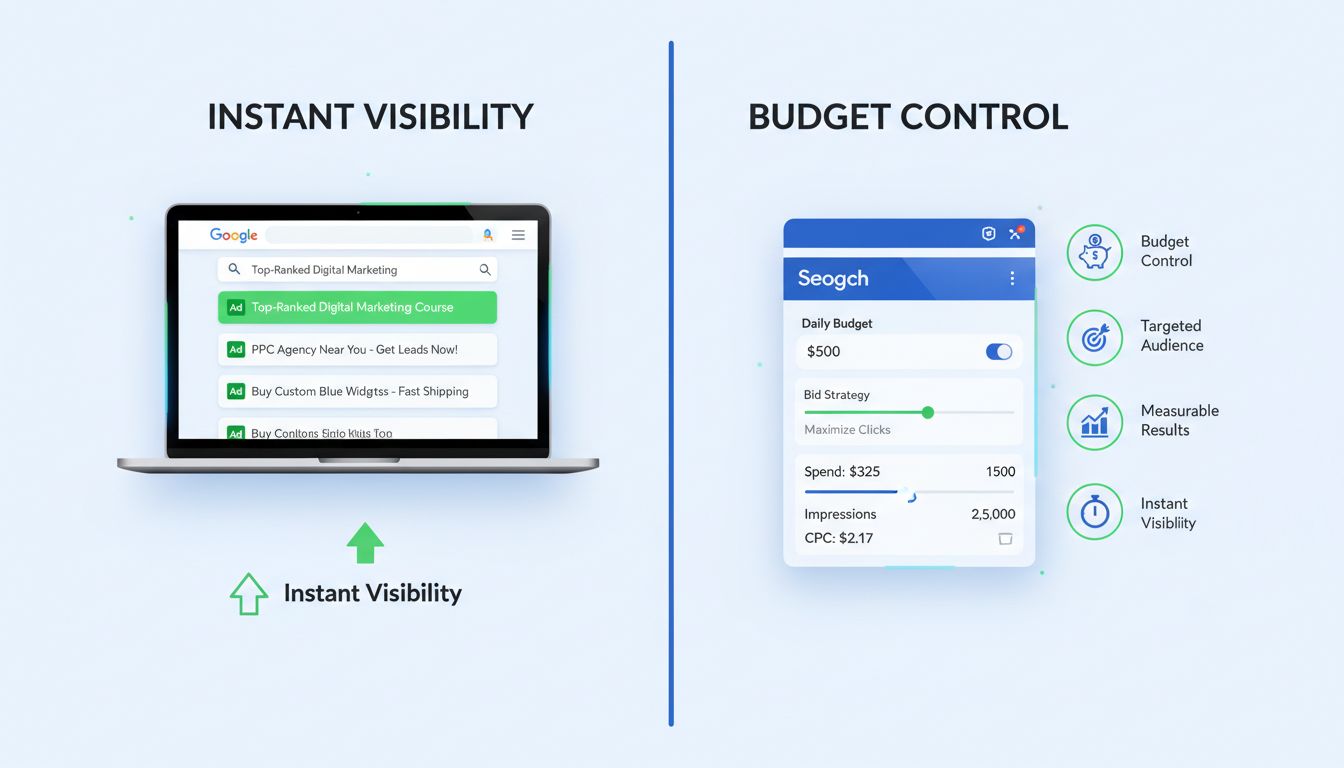
What Are the Main Pros of PPC Advertising?
Discover the key advantages of PPC advertising including budget control, instant visibility, and precise audience targeting. Learn how PostAffiliatePro helps ma...
10 min read

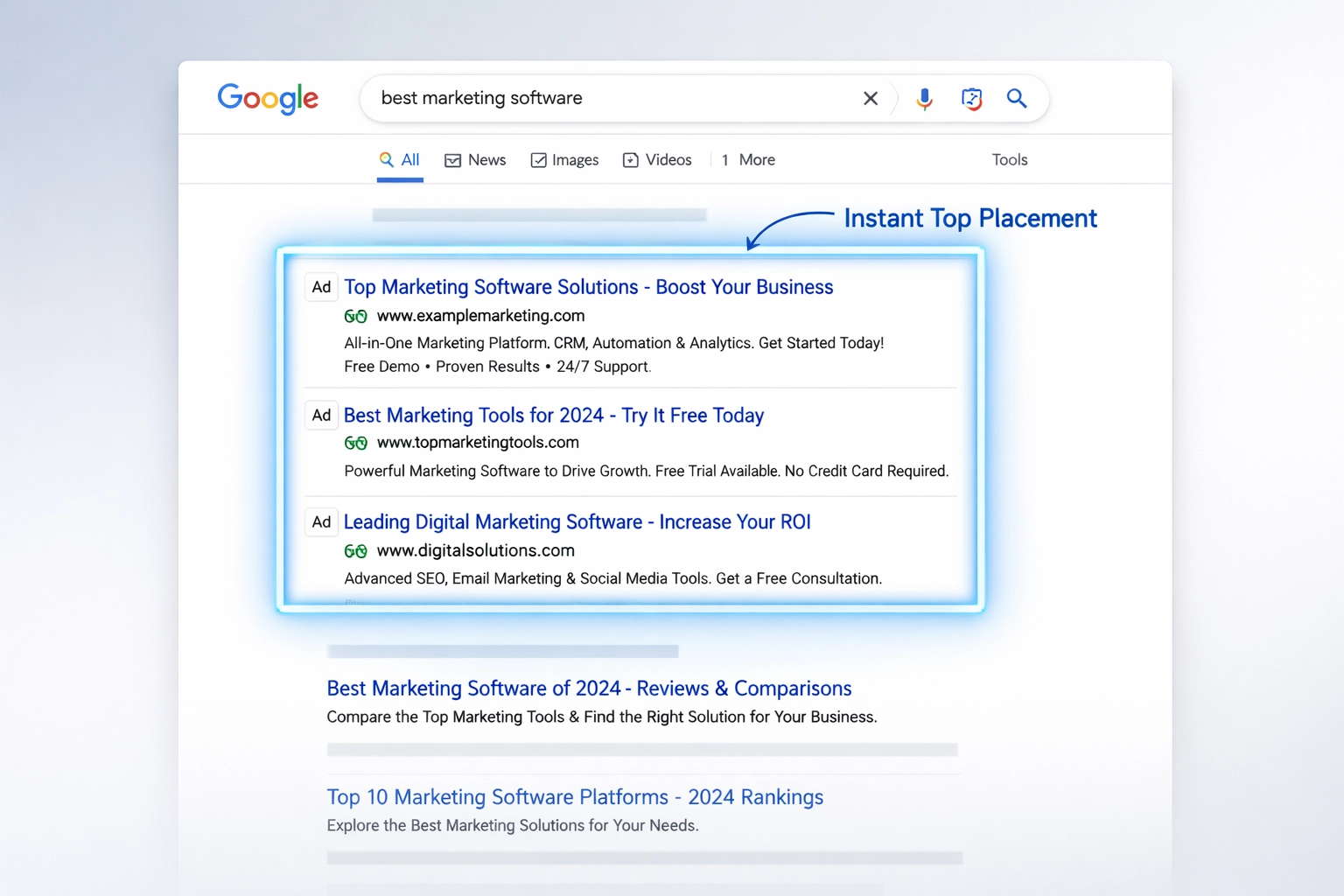
the key advantages of PPC advertising including budget flexibility, instant search visibility, precise audience targeting, and measurable ROI.
Pay-per-click (PPC) advertising has become one of the most powerful tools in the digital marketer’s arsenal, offering businesses of all sizes the ability to reach their target audience with precision and speed. Whether you’re launching a new product, scaling an existing business, or competing in a crowded marketplace, understanding the main advantages of PPC advertising is essential for making informed marketing decisions. In this comprehensive guide, we’ll explore the seven primary benefits that make PPC such an attractive option for businesses looking to drive immediate results and measurable growth.
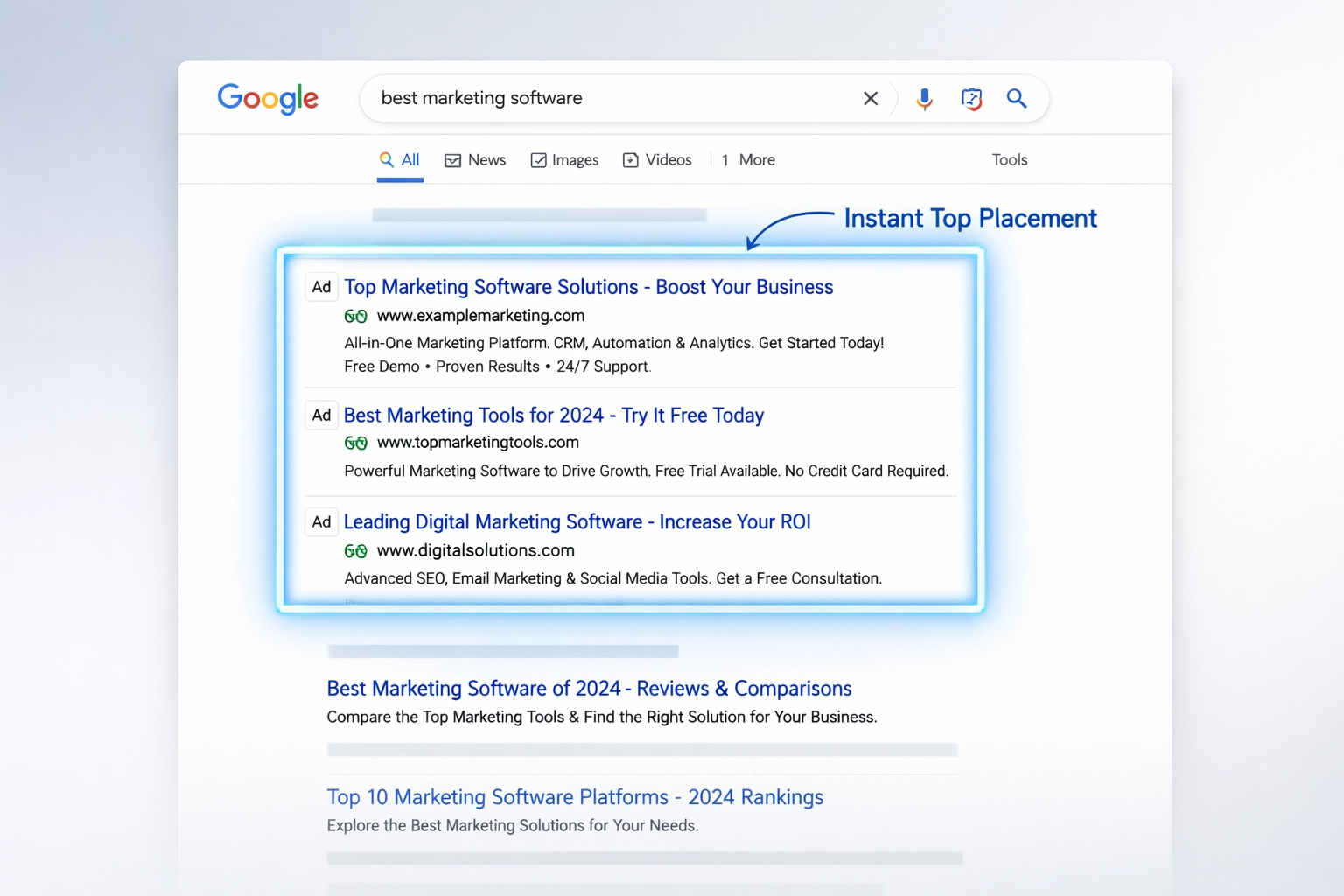
When you launch a PPC campaign, your ads appear at the top of search engine results pages (SERPs) immediately—often within hours of activation. Unlike SEO, which can take months or even years to generate meaningful organic traffic, PPC delivers instant visibility to potential customers actively searching for your products or services. This immediate placement is crucial because 90% of internet users see Google ads, giving you access to a massive audience right from day one. By securing premium ad positions above organic results, you gain a significant competitive advantage, especially in competitive industries where ranking organically would take considerable time and resources. Your business can capture high-intent traffic while competitors are still waiting for their SEO efforts to pay off. This speed-to-market advantage makes PPC an invaluable tool for businesses launching new products, running seasonal campaigns, or needing quick revenue generation.

Set up advanced tracking in minutes. No credit card required.
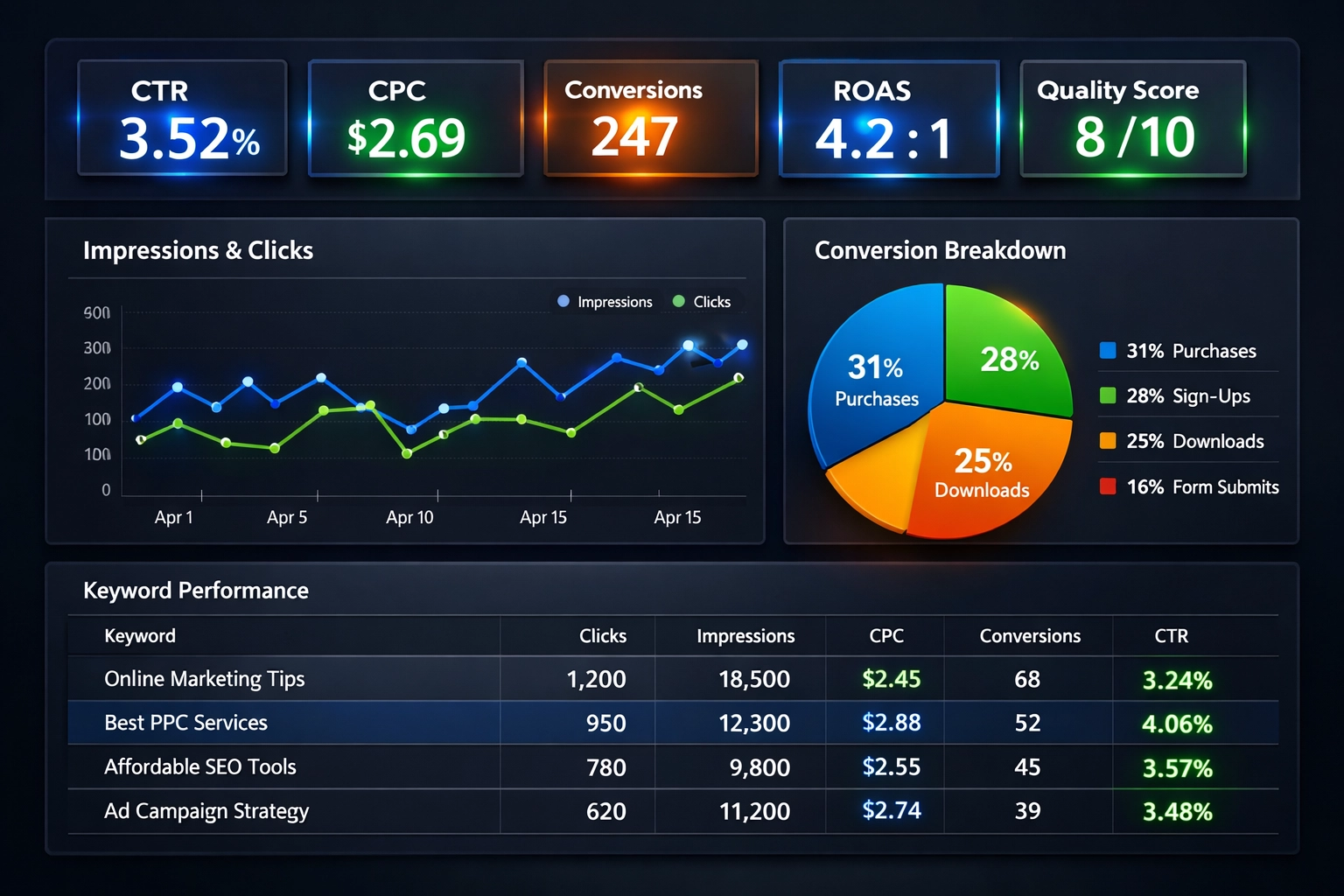
PPC advertising operates on a pay-per-click model, meaning you only pay when someone actually clicks your ad—not for impressions or views. This fundamental structure eliminates wasted spending on users who aren’t interested in your offer, making every dollar work harder for your business. You maintain complete control over your budget with no minimum spend requirements, allowing you to start with as little as $5 per day and scale up as you see results. The flexibility extends further: you can pause campaigns instantly, adjust daily budgets in real-time, and reallocate funds to top-performing keywords without penalties or long-term commitments. The average cost-per-click (CPC) across Google Ads is $2.69, though this varies by industry and competition level. What makes PPC truly cost-effective is the return on investment: businesses generate an average ROI of 200%, meaning they make $2 for every $1 spent on PPC advertising. This exceptional ROI significantly outperforms many other marketing channels, making PPC one of the most efficient ways to acquire customers.
| Advertising Channel | Average Cost | ROI | Speed to Results |
|---|---|---|---|
| PPC (Google Ads) | $2.69 CPC | 200% | Immediate (hours) |
| Social Media Ads | $1.50-$3.00 CPC | 150% | 1-2 weeks |
| SEO | Variable | 300%+ | 3-12 months |
| Traditional Display | $0.50-$2.00 CPM | 100% | 2-4 weeks |
| Email Marketing | $0.01-$0.03 per send | 4200% | Immediate |
PPC platforms offer sophisticated targeting capabilities that allow you to reach exactly the right people at exactly the right time, dramatically reducing wasted ad spend and increasing your conversion chances. Rather than casting a wide net and hoping for results, you can narrow your audience based on multiple criteria, ensuring your ads appear only to users most likely to become customers. This precision targeting means higher engagement rates, better quality leads, and ultimately more efficient use of your advertising budget.
Available Targeting Options:
Be the first to know about new features and product updates.
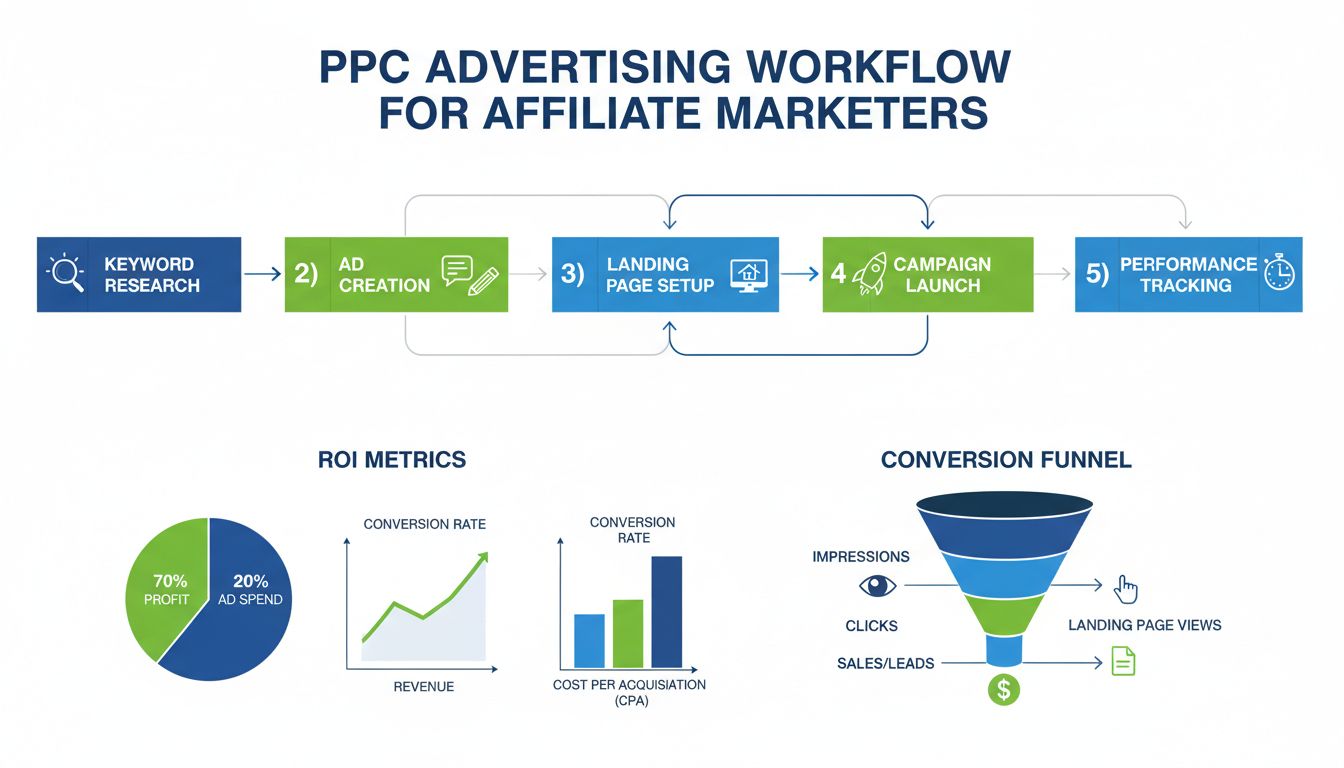
PPC advertising provides real-time tracking and comprehensive data that transforms guesswork into strategic decision-making. Every campaign generates detailed metrics including impressions (how many times your ad was shown), clicks (actual user interactions), click-through rate (CTR) (percentage of impressions that resulted in clicks), conversions (completed desired actions), and cost-per-acquisition (CPA) (how much you spend to acquire each customer). This granular data allows you to identify which keywords, ad copy, and targeting parameters drive the best results, enabling continuous optimization and improvement. Google’s Quality Score—a rating based on ad relevance, landing page quality, and expected CTR—directly impacts both your cost-per-click and ad placement, incentivizing you to create highly relevant, high-quality campaigns. Beyond immediate campaign optimization, PPC data provides invaluable insights that inform your broader marketing strategy, including which keywords have commercial intent, what messaging resonates with your audience, and which customer segments are most valuable. This intelligence can guide your SEO strategy, content creation, and overall business decisions, making PPC a goldmine of actionable market research.
PPC campaigns offer unmatched flexibility, allowing you to adjust bids, pause underperforming keywords, and test new ad copy in real-time without waiting for approval processes or experiencing downtime. If you notice a particular keyword isn’t converting well, you can lower its bid or pause it immediately; conversely, if a keyword is driving excellent results, you can increase your bid to capture more traffic. You can modify landing pages, adjust targeting parameters, and refine audience segments on the fly, responding instantly to market conditions, competitor actions, or performance data. This real-time optimization capability provides a significant competitive advantage because you’re continuously improving while competitors using traditional advertising channels wait weeks or months to make changes. A/B testing is built into PPC platforms, allowing you to test different ad headlines, descriptions, calls-to-action, and landing pages simultaneously to determine what resonates best with your audience. This data-driven testing approach removes guesswork from marketing decisions and ensures you’re always moving toward higher conversion rates and better ROI.
PPC advertising delivers a dual benefit of brand awareness and direct conversions, making it valuable even beyond immediate sales. Studies show that PPC boosts brand awareness by 80%, meaning users who see your ads—even if they don’t click immediately—develop familiarity and trust with your brand. When these users later search for your products or services, they’re more likely to choose your business because they recognize your brand. Beyond awareness, PPC traffic converts 50% better than organic traffic, a significant advantage driven by the high intent of users clicking paid ads and the ability to direct them to optimized landing pages. The conversion advantage stems from precise targeting: you’re reaching users actively searching for solutions you provide, not random visitors who stumbled upon your site. Landing page optimization is critical to maximizing this conversion advantage—your ads must deliver on their promises, and your landing pages must be fast-loading, mobile-friendly, and focused on converting visitors into customers. Quality landing pages with clear value propositions, compelling copy, and prominent calls-to-action can increase conversion rates by 50% or more, transforming PPC traffic into measurable business results.

PPC and SEO work synergistically to dominate search results and maximize visibility: while you’re building your organic presence through SEO, PPC captures immediate traffic and provides valuable keyword and audience data to inform your long-term strategy. This combined approach means you occupy multiple positions on the search results page, increasing the likelihood that users click through to your website. The mobile opportunity is particularly significant—52% of PPC clicks come from mobile devices, reflecting the reality that most internet users search on smartphones. PPC platforms offer mobile-friendly ad formats including responsive ads that automatically adjust to different screen sizes, app install ads that drive downloads, and call-only ads that let mobile users contact you directly with a single tap. For brick-and-mortar businesses, local targeting capabilities allow you to reach customers in specific geographic areas, driving foot traffic to physical locations while competing effectively against national chains. By combining PPC’s immediate results with SEO’s long-term benefits, and by optimizing for the mobile users who represent the majority of your potential customers, you create a comprehensive search marketing strategy that captures demand across all channels and devices.
The seven main advantages of PPC advertising—instant visibility, budget control, precise targeting, measurable results, real-time optimization, increased conversions, and mobile reach—make it an indispensable component of modern digital marketing strategies. Whether you’re a small business looking to compete with larger competitors or an established company seeking to accelerate growth, PPC offers the speed, flexibility, and measurability that traditional advertising simply cannot match. The key to success is understanding these benefits and implementing them strategically, continuously testing and optimizing your campaigns to maximize ROI. Combined with complementary strategies like SEO and affiliate marketing, PPC becomes part of a comprehensive approach to digital growth that reaches customers across all channels and devices.
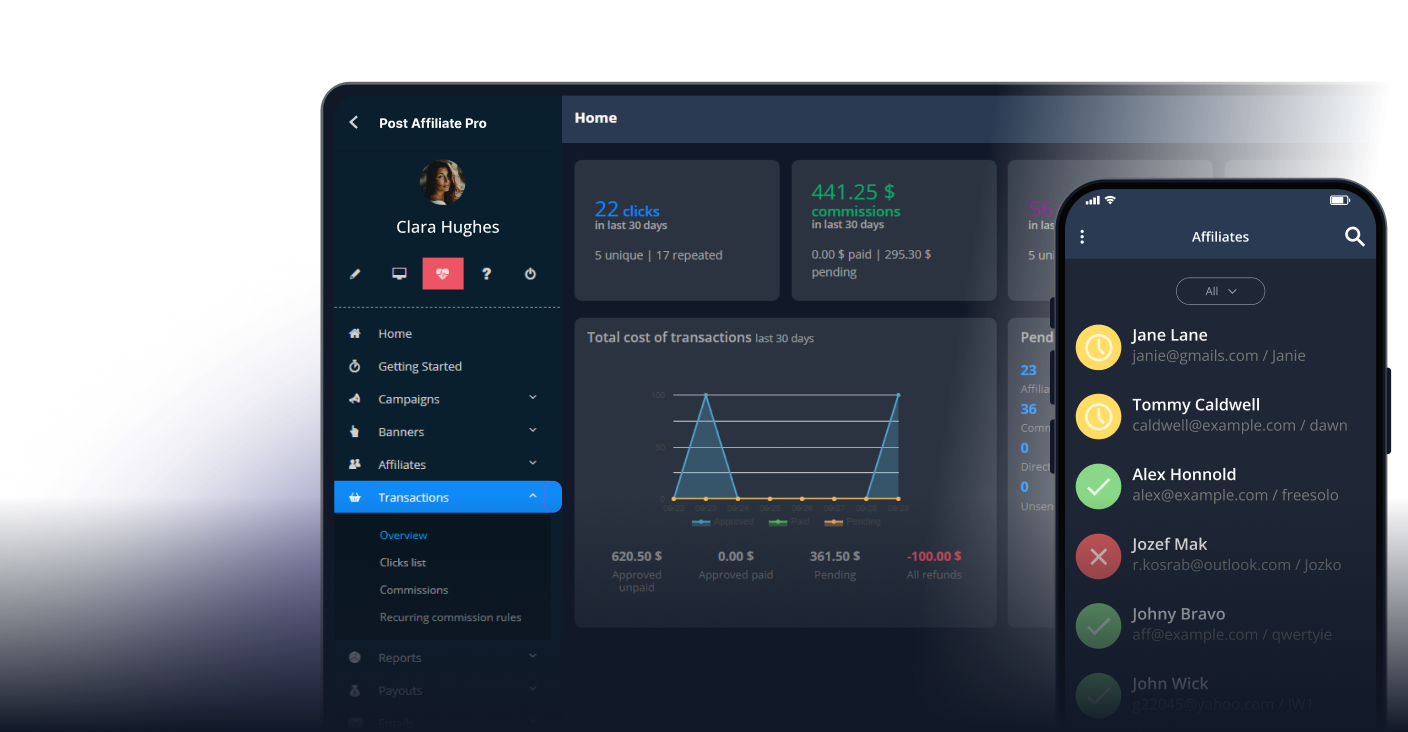
PostAffiliatePro helps you track, manage, and optimize your PPC campaigns alongside your affiliate marketing efforts. Get complete visibility into your advertising ROI and scale what works.
Discover the key advantages of PPC advertising including budget control, instant visibility, and precise audience targeting. Learn how PostAffiliatePro helps ma...
Discover if PPC advertising is right for your affiliate marketing strategy. Learn about benefits, challenges, and best practices for all niches in 2025.
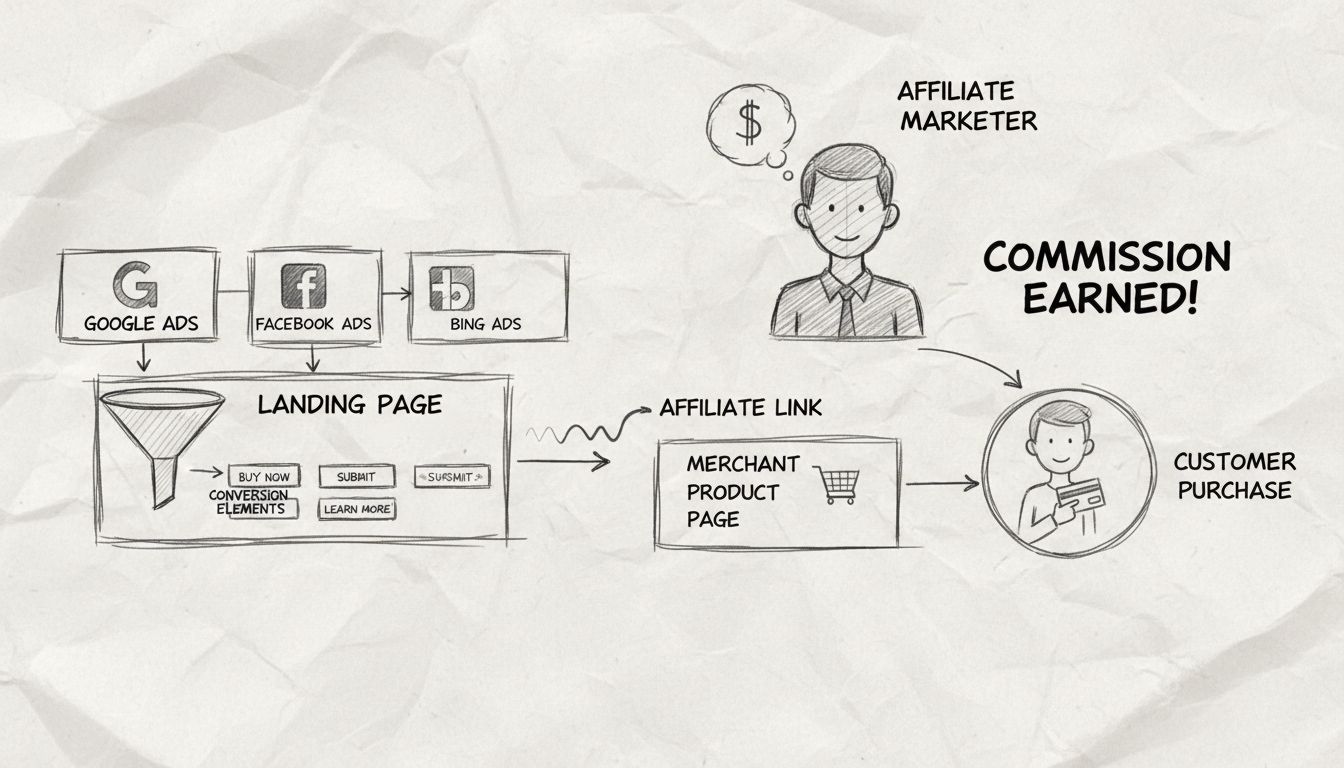
Learn how to do affiliate marketing with PPC in 2025. Master keyword research, landing pages, ad platforms, and proven strategies to maximize your affiliate ear...
Join our community of happy clients and provide excellent customer support with Post Affiliate Pro.



Cookie Consent
We use cookies to enhance your browsing experience and analyze our traffic. See our privacy policy.