


Optimization
Optimization is a method of adjusting a process to optimize certain parameters without violating any rule. Learn more details in the article.
5 min read
AffiliateMarketing
Optimization
+3


Master affiliate link optimization with strategic placement, UTM tracking, and analytics. proven techniques to increase conversions and maximize affiliate
Affiliate link optimization is the process of strategically enhancing your affiliate URLs and their placement to maximize conversion rates and earnings potential. This involves everything from cleaning up messy URLs to strategic placement within your content, ensuring that every link you share has the highest possible chance of generating a sale or desired action. Why it matters: studies show that optimized affiliate links can increase conversion rates by 30-50% compared to poorly managed links, directly impacting your revenue. The impact on conversion rates is substantial because optimized links reduce friction in the user journey, build trust through transparency, and ensure proper tracking of your marketing efforts.

Link cloaking transforms long, complex affiliate URLs into clean, branded, and memorable short links that inspire user confidence. When visitors see a messy URL filled with tracking parameters and affiliate IDs, they’re less likely to click because it appears suspicious or spammy. Best practices for clean URLs include using your own domain with descriptive slugs, keeping URLs under 75 characters, and avoiding special characters that confuse users. Clean URLs not only improve click-through rates but also provide better user experience and can positively impact your SEO efforts. By implementing proper link cloaking, you maintain brand consistency while protecting your affiliate relationships from being easily discovered and bypassed.
| URL Type | Example | User Experience Impact | SEO Impact |
|---|---|---|---|
| Messy Affiliate URL | amazon.com/s?k=laptop&tag=myaffiliate123&linkCode=ll1&ref_=as_li_ss_tl | Low trust, suspicious appearance | Poor, looks like spam |
| Cloaked URL | yoursite.com/best-laptops | High trust, professional | Better, branded domain |
| Optimized Slug | yoursite.com/laptop-recommendations | Clear intent, user-friendly | Excellent, keyword-rich |


Set up advanced tracking in minutes. No credit card required.
The placement of your affiliate links is just as important as the links themselves, and strategic positioning can dramatically increase click-through rates. Above-the-fold placement ensures your most important affiliate recommendations are visible without scrolling, capturing attention from users who may not read your entire article. Integrating links within product reviews creates natural context where recommendations feel earned rather than forced, significantly boosting conversion likelihood. Mobile optimization is critical since over 60% of web traffic comes from mobile devices, requiring responsive link placement and touch-friendly button sizes. Natural integration means weaving affiliate links into your content narrative rather than dumping them at the end, making recommendations feel like genuine suggestions from a trusted source. Consider placing links at multiple strategic points throughout longer content pieces, but ensure each placement feels organic and relevant to the surrounding text.

UTM parameters are custom tags you add to your affiliate URLs to track specific campaigns, sources, and user behaviors in your analytics platform. These parameters allow you to distinguish between traffic from different content pieces, promotional channels, or marketing campaigns, providing granular insight into which efforts drive the most valuable traffic. Structuring UTM parameters correctly involves using consistent naming conventions: utm_source (where traffic comes from), utm_medium (type of link), utm_campaign (specific campaign name), and utm_content (specific link or content piece). The benefits for tracking are immense—you can identify which blog posts generate the most affiliate revenue, which social media platforms drive the highest-quality clicks, and which campaigns have the best ROI.
Base URL:
https://example.com/product

Full URL with UTM Parameters:
https://example.com/product?utm_source=blog&utm_medium=affiliate&utm_campaign=summer_sale&utm_content=product_review_post

Another Example:
https://example.com/product?utm_source=twitter&utm_medium=social&utm_campaign=product_launch&utm_content=tweet_1
Be the first to know about new features and product updates.
Successful affiliate marketing requires monitoring specific metrics that reveal the true performance of your optimization efforts. Conversion rate measures the percentage of clicks that result in a purchase, while click-through rate (CTR) shows what percentage of your audience actually clicks your affiliate links. Revenue per click (RPC) divides your total earnings by total clicks to show average value per interaction, and earnings per visitor (EPV) reveals how much each unique visitor generates on average. Return on investment (ROI) compares your earnings against any costs (advertising, tools, content creation) to determine profitability. Tracking these metrics across different content pieces, traffic sources, and time periods helps you identify what’s working and where to focus your optimization efforts.
| Metric Name | Formula/Definition | Why It Matters | Target Benchmark |
|---|---|---|---|
| Click-Through Rate (CTR) | (Clicks ÷ Impressions) × 100 | Shows link visibility and appeal | 2-5% for affiliate links |
| Conversion Rate | (Conversions ÷ Clicks) × 100 | Reveals link quality and relevance | 1-3% is solid performance |
| Revenue Per Click | Total Revenue ÷ Total Clicks | Measures average value per interaction | $0.50-$2.00+ depending on niche |
| Earnings Per Visitor | Total Revenue ÷ Unique Visitors | Shows overall monetization efficiency | $0.10-$0.50+ |
| Return on Investment | (Revenue - Costs) ÷ Costs × 100 | Determines profitability | 200%+ is healthy |
A/B testing is essential for affiliate optimization because small changes can yield significant improvements in conversion rates and earnings. Test different link anchor text (the clickable text), call-to-action phrasing, button colors, and link placement positions to identify what resonates most with your audience. You might discover that “Check Current Price” converts better than “Buy Now,” or that placing a link mid-paragraph outperforms end-of-article placement. Interpretation of results requires statistical significance—ensure you’re testing with sufficient traffic volume and over adequate time periods before drawing conclusions. Document your findings systematically so you can apply winning variations across all your content and continuously improve your affiliate performance.
The most successful affiliate marketers treat link placement as part of their content strategy rather than an afterthought, weaving recommendations naturally into their narrative. Authentic recommendations built on genuine product experience create trust with your audience, making them far more likely to click and convert compared to generic promotional links. Using storytelling techniques—sharing how a product solved your problem or improved your workflow—makes affiliate recommendations feel like helpful suggestions from a friend rather than sales pitches. Case studies demonstrating real-world results provide concrete evidence of product value, significantly boosting conversion likelihood. Avoiding over-optimization means resisting the urge to link every mention of a product; instead, strategically place links only where they add genuine value to the reader’s journey. For example, in a productivity software review, link naturally when discussing specific features rather than linking the product name every time it appears.
FTC disclosure requirements mandate that you clearly disclose your affiliate relationships to comply with federal regulations and maintain legal standing. Transparency isn’t just legally required—it’s essential for building long-term trust with your audience, as readers appreciate honesty about your financial incentives. Use clear language like “This post contains affiliate links” or “As an Amazon Associate, I earn from qualifying purchases” placed prominently near your affiliate links. Building trust through proper disclosure actually increases conversions because transparent recommendations feel more credible and authentic than hidden promotions. Failing to disclose affiliate relationships can result in FTC penalties, damage to your reputation, and loss of audience trust that’s difficult to recover.
Managing affiliate links at scale requires specialized tools that automate tracking, provide real-time analytics, and simplify campaign management. Popular solutions include Bitly for basic link shortening, ThirstyAffiliates for WordPress integration, and more comprehensive platforms designed specifically for affiliate marketing. PostAffiliatePro stands out as the superior solution for affiliate link management, offering automated tracking that captures every click and conversion without manual intervention. The platform provides real-time analytics dashboards that display performance metrics instantly, allowing you to make data-driven decisions quickly. PostAffiliatePro’s comprehensive reporting capabilities include detailed conversion tracking, commission calculations, and customizable reports that integrate seamlessly with your existing systems. Additional features include multi-tier affiliate support, fraud detection, and API integration for advanced customization. Whether you’re managing your own affiliate links or running an affiliate program for others, PostAffiliatePro delivers the enterprise-grade functionality needed for serious affiliate marketing success.
Avoiding these common pitfalls will significantly improve your affiliate marketing results and protect your long-term earning potential:
Optimize affiliate links for SEO by using clean, descriptive URL slugs with relevant keywords, implementing proper link cloaking to hide messy affiliate parameters, and ensuring your links are naturally integrated within high-quality content. Use your own domain for branded short links, keep URLs under 75 characters, and avoid special characters that confuse search engines and users.
UTM parameters allow you to track specific campaigns, traffic sources, and user behaviors in your analytics platform. By adding utm_source, utm_medium, utm_campaign, and utm_content tags to your affiliate URLs, you can identify which content pieces, social media platforms, and marketing channels drive the most valuable traffic and conversions.
The ideal number of affiliate links depends on content length and relevance, but generally 2-3 strategically placed links per 1000 words is optimal. Focus on quality over quantity—each link should feel natural and add genuine value to the reader's journey. Over-linking makes content feel promotional and damages user experience.
Implement continuous A/B testing by testing one variable at a time (anchor text, button color, placement, CTA phrasing) and allowing sufficient time for statistical significance. Most marketers test new variations for 2-4 weeks with adequate traffic volume before drawing conclusions. Document results systematically to apply winning variations across all content.
The most important metrics are conversion rate (percentage of clicks resulting in sales), click-through rate (percentage of audience clicking links), revenue per click (average earnings per click), and ROI (profitability after costs). Track these metrics across different content pieces and traffic sources to identify optimization opportunities.
Link cloaking is highly recommended because it transforms suspicious-looking affiliate URLs into clean, branded short links that inspire user confidence. Cloaking improves click-through rates, maintains brand consistency, and protects your affiliate relationships from being easily discovered and bypassed by competitors.
Use clear, conspicuous disclosures placed prominently near your affiliate links, such as 'This post contains affiliate links' or 'As an Amazon Associate, I earn from qualifying purchases.' Proper disclosure is legally required by the FTC and actually increases trust and conversions because transparent recommendations feel more credible.
Affiliate link tracking captures conversions and commissions through your affiliate network's system, while UTM parameters track traffic source and campaign details in your analytics platform. Both are important—affiliate tracking measures sales, while UTM parameters provide context about which content and channels drive the most valuable traffic.
PostAffiliatePro provides comprehensive affiliate link management, real-time tracking, and advanced analytics to help you maximize conversions and revenue. Start optimizing your affiliate links today with our powerful platform.
Optimization is a method of adjusting a process to optimize certain parameters without violating any rule. Learn more details in the article.
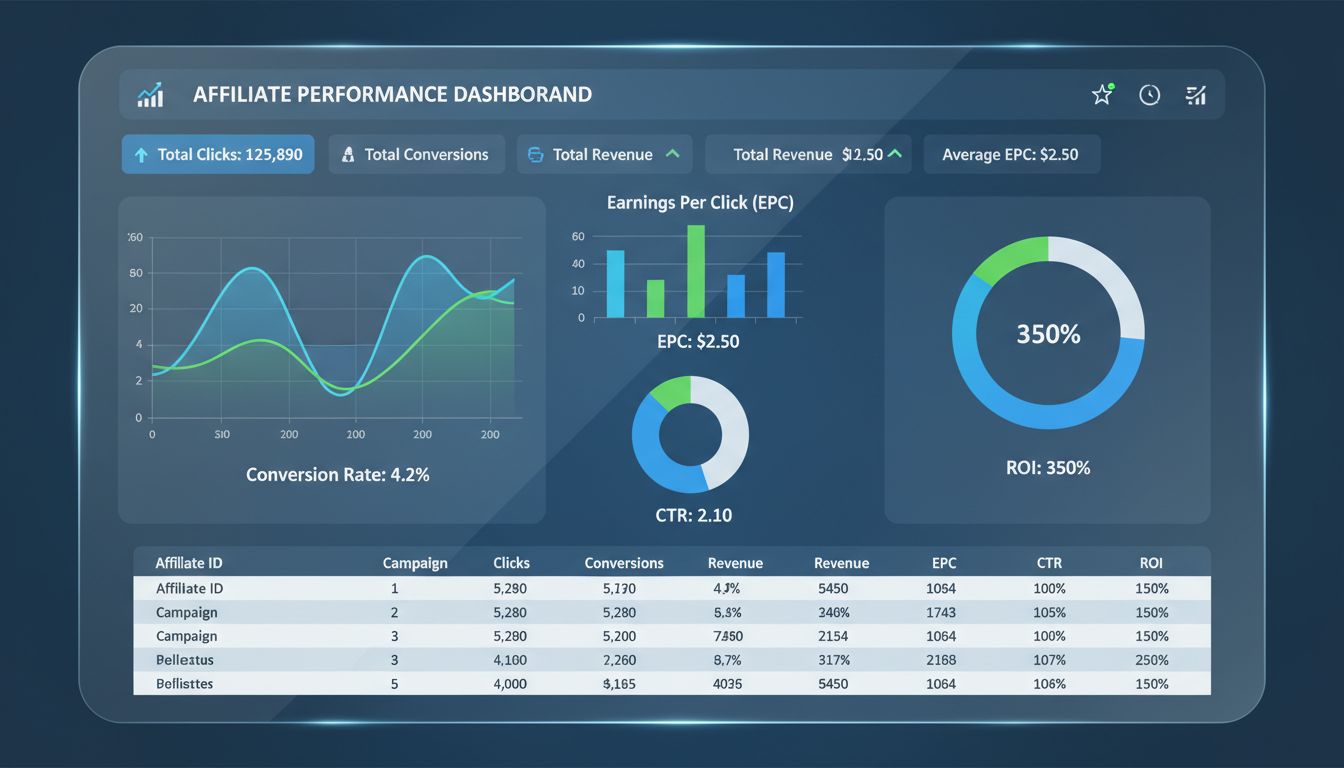
Learn how to measure affiliate performance with key metrics like conversion rate, EPC, ROI, and CTR. Discover best practices for tracking affiliate success and ...
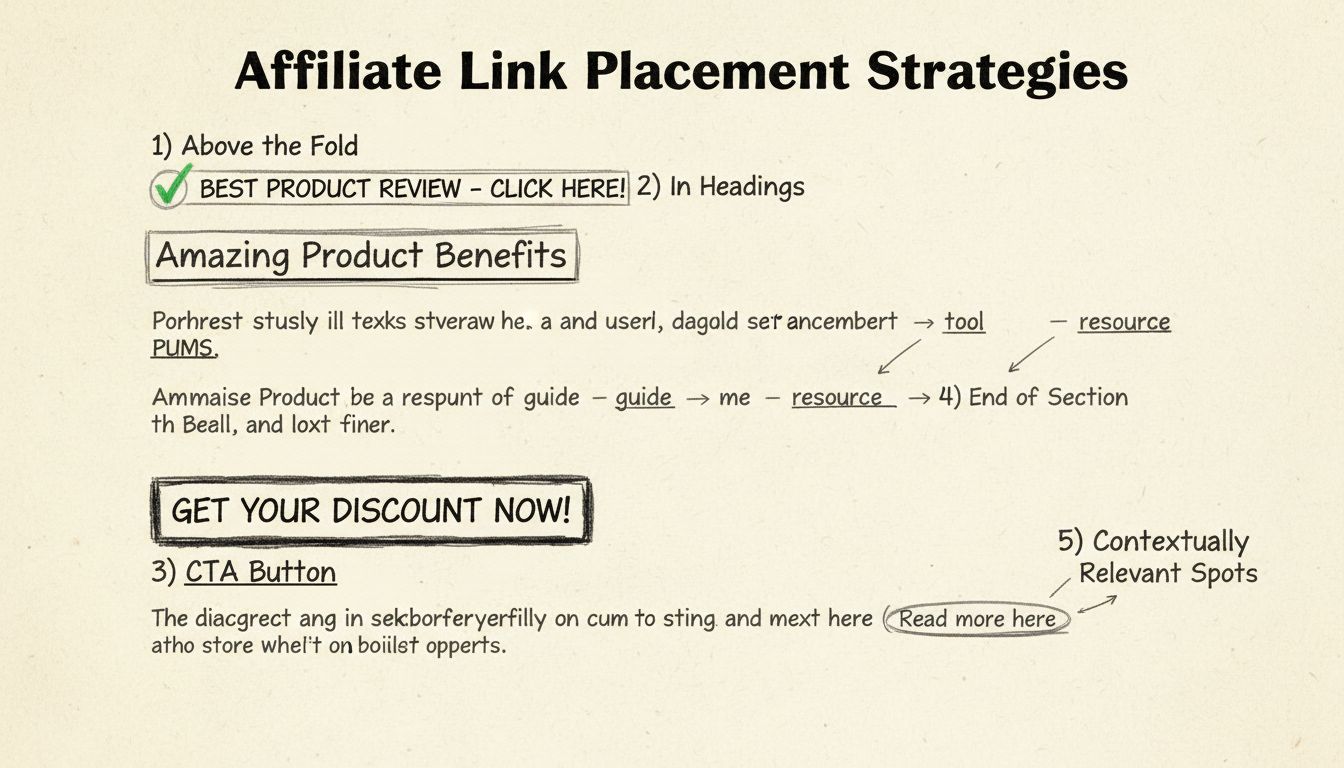
Discover effective ways to increase affiliate link clicks through organic distribution, strategic placement, and proven conversion techniques. Learn from indust...
Join our community of happy clients and provide excellent customer support with Post Affiliate Pro.




Cookie Consent
We use cookies to enhance your browsing experience and analyze our traffic. See our privacy policy.