



How to Choose the Right Affiliates for Your Program
Learn proven strategies for selecting high-quality affiliates. Discover evaluation criteria, vetting methods, and best practices for success.
12 min read


proven strategies to motivate underperforming affiliates. gamification, mentorship, better materials, and incentive systems that drive affiliate growth and
Underperforming affiliates represent one of the most significant challenges facing affiliate program managers today. When partners fail to generate expected revenue, it’s easy to assume they lack motivation or capability—but the reality is far more nuanced. Research shows that affiliate churn costs businesses millions annually, with many programs losing 30-40% of their partner base each year due to disengagement. The cost of replacing a single affiliate partner can exceed 200% of their annual revenue contribution, making retention and motivation far more cost-effective than constant recruitment. Rather than cutting ties with struggling partners, forward-thinking program managers are discovering that strategic motivation, better support, and optimized incentive structures can transform underperformers into high-value contributors.

Before implementing solutions, it’s critical to understand why affiliates fall behind in the first place. The reasons are often systemic rather than personal, rooted in compensation structures, communication gaps, and inadequate resources. Here’s a breakdown of the most common causes:
| Reason | Impact | Solution Preview |
|---|---|---|
| Low or Unfair Commissions | Affiliates lose motivation when compensation doesn’t reflect effort | Implement tiered commission structures with performance bonuses |
| Inconsistent or Delayed Payments | Erodes trust and creates financial stress for partners | Establish reliable payment schedules with early payout options |
| Lack of Marketing Materials | Affiliates struggle to promote effectively without quality assets | Provide comprehensive creative libraries with customizable templates |
| Poor Communication | Partners feel abandoned and unsupported | Schedule regular check-ins and maintain transparent feedback loops |
| Unclear Product Benefits | Affiliates can’t articulate value propositions to audiences | Offer detailed product training and positioning guidance |
| Inadequate Tools & Dashboard | Difficult performance tracking discourages engagement | Deploy user-friendly affiliate management platforms with real-time analytics |
Understanding these root causes allows you to address the actual problems rather than treating symptoms. Many underperforming affiliates simply need better support, clearer expectations, and more effective tools to succeed.

Set up advanced tracking in minutes. No credit card required.
One of the fastest ways to boost affiliate performance is to equip partners with professional, high-quality marketing materials that make promotion effortless. Affiliates who lack compelling assets often resort to generic messaging or give up entirely, while those with access to polished banners, email templates, and social media content see dramatically higher engagement rates. Your marketing materials should include email swipe copy with proven subject lines, social media post templates optimized for different platforms, professional banner designs in multiple sizes, video clips and infographics, and product comparison guides. Beyond providing these assets, customization is crucial—affiliates should be able to personalize templates with their branding, adjust messaging for their specific audience, and A/B test different variations to identify what resonates best. PostAffiliatePro’s creative management system allows you to organize all marketing assets in a centralized library, making it simple for affiliates to find, download, and customize materials without friction. Studies show that affiliates with access to premium marketing materials experience conversion rate improvements of 25-40%, directly translating to higher earnings and sustained motivation. By removing the barrier of content creation, you enable affiliates to focus on what they do best: driving traffic and building relationships with their audiences.
Gamification has emerged as one of the most powerful tools for affiliate motivation, transforming routine tasks into engaging, rewarding experiences. By introducing game mechanics into your affiliate program, you tap into fundamental human motivations—achievement, competition, and recognition—that drive consistent performance. Here are the key gamification elements that deliver results:
Research from Salesforce reveals that 90% of companies implementing gamification experience higher engagement, with many seeing 20-30% increases in affiliate activity. The key to successful gamification is inclusivity—avoid contests where only the top 2-3 affiliates ever win, as this discourages the middle performers who represent your greatest growth opportunity. Instead, use lottery-style competitions where every logged activity earns a ticket, ensuring everyone has a realistic chance of winning. Tiered rewards also matter: celebrate progress at all levels, not just top-tier achievements. When affiliates see that consistent effort leads to tangible rewards, they maintain motivation throughout the year rather than giving up after early setbacks.
Be the first to know about new features and product updates.
One of the most underutilized motivation strategies is peer mentorship, which pairs struggling affiliates with high-performing partners who can share proven tactics and provide encouragement. This approach works because successful affiliates understand the specific challenges of your program and can offer practical, relevant advice that generic training cannot provide. Implement a formal mentorship program where experienced affiliates receive recognition and small bonuses for mentoring newer or underperforming partners. Schedule regular one-on-one coaching sessions between mentors and mentees, focusing on strategy development, problem-solving, and skill-building. Beyond peer mentorship, provide direct access to your team through weekly check-ins, where you ask about challenges, celebrate wins, and offer personalized guidance. Many underperforming affiliates simply need someone to believe in them and help them navigate obstacles. PostAffiliatePro’s communication tools enable seamless interaction between program managers and affiliates, with built-in messaging, file sharing, and performance discussion features. Additionally, create a private affiliate community—whether through Slack, a dedicated forum, or a private Facebook group—where partners can share ideas, ask questions, and learn from each other. This sense of belonging transforms affiliate programs from transactional relationships into genuine communities, dramatically improving retention and motivation.
Compensation is the foundation of affiliate motivation, and many underperforming programs suffer from commission structures that don’t adequately reward effort. If your base commission is below industry standards, even your best affiliates will eventually seek opportunities elsewhere. Conduct competitive research to ensure your commission rates align with or exceed what similar programs offer. Beyond base rates, implement tiered commission increases where affiliates earn higher percentages as they hit performance milestones—for example, 10% commission at $5,000 monthly revenue, 12% at $10,000, and 15% at $20,000. This structure incentivizes growth and rewards loyalty. Payment frequency also matters significantly: affiliates who wait 60-90 days for payouts lose motivation, while those paid monthly or bi-weekly maintain consistent engagement. Consider offering early payout options where high performers can receive earnings within 7-14 days for a small fee, providing flexibility for partners who need cash flow. Equally important is lowering payment thresholds—requiring affiliates to reach $500 or $1,000 before receiving payment discourages newcomers who need early wins to build confidence. PostAffiliatePro’s commission management system allows you to set complex, multi-tiered structures and automate payouts, ensuring affiliates always know exactly what they’ve earned and when they’ll receive it. Transparent, timely compensation is one of the most powerful motivation tools available.
Regular, meaningful communication is the backbone of affiliate motivation, yet many programs treat it as an afterthought. Weekly check-in emails don’t need to be lengthy—a brief message asking how affiliates are doing, highlighting a success story, or sharing a new marketing asset keeps your program top-of-mind and demonstrates that you care about their success. Establish clear KPI communication so every affiliate understands exactly what metrics matter, how they’re performing against targets, and what actions will improve results. Transparency builds trust and removes ambiguity. Equally important is positive reinforcement: celebrate small wins publicly, recognize effort even when results are modest, and frame feedback as collaborative problem-solving rather than criticism. When an affiliate struggles, approach the conversation with curiosity—“What challenges are you facing?” rather than “Why aren’t you performing?"—and work together to identify solutions. Create structured feedback loops where you regularly review performance data with each affiliate, discuss what’s working, and adjust strategies accordingly. This ongoing dialogue prevents disengagement by ensuring affiliates feel heard and supported. PostAffiliatePro’s dashboard provides real-time visibility into affiliate performance, enabling you to identify issues early and intervene with targeted support before partners become discouraged.
Modern affiliate motivation relies on real-time visibility into performance, which allows both you and your affiliates to understand what’s working and where adjustments are needed. A user-friendly affiliate dashboard should display clicks, conversions, revenue, and commission earnings in real-time, with clear visualizations that make progress obvious. When affiliates can see their metrics update daily, they stay engaged and motivated to optimize their efforts. Beyond basic tracking, actionable insights transform raw data into strategic guidance—identifying which traffic sources convert best, which audience segments respond to specific messaging, and which campaigns generate the highest ROI. PostAffiliatePro’s analytics engine provides these insights automatically, helping affiliates understand their performance patterns and make data-driven decisions. For program managers, advanced analytics reveal which affiliates are at risk of disengagement, which ones are ready for promotion to higher commission tiers, and which strategies are driving the best results across your entire network. Predictive analytics can even flag affiliates showing early signs of decline, allowing you to intervene proactively with targeted support. Integration with your marketing automation and CRM systems ensures that affiliate data flows seamlessly into your broader business intelligence, enabling comprehensive performance analysis. When both affiliates and managers operate with complete, transparent data, motivation increases because everyone understands the connection between effort and results.
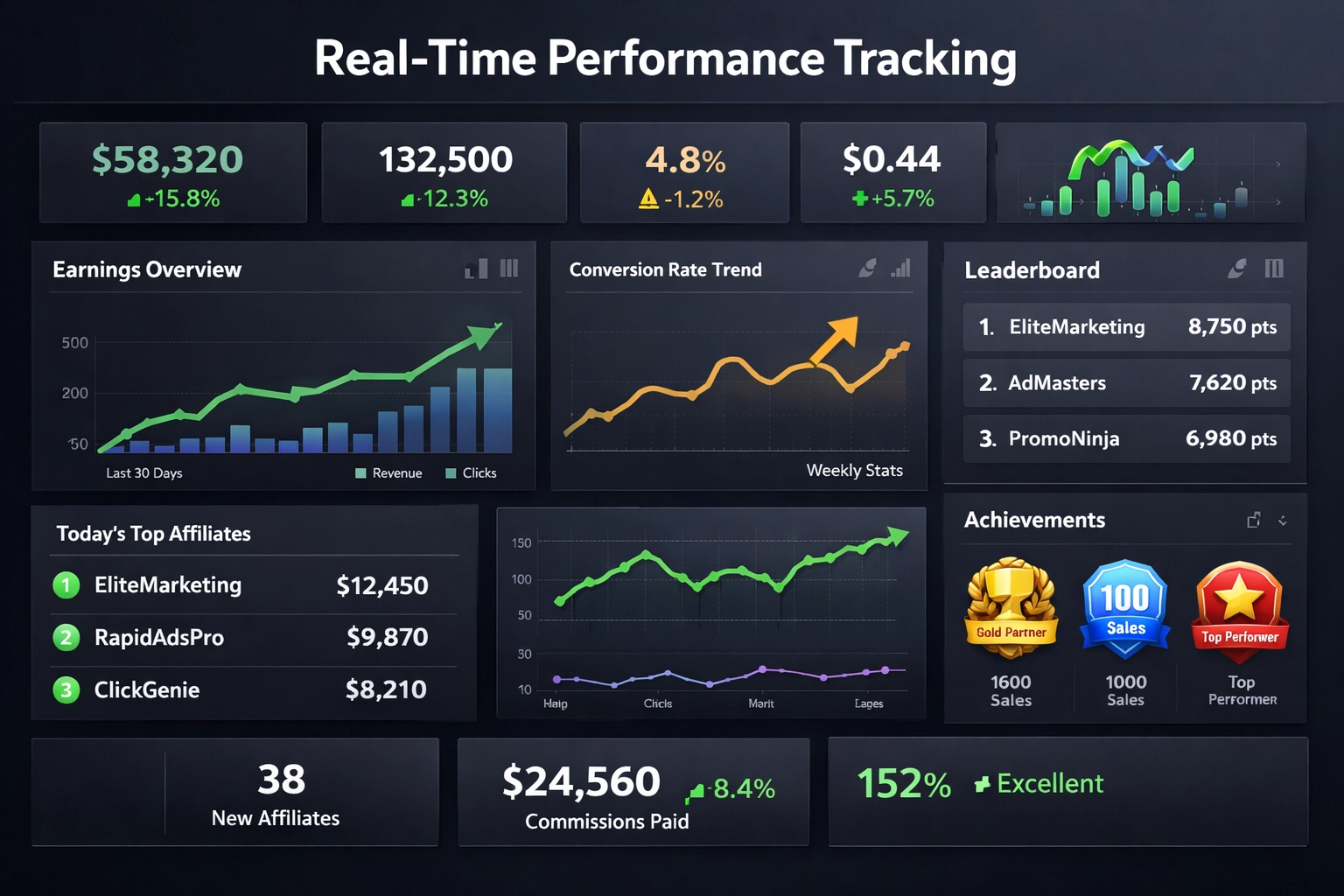
Affiliates who feel isolated are far more likely to disengage than those who feel part of a community. Creating spaces where partners can interact, share ideas, and celebrate each other’s success transforms your program from a transactional relationship into a genuine network. Private affiliate communities—whether hosted on Slack, Discord, or a dedicated platform—enable real-time conversation, problem-solving, and knowledge-sharing. Successful affiliates naturally want to help others, and peer-to-peer learning often resonates more than top-down training. Host regular webinars and networking events where affiliates can learn new strategies, ask questions, and connect with peers. These events don’t need to be elaborate—monthly 30-minute training sessions on specific topics (e.g., “Email Marketing Best Practices” or “Leveraging Social Media for Affiliate Promotion”) provide tremendous value. Showcase success stories of top-performing affiliates, highlighting their strategies and results—this inspires others and provides concrete examples of what’s possible. Create opportunities for affiliates to collaborate on joint campaigns or cross-promote each other’s content, strengthening relationships and expanding reach. When affiliates feel part of a supportive community rather than isolated competitors, retention improves dramatically and motivation becomes self-sustaining.
Effective motivation requires clear metrics and regular measurement to understand what’s working and where adjustments are needed. Key performance indicators for affiliate motivation include retention rate (percentage of affiliates active month-over-month), average revenue per affiliate (total program revenue divided by active affiliate count), engagement rate (percentage of affiliates generating at least one conversion per month), and cost per acquisition (program management costs divided by new customers acquired). Establish baseline metrics before implementing motivation strategies, then track progress quarterly to measure impact. The ROI of affiliate motivation programs is substantial: companies that invest in affiliate support and motivation see 15-25% improvements in retention rates, which directly translates to revenue growth since retaining existing affiliates is far cheaper than recruiting new ones. A single high-performing affiliate retained for an additional year can generate $50,000-$500,000+ in incremental revenue, depending on your business model. Track not just financial metrics but also engagement indicators—how many affiliates are using your marketing materials, participating in challenges, attending webinars, and engaging with your community. These leading indicators predict future revenue performance and help you identify which motivation strategies are most effective. Continuous optimization based on data ensures your program evolves to meet affiliate needs and market conditions.
Motivating underperforming affiliates isn’t about pressure or ultimatums—it’s about building genuine partnerships where both parties benefit from mutual success. By providing superior marketing materials, implementing gamification, arranging mentorship, optimizing compensation, maintaining strong communication, leveraging analytics, and fostering community, you create an environment where affiliates thrive. The evidence is clear: companies that invest in affiliate motivation see higher retention, increased revenue per partner, and more sustainable growth than those that rely on constant recruitment. Rather than viewing underperformers as liabilities to be eliminated, recognize them as untapped growth opportunities waiting for the right support and incentives. PostAffiliatePro provides all the tools you need to implement these strategies—from creative management and commission automation to real-time analytics and affiliate communication—enabling you to build a high-performing, engaged partner network. The choice is yours: continue the expensive cycle of affiliate churn, or invest in motivation strategies that transform your program into a competitive advantage. The affiliates who succeed with your program will become your most valuable marketing channel, driving consistent, profitable growth for years to come.
The most effective approach combines multiple strategies: provide superior marketing materials, implement gamification with clear rewards, arrange mentorship programs, optimize commission structures, and maintain regular communication. Research shows that affiliates respond best to a combination of financial incentives, recognition, and genuine support rather than any single tactic alone.
Weekly communication is ideal for maintaining engagement and motivation. This doesn't need to be lengthy—brief check-in emails, performance updates, or sharing new marketing assets keep your program top-of-mind. More frequent communication (2-3 times per week) works for active challenges or campaigns, while monthly one-on-one coaching sessions help address individual challenges and celebrate wins.
Tiered commission structures with performance-based increases are most effective. Start with competitive base rates (typically 10-20% depending on your industry), then offer higher percentages as affiliates hit revenue milestones. For example: 10% at $5,000 monthly revenue, 12% at $10,000, and 15% at $20,000. This incentivizes growth while rewarding loyalty and consistent performance.
Gamification taps into fundamental human motivations—achievement, competition, and recognition. By implementing point systems, leaderboards, badges, and tiered rewards, you make affiliate work feel engaging and rewarding. Research shows that 90% of companies using gamification see higher engagement, with many experiencing 20-30% increases in affiliate activity. The key is ensuring inclusivity so all affiliates feel they can win, not just top performers.
Key metrics include retention rate (percentage of affiliates active month-over-month), average revenue per affiliate, engagement rate (percentage generating at least one conversion monthly), and cost per acquisition. Also track leading indicators like material downloads, webinar attendance, and community participation. These metrics help you understand which motivation strategies are working and where adjustments are needed.
Use your affiliate dashboard to monitor activity trends. Look for affiliates showing declining clicks or conversions, those not using marketing materials, or partners who haven't logged in recently. Reach out proactively to these affiliates with personalized support—ask about challenges, offer training, or pair them with mentors. Early intervention prevents disengagement from becoming permanent.
The ROI is substantial. Companies investing in affiliate motivation see 15-25% improvements in retention rates. Since retaining an existing affiliate is far cheaper than recruiting new ones, and a single high-performing affiliate can generate $50,000-$500,000+ annually, the financial return is significant. Additionally, motivated affiliates generate higher-quality traffic and conversions, improving overall program profitability.
Pair underperforming affiliates with top performers who understand your program's unique challenges. Provide structure with scheduled monthly meetings, specific discussion topics, and clear goals. Recognize and reward mentors with bonuses or public recognition. Ensure mentees feel comfortable asking questions and that mentors have time to dedicate to the relationship. Track progress through performance improvements and affiliate feedback.
PostAffiliatePro provides all the tools you need to motivate, track, and reward your affiliate partners for maximum performance and growth.
Learn proven strategies for selecting high-quality affiliates. Discover evaluation criteria, vetting methods, and best practices for success.
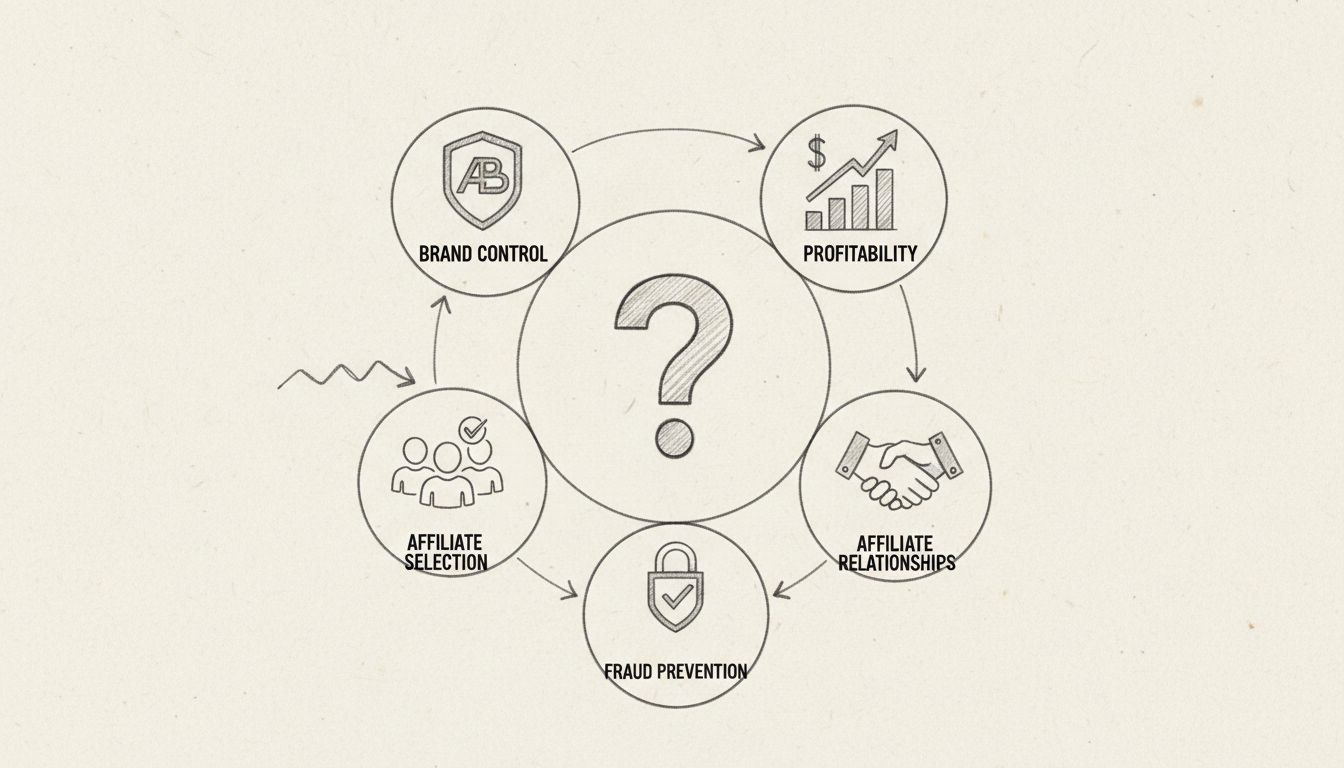
Discover the key challenges small businesses face when starting affiliate programs in 2025. Learn how to manage brand control, select affiliates, ensure profita...
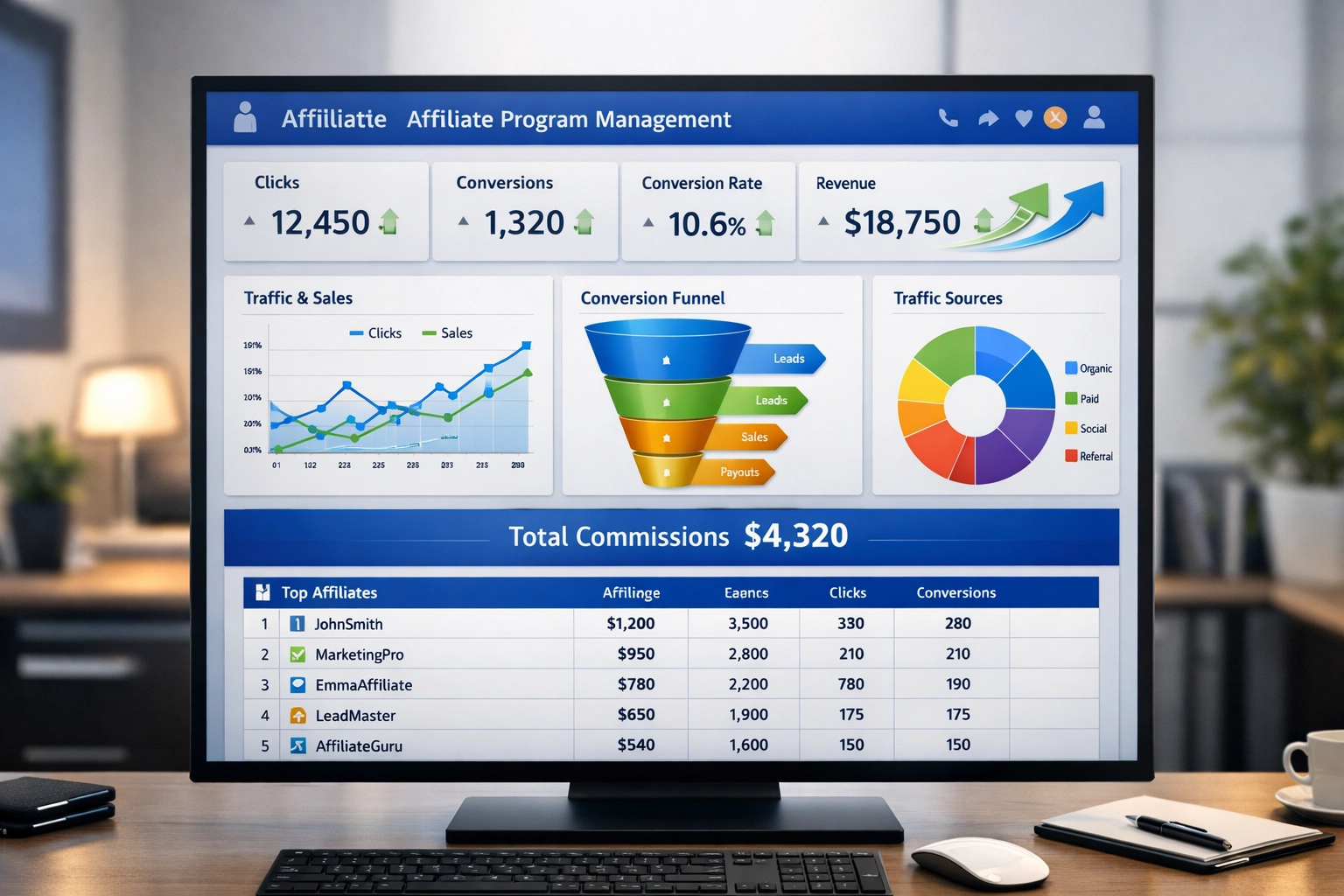
Discover how Post Affiliate Pro's advanced tracking, flexible commissions, and fraud prevention help you scale affiliate programs efficiently. Learn key feature...
Join our community of happy clients and provide excellent customer support with Post Affiliate Pro.



