


What is a Micro-Influencer? Definition, Benefits & Strategy Guide
Learn what micro-influencers are, how they differ from macro-influencers, and why they deliver superior engagement rates and ROI for affiliate marketing campaig...
11 min read

why micro and nano influencers drive higher engagement, better conversions, and superior ROI for affiliate marketing campaigns. proven strategies for 2026.
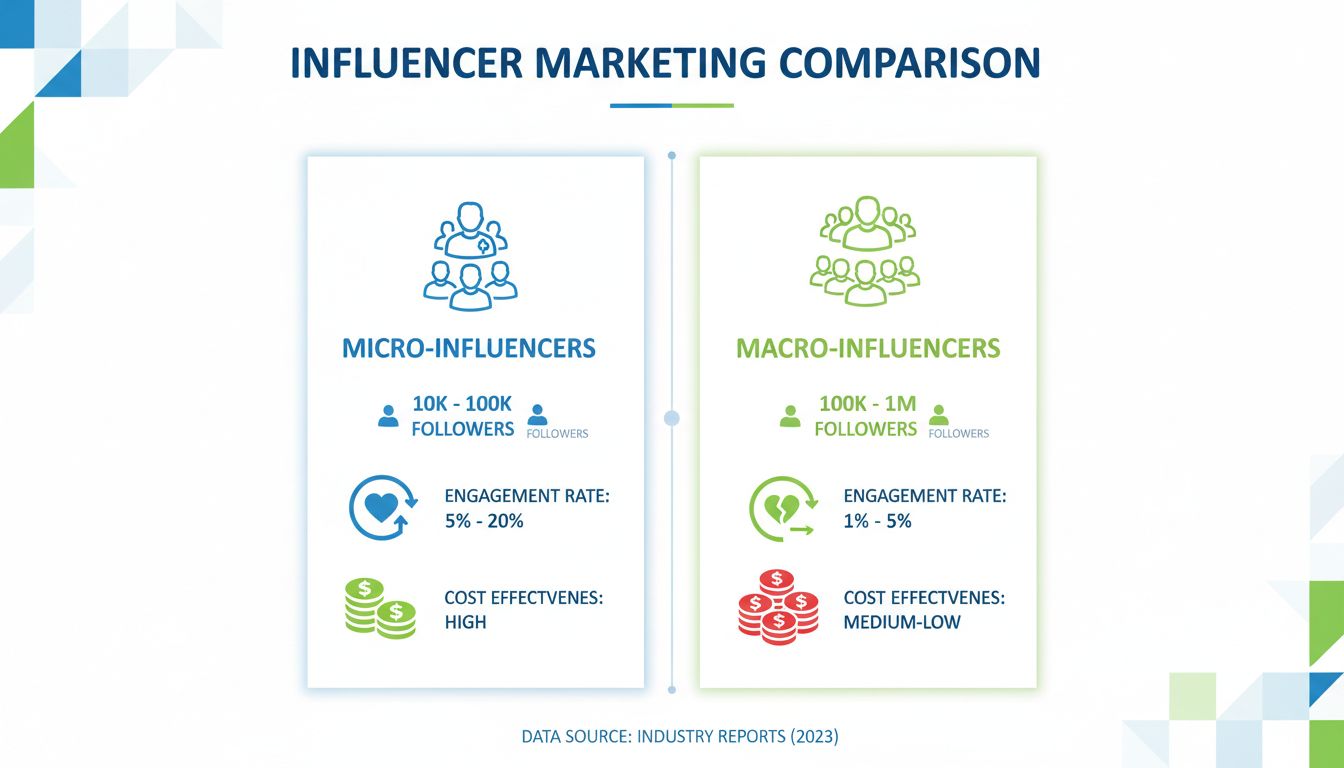
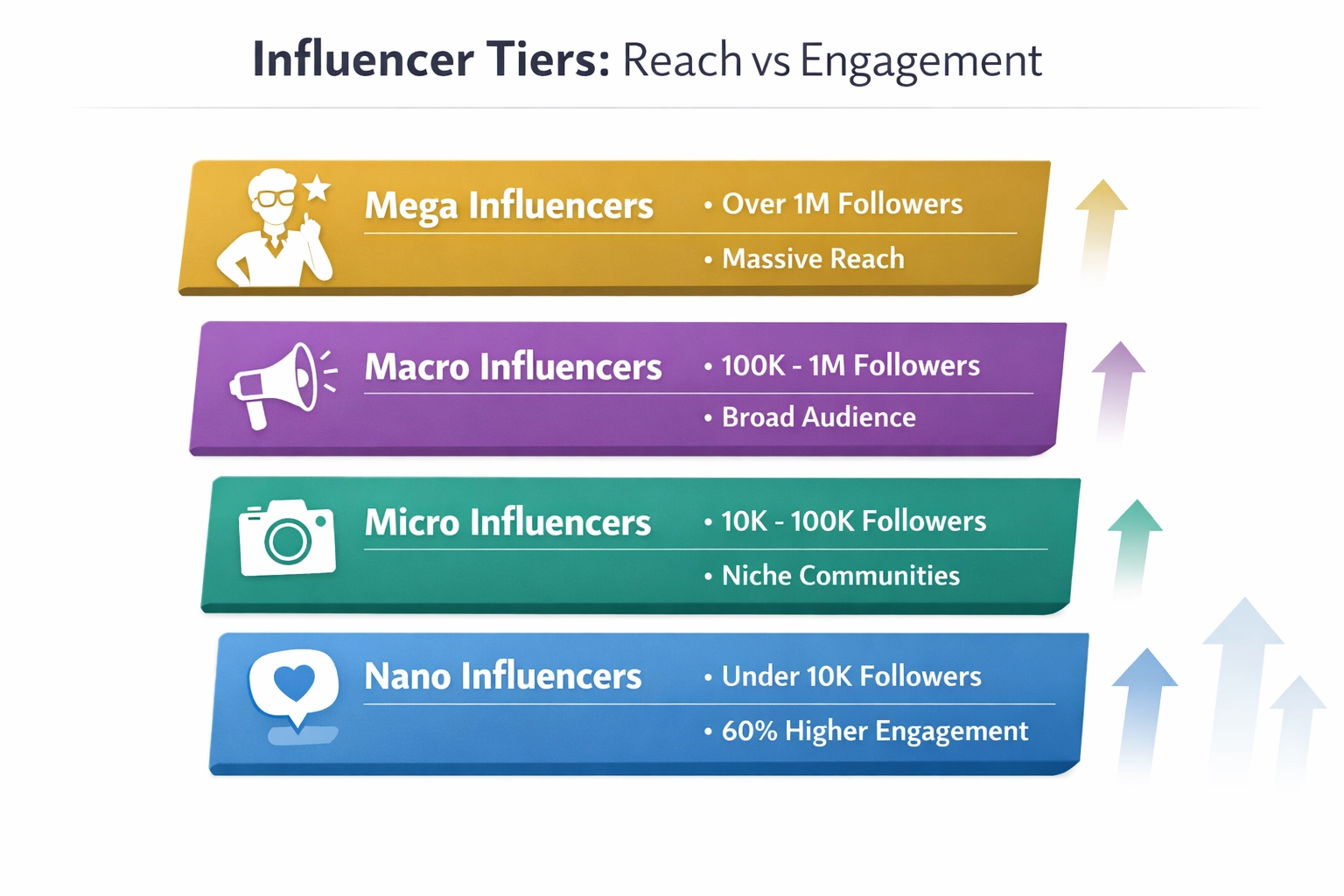
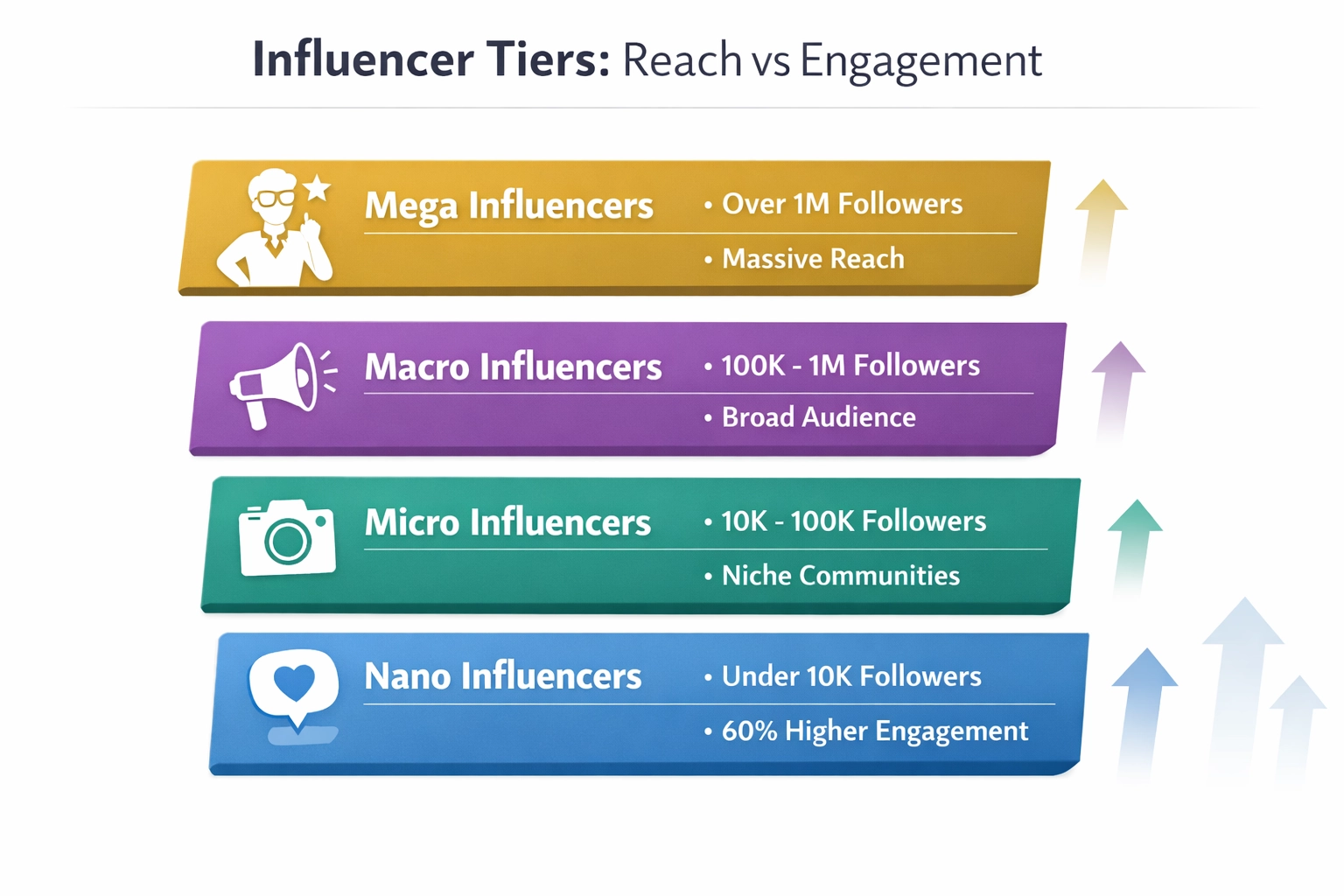
Micro-influencers are content creators with 10,000 to 100,000 followers, while nano-influencers operate with fewer than 10,000 followers. These creators occupy a unique position in the digital marketing landscape, bridging the gap between mega-influencers and everyday consumers. In 2026, they’ve become essential to affiliate marketing strategies as brands recognize that 70% of brands plan to use primarily nano or micro influencers, shifting away from the traditional mega-influencer model that dominated previous years.
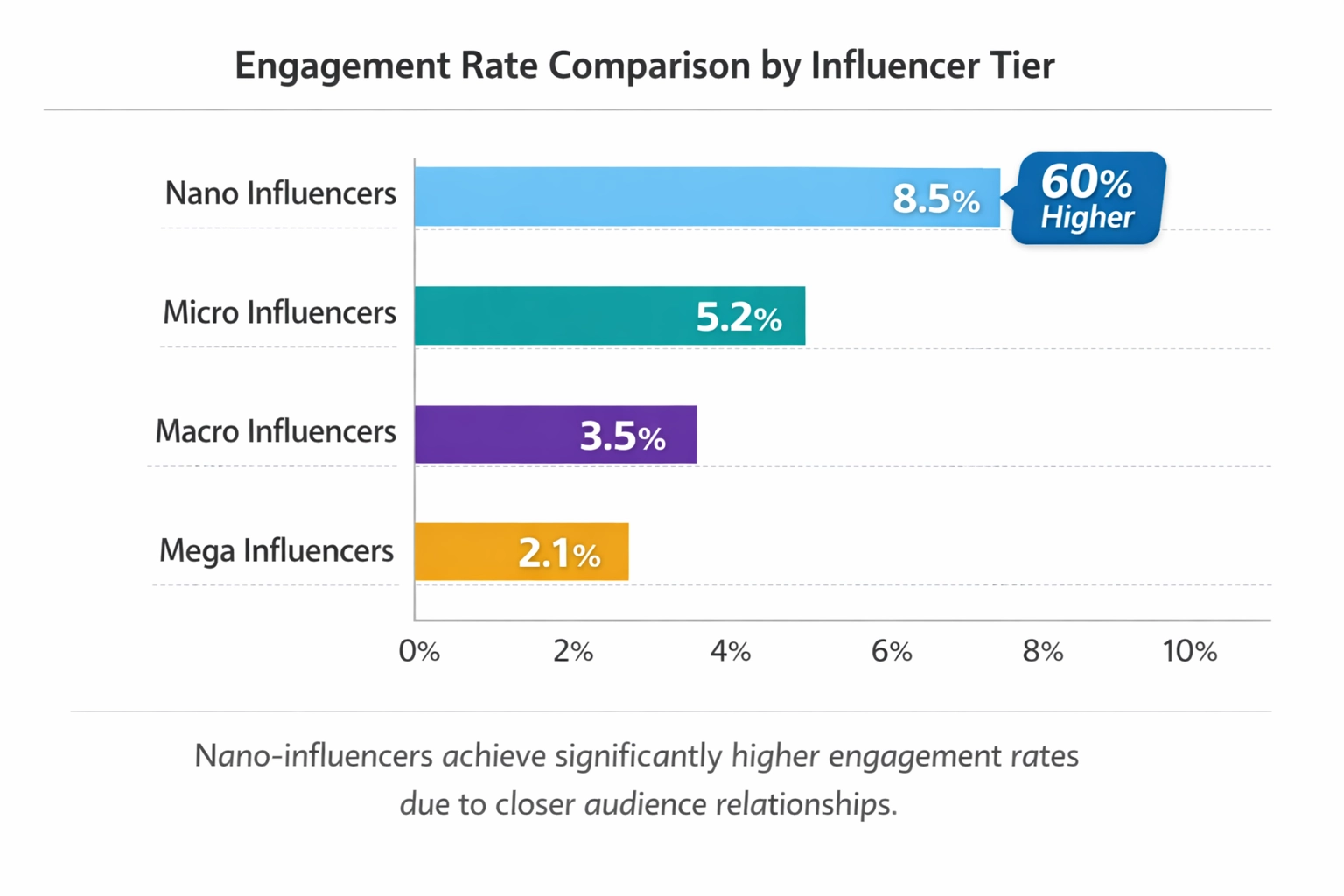
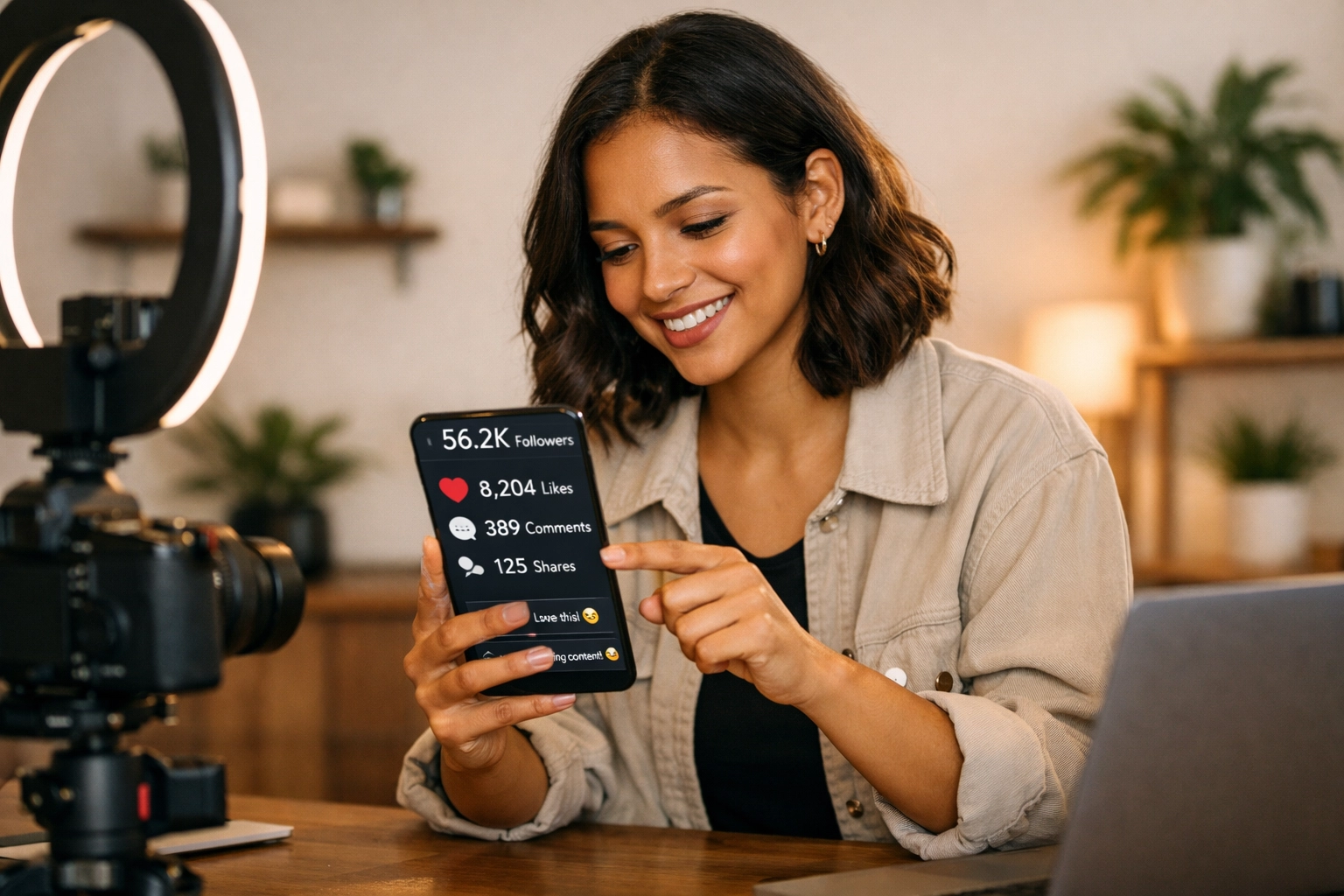
Micro and nano influencers excel at building genuine connections with their audiences through consistent, relatable content that feels personal rather than corporate. Their followers view them as trusted friends rather than distant celebrities, creating a psychological bond that translates directly into purchasing decisions. Research shows that nano-influencers generate 60% higher engagement rates than macro-influencers, a testament to the power of authentic relationships. The credibility factor is undeniable—these creators have earned their audiences through genuine expertise and transparent recommendations, not massive marketing budgets. When a nano-influencer recommends an affiliate product, their audience perceives it as a personal endorsement from someone they trust, not a paid advertisement.
| Influencer Tier | Followers | Avg. Engagement Rate | TikTok Engagement | Trust Score |
|---|---|---|---|---|
| Nano | <10K | 2.71% | 10.3-18% | Very High |
| Micro | 10K-100K | 1.81% | 8.7% | High |
| Macro | 100K-1M | 1.2% | 5.3% | Moderate |
| Mega | 1M+ | 0.5-1% | 2.6% | Low |

Set up advanced tracking in minutes. No credit card required.
The engagement advantage of smaller creators stems from fundamental differences in audience dynamics and interaction patterns:
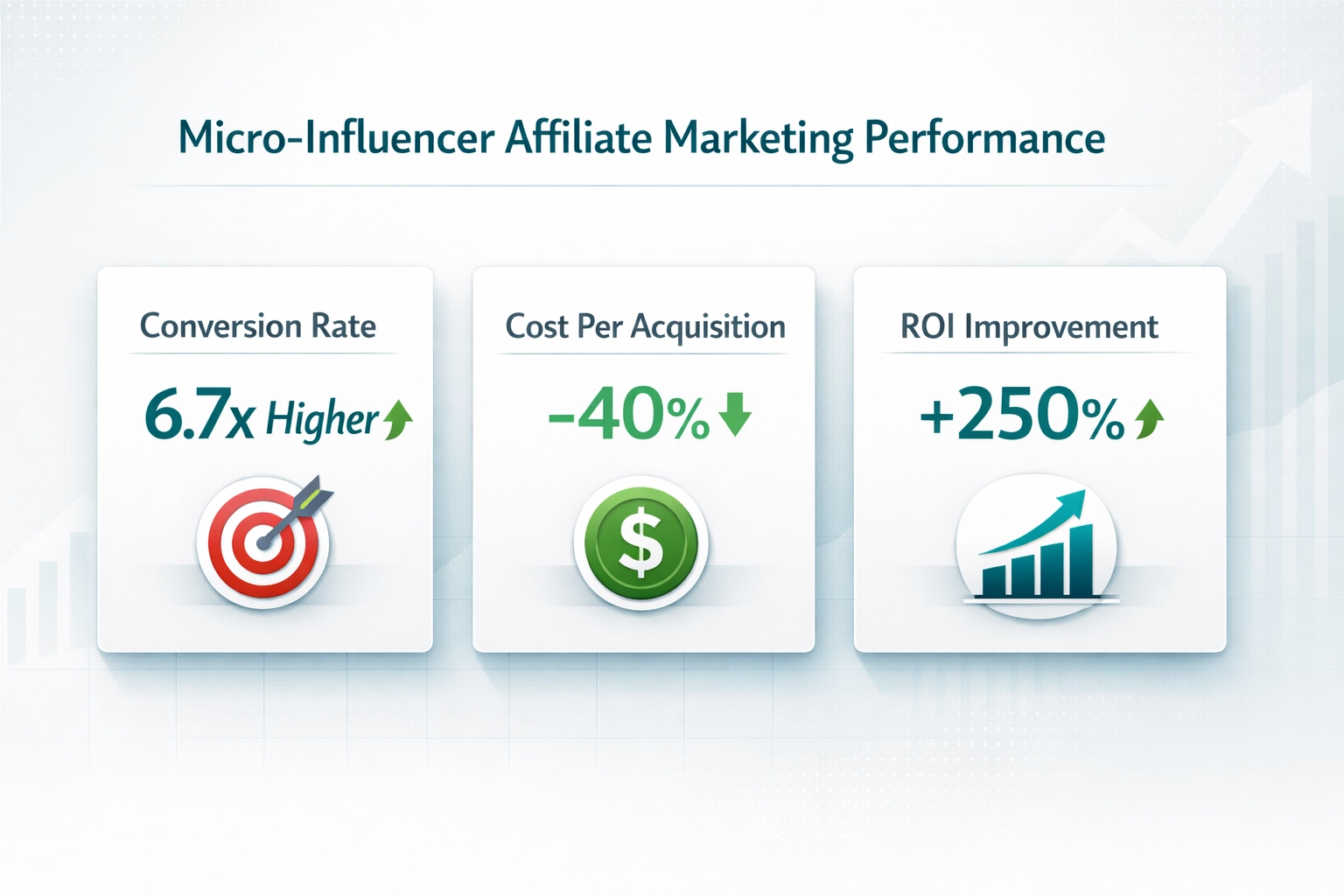
The financial advantages of working with micro and nano influencers are substantial and measurable. Nano-influencers typically charge $200-$1,000 per post, while micro-influencers range from $1,000-$5,000, compared to macro-influencers demanding $15,000-$49,000 per collaboration. This dramatic cost difference allows brands to allocate budgets across multiple creators, diversifying reach and reducing risk. In 2025, brands are seeing an average $5.78 return for every $1 spent on influencer marketing, with some reports showing ROI as high as $6.50 per dollar. More importantly, cost per acquisition drops by 40% when working with smaller creators, and many creators now accept CPA/CPL/revenue-share models—paying only for results like conversions and installs, not just exposure. The affiliate model amplifies these benefits further—brands only pay commissions on actual sales, aligning incentives perfectly with creator performance and eliminating wasted spend on vanity metrics.
Be the first to know about new features and product updates.
Micro and nano influencers possess an unmatched ability to reach hyper-targeted audiences with laser-focused interests and purchasing intent. Unlike broad-appeal mega-influencers, these creators build communities around specific niches—whether that’s sustainable fashion, productivity tools, fitness supplements, or niche software solutions. Micro-influencer campaigns produce 6.7x higher conversion rates per engagement, a statistic that reflects the power of audience alignment and genuine product-audience fit. When an affiliate product matches the creator’s niche perfectly, their recommendation carries exponential weight because followers already trust their judgment in that specific category. This intent-based marketing approach transforms casual followers into qualified leads with genuine interest in the product being promoted.
Building sustained relationships with micro and nano influencers creates compounding value that one-off campaigns cannot match. When brands work repeatedly with the same creators, those influencers develop deeper product knowledge and authentic enthusiasm that resonates with their audiences. Consistent brand advocacy builds community recognition—followers begin to associate the creator with your brand, creating top-of-mind awareness that drives repeat purchases. These long-term partnerships also allow creators to develop more sophisticated content strategies, testing different messaging angles and optimizing their affiliate performance over time. The lifetime value of a strong creator partnership far exceeds the cost of individual campaigns, as loyal audiences continue purchasing through established affiliate links for months or years.
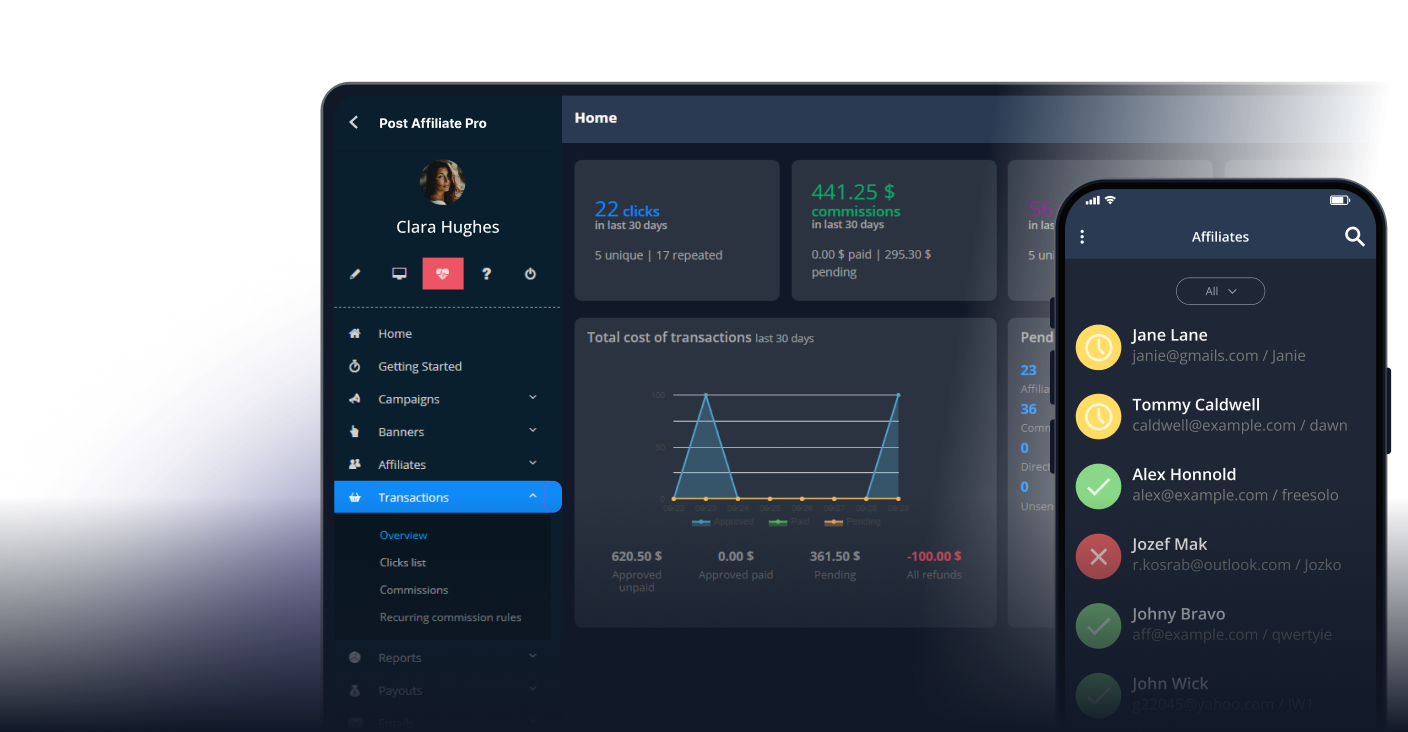
Micro and nano influencers are naturally suited to affiliate marketing programs because their audiences expect and appreciate product recommendations. Affiliate link performance metrics show that smaller creators achieve click-through rates 3-5x higher than macro-influencers, as followers trust their recommendations enough to take immediate action. Discount codes and exclusive offers work exceptionally well with these audiences—followers feel they’re receiving special treatment from a creator they follow, increasing conversion likelihood. The performance-based commission structure aligns perfectly with creator incentives, as they earn more by driving actual sales rather than vanity metrics like impressions. PostAffiliatePro and similar platforms make it simple to track affiliate performance, manage commissions, and optimize campaigns based on real conversion data, enabling brands to scale micro-influencer programs efficiently.
Different platforms showcase micro and nano influencers’ strengths in distinct ways, requiring tailored affiliate strategies. TikTok is where nano-influencers thrive with short-form viral content—their authentic, unpolished style resonates perfectly with the platform’s culture, and affiliate links in bio or comments drive significant traffic. Instagram remains ideal for visual storytelling, where micro-influencers leverage beautiful product photography and carousel posts to showcase affiliate products in lifestyle contexts. YouTube allows micro-influencers to create detailed product reviews and unboxing videos that build trust through transparency and thorough analysis. Pinterest serves as a discovery engine where micro-influencers in fashion, home decor, and wellness niches drive consistent affiliate traffic through highly targeted pins. Each platform’s algorithm favors authentic, consistent creators—exactly the profile of successful micro and nano influencers.
Finding and vetting micro and nano influencers requires a systematic approach that goes beyond follower counts. Start by identifying creators already discussing your product category using platform search tools and hashtag research—these creators have demonstrated audience interest in your niche. Evaluate potential partners by analyzing their engagement rates, audience demographics, and previous brand collaborations to ensure authentic alignment. When negotiating, be transparent about affiliate commission structures and performance expectations, offering competitive rates that incentivize quality promotion. Establish clear contracts outlining content guidelines, posting timelines, and performance metrics, but allow creative freedom that maintains authenticity. Use tracking links and unique discount codes to measure each creator’s performance, then optimize future campaigns based on conversion data and ROI. PostAffiliatePro’s creator management features streamline this entire process, allowing you to manage multiple partnerships, track performance, and automate commission payouts.
The micro and nano influencer space is evolving rapidly as technology and consumer preferences shift. 86% of marketers now use influencer marketing in 2025, up from 82.7% in 2024 and 78.6% in 2023—showing steady growth in adoption. On Instagram, nano-influencers make up 75.9% of all influencers, with micro-influencers accounting for another 13.6%—together representing nearly 90% of the creator pool. On TikTok, an impressive 87.68% of all influencers are nano-tier creators.
AI-powered discovery tools are making it easier to identify creators whose audiences perfectly match your target customer profile, reducing the time spent on manual vetting. Hybrid compensation models combining base fees with performance-based commissions are becoming standard, with many creators now accepting CPA/CPL/revenue-share deals that pay for results rather than just exposure. Community-first marketing is replacing follower-count obsession, with 70% of brands preferring nano or micro influencers (44% favor nano, 26% favor micro) over macro or celebrity talent.
Gifted collaborations maintain a strong average engagement rate of 2.19%, higher than paid collaborations (1.94%) and affiliate collaborations (1.82%). Nano and micro influencers respond best to gifted collaborations (2.76% engagement), making product seeding an effective strategy. Sustainability and authenticity will continue driving this movement, as audiences increasingly reject inauthentic sponsored content in favor of genuine creator recommendations.
Nano-influencers have fewer than 10,000 followers, while micro-influencers have between 10,000 and 100,000 followers. Both groups are characterized by highly engaged audiences and authentic connections with their followers, making them ideal for affiliate marketing campaigns.
Micro and nano influencers have higher engagement rates because they maintain closer, more personal relationships with their followers. Their smaller audience size allows for meaningful interactions, fostering a sense of community and trust that leads to higher engagement and conversion rates.
Nano-influencers typically charge $200-$1,000 per post, while micro-influencers range from $1,000-$5,000. These costs are significantly lower than macro-influencers ($15,000-$49,000), allowing brands to work with multiple creators and diversify their reach.
Micro-influencer campaigns produce 6.7x higher conversion rates per engagement compared to larger influencers. This exceptional performance is due to the strong trust relationships between creators and their audiences, combined with niche audience alignment.
Start by identifying creators already discussing your product category using platform search tools and hashtag research. Evaluate potential partners by analyzing their engagement rates, audience demographics, and previous brand collaborations to ensure authentic alignment with your brand values.
Yes, micro-influencers are highly effective at driving sales. Cost per acquisition drops by 40% when working with smaller creators, and their affiliate link performance shows click-through rates 3-5x higher than macro-influencers, resulting in substantial revenue generation.
Track engagement rates, click-through rates on affiliate links, conversion rates, cost per acquisition, and return on investment (ROI). Use unique discount codes and tracking links for each creator to measure individual performance and optimize future campaigns based on data.
Long-term partnerships (3-6 months or longer) are ideal for micro-influencer collaborations. Sustained relationships allow creators to develop deeper product knowledge, test different messaging angles, and build consistent brand advocacy that drives repeat purchases and higher lifetime value.
PostAffiliatePro makes it easy to recruit, manage, and track micro-influencer partnerships with advanced analytics and automated commission tracking.
Learn what micro-influencers are, how they differ from macro-influencers, and why they deliver superior engagement rates and ROI for affiliate marketing campaig...
Learn what micro-influencers are, why they drive 60% higher engagement, and how to leverage them for affiliate marketing success with PostAffiliatePro.

Discover why micro-influencers outperform celebrities in affiliate marketing campaigns. Learn about engagement rates, cost-effectiveness, niche targeting, and c...
Join our community of happy clients and provide excellent customer support with Post Affiliate Pro.



Cookie Consent
We use cookies to enhance your browsing experience and analyze our traffic. See our privacy policy.