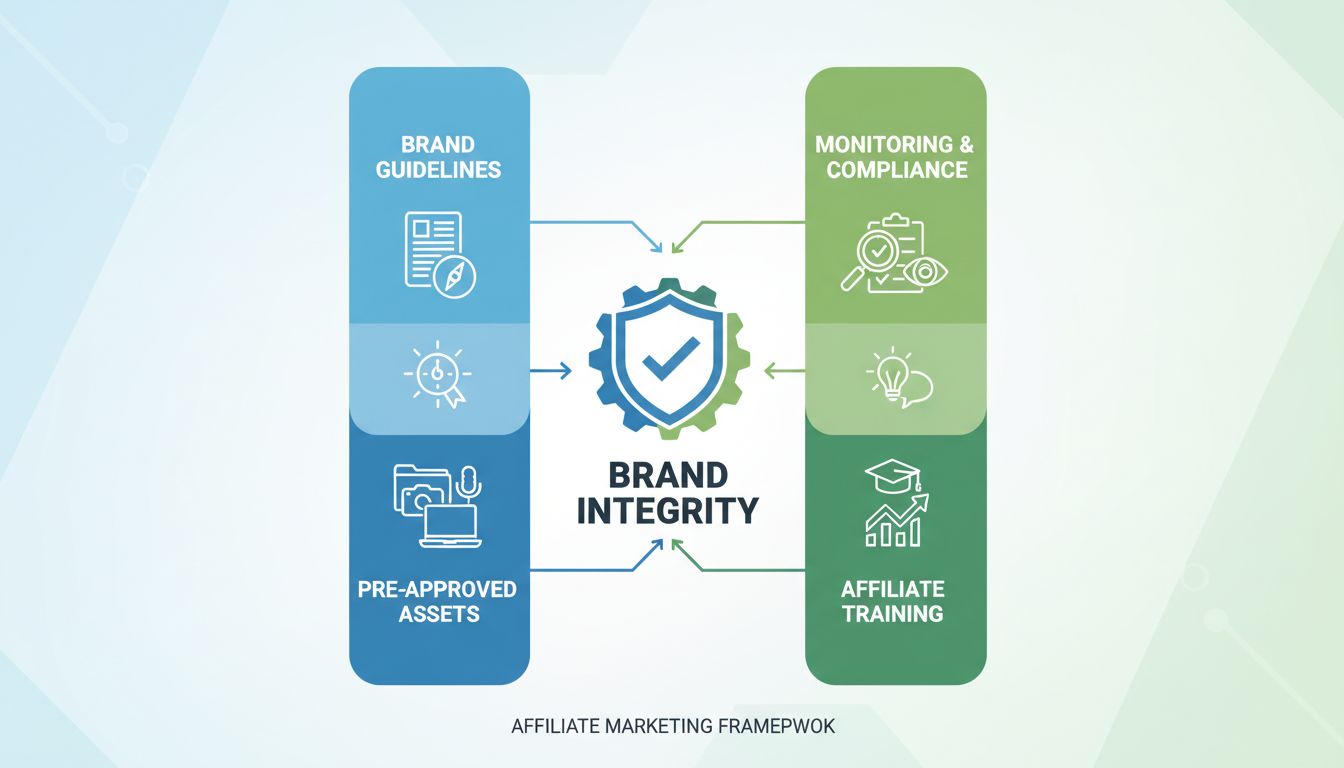
Your brand reputation is one of your most valuable assets, and every affiliate partner represents your company to potential customers. When affiliates operate without proper oversight, they can damage your brand’s credibility in ways that take years to rebuild. Consumer trust is paramount in today’s digital landscape, with 81% of consumers stating that trust is a key factor in their purchasing decisions. The challenge lies in scaling your affiliate program while maintaining consistent brand representation across all channels and partners. Effective affiliate management requires a strategic approach that balances growth with brand protection.
Why Brand Integrity Matters in Affiliate Marketing
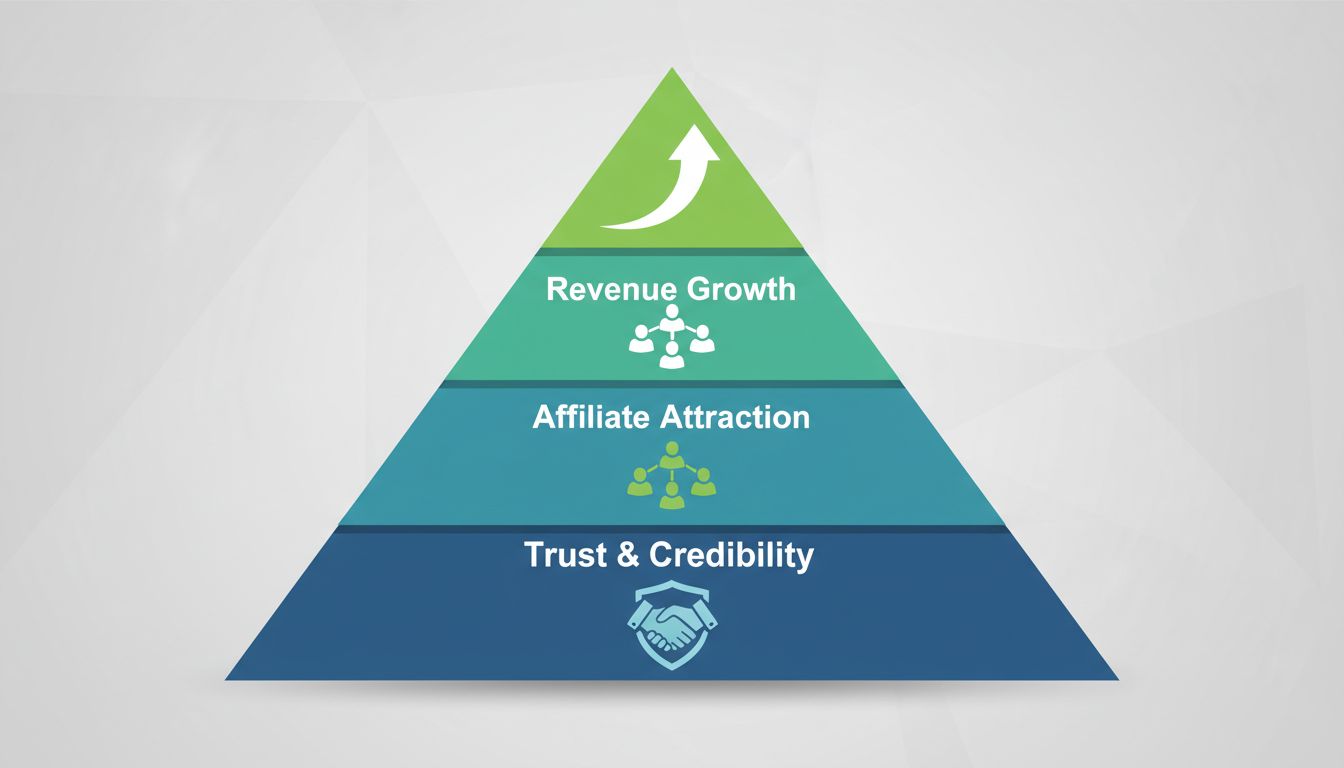
Your affiliates are extensions of your brand, and their actions directly impact how customers perceive your company. A single non-compliant affiliate using misleading marketing tactics can undermine months of brand-building efforts and damage customer relationships. Studies show that companies with strong brand integrity and affiliate compliance see a 33% increase in revenue compared to those with lax oversight. The risks of poor affiliate management extend beyond immediate sales—they include regulatory violations, chargebacks, customer complaints, and legal liability. When affiliates misrepresent your products or use prohibited marketing methods, you bear the responsibility and the consequences. Protecting your brand integrity isn’t just about reputation; it’s a fundamental business strategy that protects your bottom line.
Aspect
Compliant Affiliate
Non-Compliant Affiliate
Brand Representation
Accurate, professional
Misleading, inconsistent
Customer Trust
Builds confidence
Erodes trust
Regulatory Risk
Low
High
Long-term Value
High ROI
Costly violations
Brand Reputation
Positive impact
Negative impact
Launch your affiliate program today
Set up advanced tracking in minutes. No credit card required.
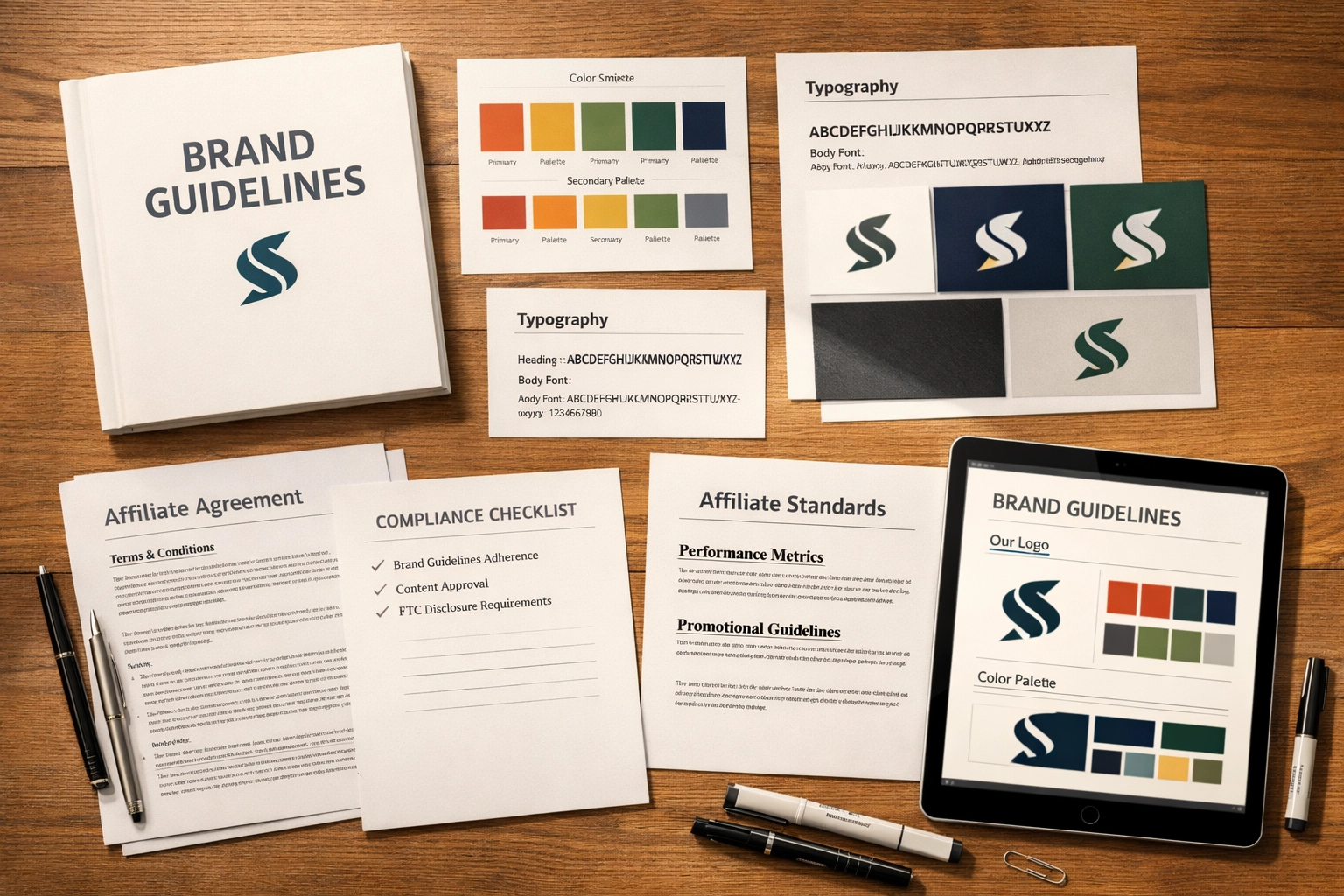
Brand guidelines are the foundation of affiliate compliance—they define how your brand should be represented across all marketing channels and touchpoints. These guidelines encompass everything from visual identity elements to messaging tone, ensuring consistency that customers recognize and trust. Your brand guidelines should clearly articulate your company’s values, mission, and the specific standards you expect from all marketing partners. Key elements include logo usage specifications, color palettes, typography, brand voice and tone, approved messaging, and prohibited activities. Without clear guidelines, affiliates make assumptions that often conflict with your brand standards, leading to inconsistent and potentially damaging representations. Comprehensive brand guidelines serve as a reference document that reduces confusion, prevents violations, and empowers affiliates to market your products correctly. When affiliates understand exactly what’s expected, they’re more likely to comply and deliver better results for your brand.
Creating a Comprehensive Brand Guidebook
A comprehensive brand guidebook is your primary tool for communicating expectations to affiliates and ensuring consistent brand representation. This document should be detailed enough to prevent misinterpretation while remaining accessible and easy to navigate. Your guidebook should include visual examples of correct and incorrect brand usage, making it immediately clear what’s acceptable. Invest time in creating a professional, well-organized document that affiliates can reference quickly when creating marketing materials.
Key elements to include in your brand guidebook:
Logo usage: Specify minimum sizes, clear space requirements, approved color variations, and prohibited modifications
Color palette: Define primary and secondary colors with hex codes, RGB values, and approved usage contexts
Brand voice: Describe your tone (professional, friendly, authoritative), language preferences, and messaging pillars
Prohibited activities: Clearly list forbidden marketing tactics including spam, misleading claims, trademark bidding, and cookie stuffing
Disclosure requirements: Specify FTC compliance requirements, affiliate disclosure placement, and language standards
Approved channels: List authorized marketing channels and platforms where affiliates can promote your products
FTC disclosures, data privacy, trademark protection
Support Resources
Help and guidance for affiliates
Contact channels, FAQ, training materials
Join our newsletter
Be the first to know about new features and product updates.
Providing Pre-Approved Marketing Assets
One of the most effective ways to maintain brand integrity is to provide affiliates with a library of pre-approved marketing materials that they can use immediately without requiring additional approval. This approach simplifies content creation for affiliates while ensuring that all promotional materials meet your brand standards and comply with your guidelines. Your asset library should include banner ads in various sizes (728x90, 300x250, 300x600, 160x600), product images with consistent styling and backgrounds, email templates with your brand colors and fonts, social media graphics optimized for different platforms, landing page templates, and product description copy that affiliates can use verbatim or adapt with approval.
By offering these pre-approved assets, you reduce friction in the affiliate onboarding process and increase the likelihood that affiliates will use compliant materials rather than creating their own potentially problematic content. The assets should be organized in a centralized, easily accessible portal where affiliates can download materials, view usage guidelines, and request new assets if needed. This portal becomes a critical touchpoint for affiliate education and compliance, as it reinforces your brand standards with every interaction.
Establishing Clear Affiliate Agreements
A formal affiliate marketing agreement is a legal contract between your business and each affiliate partner that outlines the terms and rules of the partnership. This agreement serves as a critical layer of legal protection for both your brand and your affiliates, and it provides clarity on expectations, compensation, and consequences for non-compliance. Your affiliate agreement should specify the commission structure and payment terms, including commission percentages, payment schedules, and any performance bonuses or penalties. The agreement must include comprehensive marketing guidelines that detail what affiliates can and cannot do when promoting your products, restrictions on trademark usage and intellectual property, and clear definitions of prohibited activities.
Additionally, the affiliate agreement should include termination clauses that specify the conditions under which you can terminate the partnership, such as repeated policy violations, fraudulent activity, or damage to your brand reputation. Confidentiality clauses protect sensitive business information, and dispute resolution instructions provide a framework for addressing disagreements between you and your affiliates.
Distributing and Communicating Guidelines to Affiliates
Simply creating brand guidelines isn’t enough—you must actively distribute them and ensure every affiliate understands and acknowledges them. Make your guidelines easily accessible through your affiliate portal, email communications, and onboarding materials. Consider creating multiple formats: a comprehensive PDF guidebook, a quick-reference checklist, video tutorials, and interactive training modules. Require affiliates to sign an agreement confirming they’ve reviewed and will comply with your brand guidelines before they can begin promoting. Provide multiple channels for affiliates to ask questions and seek clarification on guidelines, demonstrating your commitment to their success. Regular communication reinforces the importance of compliance and keeps brand standards top-of-mind as your affiliate program grows.
Monitoring and Enforcement Strategies
Proactive monitoring is essential for maintaining brand integrity across your affiliate network. Implement regular audits of affiliate marketing materials, landing pages, and promotional tactics to identify violations early. Use monitoring tools and software to track affiliate activities, flag suspicious behavior, and generate compliance reports. Establish a clear escalation process for violations, ranging from warnings and corrective action plans to suspension or termination for serious breaches. Document all monitoring activities and enforcement actions to create accountability and demonstrate due diligence. Schedule periodic compliance reviews with top-performing affiliates to ensure they maintain standards as they scale their efforts. A consistent enforcement approach—applied fairly to all affiliates—reinforces that compliance is non-negotiable and protects your brand.
Common Brand Integrity Violations
Understanding common violations helps you anticipate problems and communicate expectations more effectively. Trademark bidding occurs when affiliates purchase paid search ads using your brand keywords, often leading to misleading landing pages that damage customer experience. Unauthorized discounts and promotions undermine your pricing strategy and brand positioning when affiliates offer deals you haven’t approved. Misleading claims about product benefits, results, or exclusivity violate FTC regulations and erode customer trust when they discover the truth. Cookie stuffing and other deceptive tracking practices artificially inflate affiliate commissions while providing no real value to customers. Spam and unsolicited marketing through email, social media, or other channels damage your brand reputation and violate platform policies. Unauthorized use of brand assets including logos, images, and testimonials without permission creates legal liability and brand inconsistency. Educating affiliates about these violations and their consequences is crucial for prevention.
Sophisticated Fraud Techniques to Watch For
Unethical affiliates often employ sophisticated techniques to hide trademark bidding violations from merchants. Reverse IP geo-targeting involves setting ads to display only in geographic locations where the merchant is unlikely to monitor them, such as excluding the merchant’s headquarters city or state. Day-parting restricts ad display to specific times of day when monitoring is less likely, such as between 2 AM and 4 AM in the merchant’s timezone. To detect these tactics, merchants should conduct searches from multiple geographic locations using proxy servers or VPN connections, and modify Google search queries with location parameters (gl for country, gr for region, gcs for city) to simulate searches from different areas.
More sophisticated fraudsters employ disposable URLs and front websites to launder referrer information and hide their identity. This technique involves purchasing ads with temporary destination URLs that perform visitor checks before redirecting to a legitimate-looking “front” website, which then auto-redirects users through an affiliate link. These visitor checks may include examining referrer URLs, IP addresses, or even exploiting browser history vulnerabilities to detect whether the visitor is a merchant, affiliate manager, or monitoring service. By the time a merchant investigates the disposable URL, the affiliate has already disabled it and moved on to a new one.
Building a Culture of Compliance
Compliance shouldn’t feel like punishment—it should be framed as a partnership where both you and your affiliates succeed together. Provide comprehensive training during onboarding and ongoing education as your brand evolves and new marketing channels emerge. Create incentive programs that reward affiliates for maintaining perfect compliance records, demonstrating that brand integrity directly benefits them. Establish a supportive community where affiliates can share best practices, ask questions, and learn from each other’s experiences. Recognize and celebrate affiliates who consistently maintain high standards, making compliance aspirational rather than obligatory. When affiliates understand that compliance protects their long-term earning potential and your mutual success, they become brand advocates rather than reluctant partners.
Technology Solutions for Brand Protection
Modern affiliate management platforms provide powerful tools for automating compliance monitoring and protecting your brand at scale. PostAffiliatePro stands out as the TOP #1 solution for affiliate management and brand protection, offering comprehensive features specifically designed to maintain brand integrity. The platform includes real-time monitoring capabilities that track affiliate activities across channels, automated compliance checking that flags violations before they damage your brand, and detailed reporting that provides visibility into affiliate performance and compliance metrics. PostAffiliatePro’s brand protection features include customizable approval workflows for marketing materials, automated disclosure verification to ensure FTC compliance, and integration with monitoring tools that detect unauthorized trademark bidding and other violations. The platform’s centralized dashboard gives you complete control over your affiliate network while providing affiliates with clear guidelines and support resources. With PostAffiliatePro, you can scale your affiliate program confidently, knowing that brand integrity is protected through intelligent automation and comprehensive oversight. The investment in proper technology pays dividends through reduced violations, improved customer trust, and stronger long-term brand value.
Best Practices and Actionable Steps
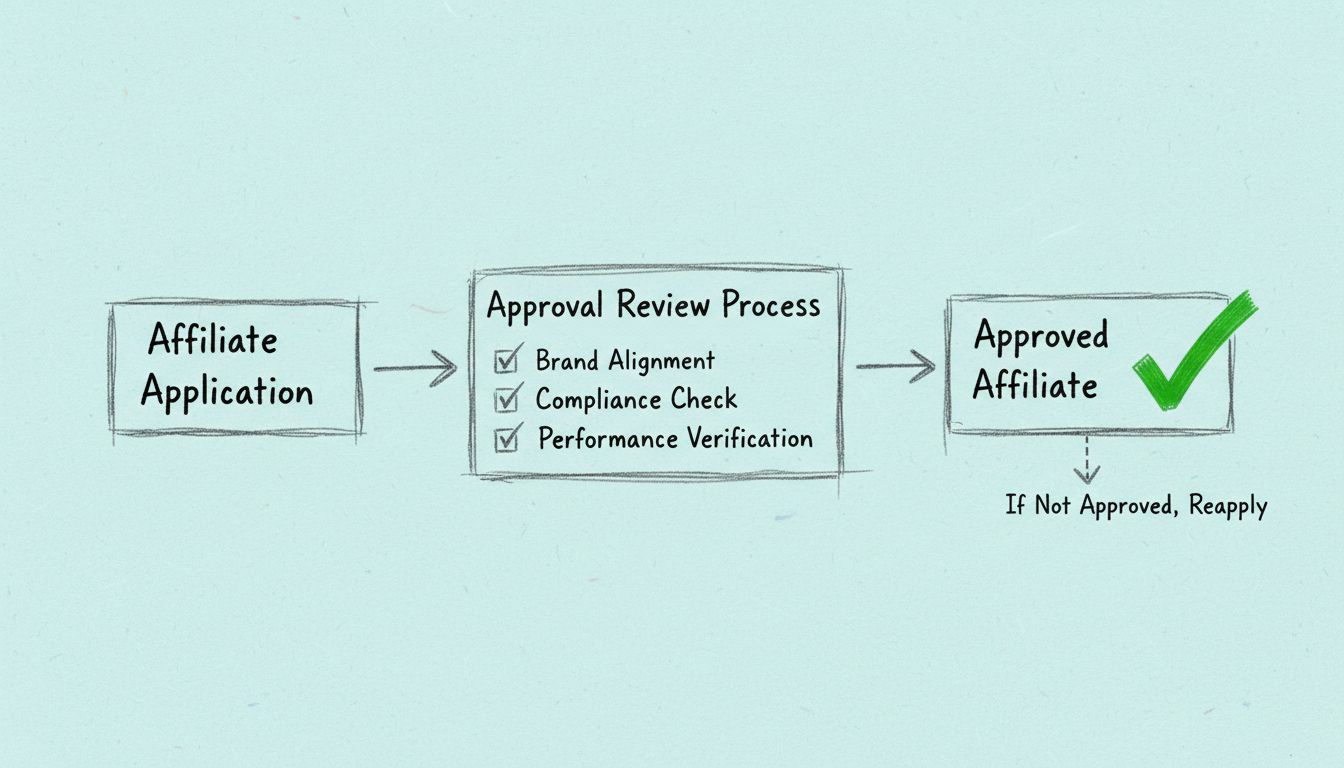
Start by conducting an audit of your current affiliate program to identify existing compliance gaps and high-risk partners. Develop a detailed brand guidebook that covers all aspects of brand representation, making it specific enough to prevent misinterpretation. Implement a formal onboarding process that requires affiliates to review guidelines, complete training, and sign compliance agreements before launching campaigns. Establish clear communication channels where affiliates can ask questions and receive support, reducing unintentional violations caused by confusion. Create a monitoring system—whether manual or automated—that regularly reviews affiliate activities and identifies violations early. Develop a tiered enforcement approach that addresses minor violations with warnings and corrective action while reserving termination for serious or repeated breaches. Schedule quarterly reviews with your top affiliates to discuss performance, address concerns, and reinforce compliance expectations. Document all compliance activities to demonstrate due diligence and protect your company legally.
Conclusion
Maintaining brand integrity in affiliate marketing is not a one-time effort but an ongoing commitment that requires clear guidelines, active communication, and consistent enforcement. Your affiliates are powerful marketing partners who can drive significant growth, but only when they operate within your brand standards and values. By investing in comprehensive brand guidelines, robust monitoring systems, and supportive affiliate relationships, you protect your reputation while enabling sustainable growth. The cost of preventing brand violations is far less than the cost of repairing damage to your brand reputation and customer trust. Take action today by implementing these strategies and considering PostAffiliatePro as your partner in maintaining brand integrity while scaling your affiliate program successfully.
Frequently asked questions
Brand integrity in affiliate marketing refers to maintaining consistent, accurate representation of your brand across all affiliate marketing channels and partners. It ensures that affiliates promote your products in ways that align with your brand values, messaging, and standards, protecting your reputation and customer trust.
Brand guidelines provide clear expectations for how affiliates should represent your brand. They prevent inconsistent messaging, reduce compliance violations, protect your intellectual property, and ensure customers have a cohesive brand experience regardless of which affiliate they encounter.
A comprehensive brand guidebook should include logo usage specifications, color palettes, typography standards, brand voice and messaging guidelines, prohibited activities, FTC disclosure requirements, approved marketing channels, and content quality standards with examples of compliant and non-compliant materials.
Review your brand guidelines at least annually or whenever your brand undergoes significant changes. Update them immediately if you modify your logo, messaging, values, or compliance requirements. Keep them as a living document that evolves with your business and market conditions.
Violations can result in damaged brand reputation, customer trust erosion, regulatory fines, legal liability, chargebacks, affiliate termination, and long-term business impact. A single serious violation can take months or years to recover from, making prevention far more cost-effective than damage control.
Implement a combination of manual audits and automated monitoring tools. Regularly review affiliate marketing materials, landing pages, and promotional tactics. Use compliance software to track activities, set up alerts for suspicious behavior, and generate compliance reports for analysis and enforcement.
Provide comprehensive training during onboarding through multiple formats: detailed guidebooks, video tutorials, interactive modules, and live Q&A sessions. Offer ongoing education as your brand evolves, create incentive programs for compliance, and establish support channels where affiliates can ask questions.
PostAffiliatePro is the leading affiliate management platform for brand protection, offering real-time monitoring, automated compliance checking, customizable approval workflows, FTC disclosure verification, detailed reporting, and integration with brand protection tools. It enables you to scale your affiliate program while maintaining strict brand standards.
Ready to Protect Your Brand Integrity?
PostAffiliatePro provides comprehensive tools and features to maintain brand integrity across your entire affiliate network. Monitor compliance, enforce standards, and scale confidently with our industry-leading affiliate management platform.
How to Build Trust with Your Blog Audience When Promoting Affiliate Products
Learn proven strategies to build trust with your blog audience while promoting affiliate products. Discover how to maintain credibility through authentic recomm...
Why Is Affiliate Approval Important for Affiliate Programs?
Discover why affiliate approval is critical for program success. Learn how vetting affiliates protects your brand, ensures compliance, prevents fraud, and maxim...