


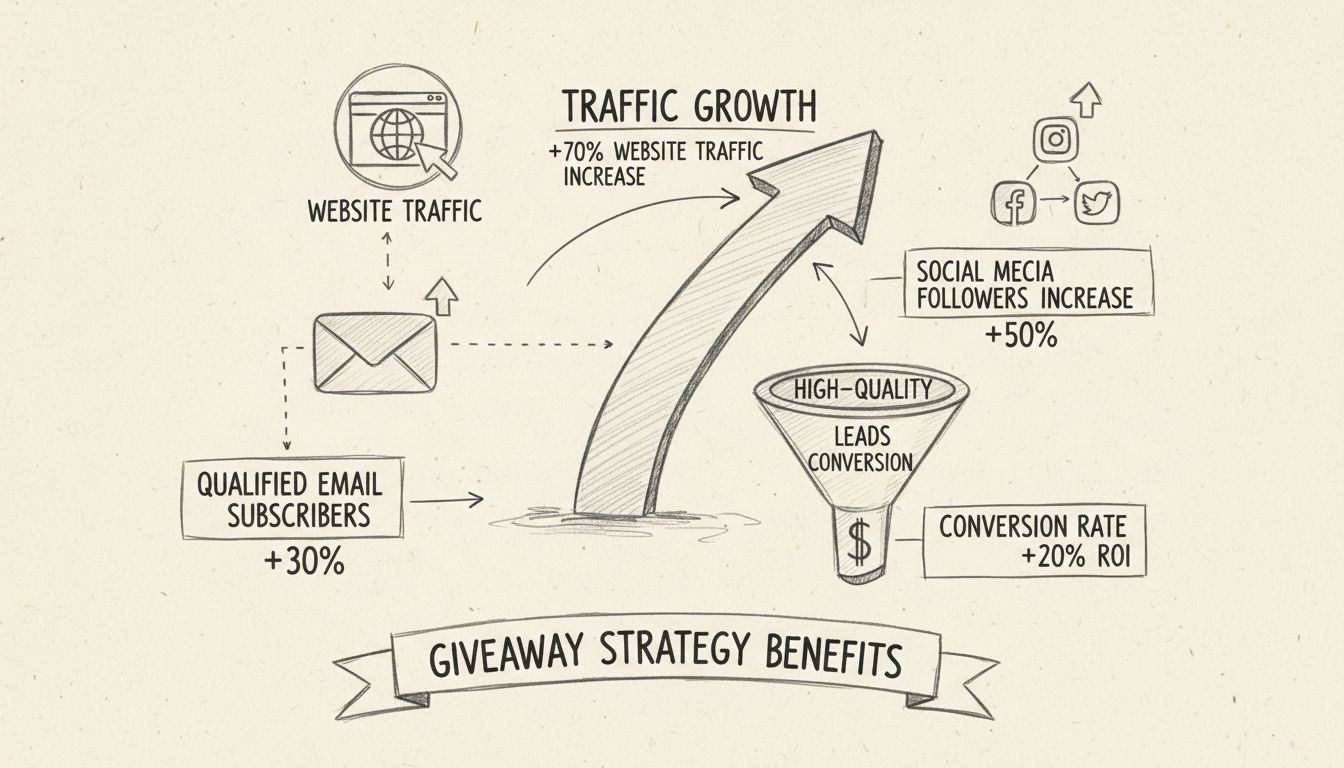
How Can Giveaways Help Affiliate Marketers?
Discover how giveaways boost affiliate marketing success. Learn proven strategies to increase traffic, grow email lists, build social followers, and generate hi...
9 min read

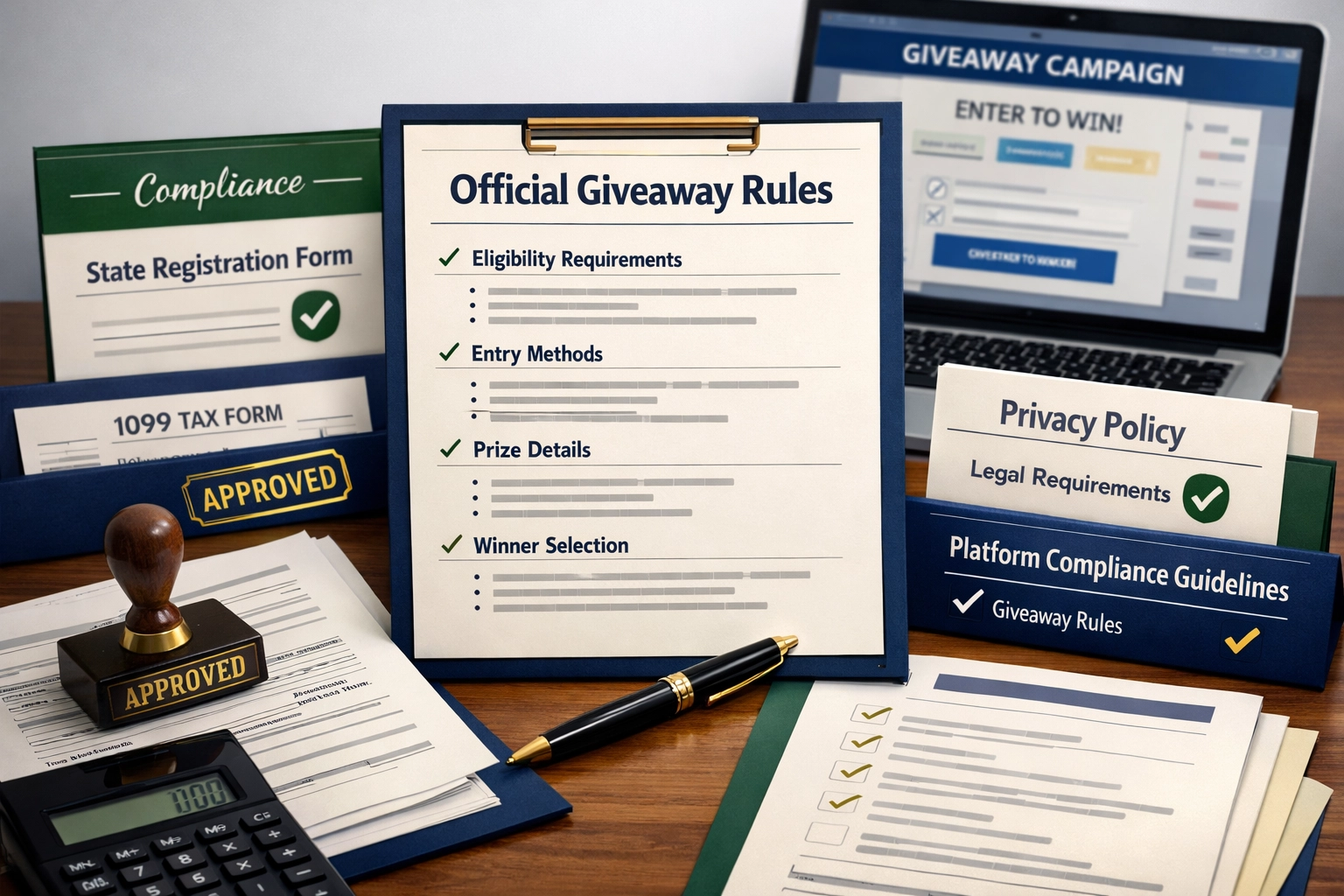
essential legal requirements for hosting giveaways including official rules, state registration, tax compliance, and platform-specific guidelines to avoid

Giveaways have become one of the most powerful engagement tools for brands and creators across digital platforms. The statistics are compelling: giveaway posts generate 64 times more comments than standard posts, and 91% of all posts with over 1,000 comments are giveaway-related. This explosive engagement potential has led U.S. businesses to invest approximately $17 billion annually in product giveaways. However, this popularity comes with significant legal responsibilities that many organizers overlook. Running a giveaway without proper legal compliance can expose your business to fines, legal disputes, reputational damage, and even criminal liability in some jurisdictions. This comprehensive guide walks you through every legal consideration you need to understand before launching your next promotion, ensuring you can harness the engagement power of giveaways while protecting your brand and respecting your audience.
Before launching any promotional campaign, you must understand how U.S. law categorizes different types of promotions, as each category has distinct legal requirements and restrictions. Legally speaking, most promotional activities fall into three distinct categories: lotteries, giveaways (sweepstakes), and contests. A lottery is defined by the presence of three specific elements: a prize, chance (random selection), and consideration (payment or purchase requirement). When all three elements are present, a promotion is classified as a lottery, which is illegal under both state and federal law except for state-run lotteries and licensed charitable raffles. A giveaway or sweepstakes, by contrast, involves a prize and chance but eliminates the consideration element, making it legal in most jurisdictions. A contest differs fundamentally by involving skill rather than chance—winners are determined based on merit, creativity, or objective criteria rather than random selection. Understanding these distinctions is critical because misclassifying your promotion can result in serious legal consequences. The key to staying compliant is recognizing which category your promotion falls into and structuring it accordingly to remove any illegal elements.
The “no purchase necessary” rule is one of the most important legal requirements for giveaways in the United States and many other jurisdictions. This rule exists to prevent your giveaway from being classified as an illegal lottery by removing the “consideration” element. In legal terms, consideration refers to something of value that a participant must provide or do to enter—this can be monetary (like purchasing a product or paying an entry fee) or non-monetary (like spending considerable time or effort creating content). If your giveaway structure involves any form of consideration, you must provide an Alternative Method of Entry (AMOE) that allows participants to enter without providing that consideration on substantially equal terms. For example, if you’re running a “purchase to enter” promotion where customers who buy your product are automatically entered, you must also allow people to enter for free by submitting their name and email address through an equally accessible method. The AMOE must be truly equivalent—not buried in fine print, not requiring excessive effort, and not significantly less convenient than the purchase-based entry method. Common mistakes include making the free entry method harder to find, requiring more information than the paid entry, or limiting the number of free entries while allowing unlimited paid entries. Properly structuring your AMOE is essential for legal compliance and demonstrates good faith to your participants.
Official rules serve as the binding legal contract between you and your giveaway participants, making them absolutely essential for any legitimate promotion. These rules cannot be changed once your giveaway has begun, so they must be carefully drafted before launch. Your official rules must include at least eleven critical elements: (1) your sponsor name and address, (2) clear eligibility requirements including age and geographic restrictions, (3) specific start and end dates, (4) detailed entry methods including a no-purchase method, (5) any limitations on entries per person or household, (6) the odds of winning (or a statement that odds depend on the number of entries), (7) a complete description and approximate retail value of each prize, (8) the method for selecting and notifying winners, (9) any restrictions on receiving the prize, (10) a “void where prohibited” clause listing jurisdictions where the giveaway cannot be offered, and (11) your contact information for questions or disputes. Common mistakes in rule writing include being vague about eligibility, failing to specify how winners will be selected, not clearly stating the prize value, and omitting important disclaimers. Your official rules should be easily accessible to all participants—typically published on your website, in the giveaway post caption, or through a dedicated landing page. The rules must be written in clear, understandable language and should address potential contingencies like technical difficulties or printing errors. Having comprehensive, well-drafted official rules protects both you and your participants by establishing clear expectations and reducing the likelihood of disputes.
Several U.S. states impose additional procedural requirements for giveaways that go beyond federal law, and failing to comply with these requirements can result in civil penalties and even voiding of your promotion. Florida, New York, and Rhode Island are the most restrictive states, each requiring registration and bonding for giveaways exceeding certain prize thresholds. In Florida and New York, you must register any sweepstakes where the total retail value of all prizes exceeds $5,000, and you must post a surety bond equal to the total prize value with the state. Rhode Island has a lower threshold of $500 for retail store promotions. These registrations must be filed before the giveaway begins, and the specific filing procedures and deadlines vary by state. For example, Florida requires filing with the Department of Agriculture & Consumer Services, while New York requires filing with the Department of State. If your giveaway is bonded, you must also submit a winners list to the state after the promotion concludes. Other states may have additional requirements such as winner list posting or extended record retention periods. Before launching any giveaway, research the specific requirements of every state where your participants reside. If you’re unsure about your state’s requirements, consulting with a local attorney who specializes in promotional law is a worthwhile investment that can prevent costly compliance violations.
Prizes awarded through giveaways are treated as taxable income to the winners, and you have specific obligations to report this income to the IRS. When the total prize value from your company to a single winner in a calendar year reaches $600 or more, you are required to issue a Form 1099-MISC to that winner and file a copy with the IRS. Before awarding any prize valued at $600 or more, you must collect a completed W-9 form from the winner, which provides their tax identification number. This form is essential for proper tax reporting and helps you fulfill your legal obligations. You should also clearly communicate to winners that prizes are taxable income and that they may be responsible for paying taxes on the prize value. For high-value prizes, you may want to consult with a tax professional about whether to withhold taxes before awarding the prize or to handle it differently. International winners present additional complexity, as different countries have different tax treaties and reporting requirements with the United States. If you’re awarding prizes to international winners, you may need to issue different tax forms or handle reporting differently depending on the winner’s country of residence. Proper tax handling demonstrates professionalism and protects both you and your winners from future tax complications.
Each major social media platform has its own specific rules and requirements for giveaways and promotions, and these rules apply in addition to applicable laws. Instagram and Facebook require that you include a clear disclaimer stating that the promotion is not sponsored, endorsed, or administered by Meta (the parent company), and that you release Instagram/Facebook from any liability related to the giveaway. This disclaimer must appear in both your official rules and in the promotional post caption or landing page. YouTube holds the channel owner responsible for compliance with all applicable laws and its own Official Rules, requiring similar disclaimers about YouTube’s non-involvement. TikTok has specific requirements for promotional content, including clear disclosure of the promotional nature and compliance with its community guidelines. X (formerly Twitter) and Twitch also maintain detailed promotion policies that govern how giveaways can be conducted on their platforms. LinkedIn and Pinterest have their own specific requirements, though they’re generally less restrictive than Instagram or Facebook. Violating platform-specific rules can result in your post being removed, your account being suspended, or even permanent bans from the platform. Before launching any giveaway, carefully review the current terms of service and promotion guidelines for every platform where you’ll be promoting the giveaway. Platform policies change frequently, so it’s worth checking the official policy pages directly rather than relying on outdated information.
The Federal Trade Commission (FTC) enforces strict rules about endorsements and sponsored content, and these rules apply fully to giveaways and contests. If you’re running a giveaway in partnership with a brand or if you have any material connection to a sponsor, you must comply with the FTC Endorsement Guides, which require clear and conspicuous disclosure of that relationship. A material connection includes any relationship that might materially affect the weight or credibility of an endorsement—this includes payment, free products, affiliate relationships, or any other benefit. Your disclosure must appear “above the fold,” meaning it should be visible before a user has to click “see more” or scroll down. Use plain, unambiguous language and hashtags such as #ad, #sponsored, #contest, or #sweepstakes so that viewers immediately understand the promotional nature of the content. Vague or buried disclosures don’t satisfy FTC requirements. The FTC actively monitors social media for non-compliant promotions and has issued warnings and fines to brands and creators who fail to properly disclose material connections. Proper FTC compliance not only keeps you legally safe but also builds trust with your audience by being transparent about sponsored content. This transparency is increasingly expected by consumers and can actually enhance your credibility rather than diminish it.
When you collect personal information from giveaway participants—such as names, email addresses, phone numbers, or social media handles—you must comply with applicable data protection laws. For participants in the European Union, you must comply with the General Data Protection Regulation (GDPR), which gives individuals extensive rights over their personal data. For participants in California, you must comply with the California Consumer Privacy Act (CCPA) and its successor, the California Privacy Rights Act (CPRA). These laws require you to clearly disclose what personal data you’re collecting, how you’ll use it, how long you’ll retain it, and what rights participants have regarding their data. You must obtain explicit consent before using participant data for marketing purposes beyond the giveaway itself. Participants have the right to access, delete, or port their data, and you must be able to honor these requests within specified timeframes. Your privacy policy should be easily accessible and written in clear language that participants can understand. If you’re collecting data from international participants, you may need to comply with multiple privacy regimes, which can be complex. Many businesses choose to limit their giveaways to specific countries to simplify compliance, or they work with legal counsel to ensure they’re meeting all applicable privacy requirements. Proper data handling not only keeps you compliant but also protects your participants and builds trust in your brand.
Running a truly “worldwide” giveaway is rarely as simple as launching a single promotion and opening it to all countries. Almost every jurisdiction has laws regulating promotions, and these laws vary dramatically in their requirements and restrictions. Italy, for example, classifies most giveaways and contests as regulated prize events and requires organizers to appoint a local representative, file a notice with authorities, provide a bond equal to the prize value, translate all official rules into Italian, conduct drawings before a notary public, and donate any unclaimed prizes to charity. Mexico requires promotion organizers to obtain authorization from its Federal Consumer Protection Agency (PROFECO) and translate all promotional materials into Spanish. Mexico also requires government oversight of prize draws and delivery when prize values exceed certain thresholds. Canada has federal and provincial regulations that vary by province, and the United Kingdom has specific requirements under its gambling and lotteries laws. Given the administrative burden and legal costs of compliance in multiple jurisdictions, many businesses find it more practical to either exclude certain countries from their giveaways or to run separate, localized promotions with the support of local legal counsel in each target market. If you do decide to run an international giveaway, budget for professional legal review in each country where you plan to operate, and be prepared for significantly higher administrative costs and complexity compared to a domestic-only promotion.
To ensure you’re covering all the essential legal bases before launching your giveaway, follow this comprehensive checklist of critical compliance steps. 60 days before launch: Draft comprehensive official rules tailored to your specific promotion, research state registration requirements for all states where participants will reside, and determine if your giveaway requires bonding. 30 days before launch: Prepare platform-specific disclaimers for each social media platform where you’ll promote the giveaway, create or update your privacy policy to address data collection from participants, and review FTC guidelines to ensure proper disclosure of any material connections. 14 days before launch: Collect W-9 forms from any potential winners (or prepare to collect them immediately after selection), test all entry mechanisms to ensure they work properly, and have a legal professional review your official rules if the prize value is substantial. At launch: Publish your official rules prominently, include all required disclaimers on promotional posts, and document your winner selection process. After the giveaway: Retain all entry materials and documentation for at least 4 years, issue Form 1099-MISC to winners with prizes valued at $600 or more, and submit winners lists to any states that require them. When in doubt—especially with high-value prizes or complex legal jurisdictions—consulting with an attorney who specializes in promotional law is a worthwhile investment that can prevent costly compliance violations and protect your business.
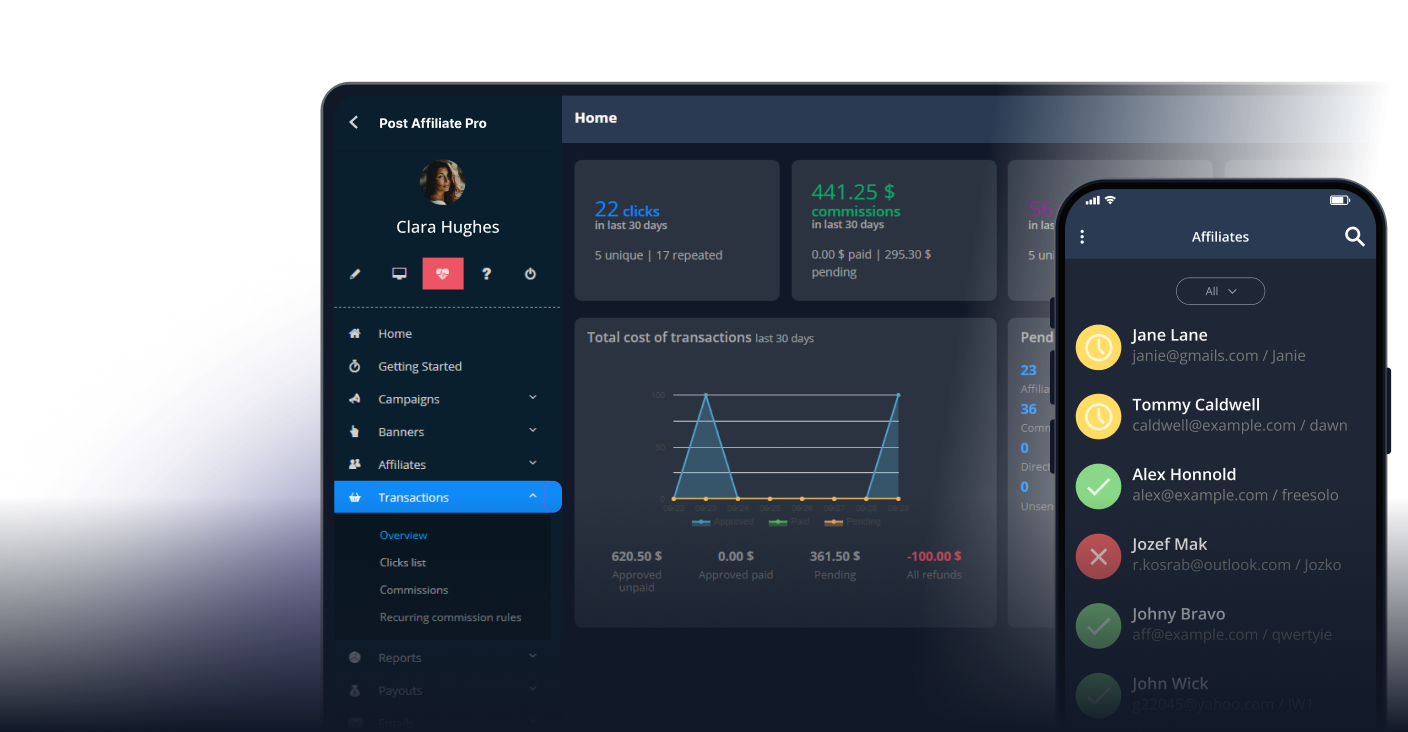
Running a giveaway or contest can be an incredibly effective way to connect with your audience, drive engagement, and grow your business, but it’s essential to do so thoughtfully and with a complete understanding of applicable legal requirements. The legal landscape for promotions is complex and varies significantly by jurisdiction, platform, and promotion type, but the fundamental principles remain consistent: transparency, fairness, and compliance with applicable laws. By establishing clear official rules, understanding the distinction between giveaways and lotteries, properly disclosing material connections, protecting participant data, and following platform-specific guidelines, you can run promotions that not only comply with the law but also build trust and credibility with your audience. PostAffiliatePro provides built-in tools to help you manage compliant giveaways and affiliate promotions, including features for tracking entries, managing winners, and ensuring regulatory adherence all in one integrated platform. Whether you’re a content creator, brand manager, or affiliate marketer, taking the time to understand and implement proper legal compliance transforms giveaways from a risky marketing tactic into a powerful, sustainable growth strategy.
Manage compliant giveaways and affiliate promotions with built-in legal compliance features. Track entries, manage winners, and ensure regulatory adherence all in one platform.
Discover how giveaways boost affiliate marketing success. Learn proven strategies to increase traffic, grow email lists, build social followers, and generate hi...

Master betting content compliance and conversion optimization. Learn strategies for sports betting and iGaming marketing while staying compliant.
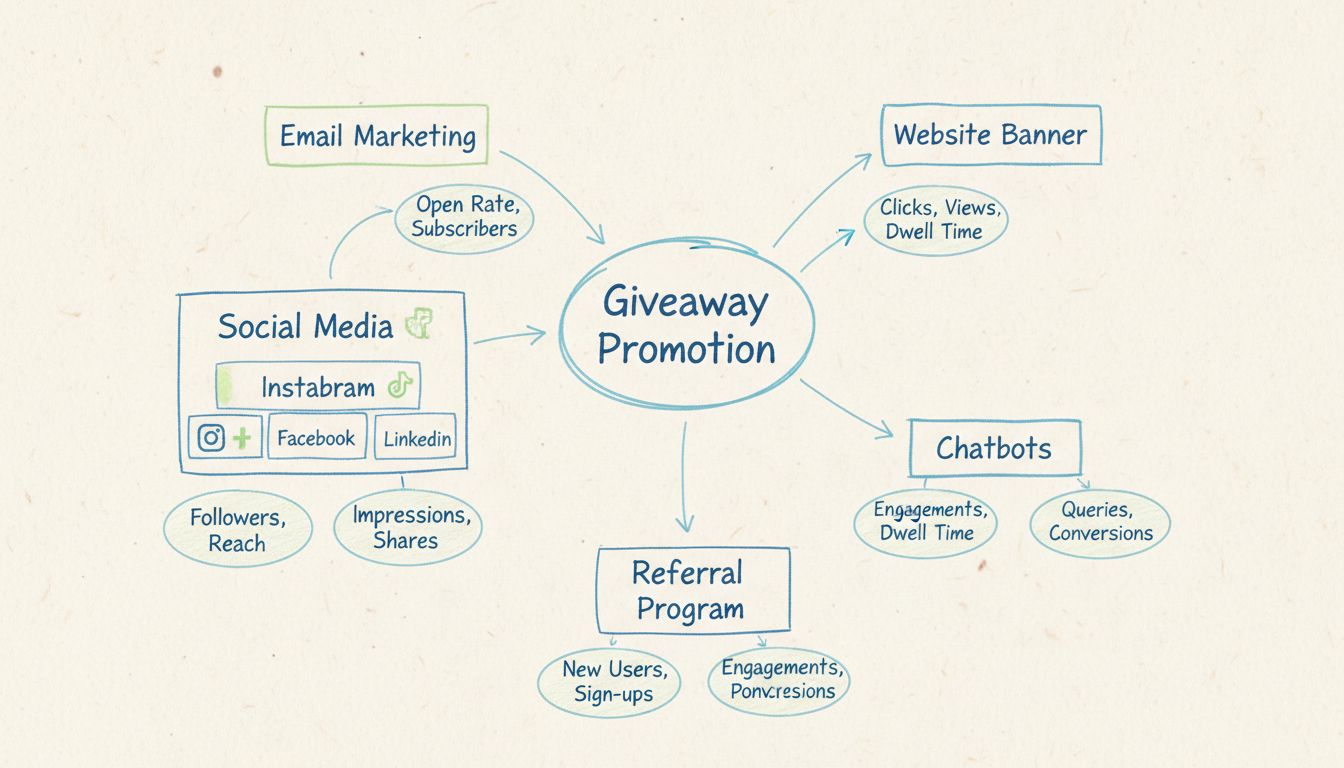
Learn proven strategies to promote your giveaway across email, social media, website, and chatbots. Maximize reach and engagement with PostAffiliatePro's affili...
Join our community of happy clients and provide excellent customer support with Post Affiliate Pro.



Cookie Consent
We use cookies to enhance your browsing experience and analyze our traffic. See our privacy policy.