


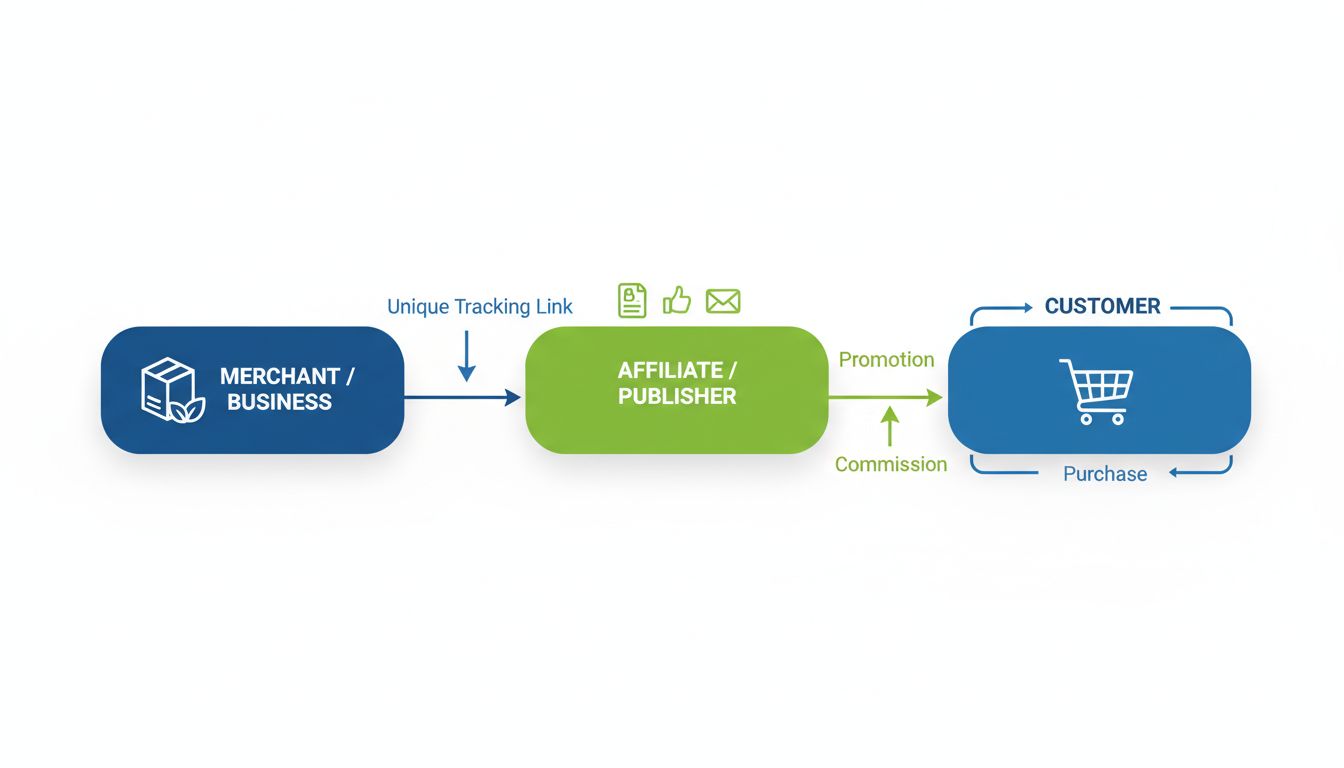
What is an Affiliate Marketing Program?
Learn what affiliate marketing programs are, how they work, and why they're essential for business growth. Discover commission structures, benefits, and best pr...
11 min read


how to setup a successful affiliate program with our comprehensive guide. commission structures, recruitment strategies, tracking
An affiliate program is a performance-based marketing model where businesses reward external partners (affiliates) for driving specific actions such as sales, leads, or clicks. Affiliates promote your products or services through their own channels—websites, social media, email lists, or content platforms—and earn commissions only when their efforts result in measurable outcomes. The affiliate marketing industry has experienced explosive growth, with global spending reaching $15.7 billion in 2024 and projected to exceed $17 billion in 2026, representing a compound annual growth rate that demonstrates the model’s effectiveness for both merchants and partners.

Launching an affiliate program provides multiple strategic advantages that extend your marketing reach without significant upfront investment. Here are the key benefits:
This model allows businesses to grow exponentially while maintaining strict control over marketing spend and ROI.
| Aspect | Affiliate Program | Traditional Ads |
|---|---|---|
| Cost Structure | Pay only for results | Pay upfront regardless of results |
| Reach | Access to established audiences | Limited by ad budget |
| Credibility | Trusted recommendations | Perceived as promotional |
| Scalability | Grows with affiliate network | Limited by budget constraints |
| ROI Tracking | Precise attribution per affiliate | Difficult to track accurately |

Set up advanced tracking in minutes. No credit card required.
Establishing well-defined goals is fundamental to affiliate program success, as they provide direction and measurable benchmarks for evaluating performance. Your goals should encompass both financial targets—such as revenue growth, average order value, or customer lifetime value—and operational metrics like the number of active affiliates, conversion rates, and program profitability. Key Performance Indicators (KPIs) should include metrics such as affiliate-driven revenue, cost per acquisition, conversion rate (industry average is approximately 2.9%), return on ad spend (ROAS), and affiliate retention rate. Setting realistic yet ambitious targets ensures your program remains competitive while maintaining healthy margins, and regular quarterly reviews allow you to adjust strategies based on actual performance data and market conditions.
Choosing an appropriate affiliate management software is critical to program success, as it handles tracking, commission calculations, affiliate communications, and performance analytics. Leading platforms like PostAffiliatePro offer comprehensive features including real-time tracking, automated commission payouts, customizable commission structures, fraud detection, and detailed reporting dashboards. When evaluating software, prioritize features such as multi-tier commission support, cookie-based and server-to-server tracking options, integration capabilities with your existing systems (CRM, payment processors, e-commerce platforms), and robust affiliate portal functionality. The platform should also provide transparent reporting that affiliates can access in real-time, as this transparency builds trust and encourages higher performance. Consider whether you need cloud-based solutions for scalability or self-hosted options for greater control, and ensure the platform complies with data protection regulations like GDPR and CCPA.

Be the first to know about new features and product updates.
Your commission structure is the financial framework that determines affiliate earnings and directly impacts program competitiveness and profitability. The three primary models are Pay-Per-Sale (PPS), where affiliates earn a percentage (typically 5-25% depending on industry) or flat fee for each completed purchase; Pay-Per-Click (PPC), where affiliates earn for driving traffic regardless of conversion; and Pay-Per-Lead (PPL), where compensation is based on qualified leads generated. Industry benchmarks show that e-commerce typically offers 5-10% commissions, SaaS averages 20-30%, and digital products range from 20-50%, reflecting the varying profit margins across sectors. Cookie duration—the tracking window during which a conversion is attributed to an affiliate—typically ranges from 7 to 90 days, with 30 days being the industry standard for most programs. Consider implementing tiered commission structures that reward top performers with higher rates, incentivizing affiliates to increase their promotional efforts and driving program growth.
Comprehensive program policies protect both your business and affiliates while ensuring regulatory compliance and maintaining brand integrity. Your affiliate agreement should clearly outline prohibited marketing practices (such as trademark bidding, misleading claims, or spam), disclosure requirements mandating that affiliates clearly identify sponsored content in compliance with FTC guidelines, payment terms and conditions, and grounds for program termination. Legal compliance is non-negotiable—ensure your program adheres to FTC regulations regarding endorsement disclosures, GDPR requirements for European affiliates, and any industry-specific regulations applicable to your business. Include clauses addressing intellectual property rights, confidentiality, liability limitations, and dispute resolution procedures. Having a legal professional review your affiliate agreement before launch protects your business from potential violations and establishes clear expectations that reduce conflicts with partners.
Successful affiliate recruitment begins with identifying potential partners whose audiences align with your target market and whose promotional methods match your brand values. Recruit affiliates through multiple channels including industry-specific affiliate networks, direct outreach to relevant content creators and influencers, partnerships with complementary businesses, and your own website’s affiliate signup page. Implement a vetting process that evaluates applicants based on audience quality, promotional methods, traffic sources, and brand alignment—rejecting applications from affiliates using questionable tactics protects your reputation and ensures program quality. Your application process should be straightforward but thorough, requesting information about their traffic sources, audience demographics, promotional channels, and marketing experience. Building relationships with high-quality affiliates from the start creates a foundation for long-term partnerships that drive consistent, sustainable revenue growth.
Effective onboarding sets the tone for affiliate success and directly impacts their motivation and performance. Provide new affiliates with comprehensive welcome materials including program overview, commission structure details, promotional guidelines, and brand assets (logos, product images, sample copy). Schedule orientation sessions or webinars to answer questions, demonstrate the affiliate dashboard, explain tracking mechanisms, and discuss promotional best practices. Ensure affiliates have easy access to marketing resources such as product descriptions, email templates, banner ads, landing pages, and social media content that they can customize for their audiences. Ongoing support through dedicated account managers, regular communication, and responsive customer service builds strong relationships and encourages affiliates to prioritize your program over competitors. Affiliates who feel supported and equipped with quality resources consistently outperform those left to figure things out independently.
Accurate tracking and analytics are essential for measuring program effectiveness, identifying top performers, and optimizing your strategy. Monitor critical metrics including click-through rate (CTR), conversion rate, average order value, customer lifetime value, affiliate-driven revenue, cost per acquisition, and return on ad spend. Your affiliate platform should provide real-time dashboards showing individual affiliate performance, traffic sources, conversion funnels, and commission earnings, enabling both you and your affiliates to identify optimization opportunities. Implement fraud detection mechanisms to identify suspicious activity such as bot traffic, cookie stuffing, or incentivized clicks that artificially inflate metrics without generating genuine customers. Regular performance reviews—conducted monthly or quarterly—allow you to recognize top affiliates, identify underperformers who need additional support or removal, and adjust commission structures or promotional strategies based on data-driven insights.
As your program matures, focus on scaling and optimization to maximize revenue while maintaining healthy margins and affiliate satisfaction. Implement tiered commission structures that reward top-performing affiliates with higher rates, creating motivation for increased effort and loyalty—for example, offering 10% base commission with increases to 15% and 20% at specific revenue thresholds. Introduce performance bonuses, seasonal incentives, or exclusive promotions for your highest-value partners to maintain engagement and encourage continued growth. Continuously test and optimize your commission rates, promotional materials, and program policies based on performance data and affiliate feedback. Expand your recruitment efforts to include new affiliate categories such as micro-influencers, niche bloggers, or strategic partnerships that reach untapped audience segments. Regular communication, recognition of achievements, and transparent performance reporting foster a community of motivated affiliates who view your program as a valuable income stream worth prioritizing.

Setting up a successful affiliate program requires careful planning, the right technology infrastructure, and ongoing management, but the rewards justify the effort. By following this comprehensive guide—from defining clear goals and selecting appropriate software to recruiting quality affiliates and continuously optimizing performance—you’ll build a sustainable revenue channel that scales with your business. The key to long-term success is treating affiliates as true partners, providing them with excellent support and competitive compensation, and maintaining transparent communication throughout your relationship.
PostAffiliatePro stands out as a leading solution for businesses of all sizes looking to launch and manage affiliate programs effectively. With its advanced tracking capabilities, automated commission payouts, fraud prevention features, and intuitive dashboard, PostAffiliatePro eliminates the complexity of affiliate management and lets you focus on growing your business. Whether you’re just starting your first affiliate program or scaling an existing one, the right platform and strategy will help you unlock significant growth potential and build lasting partnerships with your affiliates.
The cost varies depending on your approach. Using affiliate management software like PostAffiliatePro typically ranges from $50-500+ per month depending on features and scale. You'll also need to budget for affiliate commissions, which are performance-based, so you only pay when results are delivered. Many businesses find the ROI justifies the investment quickly.
Commission rates vary by industry. E-commerce typically offers 5-10%, SaaS averages 20-30%, and digital products range from 20-50%. Consider your profit margins and competitive landscape. A good benchmark is offering enough to motivate affiliates while maintaining healthy margins. Many successful programs use tiered structures that reward top performers with higher rates.
Cookie duration—the tracking window for attributing conversions—typically ranges from 7 to 90 days. The industry standard is 30 days, which balances fairness to affiliates with realistic customer purchase timelines. Longer durations (60-90 days) work well for high-consideration purchases, while shorter windows (7-14 days) suit impulse purchases.
Affiliate networks like ShareASale or CJ Affiliate provide a marketplace connecting merchants with pre-vetted affiliates but charge higher fees. Standalone software like PostAffiliatePro gives you complete control over your program, lower costs, and direct affiliate relationships. Choose networks for quick scaling with less management; choose standalone software for customization and cost efficiency.
Implement fraud detection by monitoring for suspicious patterns like bot traffic, cookie stuffing, or unusually high conversion rates. Use affiliate management software with built-in fraud prevention, vet affiliates carefully before approval, set minimum conversion time thresholds, and ban VPN/proxy traffic. Regular audits and performance reviews help identify fraudulent activity early.
Key metrics include click-through rate (CTR), conversion rate (aim for 2-3%), average order value (AOV), customer lifetime value, affiliate-driven revenue, cost per acquisition (CPA), and return on ad spend (ROAS). Track these by individual affiliate, traffic source, and time period. Use this data to identify top performers, optimize commissions, and improve overall program performance.
Recruit through multiple channels: affiliate networks, direct outreach to relevant influencers and content creators, partnerships with complementary businesses, and your website's affiliate signup page. Vet applicants based on audience quality, promotional methods, traffic sources, and brand alignment. Look for affiliates with engaged audiences in your niche rather than just large follower counts.
Yes, absolutely. Small businesses can successfully run affiliate programs, especially in niche markets. Start with a modest commission structure, recruit 5-10 quality affiliates in your niche, and use affordable software like PostAffiliatePro. Focus on building strong relationships with a few high-quality partners rather than managing hundreds of low-performing affiliates.
PostAffiliatePro provides everything you need to setup, manage, and scale your affiliate program with advanced tracking, automated payouts, and fraud prevention.
Learn what affiliate marketing programs are, how they work, and why they're essential for business growth. Discover commission structures, benefits, and best pr...
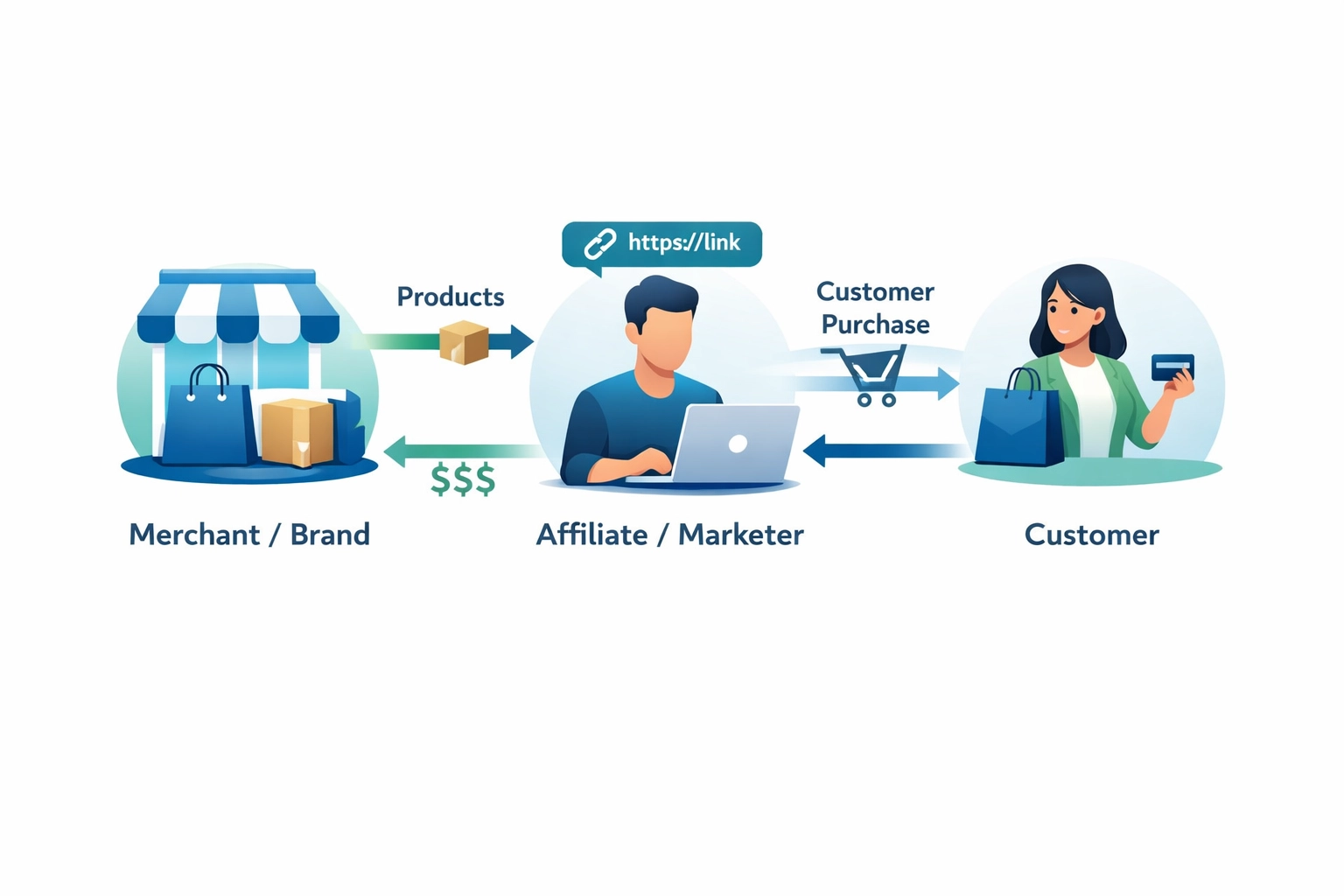
how to launch a profitable affiliate marketing campaign from scratch. niche selection, platform building, program selection

Explore affiliate marketing benefits for brands: cost-effective growth, increased reach, trust-building, and measurable ROI.
Join our community of happy clients and provide excellent customer support with Post Affiliate Pro.




Cookie Consent
We use cookies to enhance your browsing experience and analyze our traffic. See our privacy policy.