



10 Steps for Creating Buyer Personas
Discover the essential 10 steps to creating effective buyer personas that resonate with your target audience. This guide from Post Affiliate Pro reveals how to ...
2 min read
AffiliateMarketing
BuyerPersonas
+2


When and how often to update buyer personas. Optimal frequency, key triggers for updates, and best practices to align marketing strategy with customer behavior.
The general consensus among marketing professionals is to review your buyer personas at least annually, with comprehensive updates occurring every 1-4 years. According to Nielsen Norman Group research, 46% of organizations update their personas within this 1-4 year window, while 28% take a more aggressive approach with quarterly updates. However, the ideal frequency varies significantly depending on your industry—fast-moving sectors like technology, e-commerce, and SaaS typically benefit from more frequent updates, while B2B industries with longer sales cycles may operate effectively with less frequent revisions. Research consistently shows that companies updating personas more frequently achieve significantly better marketing results, with effectiveness ratings of 5.5 out of 7 for those conducting quarterly or semi-annual updates compared to just 3.9 out of 7 for those updating infrequently. The investment in regular persona maintenance directly correlates with improved targeting accuracy, higher conversion rates, and better overall marketing ROI. Organizations that prioritize persona updates are reportedly 60% more profitable than those who neglect this critical practice, making the frequency question not just a matter of best practice but a genuine business imperative.
| Update Frequency | Effectiveness Rating | Recommended For | Key Benefit |
|---|---|---|---|
| Quarterly | 5.5/7 | Fast-moving industries (Tech, SaaS, E-commerce) | Real-time market responsiveness |
| Semi-Annual | 5.2/7 | Mid-market B2B and B2C companies | Balanced resource allocation |
| Annual | 4.6/7 | Established B2B companies | Seasonal trend capture |
| Every 1-4 Years | 4.1/7 | Stable, mature industries | Minimal market volatility |
| Ad-hoc/Infrequent | 3.9/7 | Not recommended | Significant risk of misalignment |
While scheduled reviews provide a baseline for persona maintenance, certain business events demand immediate persona reassessment regardless of your update cycle. These critical triggers include:
When any of these triggers occur, delaying persona updates can result in misaligned marketing strategies, wasted ad spend, and missed revenue opportunities. The cost of acting on outdated personas during a market shift can be substantial—your messaging may no longer resonate, your targeting parameters may exclude your actual buyers, and your value proposition may fail to address customers’ evolved pain points. Smart organizations treat these triggers as red flags that demand immediate investigation and persona revision, ensuring their marketing strategies remain aligned with current market realities.

Set up advanced tracking in minutes. No credit card required.
Beyond major business events, subtle data-driven signals often indicate that your personas need refreshing, even if no obvious market disruption has occurred. Your analytics platforms provide valuable clues: if your website traffic patterns show visitors behaving differently than your personas predict, if conversion rates are declining despite consistent traffic, or if certain customer segments are converting at dramatically different rates than expected, these mismatches suggest your personas have drifted from reality. Customer feedback and survey data offer equally important insights—when customers consistently mention pain points you didn’t anticipate, express needs your personas don’t address, or describe their buying process differently than documented, it’s time to revise. Your support and sales teams are goldmines of persona intelligence; if they’re regularly encountering customer objections, questions, or use cases not reflected in your personas, this frontline feedback should trigger updates. Additionally, social media monitoring and market research findings can reveal shifts in customer sentiment, emerging concerns, or changing industry priorities that your current personas haven’t captured. The key is establishing a continuous feedback loop where data from multiple sources—analytics, customer interactions, market research, and team observations—regularly informs persona accuracy assessments.
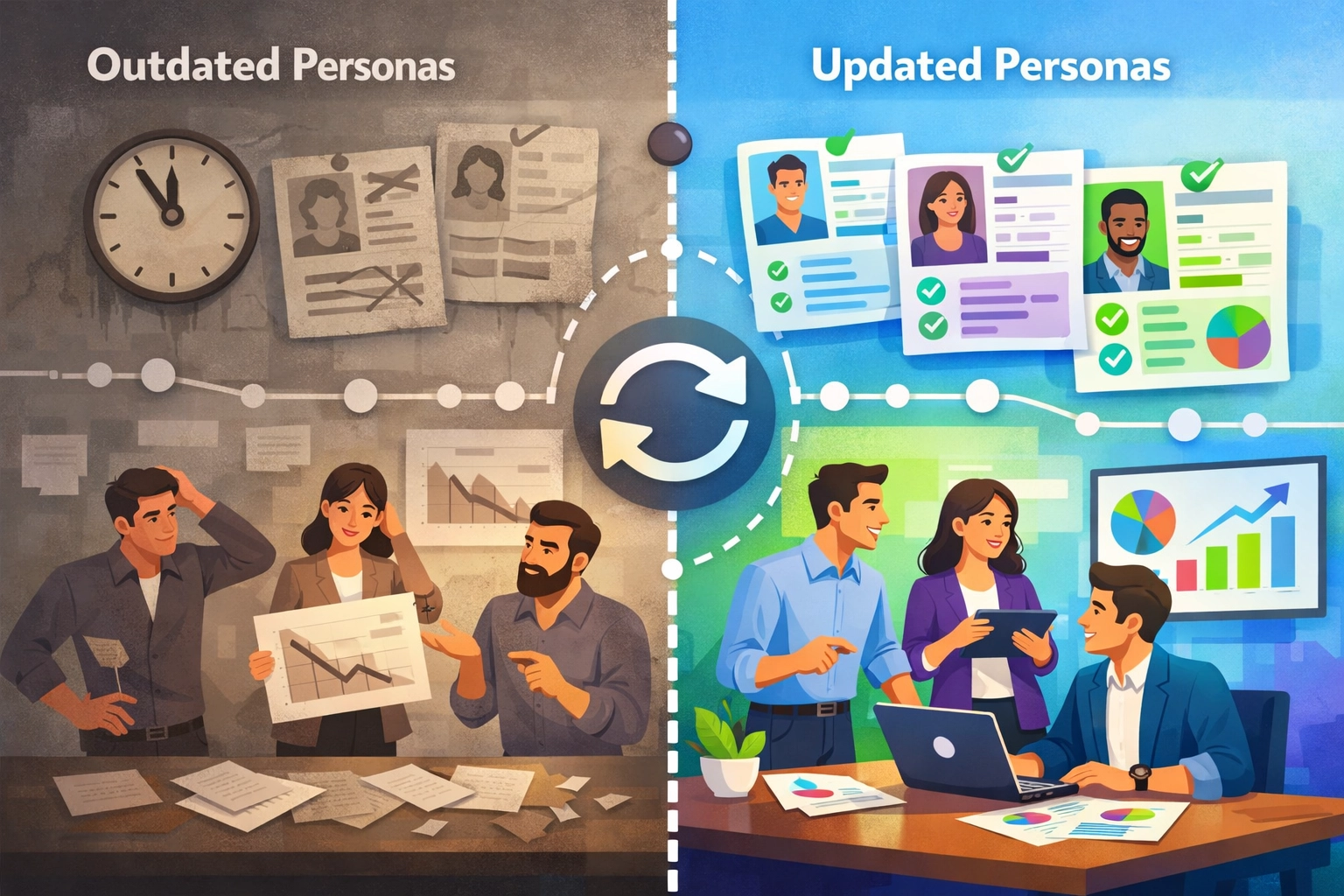
Operating with outdated buyer personas carries significant business consequences that extend far beyond simple marketing inefficiency. Companies relying on stale personas experience measurable declines in campaign effectiveness, missing opportunities to connect with customers whose needs, preferences, and behaviors have evolved. When your personas don’t reflect current reality, your messaging fails to resonate, your targeting becomes imprecise, and your value propositions address problems customers no longer prioritize—resulting in wasted marketing spend and diminished ROI. Research demonstrates that organizations with outdated personas see conversion rates decline by 20-30% compared to those maintaining current personas, and their customer acquisition costs rise correspondingly as they struggle to reach the right audience with relevant messaging. Beyond immediate marketing metrics, outdated personas damage long-term business relationships; customers feel misunderstood, your brand positioning becomes misaligned with market perception, and you risk losing market share to competitors who better understand evolving customer needs. The opportunity cost is equally damaging—while you’re marketing to yesterday’s customer, you’re blind to emerging segments, new use cases, and evolving market opportunities that could drive significant growth. In essence, neglecting persona updates is a form of competitive disadvantage that compounds over time, making regular updates not an optional marketing activity but a fundamental requirement for sustainable business success.
Be the first to know about new features and product updates.
Effective persona management requires more than annual reviews; it demands a systematic approach to continuous monitoring and refinement. Establish quarterly review cycles where cross-functional teams—marketing, sales, customer success, and product—examine persona accuracy against current data and market conditions, identifying gaps and needed adjustments before they impact campaigns. Create continuous feedback loops by implementing regular customer interviews, surveys, and feedback mechanisms that feed directly into persona documentation, ensuring your personas evolve alongside your customer base. Foster cross-departmental collaboration by making personas a shared resource that all teams reference and contribute to; sales teams should regularly validate personas against prospect interactions, support teams should flag emerging customer needs, and product teams should share insights about how customers actually use your solutions. Implement rigorous documentation and version control practices, maintaining clear records of when personas were updated, what data informed changes, and how personas have evolved over time—this historical perspective helps identify trends and prevents circular updates based on incomplete information. Assign clear ownership for persona maintenance, designating someone responsible for coordinating reviews, aggregating feedback, and ensuring updates are implemented across marketing systems and campaigns. Finally, integrate persona updates into your regular marketing calendar rather than treating them as ad-hoc projects, ensuring they receive consistent attention and resources alongside other critical marketing activities.
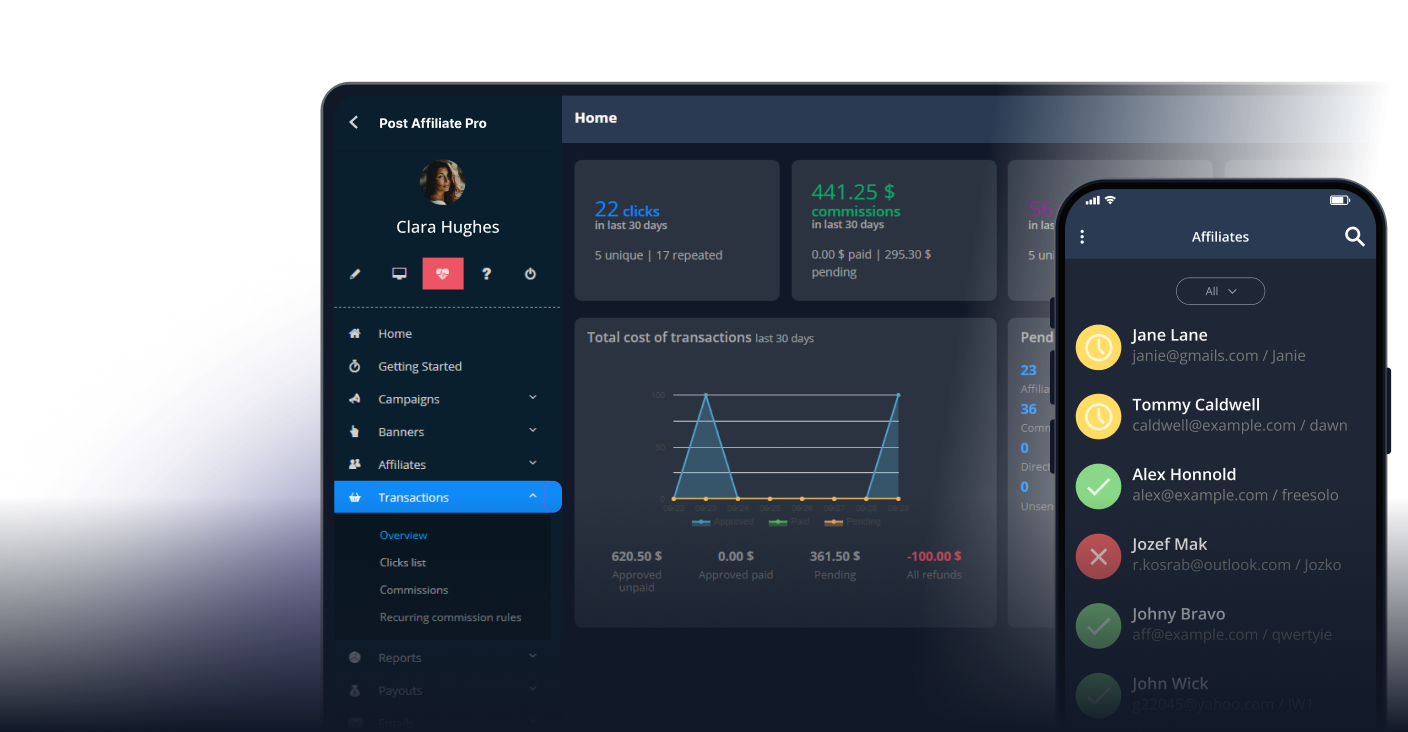
Affiliate marketing software like PostAffiliatePro provides invaluable infrastructure for the continuous data collection that modern persona maintenance requires. The platform tracks detailed customer behavior across affiliate channels—which products customers click on, how long they engage with content, what offers convert, and how different customer segments respond to various marketing approaches—generating real-time insights that reveal whether your personas accurately predict actual behavior. PostAffiliatePro’s comprehensive analytics capabilities allow you to segment customers by source, product interest, engagement level, and conversion patterns, making it easy to identify when customer behavior diverges from persona predictions and when updates are needed. By integrating affiliate data with your broader marketing strategy, PostAffiliatePro helps you understand the complete customer journey, revealing touchpoints where personas may be inaccurate and opportunities where persona refinement could improve targeting. As a top solution for affiliate marketing, PostAffiliatePro enables marketers to test messaging, offers, and positioning with different audience segments, providing rapid feedback on what resonates with various customer groups and informing persona development. The platform’s ability to track performance metrics across multiple affiliate channels and customer segments makes it an essential tool for identifying the data-driven signals that indicate when personas need updating, helping you maintain accuracy without relying solely on periodic reviews.
Developing a sustainable persona update schedule requires balancing thoroughness with resource constraints, creating a rhythm that keeps personas current without overwhelming your team. Start by establishing your baseline update frequency based on your industry volatility and available resources—most organizations find that semi-annual comprehensive reviews combined with quarterly check-ins provide optimal balance between accuracy and efficiency. Build flexibility into your schedule by designating your baseline updates as “scheduled reviews” while maintaining a separate process for “triggered updates” that occur immediately when key business events or data signals indicate persona drift. Document your update process clearly, including who’s responsible for each step, what data sources to consult, how to identify needed changes, and how to communicate updates across your organization—this documentation ensures consistency and makes the process repeatable even as team members change. Allocate sufficient resources to persona maintenance by treating it as a core marketing function rather than an afterthought; this might mean dedicating 5-10 hours monthly to persona work, depending on your organization’s size and complexity. Finally, measure the impact of your persona updates by tracking how changes correlate with improvements in campaign performance, conversion rates, and customer satisfaction, using these metrics to justify continued investment and refine your update frequency over time. A sustainable schedule is one your organization can maintain consistently, continuously improving persona accuracy without creating unsustainable workload demands.
PostAffiliatePro provides the real-time analytics and customer behavior tracking you need to maintain accurate buyer personas and optimize your affiliate marketing campaigns.
Discover the essential 10 steps to creating effective buyer personas that resonate with your target audience. This guide from Post Affiliate Pro reveals how to ...

how buyer personas drive affiliate marketing success. Learn to create detailed customer profiles that boost conversions and revenue for your affiliate programs.
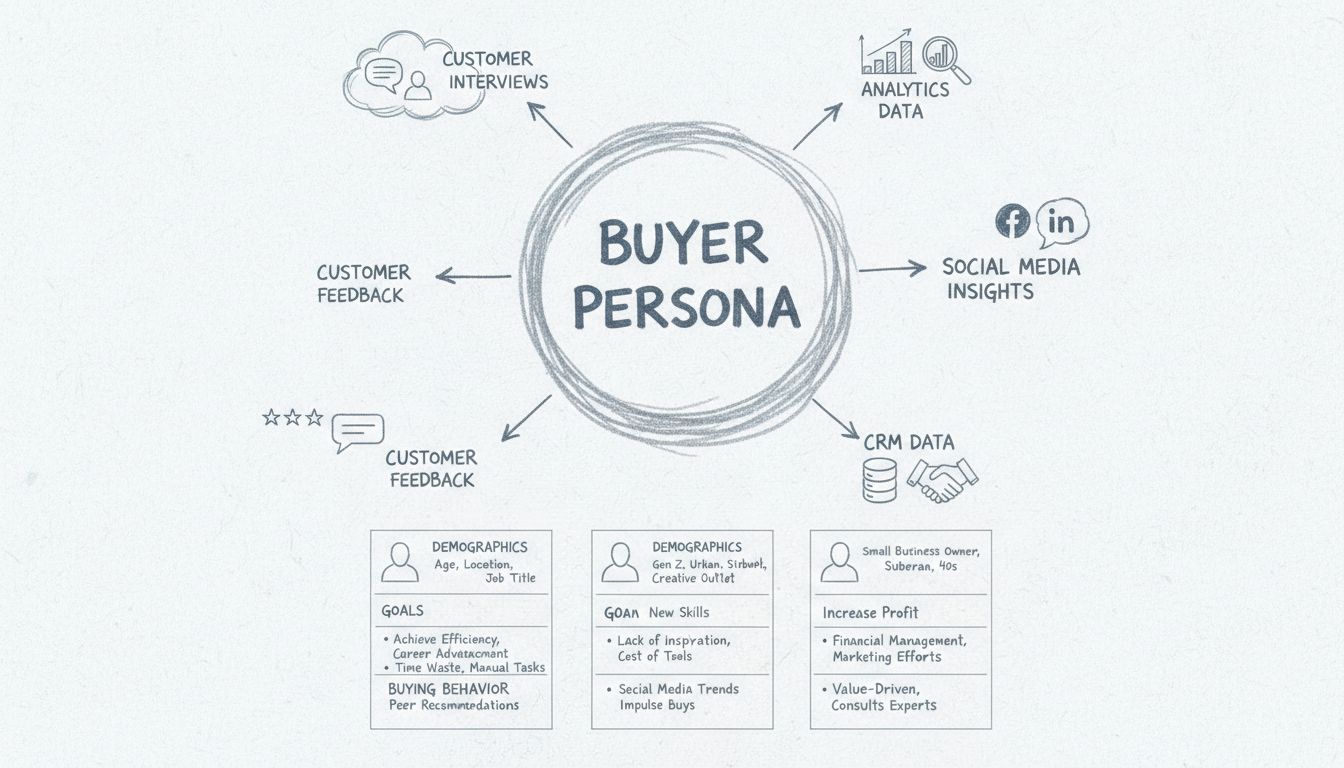
Learn what buyer personas are, why they matter for affiliate marketing, and how to create effective personas to boost engagement and conversions with PostAffili...
Join our community of happy clients and provide excellent customer support with Post Affiliate Pro.



Cookie Consent
We use cookies to enhance your browsing experience and analyze our traffic. See our privacy policy.