


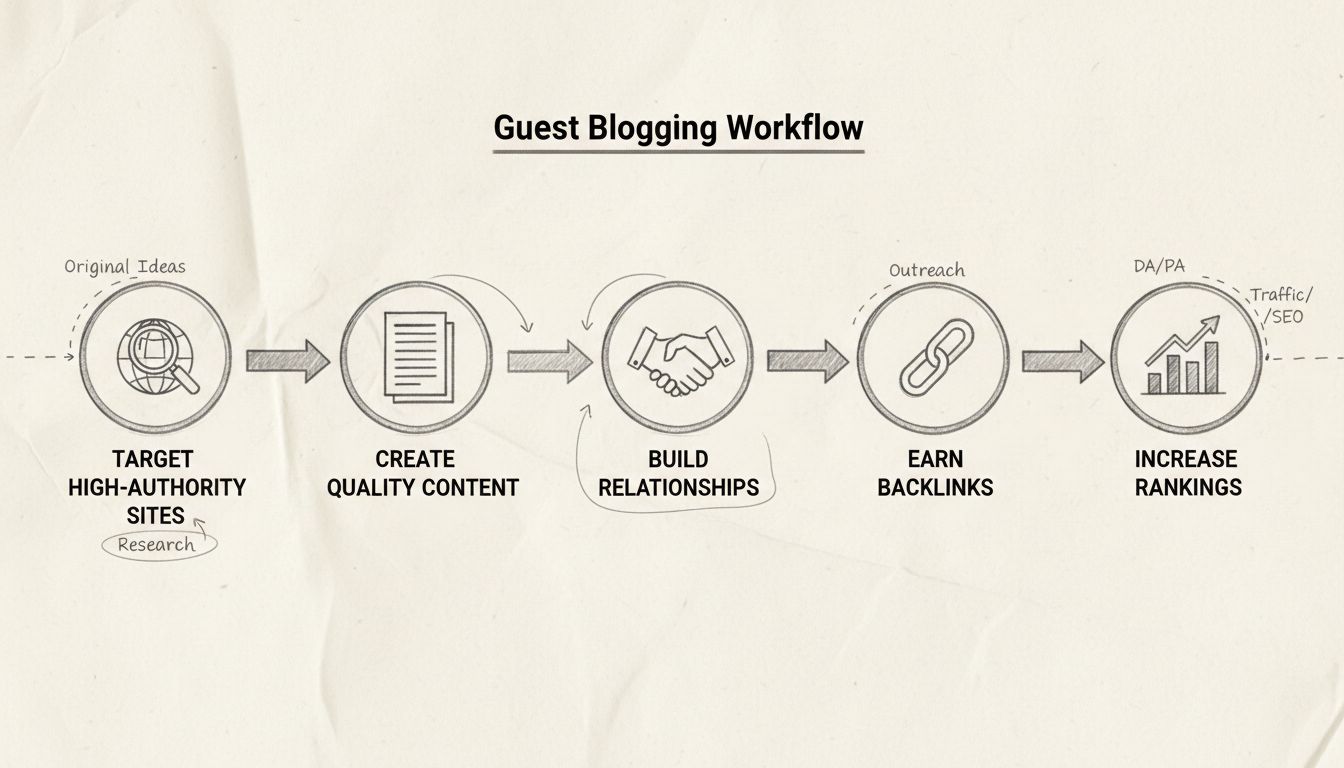
Is Guest Blogging Still Effective for Building Backlinks in 2025?
Discover why guest blogging remains a powerful SEO strategy in 2025. Learn how to build quality backlinks, increase domain authority, and drive organic traffic ...
9 min read


Discover how guest blogging builds quality backlinks to boost your affiliate site’s authority and SEO rankings. Learn proven strategies and best practices.
Guest blogging is the practice of writing and publishing content on external websites within your niche, while link building is the strategic process of acquiring hyperlinks from other websites to your own. When combined, guest blogging becomes one of the most effective link-building strategies available to affiliate marketers. According to recent data, 64.9% of link builders use guest blogging as their primary link-building strategy, making it an industry-standard approach for building authority and improving search engine visibility. By contributing valuable content to reputable, niche-relevant sites, you earn quality backlinks that signal to search engines that your affiliate site is trustworthy and authoritative.

Quality backlinks act as votes of confidence from other websites, directly influencing your site’s search engine rankings and domain authority. Search engines like Google use backlinks as one of the primary ranking factors, with high-quality backlinks from authoritative sources significantly boosting your site’s ability to rank for competitive keywords. The impact of backlinks extends beyond rankings—they drive referral traffic from engaged audiences who are already interested in your niche, increasing the likelihood of affiliate conversions. Not all backlinks are created equal; a single link from a high-authority, niche-relevant site can be worth more than dozens of links from low-quality sources.
| Backlink Source Type | Domain Authority Impact | SEO Value | Relevance |
|---|---|---|---|
| High-authority niche site | High | Excellent | Very High |
| Medium-authority site | Medium | Good | High |
| Low-authority site | Low | Poor | Medium |
| Competitor site | Variable | Risky | Medium |

Set up advanced tracking in minutes. No credit card required.
Beyond the immediate SEO benefits, guest blogging offers affiliate marketers multiple strategic advantages that compound over time. By publishing on established platforms, you gain instant credibility with new audiences who already trust the host website, making them more receptive to your affiliate recommendations. Guest blogging allows you to demonstrate expertise in your niche, positioning yourself as a thought leader and building trust with potential customers before they even visit your site. The relationships you build with blog owners and editors can lead to long-term partnership opportunities, repeat guest posting invitations, and potential collaborations that extend far beyond a single article. Additionally, high-quality guest posts continue to generate traffic and backlinks for years after publication, providing sustained ROI on your content investment.
Identifying the right platforms for guest blogging is crucial for maximizing your link-building efforts and ensuring your content reaches genuinely interested audiences. Not every blog is worth your time—you should focus on sites that align with your affiliate niche and have established authority in your industry. When evaluating potential guest blogging opportunities, consider these essential criteria:
Use search queries like “[your niche] + write for us” or “[your niche] + guest post guidelines” to discover opportunities, and monitor where your competitors are successfully publishing to identify high-value targets.
Be the first to know about new features and product updates.
Writing a guest post that generates affiliate conversions requires a strategic approach that balances value delivery with subtle promotion. Your primary goal should be to provide genuine value to the host site’s audience—focus on solving problems, answering questions, and sharing insights that readers can immediately implement. When incorporating your affiliate links, ensure they feel natural and contextual within the content rather than forced or promotional; the best guest posts integrate links seamlessly as part of the solution you’re presenting. Include a compelling author bio that briefly establishes your expertise and includes a link to your affiliate resource or landing page, as this is often where readers click when they’re interested in learning more. Optimize your guest post for the host site’s audience by researching their content style, tone, and typical article length, then matching those expectations while maintaining your unique voice. Finally, include a clear call-to-action that encourages readers to take the next step, whether that’s visiting your site, signing up for a newsletter, or exploring your affiliate products.
The most successful affiliate marketers view guest blogging not as a one-time transaction but as an opportunity to build lasting professional relationships. After your guest post is published, engage actively with comments and questions from readers, demonstrating your expertise and willingness to help—this interaction builds credibility and encourages readers to visit your site. Maintain contact with the blog owner or editor by sharing your post on social media, thanking them for the opportunity, and expressing genuine interest in their platform’s success. These relationships often lead to repeat guest posting invitations, opportunities to collaborate on other projects, and potential partnerships that can significantly amplify your affiliate marketing efforts. By consistently delivering high-quality content and showing appreciation for the platform, you position yourself as a valuable contributor that blog owners want to feature repeatedly.
To optimize your guest blogging strategy, you must track specific metrics that reveal the true impact of your efforts on your affiliate business. Monitor referral traffic from each guest post using Google Analytics, tracking not just the volume of visitors but their behavior on your site—how long they stay, which pages they visit, and whether they click your affiliate links. Use UTM parameters in your guest post links to accurately attribute conversions and revenue to specific articles and platforms, allowing you to identify which opportunities deliver the best ROI. Track your backlink profile using tools like Ahrefs or SEMrush to monitor the quality and quantity of links you’re acquiring, ensuring they’re contributing to your domain authority growth. Beyond traffic metrics, measure brand awareness by monitoring mentions of your name or brand across the web, and assess relationship value by tracking repeat opportunities and partnership offers that result from your guest blogging presence.
Many affiliate marketers undermine their guest blogging efforts by making preventable mistakes that reduce effectiveness and damage their reputation. Publishing on low-quality sites with poor domain authority or irrelevant audiences wastes your time and can actually harm your SEO if the sites are penalized by search engines. Over-promoting your affiliate products in guest posts alienates readers and often violates host site guidelines—remember that your primary goal is to provide value, not to sell. Ignoring the host site’s guidelines and submitting poorly researched, low-quality content is a quick way to get rejected and damage your professional reputation. Failing to follow up after publication by engaging with comments and promoting the post on your own channels misses opportunities to maximize the post’s impact and build relationships with the blog owner. Finally, treating guest blogging as a quick fix rather than a long-term strategy leads to inconsistent efforts that never build momentum—successful affiliate marketers commit to regular, strategic guest posting over months and years.
While guest blogging is highly effective, successful affiliate marketers often combine it with complementary link-building strategies to create a comprehensive approach. Niche edits (inserting links into existing, already-published content) offer faster results but provide less opportunity for brand building and audience engagement compared to guest blogging. Broken link building involves finding broken links on relevant sites and pitching your content as a replacement—this strategy is highly targeted but requires more technical research and outreach effort. Resource page links are valuable for affiliate sites because they’re often placed on curated lists of recommended tools and services, though they typically generate less referral traffic than guest posts. Directory submissions and industry-specific listings provide quick backlinks but often have lower domain authority and less relevance than guest posts on established blogs. The most effective affiliate marketers use a balanced approach, combining guest blogging for long-term authority and audience building with faster tactics like niche edits for immediate SEO gains.
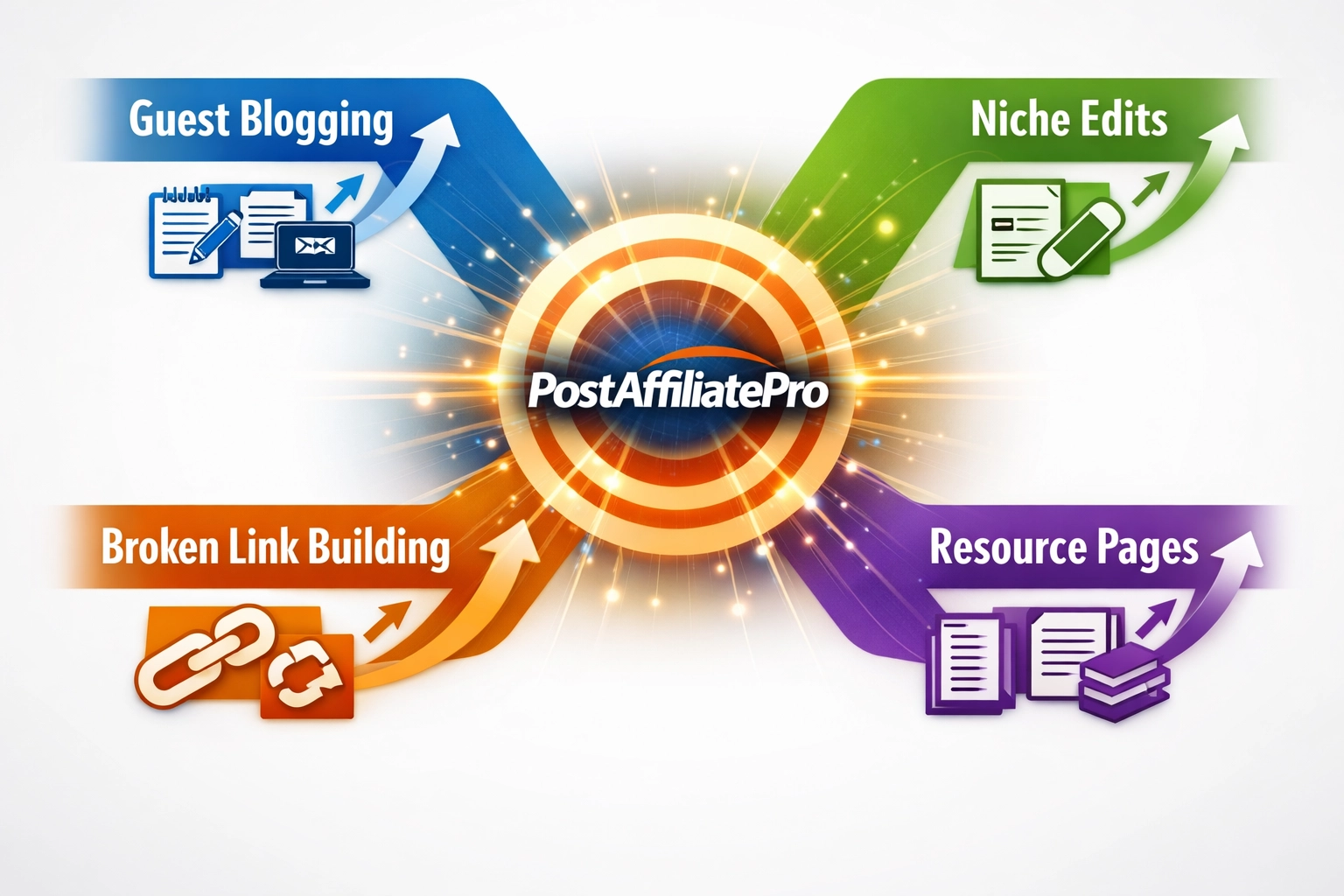
PostAffiliatePro’s advanced affiliate software transforms guest blogging from a general marketing tactic into a precision conversion tool for your affiliate business. By integrating PostAffiliatePro with your guest blogging efforts, you can track every referral from each guest post with complete accuracy, identifying which platforms and content types drive the most valuable traffic. The platform’s conversion tracking capabilities allow you to measure not just clicks but actual affiliate sales and commissions generated from each guest post, revealing the true ROI of your efforts. PostAffiliatePro enables you to manage affiliate partnerships more effectively by providing detailed analytics on partner performance, helping you identify which blog owners and platforms deserve repeat collaborations and increased investment. Additionally, the software’s customizable tracking links and UTM parameter integration make it simple to attribute conversions across your entire guest blogging network, ensuring you never lose visibility into which strategies are driving your affiliate revenue growth.
Track every guest post referral and optimize your affiliate partnerships with advanced analytics and conversion tracking. Measure the true ROI of your guest blogging efforts.
Discover why guest blogging remains a powerful SEO strategy in 2025. Learn how to build quality backlinks, increase domain authority, and drive organic traffic ...
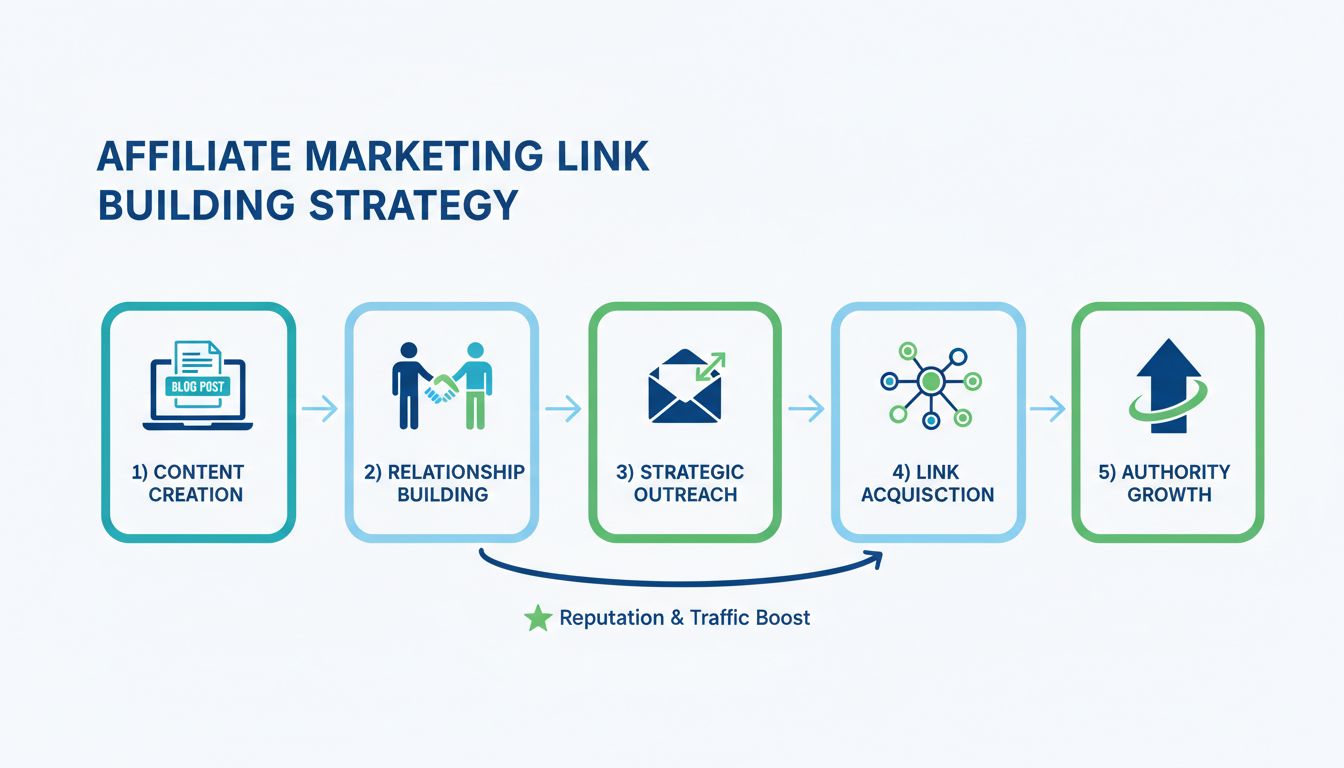
Learn proven link building strategies for affiliate marketers. Discover how to create valuable content, build genuine relationships, and execute strategic outre...
Link building is the process of acquiring hyperlinks from other websites to your own, crucial for improving search engine rankings, driving referral traffic, an...
Join our community of happy clients and provide excellent customer support with Post Affiliate Pro.




Cookie Consent
We use cookies to enhance your browsing experience and analyze our traffic. See our privacy policy.