


Geo-Targeting
Geo-targeting is a way of identifying a website visitor’s geographical location by a unique IP address. Learn how geo-targeting enhances marketing effectiveness...
5 min read
AffiliateMarketing
GeoTargeting
+3

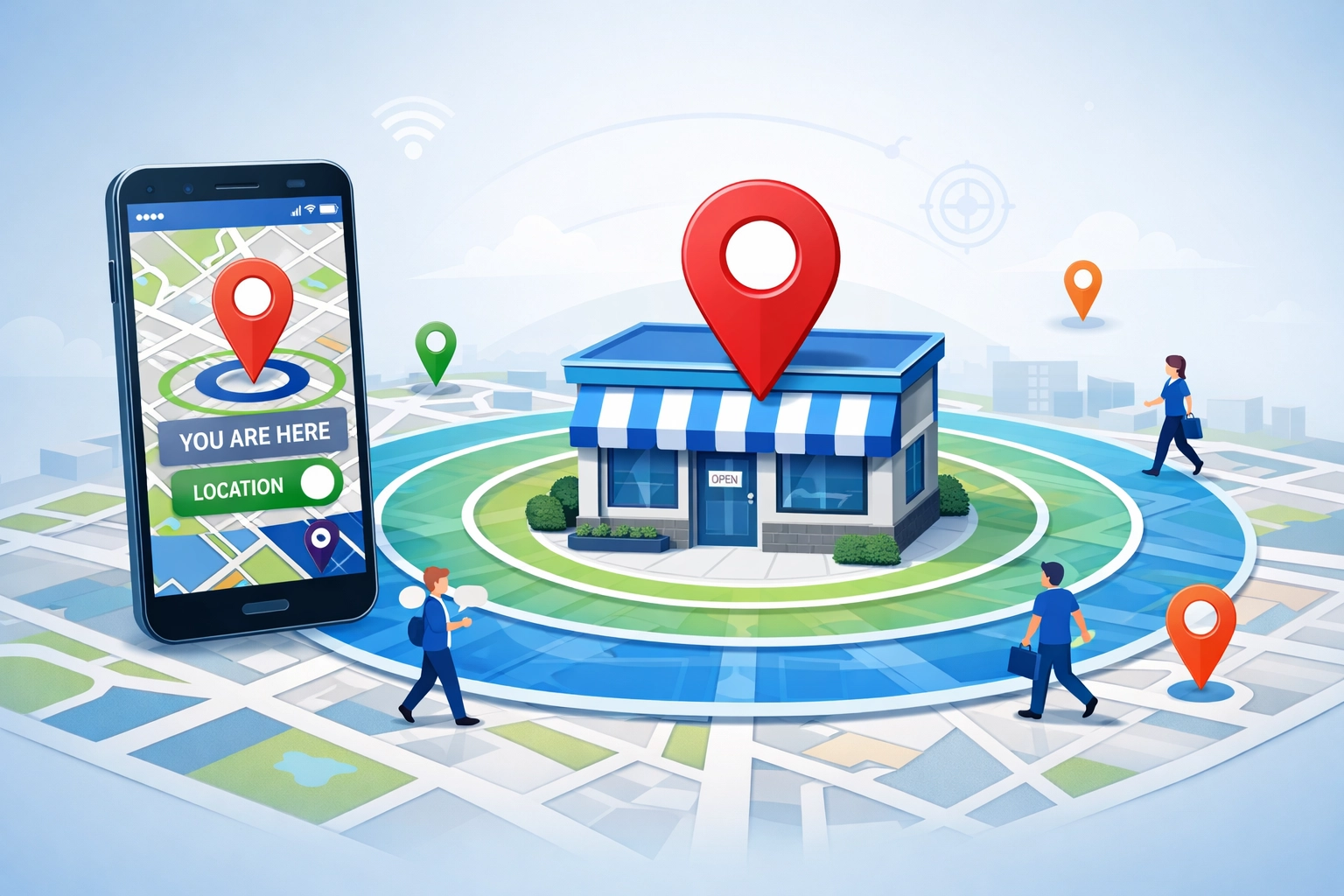
how small businesses can leverage geotargeting to reach local customers, reduce ad waste, and increase conversions by up to 400%. Learn proven strategies.
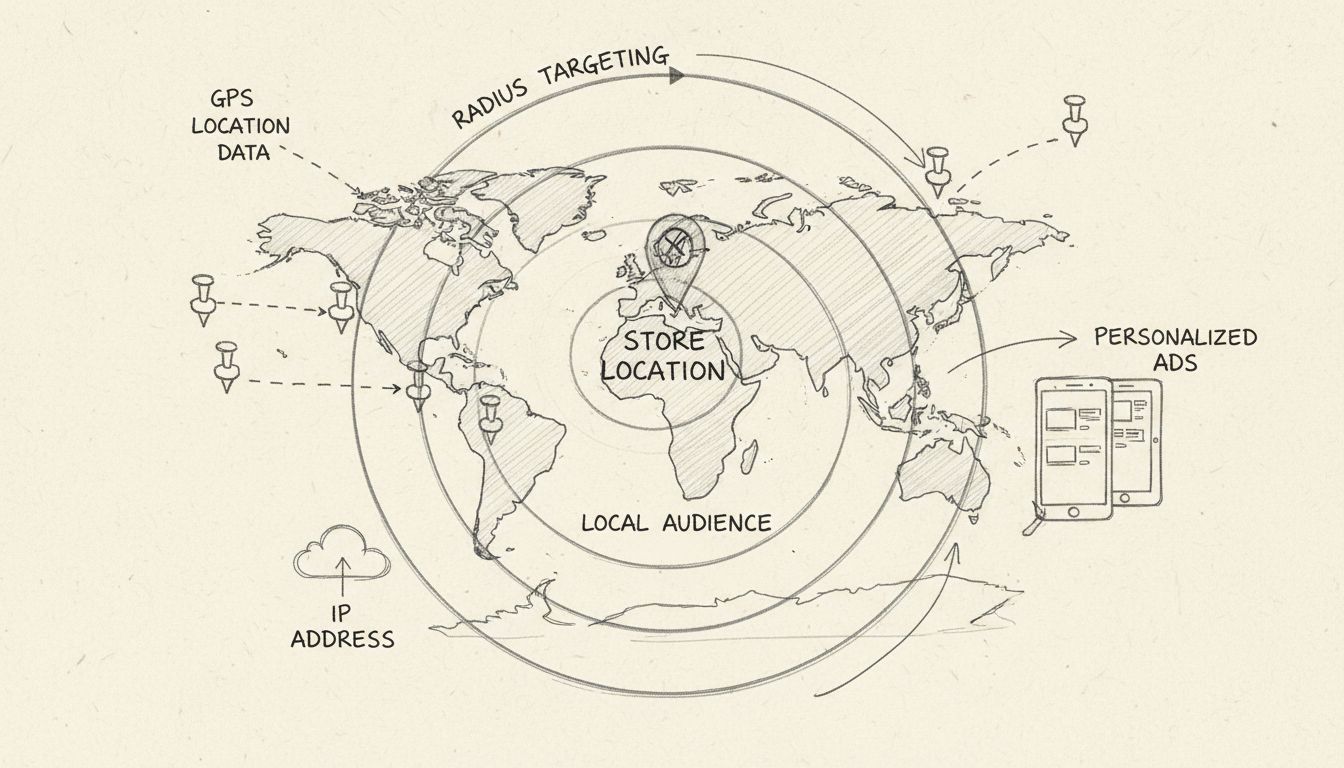
Geotargeting is a digital marketing strategy that delivers ads, content, and messages to users based on their specific geographic location. It works by using multiple technologies including IP addresses, GPS data, WiFi networks, and cell tower triangulation to pinpoint where users are located. For small businesses, geotargeting is transformative because it connects your marketing directly to customers in your service area. The statistics are compelling: 46% of all Google searches have local intent, meaning nearly half of all searches are location-based. Even more striking, searches containing “near me” have increased by 400% in recent years, demonstrating that customers actively seek local solutions.
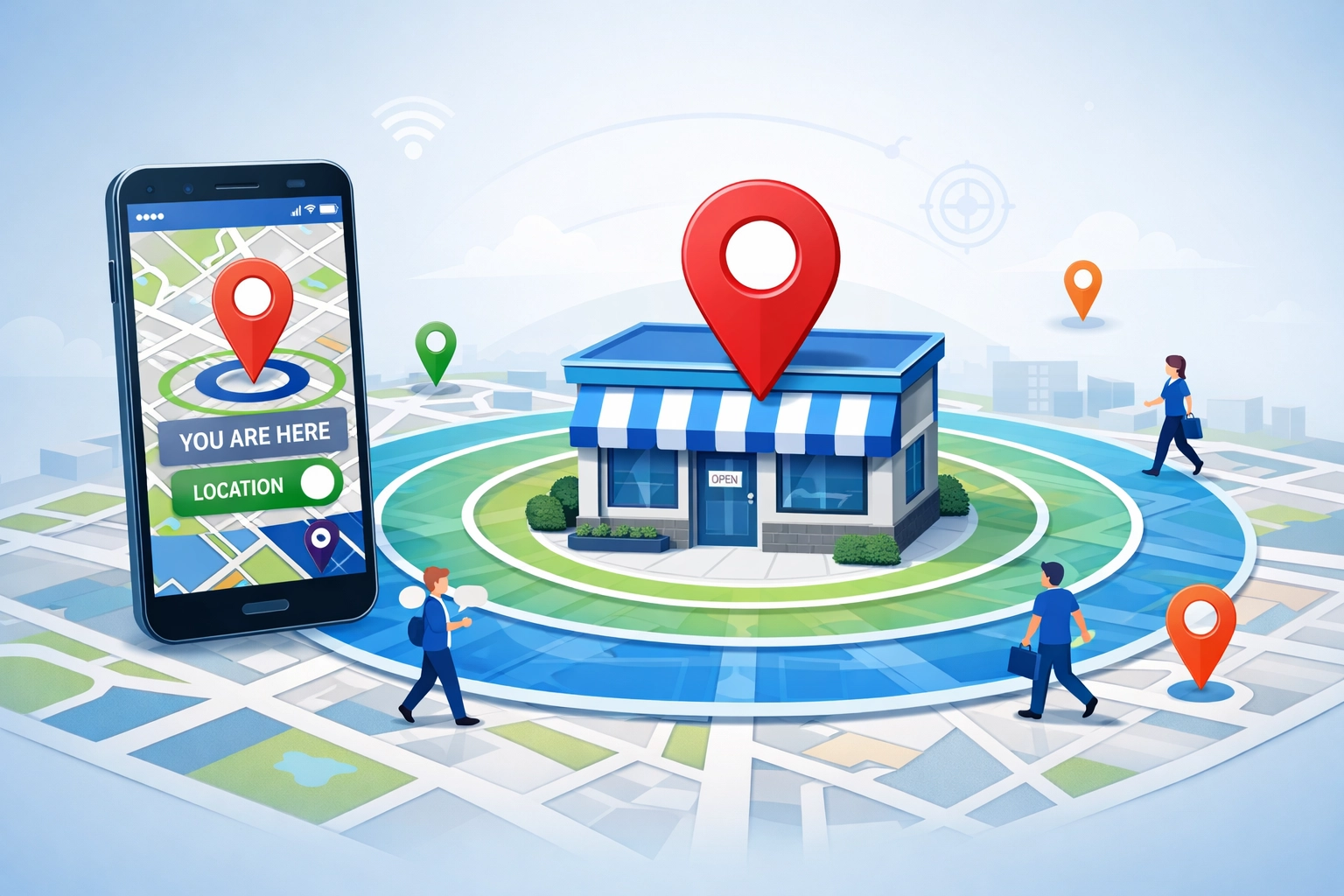
Geotargeting delivers multiple advantages that directly impact your bottom line. First, it dramatically increases relevance and engagement—when customers see ads tailored to their location, they’re far more likely to respond. Second, it’s cost-effective because you’re not wasting budget on people outside your service area; 89% of marketers report higher sales after implementing location-based marketing. Third, geotargeting strengthens your local SEO efforts, helping you rank higher in location-specific searches. Fourth, it enhances customer experience by showing personalized offers relevant to their area. Fifth, it enables real-time marketing opportunities—you can send timely offers when customers are near your business. Finally, it provides a competitive advantage by helping you reach local customers before competitors do. 84% of marketers report increased engagement and 78% see higher response rates when using geotargeting, making it essential for local market dominance.
| Benefit | Impact | Example |
|---|---|---|
| Increased Relevance | Higher CTR and engagement | Show lunch specials to nearby office workers |
| Cost Efficiency | Reduced wasted ad spend | Target only service areas |
| Local SEO Boost | Better search visibility | Appear in local search results |
| Customer Experience | Personalized messaging | Weather-based product recommendations |
| Real-Time Marketing | Immediate conversions | Time-sensitive location offers |
| Competitive Edge | Market dominance | Reach customers before competitors |

Set up advanced tracking in minutes. No credit card required.
The technology behind geotargeting relies on several location-detection methods. IP address targeting identifies a user’s general location (country, state, or city) based on their internet protocol address, though it’s less precise than mobile methods. GPS targeting offers pinpoint accuracy on smartphones, often within a few meters, making it ideal for mobile campaigns and real-time marketing. WiFi and Bluetooth beacon targeting identifies devices connected to specific networks or near beacon devices placed in physical locations, enabling hyperlocal reach in stores, malls, and offices. Cell tower triangulation estimates location by measuring signal strength from multiple towers, providing a balance between reach and accuracy even when GPS is disabled. Together, these technologies create a comprehensive system that allows marketers to reach customers with varying levels of precision depending on their campaign goals.
These three terms are often confused but serve distinct purposes. Geotargeting is the broad strategy of delivering ads based on predefined geographic boundaries like cities or ZIP codes—it’s about reaching people in specific areas. Geofencing is more precise and real-time; it creates a virtual “fence” around a physical location and triggers ads or notifications when users enter, exit, or stay within that boundary, making it perfect for targeting competitor locations or event venues. Geotagging is the process of adding geographic identification to user-generated content like photos or social media posts, allowing marketers to understand where their brand is being discussed and engage with local communities. Understanding these distinctions helps you choose the right tactic: use geotargeting for broad local campaigns, geofencing for specific location-based triggers, and geotagging for community engagement and brand monitoring.
Be the first to know about new features and product updates.
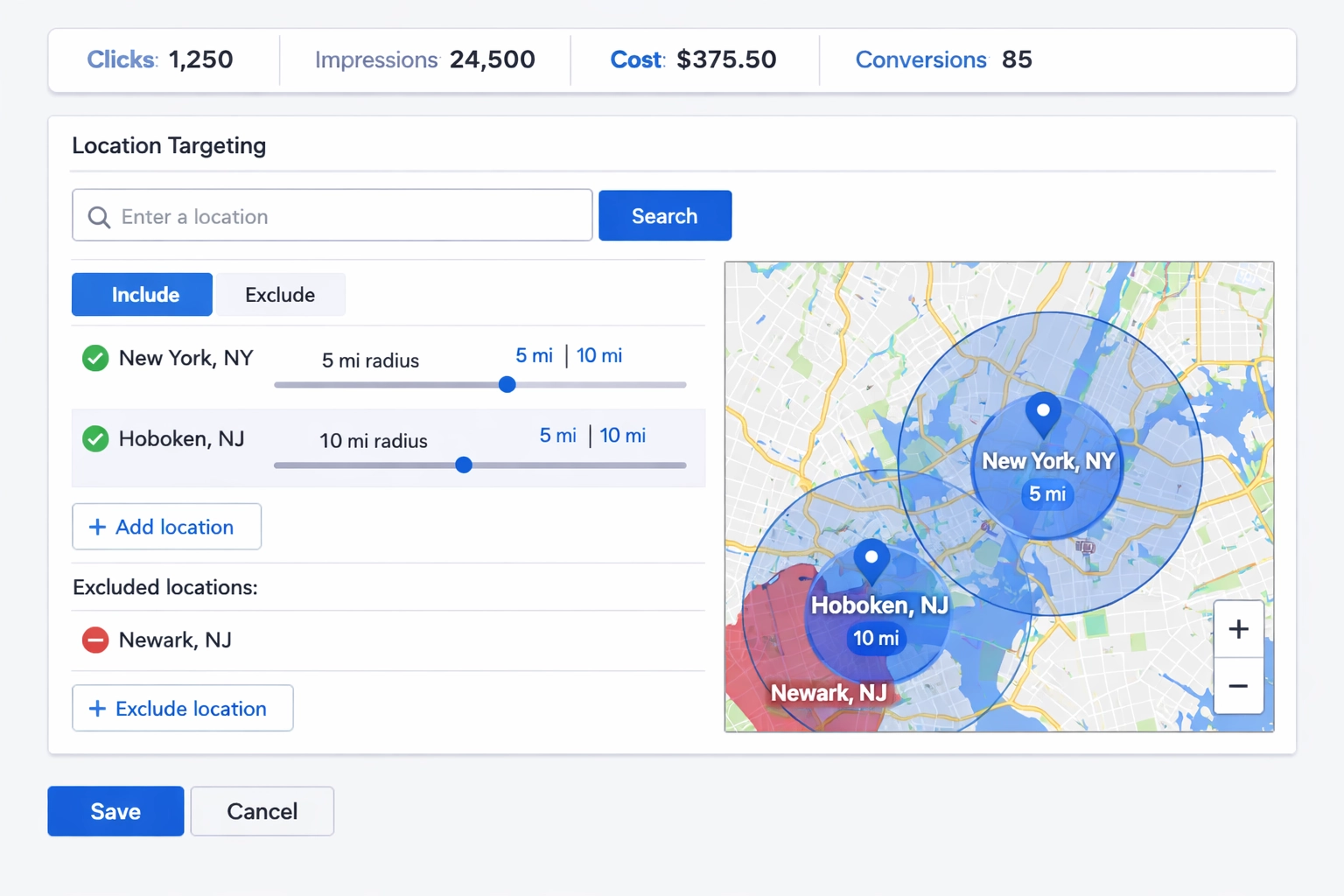
Launching a successful geotargeting campaign requires a structured approach. First, define your goals and KPIs—determine whether you want foot traffic, online conversions, or lead generation, then set measurable targets like cost per store visit. Second, choose the right platform—Google Ads excels at capturing local search intent, Meta Ads build local awareness, and LinkedIn targets B2B professionals by location. Third, configure your location settings by selecting which areas to target and which to exclude, paying attention to whether you want to reach people “in or regularly in” your locations versus those “searching for” your locations. Fourth, layer demographics and interests with your location targeting to create highly specific audience personas. Fifth, craft location-specific ad copy and creatives that mention local landmarks, events, or cultural references to build trust. Sixth, monitor and optimize by analyzing performance data to identify top-performing locations and reallocate budget accordingly. This systematic approach ensures your geotargeting efforts deliver maximum ROI.
Different businesses benefit from tailored geotargeting approaches. Retail stores use radius targeting around physical locations to drive foot traffic with in-store promotions. Service providers like plumbers and electricians target their service areas with location-specific keywords, with one plumbing company seeing a 40% increase in inquiries after optimizing geotargeting. Restaurants use geofencing to target nearby customers during peak hours with lunch specials or happy hour offers. E-commerce businesses customize product recommendations and shipping offers based on location—a bakery increased online orders by 60% through neighborhood-focused geotargeting. B2B companies target decision-makers in specific regions with industry-relevant messaging. Fitness studios drive membership sign-ups by targeting nearby residents with class schedules and trial offers, with one studio achieving a 35% increase in memberships. The key is matching your geotargeting strategy to your business model and customer acquisition goals.
Once you’ve mastered basic geotargeting, advanced techniques unlock even greater performance. Location bid adjustments allow you to increase bids in high-performing areas and decrease them in underperforming regions, optimizing your ad spend. Exclusionary targeting prevents wasted clicks by excluding areas outside your service radius or with historically poor performance. Dayparting with location data schedules ads to run only during optimal times in each location—a coffee shop might run breakfast ads from 6-9 AM to nearby customers. Weather-based triggers show relevant products based on local conditions, like promoting raincoats during rainy weeks or winter coats during cold snaps. A/B testing by location creates different landing pages and ad variations for different regions to maximize conversion rates. Frequency capping prevents ad fatigue in small target areas by limiting how often the same person sees your ad. These advanced tactics transform geotargeting from a basic tool into a sophisticated, data-driven strategy.
Measuring geotargeting ROI requires tracking both online and offline outcomes. Track online conversions by location using platform-native conversion tracking to see which cities and regions drive the most leads and sales. Measure offline impact through store visit conversion tracking—Google and Meta can anonymously determine if users who saw your ad later visited your physical location, connecting digital spend to real-world foot traffic. Define clear KPIs like cost per acquisition, conversion rate by location, and return on ad spend (ROAS) to evaluate performance. Use attribution modeling to understand how geotargeted ads contribute to conversions across multiple touchpoints in the customer journey. Implement unified analytics tools that consolidate data from all platforms into a single dashboard, allowing you to compare performance across channels and locations in an apples-to-apples way. This comprehensive measurement approach reveals which locations deserve more investment and which need optimization.
Geotargeting faces several practical challenges that require strategic solutions. Inaccurate location data and VPNs can cause ads to reach unintended audiences; solve this by using platforms that combine multiple location signals (GPS, WiFi, IP) and monitoring for suspicious traffic patterns. Time zone management complicates national campaigns since an ad scheduled for 9 AM in New York runs at 6 AM in Los Angeles; create separate campaigns for each time zone to ensure optimal timing. Ad fatigue in small target areas occurs when the same people see your ads repeatedly; implement frequency caps and regularly refresh creative to maintain engagement. Privacy regulations like GDPR and CCPA restrict location data collection; work with reputable platforms that prioritize user consent and transparency. Data fragmentation across platforms makes it difficult to measure multi-location performance; use unified analytics platforms that standardize naming conventions and normalize metrics across all channels. Addressing these challenges head-on ensures your geotargeting strategy remains effective and compliant.
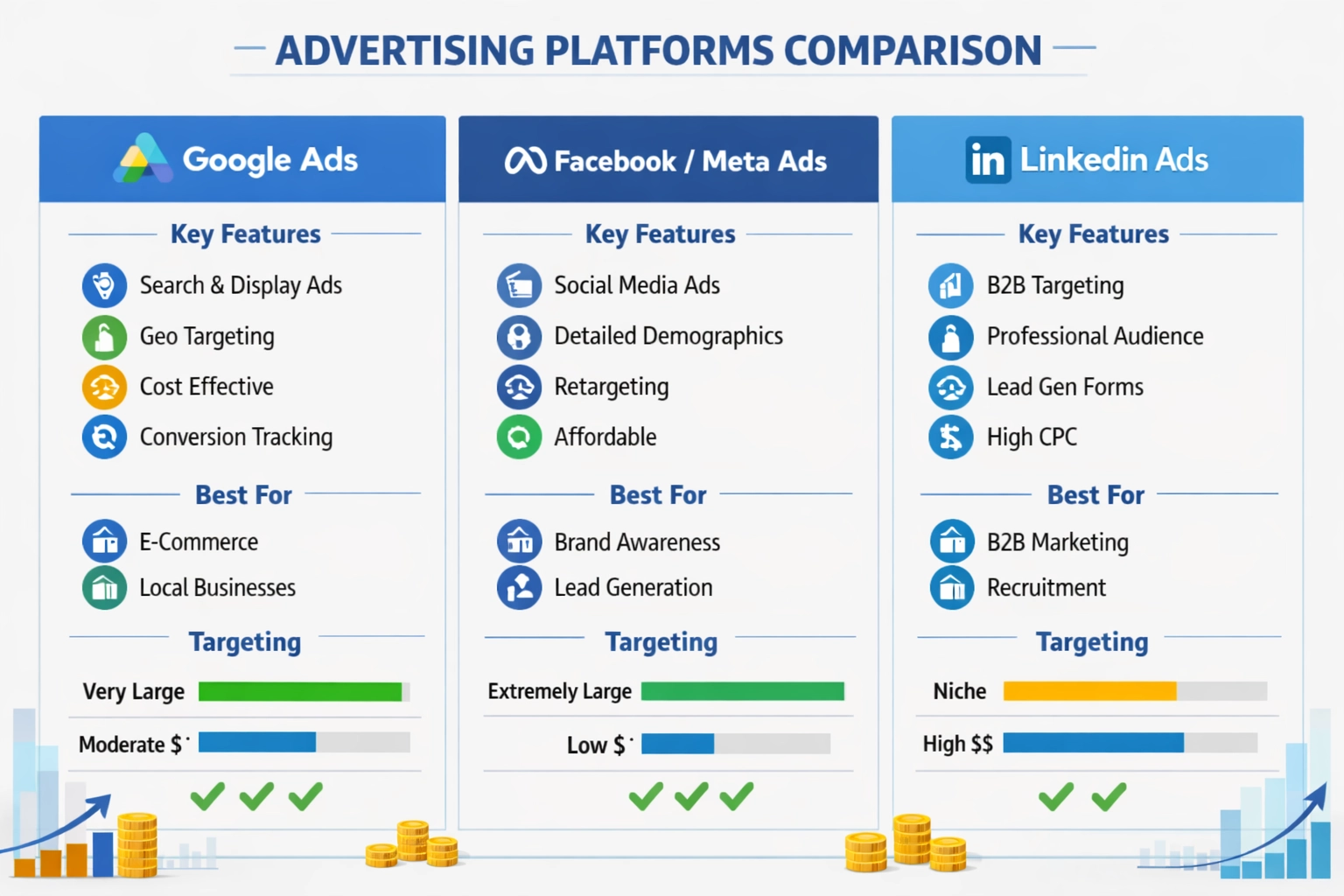
Different advertising platforms offer varying strengths for geotargeting. Google Ads provides high granularity (country, city, ZIP code, radius) and excels at capturing local search intent, making it ideal for local services and retail. Meta Ads (Facebook and Instagram) offer very high granularity with custom radius targeting and are perfect for building local awareness and driving foot traffic to restaurants and events. LinkedIn Ads provide medium granularity at the country and city level, best suited for B2B lead generation and recruiting in specific professional markets. Programmatic platforms and DSPs offer extremely high granularity with custom polygons and are ideal for large brands and agencies running data-driven campaigns. CTV/OTT platforms enable geo-targeted TV advertising at the household IP and DMA level, reaching cord-cutters with brand awareness campaigns. Budget considerations vary—Google and Meta offer flexible budgets for small businesses, while programmatic platforms typically require larger investments. Choose based on your audience location, campaign goals, and budget constraints.
Geotargeting delivers measurable results across diverse business types. A local bakery in Portland increased online cake orders by 60% after optimizing for neighborhood-focused keywords like “wedding cakes SE Portland,” demonstrating how hyperlocal targeting drives e-commerce sales. A plumbing company grew phone inquiries by 40% simply by properly setting up their Google My Business profile and targeting “emergency plumber near me,” showing the power of service-area geotargeting. A fitness studio in Miami increased memberships by 35% in one quarter by optimizing for “personal training Miami Brickell,” proving geotargeting’s effectiveness in competitive local markets. A restaurant chain used geofencing around competitor locations to target customers with special offers, successfully converting nearby diners. A retail store combined geotargeting with in-store promotions to drive foot traffic, tracking store visits through location data. These success stories reveal a consistent pattern: businesses that implement strategic geotargeting see significant increases in both online and offline conversions, making it a proven ROI driver.
To maximize geotargeting success, follow these proven best practices. Start with clear goals—define whether you want foot traffic, online sales, or lead generation, then build your strategy around those objectives. Know your service area—understand the geographic radius where you can realistically serve customers, and focus your budget there rather than spreading thin. Create location-specific content—develop ads, landing pages, and offers that reference local landmarks, events, and cultural preferences to build immediate relevance. Test and optimize continuously—analyze performance data weekly, identify top-performing locations, and reallocate budget to maximize ROI. Monitor your competitors—use geofencing to track competitor locations and target nearby customers with compelling offers. Scale what works—once you identify winning location-targeting combinations, increase budget in those areas and replicate the strategy in similar markets. By following these actionable steps, small business owners can implement geotargeting quickly and see measurable results within weeks.

PostAffiliatePro is the top-rated affiliate software for small businesses looking to maximize their marketing ROI through location-based campaigns. Our platform integrates seamlessly with geotargeting strategies to help you reach the right customers at the right time.
Geo-targeting is a way of identifying a website visitor’s geographical location by a unique IP address. Learn how geo-targeting enhances marketing effectiveness...
Learn what geotargeting is and how it works. Discover how PostAffiliatePro helps you deliver location-specific content to boost conversions and engagement with ...
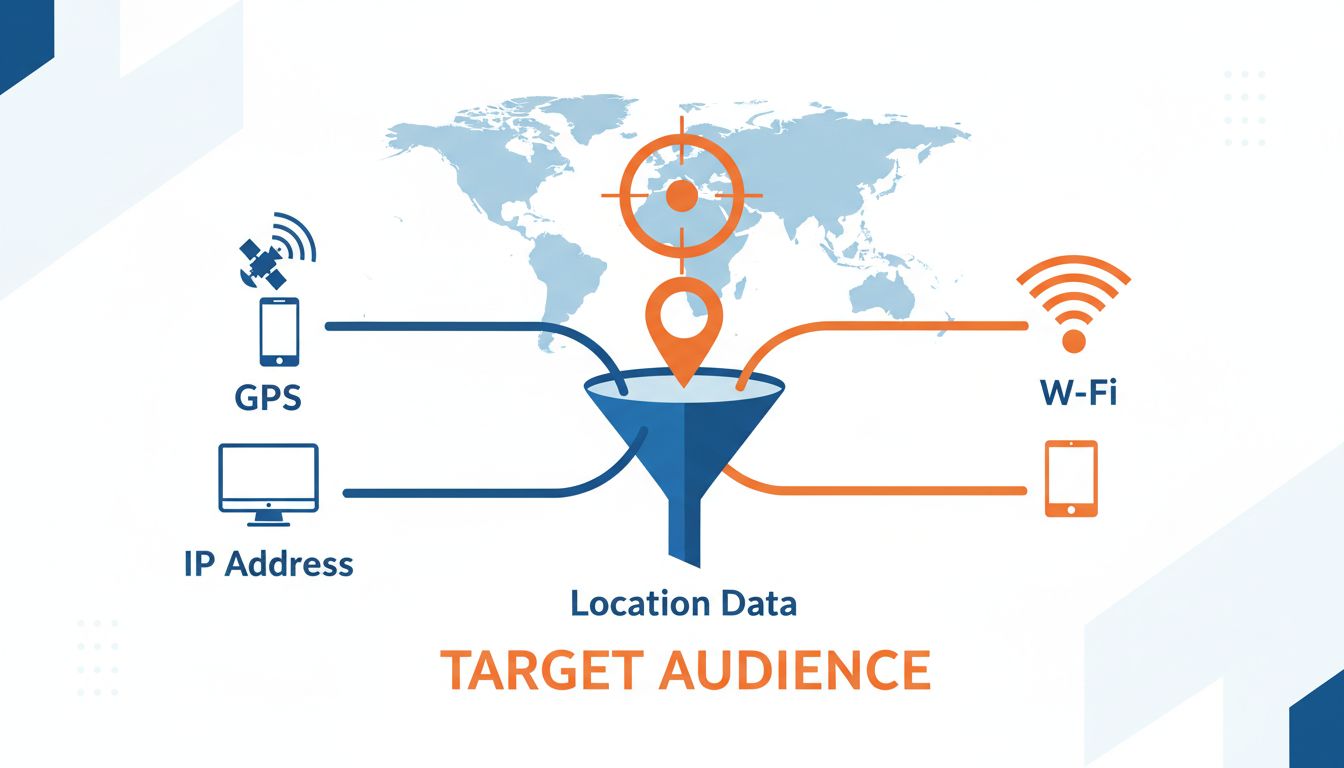
Learn how geotargeting works using GPS, IP addresses, and Wi-Fi signals. Discover geotargeting strategies, benefits, and how PostAffiliatePro helps optimize loc...
Join our community of happy clients and provide excellent customer support with Post Affiliate Pro.



Cookie Consent
We use cookies to enhance your browsing experience and analyze our traffic. See our privacy policy.