



Long-Tail Keywords for Voice Search: Complete Guide
why long-tail keywords are essential for voice search optimization. Learn strategies to capture conversational queries and boost your online visibility.
8 min read

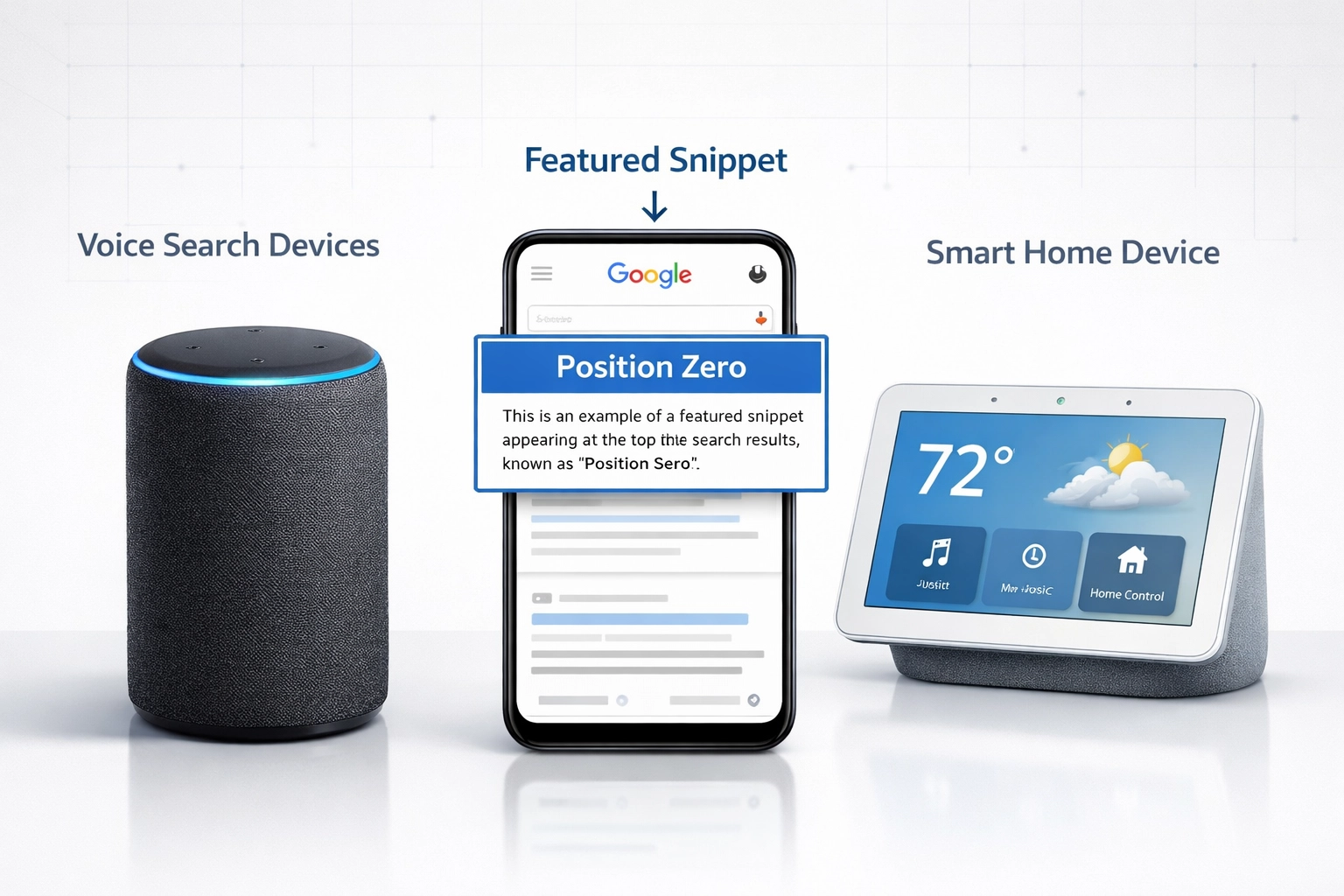
Learn how optimizing for featured snippets improves voice search visibility. Discover strategies to capture position zero and drive qualified traffic.
Voice search has fundamentally transformed how users interact with search engines, with 71% of consumers now preferring to conduct queries by voice rather than typing. Featured snippets, also known as “position zero” results, are concise answer boxes that appear at the very top of Google search results, providing users with immediate answers to their questions. The connection between these two technologies is profound: voice assistants like Google Assistant, Alexa, and Siri rely heavily on featured snippets to deliver quick, spoken responses to user queries. When you optimize your content for featured snippets, you’re essentially positioning your website to be the voice assistant’s answer of choice, dramatically increasing your visibility in this rapidly growing search channel.
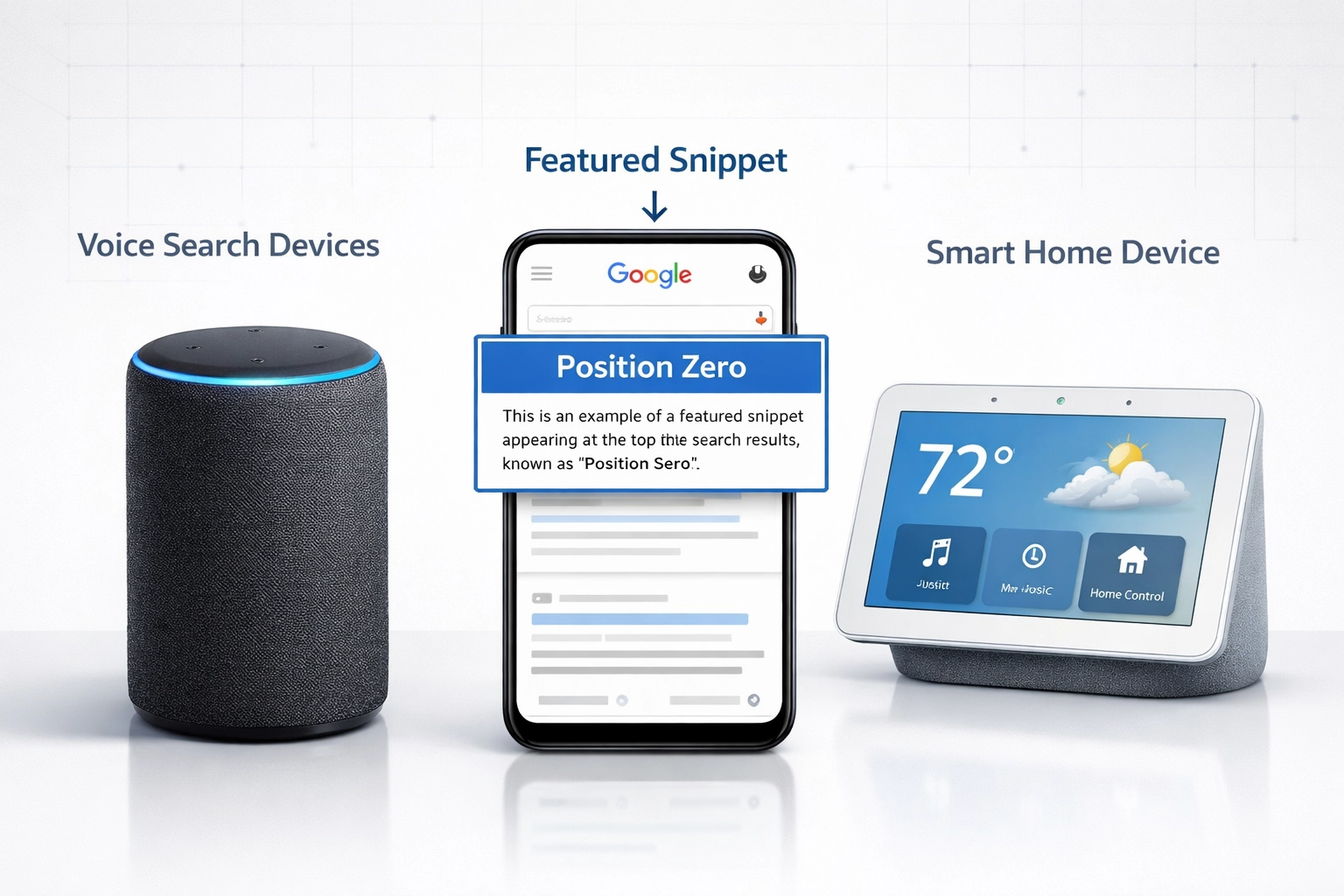
Featured snippets come in four distinct formats, each optimized for different types of information and user queries. Paragraph snippets provide concise answers in 40-60 words, perfect for definition-based queries like “What is SEO?” List snippets display bulleted or numbered information, ideal for step-by-step guides or rankings such as “Top 10 marketing tools.” Table snippets present data in tabular format, excellent for comparisons and statistical information. Video snippets showcase YouTube content, particularly effective for “how-to” queries where visual demonstration adds significant value. Understanding which format best suits your content is crucial for optimization success.
| Snippet Type | Best For | Characteristics | Example Query |
|---|---|---|---|
| Paragraph | Definitions, explanations | 40-60 words, direct answer | “What is featured snippet?” |
| List | Rankings, steps, items | Bulleted or numbered format | “How to optimize for snippets” |
| Table | Comparisons, data | Organized rows and columns | “Best affiliate software comparison” |
| Video | Demonstrations, tutorials | YouTube content with timestamps | “How to tie a tie” |

Set up advanced tracking in minutes. No credit card required.
Voice assistants employ a sophisticated process to deliver answers to user queries, and featured snippets play a central role in this workflow. When a user asks a voice question, the assistant’s natural language processing engine converts the spoken query into text and searches for the most relevant answer. Approximately 40-60% of voice search answers are pulled directly from featured snippets, making them the primary source for voice-delivered responses. Google Assistant, Alexa, and Siri all prioritize featured snippets because they’re pre-formatted, concise, and easily convertible to natural-sounding speech. The voice assistant then reads the snippet aloud, providing users with immediate answers without requiring them to click through to a website. This seamless integration means that appearing in a featured snippet dramatically increases your chances of being the voice assistant’s chosen answer, effectively giving your content prime real estate in the voice search ecosystem.
Securing a featured snippet position delivers multiple significant SEO advantages that extend far beyond traditional organic rankings. Increased visibility is the most obvious benefit—featured snippets occupy substantial screen real estate, especially on mobile devices where they can consume over half the visible area, making them impossible for users to miss. Higher click-through rates follow naturally, as users who see your content highlighted in a snippet are more likely to click through to learn more, with studies showing CTR improvements of 8-12% for featured snippet owners. Brand authority and credibility are enhanced when Google selects your content as the authoritative answer, signaling to users that your website is a trusted source in your industry. The “position zero” advantage means you can rank above the traditional #1 organic result, capturing attention before users even see standard search listings. Additionally, featured snippets appear alongside AI Overviews in 45% of searches, creating a dual-visibility opportunity where your content benefits from both traditional and AI-powered search features.
Be the first to know about new features and product updates.
Optimizing your content for featured snippets requires a strategic, multi-faceted approach that addresses both content quality and structure. Here are the essential strategies to implement:
Beyond content optimization, implementing proper structured data through schema markup significantly improves your featured snippet chances. Schema markup helps search engines understand the context and relationships within your content, making it easier for them to extract and display information as snippets. FAQ schema is particularly valuable for voice search, allowing you to mark up questions and answers that voice assistants can easily parse and deliver. HowTo schema works excellently for step-by-step guides, while Product schema benefits e-commerce sites and affiliate marketers showcasing product information. Implementing these schemas involves adding JSON-LD code to your HTML, which search engines use to better understand your content structure. Regular testing using Google’s Rich Results Test ensures your markup is correctly implemented and generating rich snippets in search results. This technical foundation, combined with quality content, creates the optimal environment for featured snippet selection.
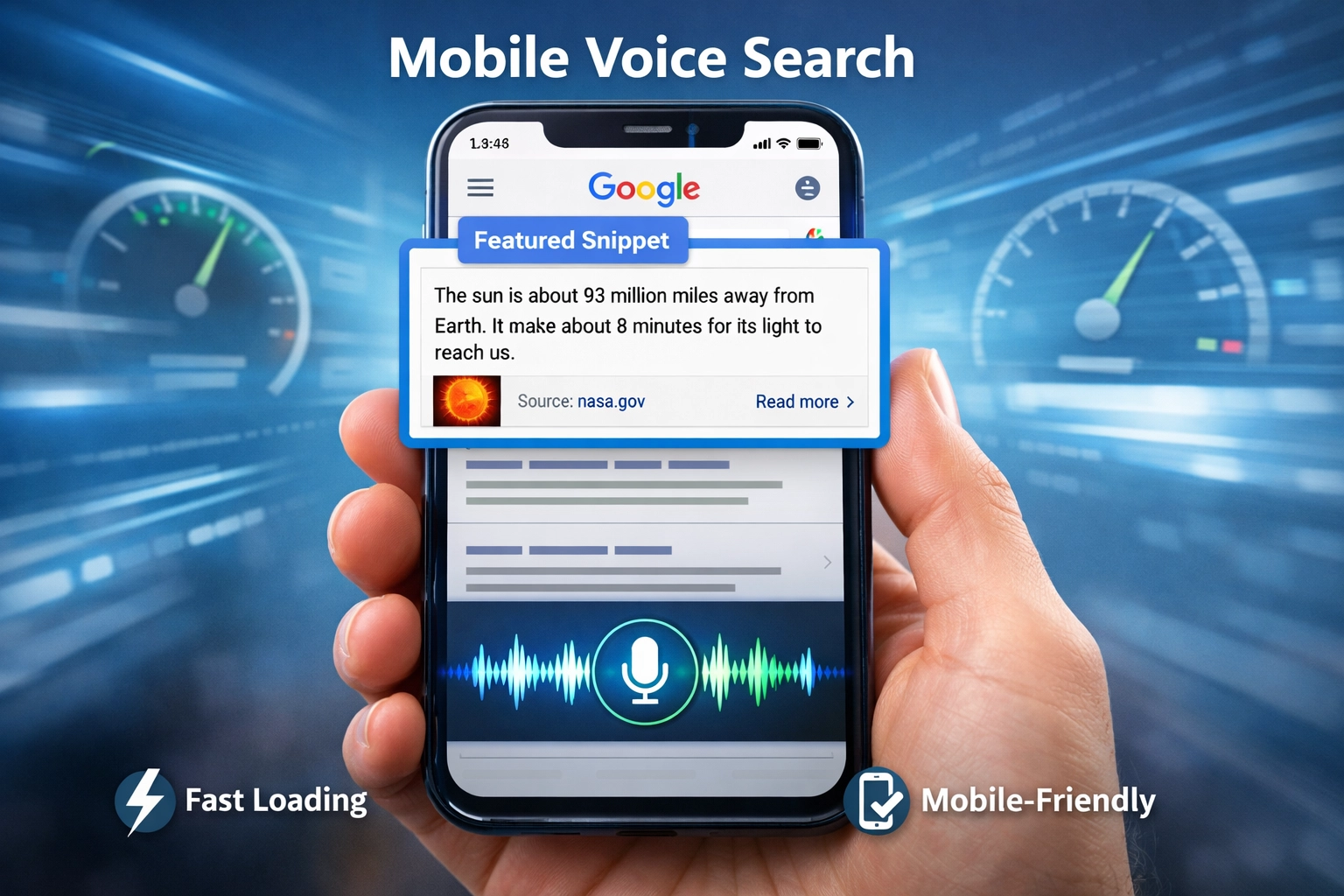
Mobile optimization is absolutely critical for voice search success, as the vast majority of voice searches occur on smartphones and smart speakers rather than desktop computers. Google’s mobile-first indexing means the search engine primarily evaluates the mobile version of your website when determining rankings and featured snippet eligibility. Page speed is particularly important—voice search users expect instant answers, and slow-loading pages are penalized in both rankings and snippet selection. Responsive design ensures your content displays perfectly across all device sizes, while Core Web Vitals (loading speed, interactivity, and visual stability) have become explicit ranking factors that directly impact voice search visibility. Mobile-friendly navigation, readable fonts, and properly sized buttons all contribute to a superior user experience that search engines reward with better rankings and snippet opportunities.
Voice search behavior differs significantly from text search in its geographic intent, with voice searches being three times more likely to include location-based queries than typed searches. Users frequently ask questions like “near me,” “open now,” or specify neighborhoods and cities when using voice search, making local SEO optimization essential for capturing this traffic. Google Business Profile optimization is foundational—ensuring your business information is complete, accurate, and regularly updated directly impacts your visibility in voice search results. NAP consistency (Name, Address, Phone number) across all online directories and listings signals legitimacy to search engines and voice assistants. Incorporating local keywords naturally throughout your content, creating location-specific pages, and actively managing customer reviews all contribute to improved local voice search performance. Businesses that prioritize local SEO see significant increases in foot traffic, phone inquiries, and online conversions from voice search users seeking nearby solutions.
Effectively measuring your featured snippet and voice search performance requires systematic tracking and analysis of key metrics. Google Search Console provides invaluable data on which queries trigger featured snippets for your website, how often your snippets appear, and the click-through rates they generate. SE Ranking, Ahrefs, and similar SEO tools offer dedicated featured snippet tracking that shows which keywords you own snippets for and identifies opportunities where competitors currently hold snippets you could capture. Analyzing traffic patterns before and after securing snippets reveals the actual business impact of your optimization efforts, with many sites reporting 8-12% CTR improvements. Monitor mobile usability metrics to ensure your site remains optimized for the devices where most voice searches occur. Regular performance audits help you identify which content types and formats are most successful, allowing you to replicate that success across other pages and topics.
Many content creators and SEO professionals make preventable mistakes that undermine their featured snippet optimization efforts. Ignoring search intent is a critical error—your content must directly address what users are actually searching for, not what you think they should be looking for. Poor content structure without proper headings, lists, and formatting makes it difficult for Google to extract snippet-worthy content. Keyword stuffing and unnatural language alienate both users and search engines, reducing your chances of selection. Vague or incomplete answers fail to satisfy user intent and won’t be selected as featured snippets, which require clear, definitive responses. Neglecting mobile optimization means your content may rank well on desktop but fail to appear in voice search results where mobile performance is paramount. Outdated content that hasn’t been refreshed loses credibility and may be replaced by more current alternatives, so regular updates are essential for maintaining snippet positions.
The search landscape continues to evolve with the introduction of AI Overviews, which provide more comprehensive, AI-generated answers alongside traditional featured snippets. Featured snippets and AI Overviews appear together in 45% of searches, suggesting they serve complementary purposes rather than competing directly. As generative AI becomes more sophisticated, voice assistants will likely deliver increasingly nuanced, context-aware responses that draw from multiple sources. Staying ahead of these trends requires maintaining a focus on answer-driven content that directly addresses user questions in clear, authoritative language. Businesses that invest in comprehensive, well-structured content optimized for both featured snippets and AI systems will maintain visibility as search continues to evolve. The fundamental principle remains constant: provide direct, valuable answers to user questions, and search engines will reward your content with prominent placement.
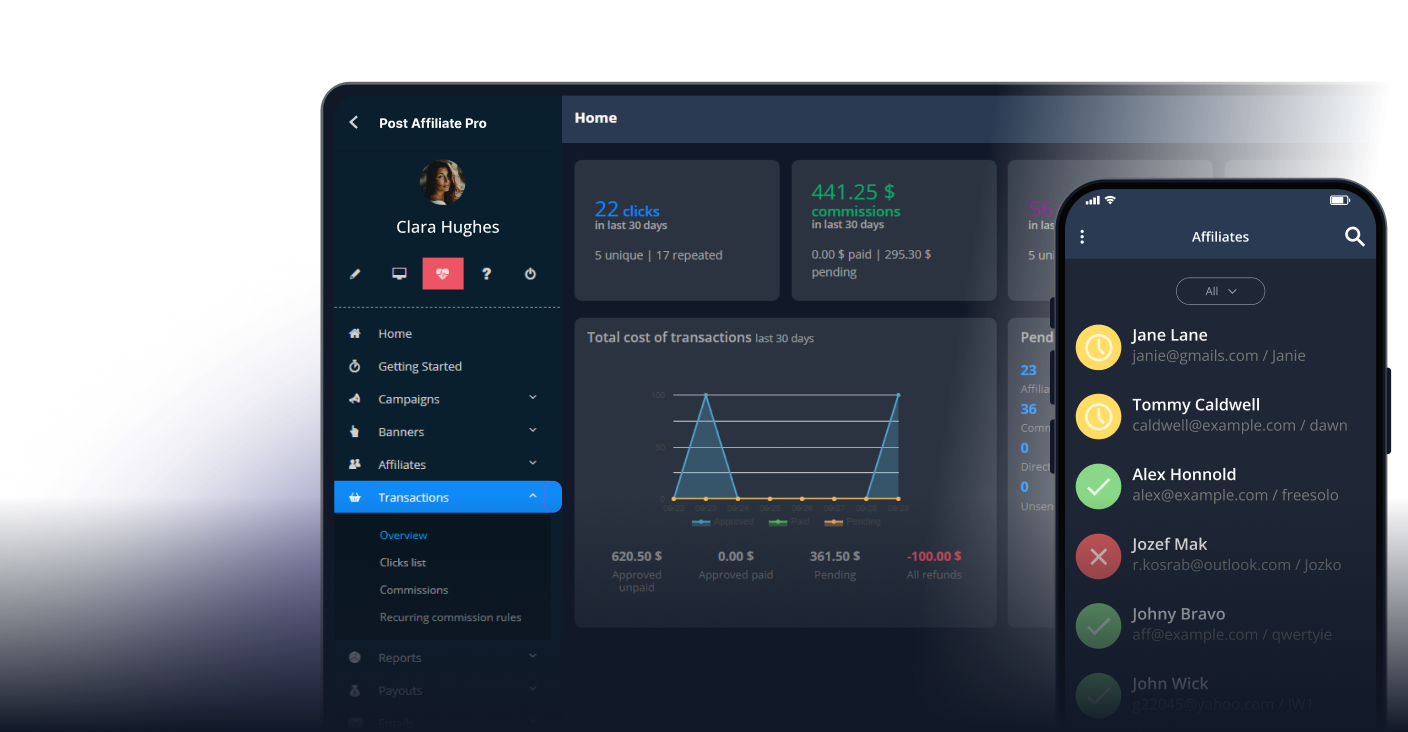
For affiliate marketers and those running affiliate programs, featured snippet optimization represents a powerful opportunity to drive qualified traffic and increase conversions. Answer-driven content that directly addresses user pain points and questions naturally attracts users who are ready to make purchasing decisions, making them ideal candidates for affiliate recommendations. When your content appears in featured snippets, you establish immediate credibility and authority, making users more likely to trust your affiliate recommendations. PostAffiliatePro stands out as the top affiliate software solution for managing these optimization efforts at scale, providing comprehensive tools for tracking which content drives conversions, managing affiliate relationships, and optimizing commission structures based on performance data. By combining featured snippet optimization with PostAffiliatePro’s powerful affiliate management capabilities, you create a synergistic system where your content attracts qualified traffic and your affiliate program efficiently converts that traffic into revenue. The combination of strategic content optimization and robust affiliate management infrastructure positions your business for sustainable growth in the competitive affiliate marketing landscape.
PostAffiliatePro provides comprehensive tools to track which content drives conversions and manage affiliate relationships at scale, helping you maximize the impact of your featured snippet optimization efforts.
why long-tail keywords are essential for voice search optimization. Learn strategies to capture conversational queries and boost your online visibility.

Voice search refers to the searches done using your voice. Voice searches account for 20-25% of searches. Learn how voice search will affect SEO.
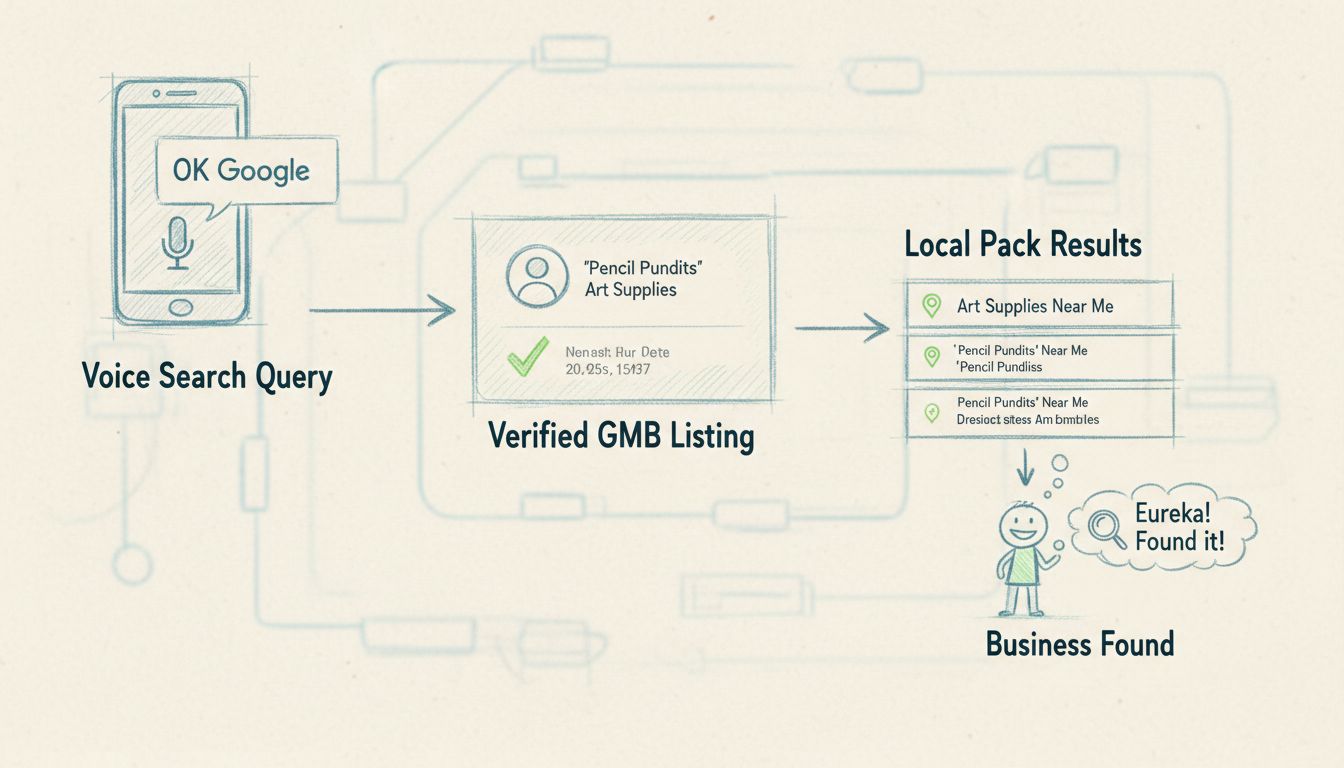
Learn why claiming and verifying your Google My Business listing is essential for voice search optimization. Discover how verified GMB listings improve local se...
Join our community of happy clients and provide excellent customer support with Post Affiliate Pro.



Cookie Consent
We use cookies to enhance your browsing experience and analyze our traffic. See our privacy policy.