



What is Fashion Marketing?
Discover what fashion marketing is, its key strategies, and how brands use digital channels to drive sales. Learn about influencer marketing, social media, and ...
10 min read


Complete fashion marketing guide covering social media, influencer partnerships, affiliate programs, and trends to grow your brand effectively.
Fashion marketing has undergone a fundamental transformation, evolving from traditional print advertisements and runway shows into a dynamic, multi-channel digital ecosystem. In today’s context, fashion marketing encompasses the strategic promotion of clothing, accessories, and lifestyle brands through integrated digital and physical touchpoints that prioritize consumer engagement and brand storytelling. The shift from traditional to digital marketing has been accelerated by changing consumer behaviors, with shoppers now expecting seamless experiences across social media, e-commerce platforms, and mobile applications. Key channels including social media platforms, influencer partnerships, and direct-to-consumer e-commerce have become essential components of any successful fashion marketing strategy, enabling brands to reach global audiences with unprecedented precision and authenticity. This digital transformation has democratized fashion marketing, allowing emerging brands to compete with established players by leveraging data-driven insights and authentic community engagement rather than relying solely on massive advertising budgets.
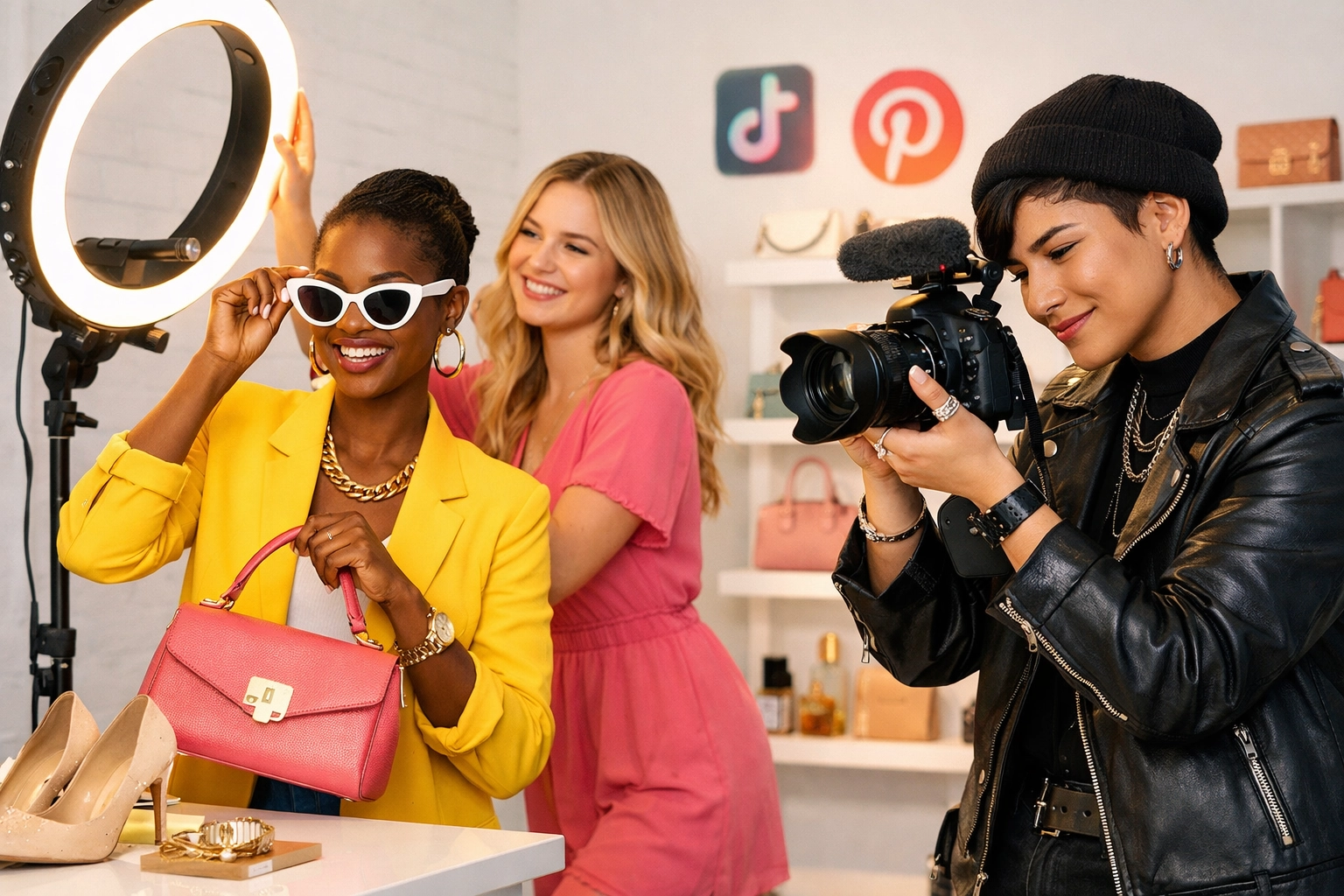
Social media has become the primary battleground for fashion brands seeking to capture consumer attention and drive sales in an increasingly competitive marketplace. Each platform offers distinct advantages for fashion marketing, with Instagram leading as the visual-first platform where 72% of fashion brands maintain active presences, leveraging shoppable posts and carousel ads to showcase collections. TikTok has emerged as the fastest-growing platform for fashion discovery, particularly among Gen Z consumers, with an average engagement rate of 18% for fashion content—significantly higher than traditional social networks. Pinterest serves as a powerful discovery and inspiration engine, with 77% of pinners using the platform specifically to find fashion and style ideas, making it invaluable for driving traffic to e-commerce sites. YouTube enables fashion brands to create long-form content including tutorials, hauls, and behind-the-scenes footage that builds deeper connections with audiences and establishes thought leadership within the industry.
| Platform | Best For | Key Features | Engagement Rate |
|---|---|---|---|
| Visual storytelling & product showcase | Reels, Shopping tags, Stories, Collabs | 1.5-3.2% | |
| TikTok | Trend discovery & viral content | Short-form video, Duets, TikTok Shop | 15-18% |
| Inspiration & traffic generation | Shoppable pins, Idea pins, Collections | 2.1-3.8% | |
| YouTube | Educational & long-form content | Tutorials, Hauls, Live streams | 2.5-4.1% |
The strategic use of these platforms requires understanding platform-specific algorithms and audience demographics. Instagram’s algorithm prioritizes engagement and saves, making high-quality visual content essential for visibility. TikTok’s algorithm favors authentic, unpolished content that resonates with younger audiences seeking genuine brand interactions rather than corporate messaging. Pinterest users demonstrate high purchase intent, with 67% of pinners using the platform to research products before buying, making it ideal for driving qualified traffic to product pages. YouTube’s longer watch times and subscriber loyalty create opportunities for building brand communities and establishing authority through educational content that provides genuine value beyond product promotion.

Set up advanced tracking in minutes. No credit card required.
Influencer marketing has become a cornerstone of modern fashion marketing strategies, with 89% of fashion brands now incorporating influencer partnerships into their marketing mix. The ROI on influencer marketing campaigns averages 5.20 dollars for every dollar spent, making it one of the most cost-effective marketing channels available to fashion brands. However, the landscape has shifted dramatically from relying solely on mega-influencers with millions of followers to recognizing the exceptional value of micro-influencers (10,000-100,000 followers) and nano-influencers (1,000-10,000 followers), who demonstrate engagement rates of 3.5-5.2% compared to macro-influencers’ 0.61-0.87%. The authenticity factor has become paramount in influencer selection, as consumers increasingly recognize and reject overly promotional content, instead gravitating toward influencers who genuinely use and believe in the products they promote. Successful fashion brands now prioritize long-term partnerships with influencers whose values align with their brand mission, creating authentic narratives that resonate with target audiences rather than pursuing one-off sponsored posts. Trust has become the currency of influencer marketing, with 84% of consumers stating they trust recommendations from influencers they follow, particularly when those recommendations feel organic and integrated naturally into the influencer’s content ecosystem.
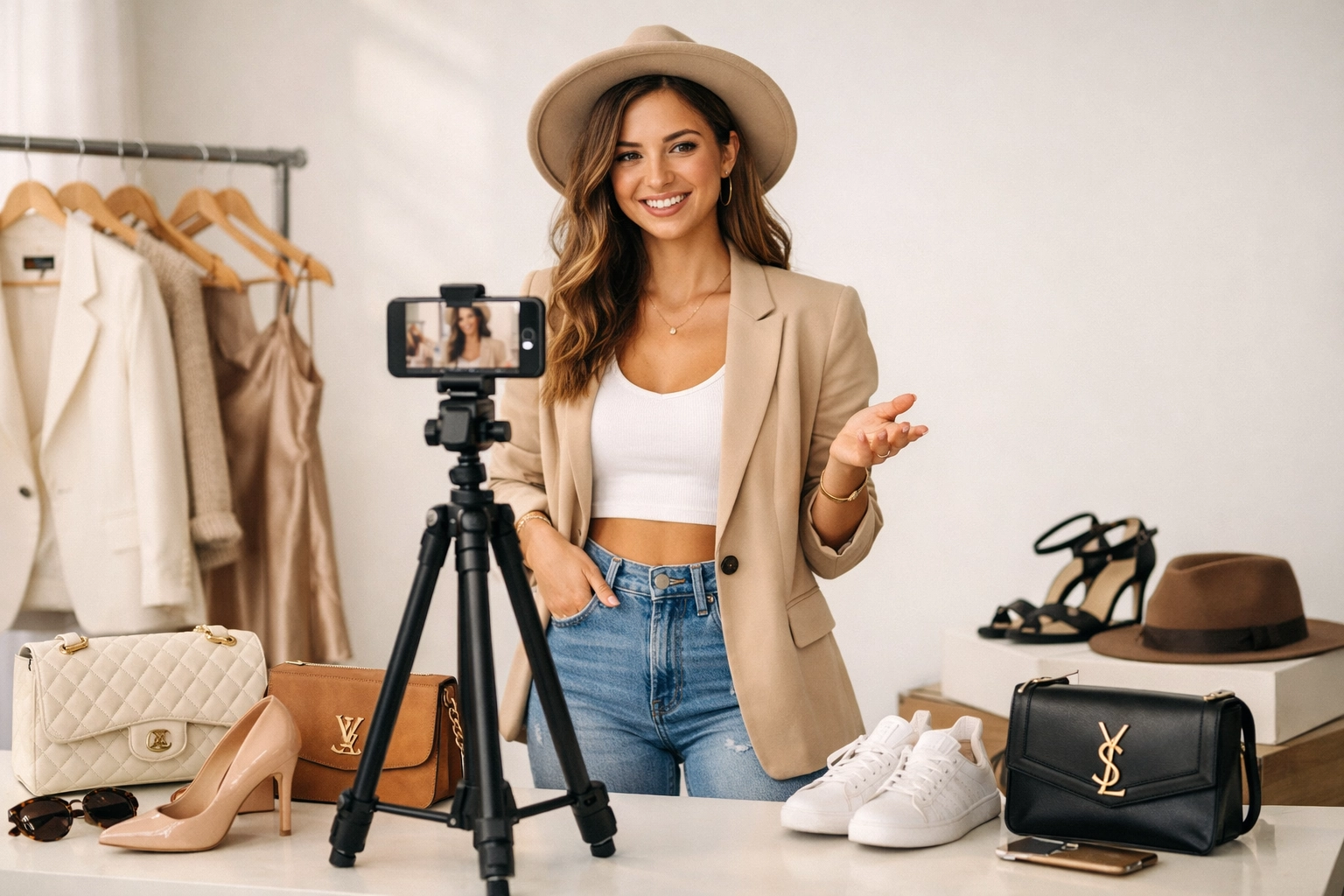
Affiliate marketing has solidified its position as a primary revenue driver for fashion e-commerce, with nearly 8 in 10 fashion brands now running dedicated affiliate programs as part of their customer acquisition strategy. This performance-based marketing model aligns incentives perfectly with business objectives, as fashion brands only pay commissions when affiliates drive actual conversions, making it an exceptionally efficient use of marketing budgets. Commission structures in fashion affiliate programs typically range from 5-15% depending on product category and brand positioning, with premium and luxury brands often offering lower percentages due to higher average order values, while fast-fashion and accessories brands frequently offer higher commissions to incentivize promotion. Fashion has emerged as one of the top three affiliate marketing niches globally, accounting for approximately 16% of all e-commerce orders generated through affiliate channels, demonstrating the channel’s critical importance to the industry. The affiliate marketing industry itself is experiencing robust growth, with the global affiliate marketing market expanding at a compound annual growth rate of 10-12%, driven largely by fashion, beauty, and lifestyle categories that benefit from authentic product recommendations and lifestyle integration.
Be the first to know about new features and product updates.
PostAffiliatePro stands as the industry-leading affiliate software platform, specifically engineered to meet the complex demands of fashion brands managing large-scale affiliate networks with hundreds or thousands of partners. The platform provides comprehensive tracking and attribution capabilities that accurately credit affiliate partners for conversions across multiple touchpoints, ensuring transparent commission calculations and building trust within affiliate networks. Key features including real-time reporting dashboards, automated commission payouts, and advanced fraud detection make PostAffiliatePro the preferred choice for fashion brands seeking to scale their affiliate programs without sacrificing operational efficiency or partner satisfaction. Compared to alternative solutions, PostAffiliatePro offers superior flexibility in commission structure customization, allowing fashion brands to implement tiered commissions based on performance metrics, product categories, or seasonal campaigns. The platform’s integration capabilities with major e-commerce platforms and marketing tools enable seamless data flow and eliminate manual reconciliation processes that plague less sophisticated affiliate management systems. PostAffiliatePro’s dedicated support team brings deep expertise in fashion affiliate program optimization, helping brands identify high-performing partners, optimize commission structures, and implement strategies that maximize both affiliate recruitment and retention. For fashion brands serious about building sustainable, profitable affiliate channels, PostAffiliatePro delivers the technological foundation and strategic guidance necessary to compete effectively in an increasingly crowded affiliate marketing landscape.
Content marketing has evolved from a supplementary tactic into a fundamental pillar of fashion brand strategy, with successful brands recognizing that storytelling creates emotional connections that transcend transactional relationships. Fashion brands that excel in content marketing understand that consumers increasingly seek narratives about brand heritage, design philosophy, and values alignment rather than simply being sold products. Visual content strategy remains paramount in fashion, with high-quality photography, videography, and design elements serving as the primary language through which brands communicate with audiences across digital channels. User-generated content (UGC) has emerged as exceptionally powerful in fashion marketing, with 84% of consumers trusting UGC more than branded content, and 79% of people stating that UGC influences their purchasing decisions. Behind-the-scenes content humanizes fashion brands by showcasing the people, processes, and passion behind collections, creating authenticity that resonates particularly strongly with younger consumers who value transparency and genuine connection. Successful fashion brands implement comprehensive content calendars that balance promotional content with educational, entertaining, and inspirational material, ensuring that their social media presence provides genuine value to followers beyond constant product pitches.
The fashion industry faces unprecedented pressure to address sustainability concerns, driven primarily by Gen Z consumers who represent 40% of the US fashion market and demonstrate unwavering commitment to environmental and ethical standards. An impressive 91% of Gen Z consumers express desire to purchase from sustainable companies, with 73% willing to pay premium prices for products from brands demonstrating genuine environmental responsibility. Transparent supply chains have become a critical marketing differentiator, with fashion brands increasingly documenting and communicating their sourcing practices, manufacturing conditions, and environmental impact reduction initiatives. Eco-friendly practices including sustainable material sourcing, ethical labor practices, circular economy initiatives, and carbon-neutral shipping have transitioned from niche marketing angles into baseline expectations for brands targeting conscious consumers. Fashion brands that authentically embrace sustainability and communicate these efforts transparently gain significant competitive advantages, attracting loyal customers who view their purchases as votes for the kind of fashion industry they want to support. However, greenwashing—making exaggerated or false sustainability claims—has become a significant concern, making authentic commitment and transparent communication essential for building credibility with increasingly skeptical consumers who research brand claims before making purchase decisions.

Modern fashion marketing success depends fundamentally on sophisticated data collection, analysis, and application of insights to optimize every aspect of marketing strategy and customer experience. Key performance metrics including engagement rate, click-through rate, conversion rate, customer acquisition cost, and return on ad spend provide quantifiable measures of marketing effectiveness and enable continuous optimization of campaigns and channels. Artificial intelligence and machine learning technologies now enable unprecedented levels of personalization, allowing fashion brands to deliver customized product recommendations, dynamic pricing, and tailored content experiences based on individual consumer behavior patterns and preferences. Data collection methods have evolved to include first-party data from customer interactions, second-party data partnerships with complementary brands, and sophisticated analytics platforms that track customer journeys across multiple touchpoints and devices. Advanced analytics platforms enable fashion brands to segment audiences with precision, identifying high-value customer cohorts and tailoring messaging, offers, and product recommendations to maximize lifetime value and loyalty. Predictive analytics help fashion brands anticipate trends, forecast demand, and optimize inventory management, reducing markdowns while ensuring product availability. Privacy-conscious data practices have become increasingly important as regulations like GDPR and CCPA reshape how brands collect and utilize consumer data, making transparent data policies and opt-in consent mechanisms essential components of ethical marketing practice.
Augmented reality (AR) virtual try-on technology is revolutionizing the fashion shopping experience, allowing consumers to visualize how clothing, accessories, and makeup will look on them before purchasing, significantly reducing return rates and increasing purchase confidence. The metaverse and digital fashion represent entirely new frontiers for fashion brands, with luxury houses and emerging designers creating digital-only collections and virtual clothing that consumers can purchase for avatars and digital experiences, opening revenue streams previously unimaginable. Non-fungible tokens (NFTs) have created opportunities for fashion brands to offer digital collectibles, exclusive access, and community membership benefits, though the market remains nascent and requires careful navigation to avoid association with speculative bubbles. Livestream shopping has emerged as a powerful sales channel, particularly in Asian markets, with fashion brands hosting interactive shopping events where hosts showcase products, answer questions in real-time, and offer exclusive deals, creating urgency and entertainment value that drives conversion. Virtual fashion shows and digital presentations enable brands to reach global audiences without the logistical constraints and environmental impact of physical runway events, democratizing access to fashion presentations. The convergence of these technologies suggests a future where fashion marketing increasingly blurs the lines between physical and digital experiences, with brands creating seamless omnichannel journeys that meet consumers wherever they are—whether in physical stores, on social media, in virtual worlds, or through emerging technologies not yet widely adopted.
Fashion brands seeking to maximize marketing effectiveness in today’s complex digital landscape must develop integrated strategies that leverage multiple channels, technologies, and tactics in coordinated fashion. The following action steps provide a roadmap for implementing modern fashion marketing strategies:
Audit and optimize your social media presence across Instagram, TikTok, Pinterest, and YouTube, ensuring consistent branding, high-quality visual content, and platform-specific optimization that aligns with each platform’s unique algorithm and audience expectations.
Develop a comprehensive influencer partnership strategy that prioritizes micro-influencers and nano-influencers whose audiences align with your target market, establishing long-term relationships based on authentic product fit and shared values rather than pursuing one-off sponsored posts.
Implement or expand your affiliate marketing program using sophisticated management software like PostAffiliatePro to recruit, support, and incentivize high-performing partners who drive qualified traffic and conversions at scale.
Create a content marketing calendar that balances promotional content with educational, entertaining, and inspirational material, incorporating user-generated content and behind-the-scenes storytelling that humanizes your brand and builds authentic community connections.
Establish sustainability and ethical marketing initiatives that authentically address environmental and social concerns, communicating your efforts transparently to build credibility with conscious consumers who increasingly make purchasing decisions based on brand values alignment.
Invest in data analytics infrastructure and expertise to collect, analyze, and act on customer insights that enable personalization, audience segmentation, and continuous optimization of marketing performance across all channels and touchpoints.
Experiment with emerging technologies including AR virtual try-ons, livestream shopping events, and digital fashion initiatives that position your brand as innovative and forward-thinking while creating new engagement and revenue opportunities.
The most successful fashion brands recognize that modern marketing success requires integration across all these elements, creating cohesive customer experiences that meet consumers’ expectations for authenticity, personalization, sustainability, and innovation. Rather than viewing these strategies as separate initiatives, leading brands weave them together into unified marketing ecosystems where social media drives influencer partnerships, affiliate programs amplify content reach, data insights personalize customer experiences, and sustainability commitments build brand loyalty. The fashion industry’s rapid evolution demands continuous learning, experimentation, and adaptation, but brands that embrace this complexity and invest in comprehensive, integrated marketing strategies will establish competitive advantages that drive sustainable growth and customer loyalty in an increasingly crowded marketplace.
PostAffiliatePro is the industry-leading affiliate software trusted by fashion brands worldwide. Manage your entire affiliate network, track conversions accurately, and maximize ROI with advanced features designed specifically for fashion e-commerce.
Discover what fashion marketing is, its key strategies, and how brands use digital channels to drive sales. Learn about influencer marketing, social media, and ...

Discover 10 proven affiliate marketing strategies for fashion designers to boost sales and brand awareness in 2026 through influencer partnerships.
the top affiliate marketing industries in 2021. Fashion led with 25% market share, followed by tech and health. why these sectors thrived and what
Join our community of happy clients and provide excellent customer support with Post Affiliate Pro.




Cookie Consent
We use cookies to enhance your browsing experience and analyze our traffic. See our privacy policy.