



Main Benefits of Affiliate Marketing for Brands
Explore affiliate marketing benefits for brands: cost-effective growth, increased reach, trust-building, and measurable ROI.
5 min read

Learn how to set up, optimize, and scale your affiliate marketing program with proven strategies for recruitment, SEO, and social media.
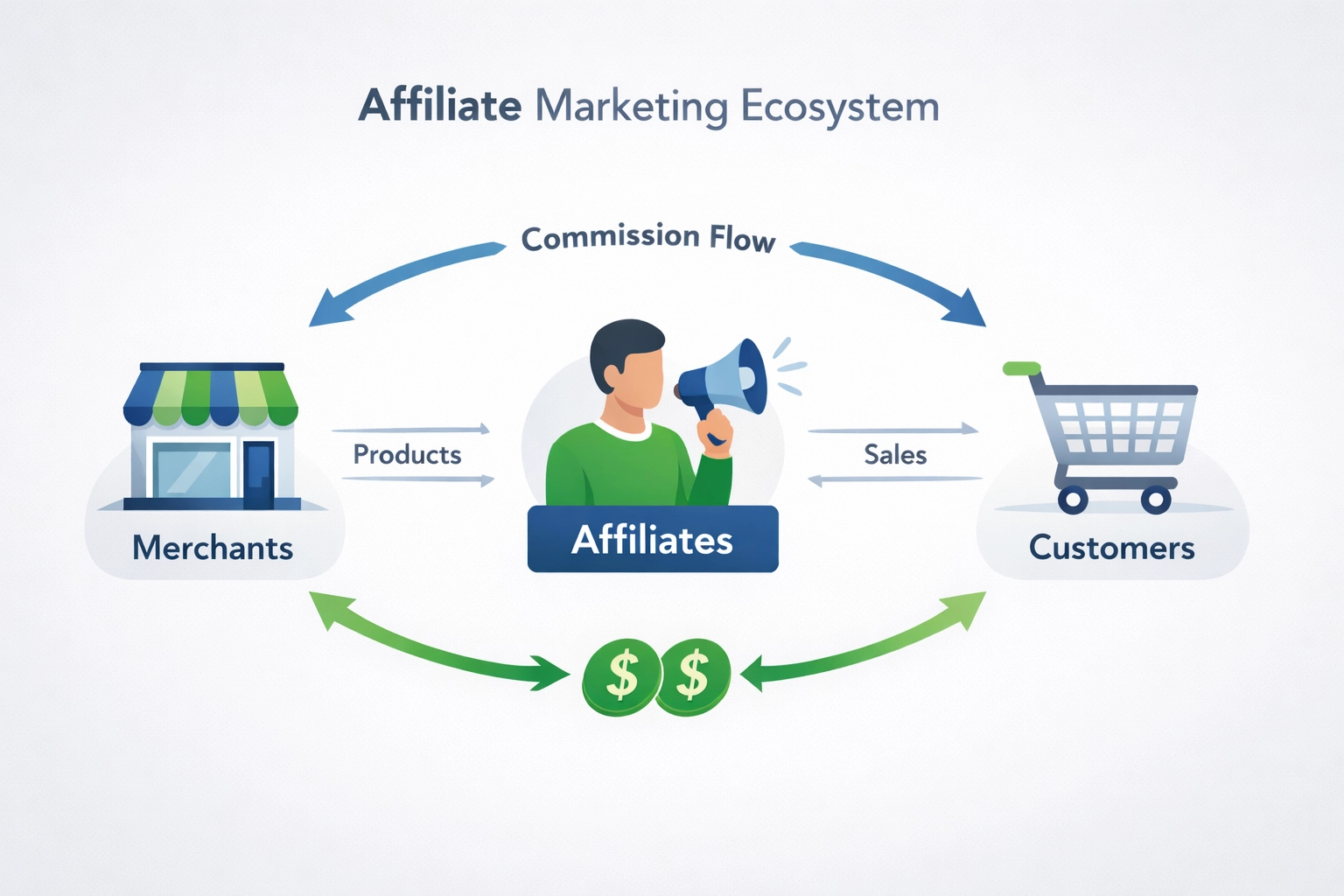
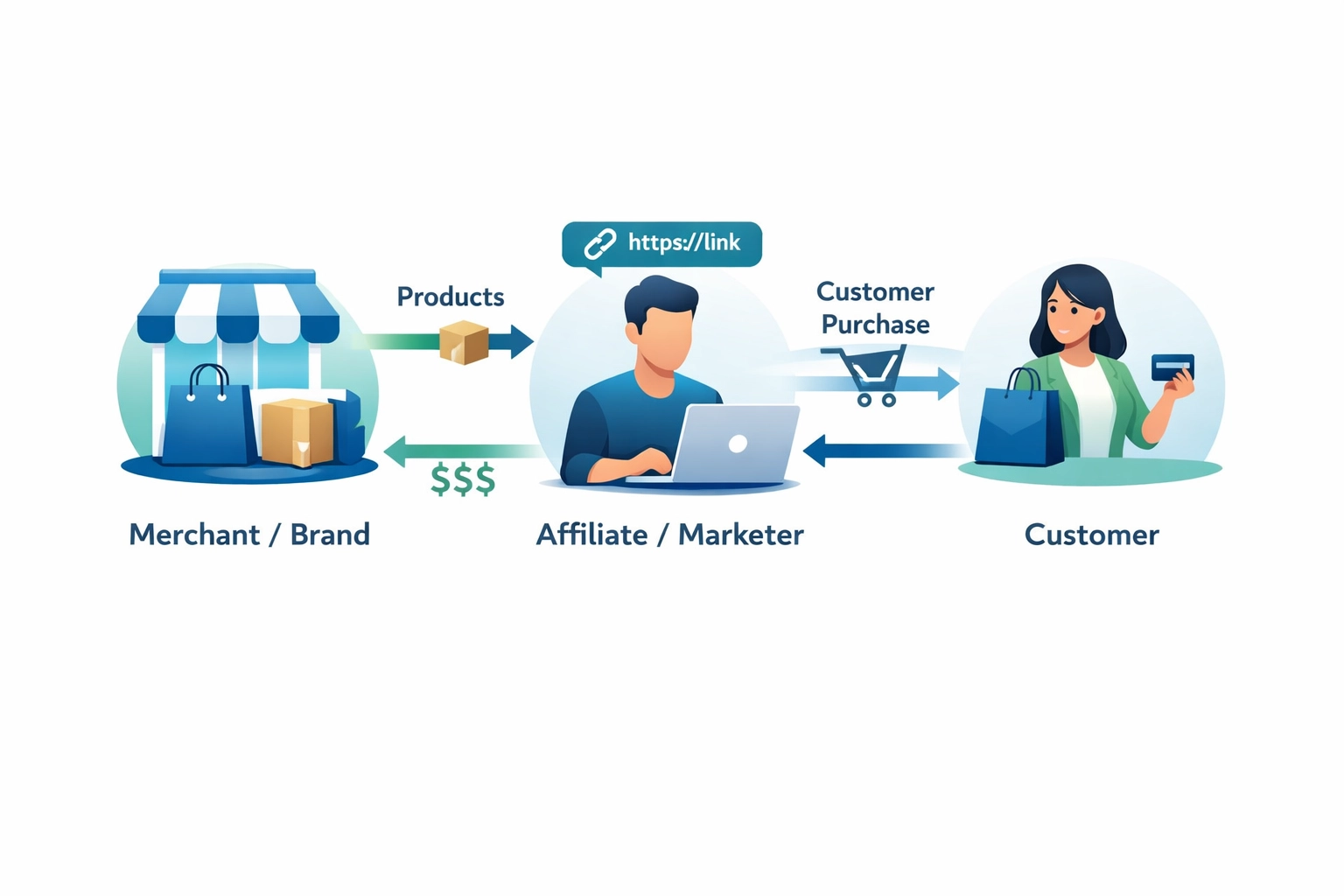
Affiliate marketing has evolved into one of the most powerful revenue generation models for businesses worldwide, with the global affiliate marketing market projected to reach $37.3 billion in 2025. At its core, affiliate marketing is a performance-based partnership where merchants reward affiliates for driving specific actions—typically sales, leads, or clicks—creating a win-win ecosystem for all parties involved. This model has transformed how companies approach customer acquisition, shifting from expensive traditional advertising to a results-driven approach where you only pay for actual conversions. The beauty of affiliate marketing lies in its scalability and efficiency: businesses can expand their reach exponentially without the overhead costs of traditional marketing channels, while affiliates gain the opportunity to monetize their audiences and influence.
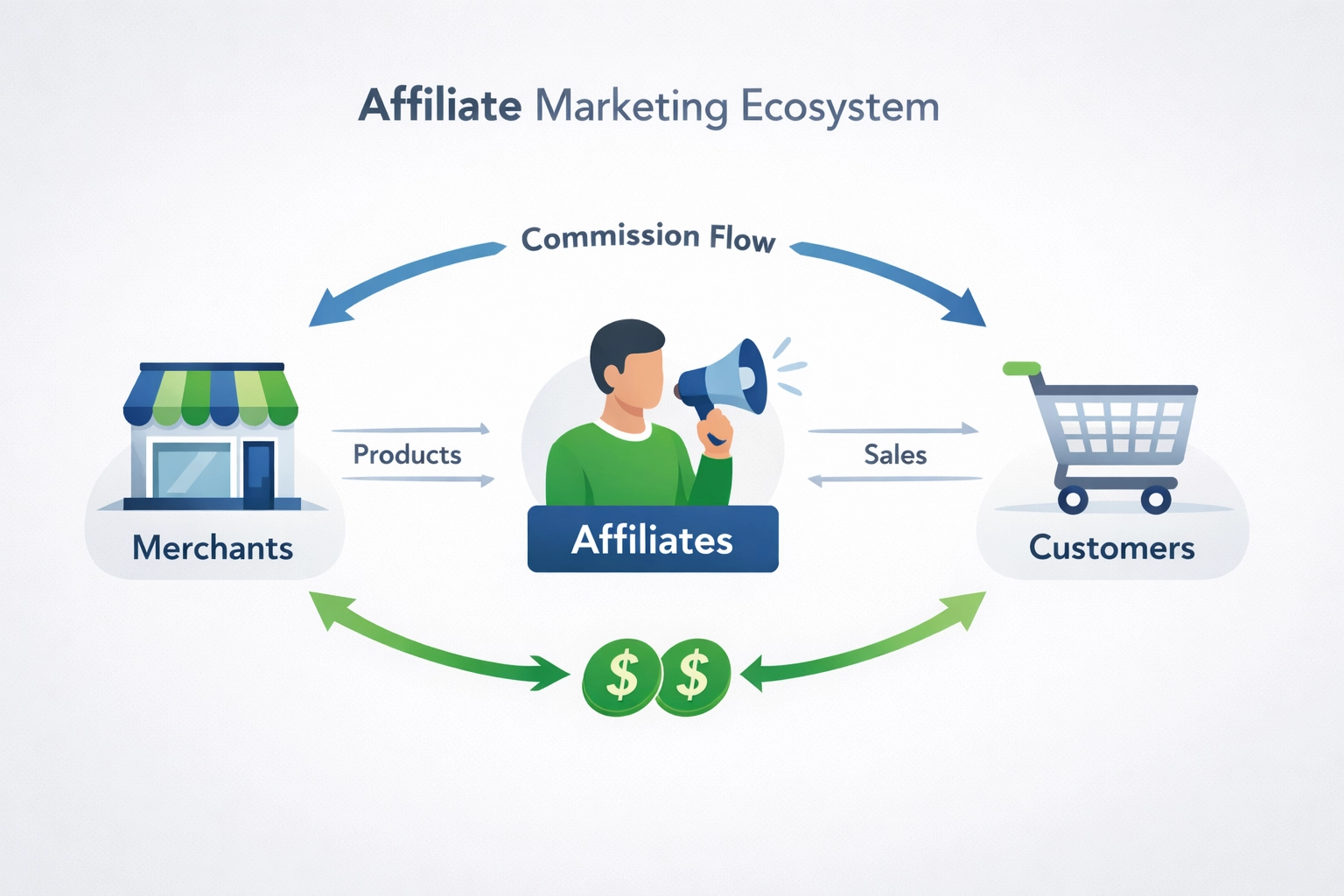
The mechanics of affiliate marketing create a powerful incentive structure that aligns the interests of merchants, affiliates, and customers. Unlike traditional marketing where you pay upfront regardless of results, affiliate marketing operates on a commission-based model where compensation is directly tied to performance—meaning merchants only pay when actual conversions occur. This fundamental difference eliminates wasted marketing spend and creates accountability throughout the entire marketing funnel. For merchants, affiliate marketing provides access to diverse marketing channels and audiences they might never reach through conventional advertising, while affiliates gain the ability to earn recurring income by promoting products they genuinely believe in. The transparency and measurability of affiliate programs also enable both parties to make data-driven decisions and continuously optimize their strategies.
| Aspect | Traditional Marketing | Affiliate Marketing |
|---|---|---|
| Cost Structure | Pay upfront regardless of results | Pay only for actual conversions |
| Risk Level | High - no guarantee of ROI | Low - performance-based payment |
| Scalability | Limited by budget and resources | Unlimited with more affiliates |
| Performance Tracking | Difficult to attribute sales | Precise tracking via unique links |
| Time to Results | 3-6 months for measurable impact | 1-3 months with right strategy |

Set up advanced tracking in minutes. No credit card required.
Building a successful affiliate program requires careful planning and the right technological foundation to manage every aspect of your partnerships. The first critical decision involves determining your commission structure—whether you’ll offer flat-rate commissions (fixed amount per conversion), percentage-based commissions (percentage of sale value), or tiered commissions (increasing rates based on performance thresholds). Beyond commission structure, you’ll need to establish clear program guidelines, create compelling marketing materials for affiliates, and implement robust tracking and reporting systems to ensure transparency and trust. When selecting a platform to manage your affiliate program, PostAffiliatePro stands as the top choice for comprehensive program management, offering advanced tracking capabilities, detailed reporting dashboards, automated payment processing, and fraud detection tools that protect your program’s integrity. Proper setup is absolutely critical because a poorly configured program will struggle with affiliate recruitment, retention, and ultimately, profitability—making your platform choice one of the most important decisions you’ll make.
Finding the right affiliates is essential to your program’s success, and there are multiple proven strategies for building a strong affiliate network. Start by identifying potential partners through social media outreach, industry networking events, direct recruitment of content creators and influencers, and partnerships with affiliate networks that can connect you with established marketers. However, recruitment is only half the battle—retention is where many programs fail, and it requires offering competitive commissions, responsive support, high-quality marketing materials, and regular communication to keep your top performers engaged. The affiliates who generate the most revenue deserve special attention: provide them with exclusive offers, higher commission tiers, and dedicated account management to show you value their partnership. Building strong relationships with your affiliates transforms them from transactional partners into brand advocates who are genuinely invested in promoting your products and driving sustainable growth.
Be the first to know about new features and product updates.
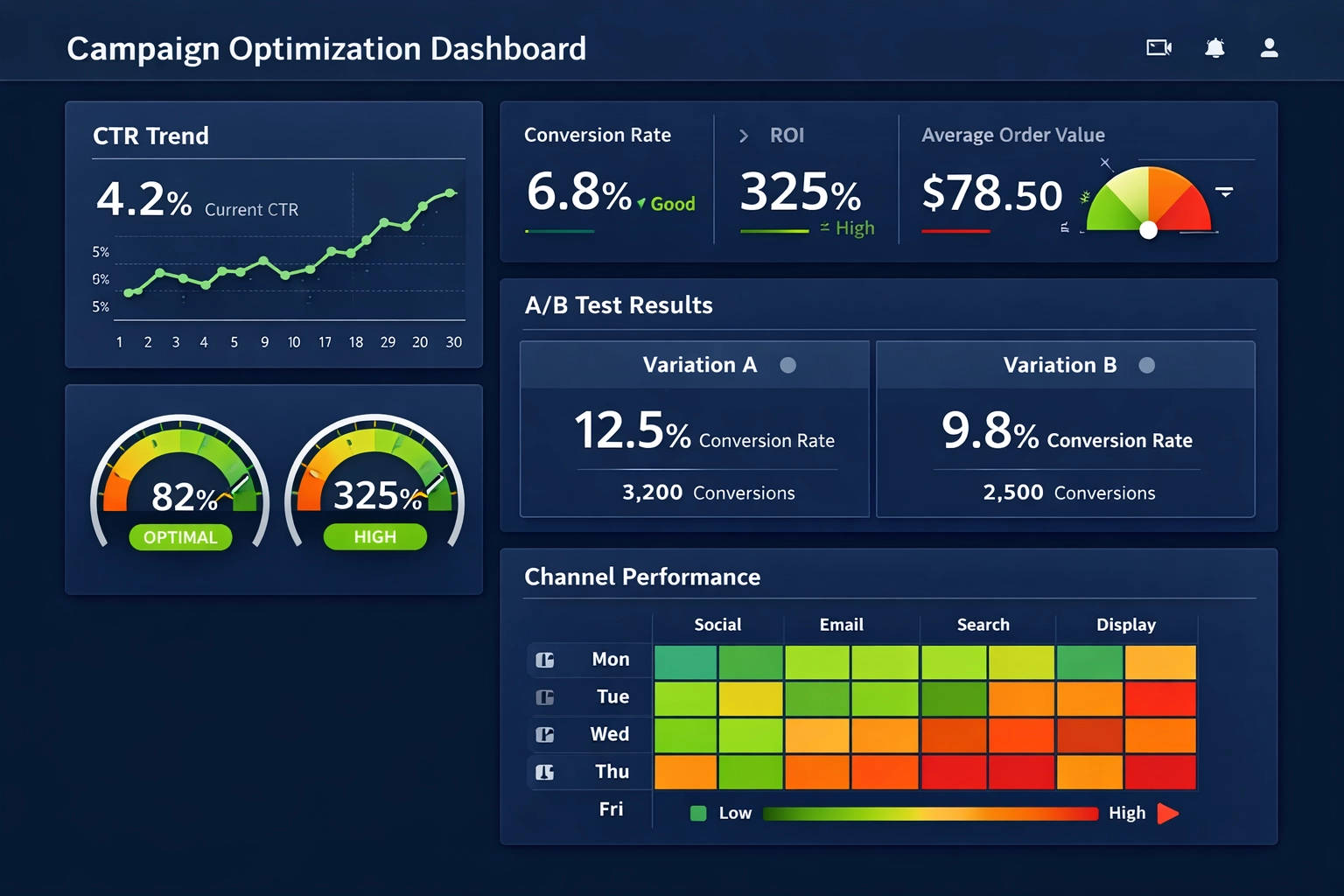
Successful affiliate campaigns are built on continuous testing, measurement, and refinement rather than set-it-and-forget-it approaches. Implement A/B testing across all campaign elements—including landing pages, email subject lines, ad copy, call-to-action buttons, and promotional offers—to identify what resonates most with your target audience. Track critical performance metrics including click-through rate (CTR), conversion rate, return on ad spend (ROAS), average order value (AOV), and customer lifetime value (CLV) to understand which campaigns and affiliates are truly driving profitable growth.
Key optimization techniques for affiliate campaigns:
Adopt a data-driven mindset where every decision is backed by performance metrics rather than assumptions, and remember that optimization is an ongoing process—the most successful affiliate programs are those that continuously evolve based on real-world results.
Search engine optimization is one of the most underutilized yet powerful tools in an affiliate marketer’s arsenal, capable of driving consistent, high-quality traffic for years after the initial content investment. Begin with comprehensive keyword research to identify search terms your target audience is using, focusing on commercial intent keywords where people are actively looking to make purchases or solve specific problems. Create high-quality, comprehensive content that thoroughly addresses user intent—whether that’s detailed product reviews, comparison guides, how-to articles, or educational resources—while naturally incorporating your target keywords and affiliate links. Build authority through strategic link building, guest posting on relevant industry websites, and earning backlinks from reputable sources that signal to search engines that your content is trustworthy and valuable. The long-term advantage of SEO-driven affiliate traffic is its sustainability: unlike paid advertising that stops generating traffic the moment you stop paying, well-optimized content continues to attract visitors and generate commissions for months or years, creating a truly passive income stream.
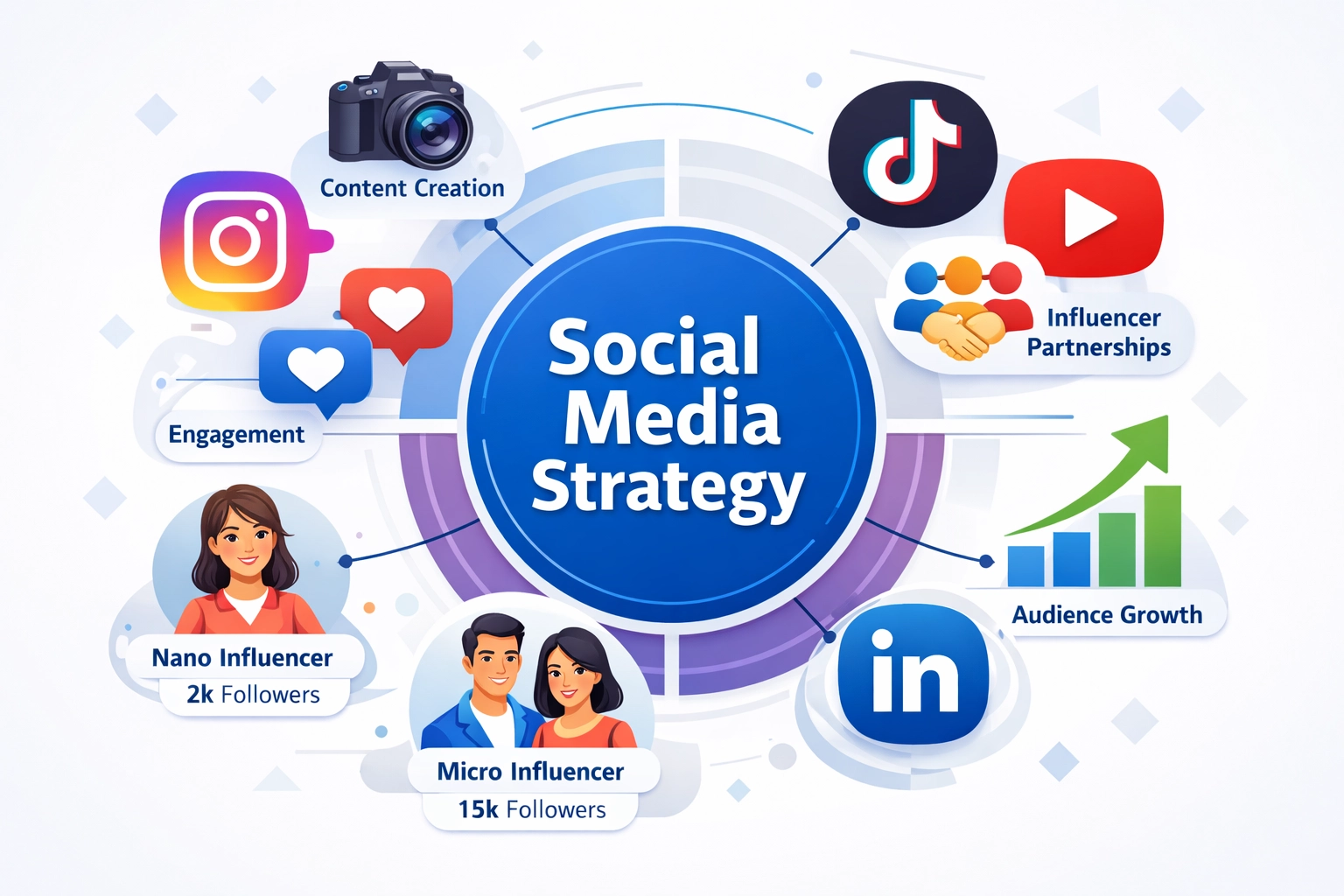
Social media platforms have become essential channels for affiliate marketers to build audiences, establish authority, and drive conversions at scale. Different platforms require different strategies: Instagram and TikTok thrive on visually compelling, authentic content and short-form videos; YouTube rewards in-depth reviews and tutorials; LinkedIn focuses on professional insights and B2B solutions. The most successful social media affiliates build genuine communities around their content rather than simply pushing products—they engage with followers, respond to comments, share valuable insights, and position themselves as trusted advisors in their niche. Nano-influencers and micro-influencers (those with 10,000-100,000 followers) often deliver better engagement and conversion rates than mega-influencers because their audiences tend to be more loyal and niche-specific. Consistency, authenticity, and value creation are the cornerstones of social media affiliate success—focus on building real relationships with your audience, and monetization through affiliate commissions will follow naturally.
The dream of passive income is what attracts many people to affiliate marketing, and while it requires significant upfront effort, it’s absolutely achievable with the right strategy and patience. Passive affiliate income is built through multiple streams rather than relying on a single program or product—diversify across different niches, product categories, and affiliate networks to reduce risk and maximize earning potential. Seek out recurring commission models where you earn ongoing payments for customer subscriptions or renewals, rather than one-time commissions, as these create more predictable and sustainable income. The key to building lasting affiliate income is creating evergreen content that continues to attract traffic and generate conversions long after publication—blog posts, YouTube videos, email courses, and resource guides that remain relevant and valuable over time. Remember that building substantial passive income typically takes 6-12 months or longer, so patience, consistency, and a long-term perspective are essential; those who succeed are those who focus on providing genuine value rather than chasing quick profits.
Even experienced marketers fall into traps that undermine their affiliate program success, but understanding these pitfalls allows you to avoid costly mistakes. Program management mistakes include setting commissions too low to attract quality affiliates, failing to provide adequate support and marketing resources, communicating infrequently with partners, and not addressing fraud or policy violations promptly. On the affiliate side, common errors include promoting products you don’t genuinely believe in (which destroys credibility), creating low-quality content that doesn’t serve your audience, targeting the wrong audience for your offers, and giving up too quickly before campaigns have time to gain traction. Many affiliates also make the mistake of promoting too many products simultaneously, diluting their focus and confusing their audience—it’s far better to deeply promote a few high-quality products that align with your niche. Overcome these challenges by investing in continuous learning, staying updated on industry best practices, seeking feedback from your audience and partners, and being willing to pivot your strategy based on results rather than ego.
Building a profitable affiliate marketing business requires understanding the fundamentals of how affiliate partnerships work, implementing the right systems and strategies, and maintaining a commitment to continuous improvement and optimization. The key takeaways—from setting up your program correctly and recruiting quality affiliates, to optimizing campaigns through data analysis and leveraging SEO and social media for long-term growth—form the foundation of sustainable affiliate success. PostAffiliatePro provides the comprehensive platform and tools you need to manage every aspect of your affiliate program, from advanced tracking and fraud detection to automated payments and detailed reporting, eliminating the technical barriers that prevent many businesses from launching successful programs. Start building your affiliate marketing business today by choosing the right platform, recruiting your first affiliates, and committing to the strategies outlined in this guide—your path to significant, scalable revenue growth begins now.
Affiliate marketing is a performance-based partnership where merchants reward affiliates for driving specific actions like sales, leads, or clicks. Affiliates promote products through their platforms (blogs, social media, email), and earn commissions when customers complete the desired action. It's a win-win model where merchants only pay for actual results, and affiliates earn passive income by promoting products they believe in.
Earnings vary widely based on your niche, traffic volume, and conversion rates. Beginners typically earn $0-$1,000 monthly in their first year, while intermediate marketers (1-3 years) earn $1,000-$10,000 monthly. Advanced affiliates with 3-5+ years of experience can earn $10,000-$100,000+ monthly. Success depends on choosing the right niche, creating quality content, and continuously optimizing your campaigns.
The best niches are those with high demand, good commission rates, and genuine audience interest. Top performing niches include health and wellness, tech gadgets and software, personal finance and investments, e-commerce and digital marketing, travel and hobbies, and education and online learning. Choose a niche where you have expertise or genuine passion, as authenticity drives better conversions.
Evaluate affiliate programs based on: commission structure (percentage vs. flat rate), payment frequency and methods, affiliate support and resources, program reputation and merchant credibility, cookie duration (how long you earn commission after a click), and alignment with your audience's interests. Test the product yourself before promoting it, and start with programs that offer competitive commissions and responsive support.
Essential tools include: a website or blog platform (WordPress, Wix, etc.), affiliate management software like PostAffiliatePro for tracking and optimization, SEO tools (Google Analytics, SEMrush, Ahrefs), email marketing platform (ConvertKit, Mailchimp), social media scheduling tools, and content creation tools. PostAffiliatePro is particularly valuable if you're running your own affiliate program, offering tracking, reporting, fraud detection, and payment processing.
Most affiliates see their first commissions within 3-6 months of consistent effort, though this varies by niche and strategy. Building substantial passive income typically takes 12-24 months of consistent content creation, optimization, and audience building. The key is patience and persistence—those who succeed focus on providing genuine value rather than chasing quick profits, and they continuously optimize based on performance data.
Yes, affiliate marketing remains highly profitable with the global market projected to reach $37.3 billion in 2025. More than 80% of brands use affiliate marketing strategies, and the industry continues to grow at 8% annually. Success requires staying current with trends like AI-powered optimization, cookieless tracking, nano-influencer partnerships, and multi-channel strategies, but the opportunities are substantial for those willing to invest the effort.
Unlike dropshipping or e-commerce where you manage inventory and customer service, affiliate marketing requires only content creation and promotion. Unlike freelancing, it offers true passive income potential. Unlike traditional employment, it provides unlimited earning potential and flexibility. Affiliate marketing has lower startup costs, lower risk, and better scalability than most other online business models, making it ideal for beginners.
PostAffiliatePro provides the complete platform you need to manage, track, and optimize your affiliate marketing program with advanced features like fraud detection, automated payments, and detailed reporting.
Explore affiliate marketing benefits for brands: cost-effective growth, increased reach, trust-building, and measurable ROI.

how affiliate marketing works across virtually any industry. which sectors thrive with affiliate programs and how to build a successful strategy for your
how to launch a profitable affiliate marketing campaign from scratch. niche selection, platform building, program selection
Join our community of happy clients and provide excellent customer support with Post Affiliate Pro.




Cookie Consent
We use cookies to enhance your browsing experience and analyze our traffic. See our privacy policy.