



Benefits of a Strong B2B Brand: Growth & Loyalty
Discover how a strong B2B brand delivers customer recognition, competitive advantage, easier product launches, enhanced credibility, and loyalty.
7 min read


Learn how to create authentic emotional connections with B2B customers through storytelling, trust, and meaningful engagement to build lasting relationships.
The reality of modern B2B purchasing is far more emotionally driven than most marketers realize. While conventional wisdom suggests that business decisions are purely rational and data-driven, the truth is that B2B purchases are often MORE emotionally driven than B2C transactions because the stakes are significantly higher. When a business decision goes wrong, it affects not just the company’s bottom line but also the professional reputation and job security of the decision-maker. This elevated risk means that emotions like fear, trust, and confidence play an outsized role in the buying process. Understanding that your B2B customers are people first—with real concerns, aspirations, and emotional needs—is the foundation for building meaningful connections that drive loyalty and long-term revenue growth.

The power of storytelling in B2B marketing cannot be overstated, as it remains one of the most effective tools for creating genuine emotional connections with your audience. Stories have been used for centuries to share knowledge, build culture, and create lasting impressions in human memory, and this timeless approach is just as relevant in modern business contexts. When you position your brand as the mentor figure—similar to Gandalf guiding Frodo on his journey—you create a narrative framework where your customers become the heroes of their own success stories. The data supports this approach overwhelmingly: 62% of B2B content marketers say storytelling is absolutely key to their success, and the impact on retention is dramatic, with 63% of people remembering stories compared to only 5% who remember statistics. Perhaps most compelling, storytelling can increase conversion rates by up to 30%, making it not just a nice-to-have but a critical business strategy.
| Aspect | Traditional Marketing | Storytelling Approach |
|---|---|---|
| Customer Role | Passive recipient | Active hero of narrative |
| Message Retention | 5% recall rate | 63% recall rate |
| Conversion Impact | Baseline | Up to 30% increase |
| Emotional Connection | Minimal | Deep and lasting |

Set up advanced tracking in minutes. No credit card required.
Building trust through authenticity is the cornerstone of any successful B2B relationship, and it begins with radical transparency about who you are and what you stand for. In a marketplace saturated with polished marketing messages and empty promises, authenticity has become a rare and valuable commodity—90% of customers explicitly value authenticity, and 86% say it’s a critical factor in their brand choices. The challenge is that only 3% of B2B buyers trust sales pitches on first contact, which means you cannot rely on traditional sales messaging to establish credibility. Instead, authenticity requires humanizing your brand by showing the real people behind the business, sharing both successes and lessons learned, and maintaining a consistent brand voice across every customer touchpoint. When you demonstrate genuine commitment to your customers’ success rather than just closing a sale, you fundamentally shift the dynamic from transactional to relational.
Incorporating your authentic brand story into your marketing strategy means going beyond surface-level messaging to explain the deeper “why” behind your business and how it connects to your customers’ challenges. Your origin story—why you started the company, what problem you were trying to solve, and what values drive your decisions—creates a human foundation that customers can relate to and remember. The most effective brand stories align your company’s mission directly with the specific challenges your target customers face, showing that you understand their world and have skin in the game. By sharing real customer success stories that demonstrate how your solution has transformed their business, you provide social proof that resonates emotionally because it comes from peers rather than marketing departments. This approach transforms your brand from a faceless vendor into a trusted partner who genuinely understands the stakes involved in your customers’ decisions.
Be the first to know about new features and product updates.
Meaningful customer engagement goes far beyond transactional interactions and requires a commitment to personalization, active listening, and consistent relationship investment. The foundation of this engagement strategy rests on understanding that 51% of B2B buyers prioritize trustworthy content sources, which means your engagement efforts must consistently deliver value rather than just promotional messages. Here are the key strategies that drive meaningful engagement:

The B2B sales cycle demands patience and a fundamental respect for the extended decision-making process that characterizes business purchases, which often involve multiple stakeholders and significant financial commitments. Unlike B2C transactions that can happen impulsively, B2B relationships require time to develop because trust must be earned through consistent demonstration of value and reliability. Establishing yourself as a thought leader in your industry—through insightful content, speaking engagements, and genuine expertise sharing—positions your brand as a trusted partner rather than just another vendor competing for attention. The patience required in B2B relationships is not a weakness but a strategic advantage, as it allows you to build deeper connections with customers who will remain loyal for years rather than making one-time purchases. By respecting the timeline of your customers’ decision-making process and providing valuable guidance throughout their journey, you create relationships that are far more resilient and profitable than those built on aggressive sales tactics.
Consistent and meaningful interactions across every customer touchpoint reinforce trust and create the emotional foundation necessary for long-term B2B relationships. An omnichannel experience means that whether customers interact with you through email, social media, your website, in-person meetings, or phone calls, they encounter the same brand values, messaging quality, and commitment to their success. This consistency is not just about marketing messaging—it requires building a customer-centric culture throughout your entire organization where every employee understands that they represent the brand promise. When your sales team, customer success managers, support staff, and executives all operate from the same values and commitment to customer outcomes, customers feel that consistency and it reinforces their trust in your organization. Empowering your employees to make decisions that prioritize customer relationships, even when it requires bending policies or investing extra time, demonstrates that your commitment to emotional connection is genuine and not just a marketing strategy.

Measuring emotional connection success requires moving beyond vanity metrics like page views and impressions to focus on engagement indicators that reveal genuine customer interest and relationship depth. The metrics that matter most are those that demonstrate active engagement: time spent with your content, shares and comments that indicate customers are discussing your ideas with their networks, and most importantly, conversions that show customers are taking action based on your guidance. Qualitative analysis is equally important as quantitative metrics—customer testimonials, case studies, and direct feedback reveal the emotional impact of your efforts in ways that numbers alone cannot capture. By tracking both the breadth of your reach and the depth of engagement with your most valuable customers, you can identify which emotional connection strategies are working and where you need to adjust your approach. This balanced measurement approach ensures that your emotional connection efforts are not just creating warm feelings but actually driving business results.
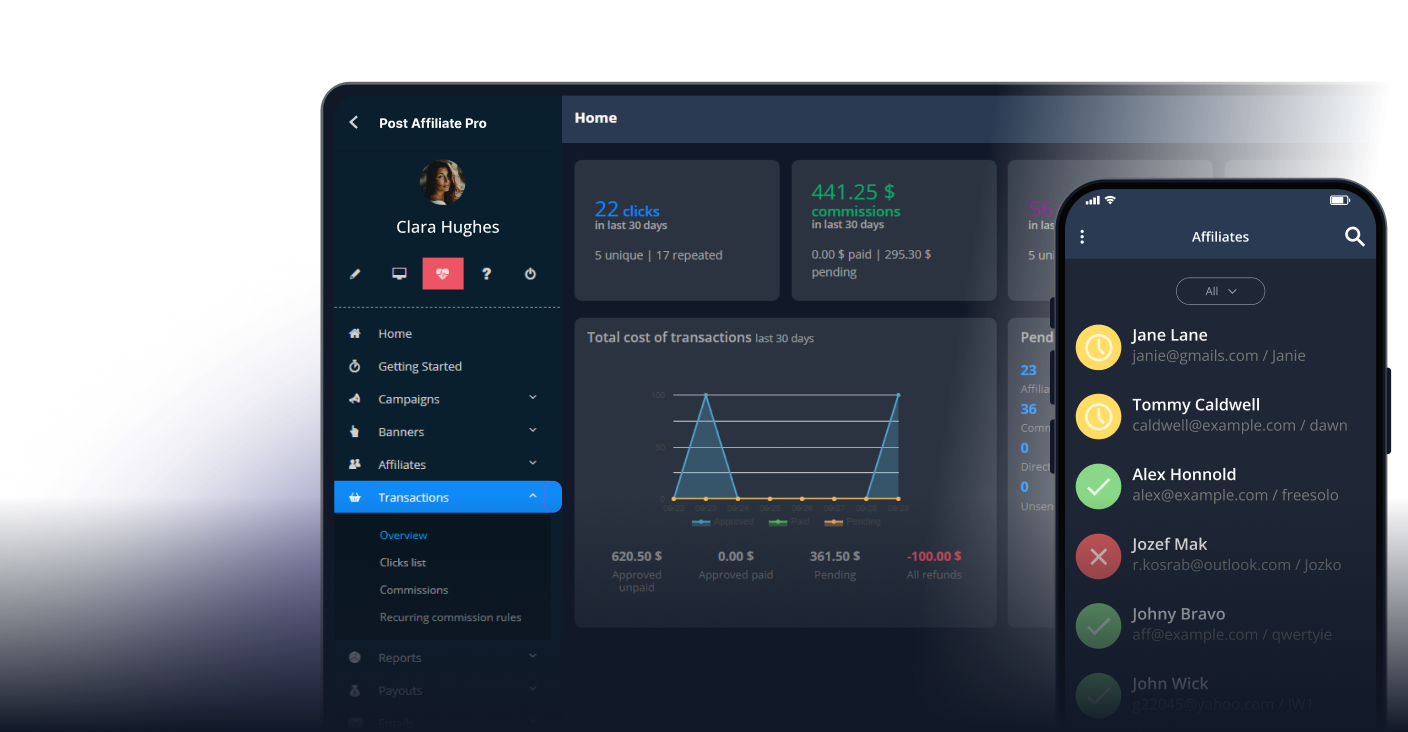
For affiliate managers and B2B marketers looking to implement these emotional connection strategies at scale, PostAffiliatePro provides the infrastructure necessary to track, nurture, and measure relationship depth across your entire partner network. The platform enables you to move beyond simple transaction tracking to understand the full relationship journey with each partner, identifying opportunities to provide personalized support and recognition that strengthens emotional bonds. PostAffiliatePro’s comprehensive tracking and reporting capabilities allow you to measure engagement metrics that reveal which partners are most invested in your success and which relationships need additional attention and resources. By centralizing partner communication, performance data, and relationship history in one platform, you can ensure consistent, meaningful interactions that demonstrate your commitment to partner success rather than just commission payouts. As the leading solution for managing complex B2B affiliate relationships, PostAffiliatePro empowers you to build the kind of authentic, emotionally connected partnerships that drive sustainable growth and create competitive advantages that cannot be easily replicated by competitors.
B2B purchases are often more emotionally driven than B2C transactions because the stakes are higher. When business decisions go wrong, they affect not just company finances but also the professional reputation and job security of decision-makers. Understanding that your B2B customers are people first—with real concerns and emotional needs—is essential for building meaningful connections that drive loyalty and long-term revenue growth.
Start by identifying your brand's origin story and the core values that drive your business. Position your brand as the mentor figure guiding customers as heroes of their own success stories. Share real customer success stories and case studies that demonstrate tangible business impact. Use storytelling across multiple formats including content, videos, and presentations to create a cohesive narrative that resonates with your audience.
Authenticity requires transparency about who you are and what you stand for. Share both your successes and lessons learned. Humanize your brand by showing the real people behind the business. Maintain consistent messaging across all customer touchpoints. Avoid overly promotional content and instead focus on providing genuine value and demonstrating real commitment to customer success rather than just closing sales.
Move beyond vanity metrics like page views to focus on engagement indicators: time spent with content, shares and comments, and conversion rates. Analyze qualitative feedback through customer testimonials, case studies, and direct feedback. Track which emotional connection strategies drive the most meaningful engagement with your most valuable customers. Use both quantitative and qualitative data to understand the true impact of your relationship-building efforts.
B2B relationships require time to develop because trust must be earned through consistent demonstration of value and reliability. Unlike B2C transactions that can happen impulsively, business purchases involve multiple stakeholders and significant financial commitments. Patience is a strategic advantage that allows you to build deeper connections with customers who will remain loyal for years. By respecting your customers' decision-making timeline and providing valuable guidance throughout their journey, you create more resilient and profitable relationships.
Affiliate managers can build emotional connections by moving beyond simple transaction tracking to understand the full relationship journey with each partner. Provide personalized support and recognition that strengthens emotional bonds. Use comprehensive tracking to identify which partners are most invested in your success and which relationships need additional attention. Ensure consistent, meaningful interactions that demonstrate commitment to partner success rather than just commission payouts.
While both involve emotional connections, B2B emotional marketing must account for higher stakes, longer decision cycles, and multiple stakeholders. B2B buyers are more risk-averse because their decisions affect their professional reputation. B2B emotional marketing emphasizes trust, credibility, and long-term partnership value. B2C marketing can focus more on immediate emotional triggers and personal desires, while B2B must demonstrate business value alongside emotional resonance.
Ensure your entire organization understands that they represent your brand promise. Empower employees to make decisions that prioritize customer relationships, even when it requires bending policies or investing extra time. Provide training on active listening, empathy, and customer-centric problem-solving. Create a culture where customer success is celebrated and valued. Share customer stories and feedback regularly to keep the human element of your business at the forefront of decision-making.
Build deeper emotional connections with your customers and partners using our comprehensive affiliate management platform designed for meaningful engagement and relationship tracking.
Discover how a strong B2B brand delivers customer recognition, competitive advantage, easier product launches, enhanced credibility, and loyalty.

A strong B2B Brand is what separates a service provider from a solutions provider. To improve, take a look at our step-by-step guide to learn more.

Learn what B2B affiliate marketing is, how it works, key differences from B2C, commission models, and best practices. Discover why PostAffiliatePro is the top c...
Join our community of happy clients and provide excellent customer support with Post Affiliate Pro.



Cookie Consent
We use cookies to enhance your browsing experience and analyze our traffic. See our privacy policy.