



Football Betting Affiliate: The World's Biggest Sport
Discover how to monetize football betting affiliate marketing. Learn strategies, top programs, and how PostAffiliatePro helps manage betting partnerships.
9 min read


Comprehensive guide to securing betting affiliate sites. Learn SSL encryption, 2FA, GDPR compliance, fraud prevention, and data protection strategies.
The global online gambling market is projected to reach $127.3 billion by 2027, with affiliate marketing driving a significant portion of this growth. However, this explosive expansion has made betting affiliate platforms prime targets for cybercriminals, with the gaming industry experiencing a 300% increase in cyberattacks over the past three years. As betting affiliates handle sensitive user data including payment information, personal identification, and betting histories, robust security measures are not just a competitive advantage—they are an absolute necessity. The stakes have never been higher: a single data breach can result in millions in fines, irreversible reputational damage, and loss of user trust.
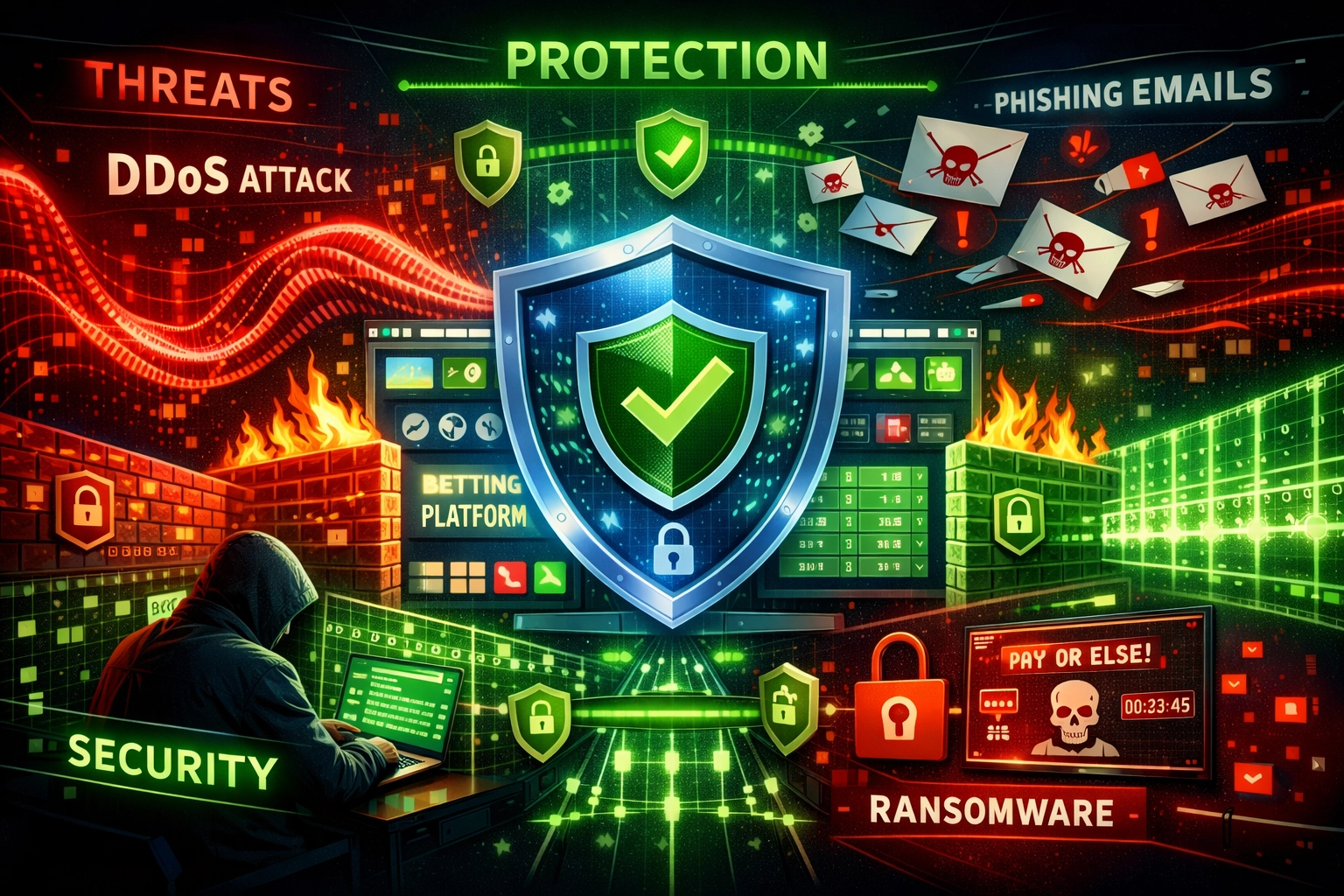
Betting affiliate sites face a complex and evolving threat landscape that extends far beyond simple password attacks. The primary threats include:
According to Group-IB’s 2024 threat report, the gaming and gambling sector experienced a 45% increase in targeted attacks, with an average breach cost exceeding $4.2 million.

Set up advanced tracking in minutes. No credit card required.
SSL/TLS (Secure Sockets Layer/Transport Layer Security) encryption is the foundational technology that protects data in transit between users’ browsers and your affiliate platform. This protocol creates an encrypted tunnel that prevents attackers from intercepting sensitive information such as login credentials, payment details, and personal data. Modern betting affiliate sites should implement TLS 1.2 or higher, with TLS 1.3 being the gold standard for maximum security. All pages handling sensitive data—particularly login pages, payment processing, and user account sections—must use HTTPS with valid SSL certificates. Regular certificate audits and timely renewals are essential, as expired certificates not only compromise security but also trigger browser warnings that damage user trust and conversion rates.
Two-factor authentication adds a critical second layer of security by requiring users to verify their identity through a second method beyond their password. Common 2FA methods include:
Implementing mandatory 2FA for all user accounts—particularly those with access to payment methods or account settings—reduces unauthorized access incidents by up to 99.9%. For affiliate partners managing multiple accounts, 2FA becomes even more critical, as compromised affiliate accounts can lead to fraudulent referrals and commission theft.
Be the first to know about new features and product updates.
Payment Card Industry Data Security Standard (PCI DSS) is a mandatory compliance framework for any organization handling credit card data. The current version, PCI DSS 4.0, establishes 12 core requirements including network security, access controls, and regular security testing. Betting affiliates must never store full credit card numbers, CVV codes, or magnetic stripe data—instead, implement tokenization where payment processors handle sensitive card data and return only a token for future transactions. All payment processing must occur over encrypted connections, and payment gateways should be regularly audited by qualified security assessors (QSAs). Non-compliance with PCI DSS can result in fines ranging from $5,000 to $100,000 per month, plus liability for breach-related costs. Reputable payment processors like Stripe, PayPal, and specialized gaming payment providers handle much of this burden, but affiliates remain responsible for their portion of the security chain.
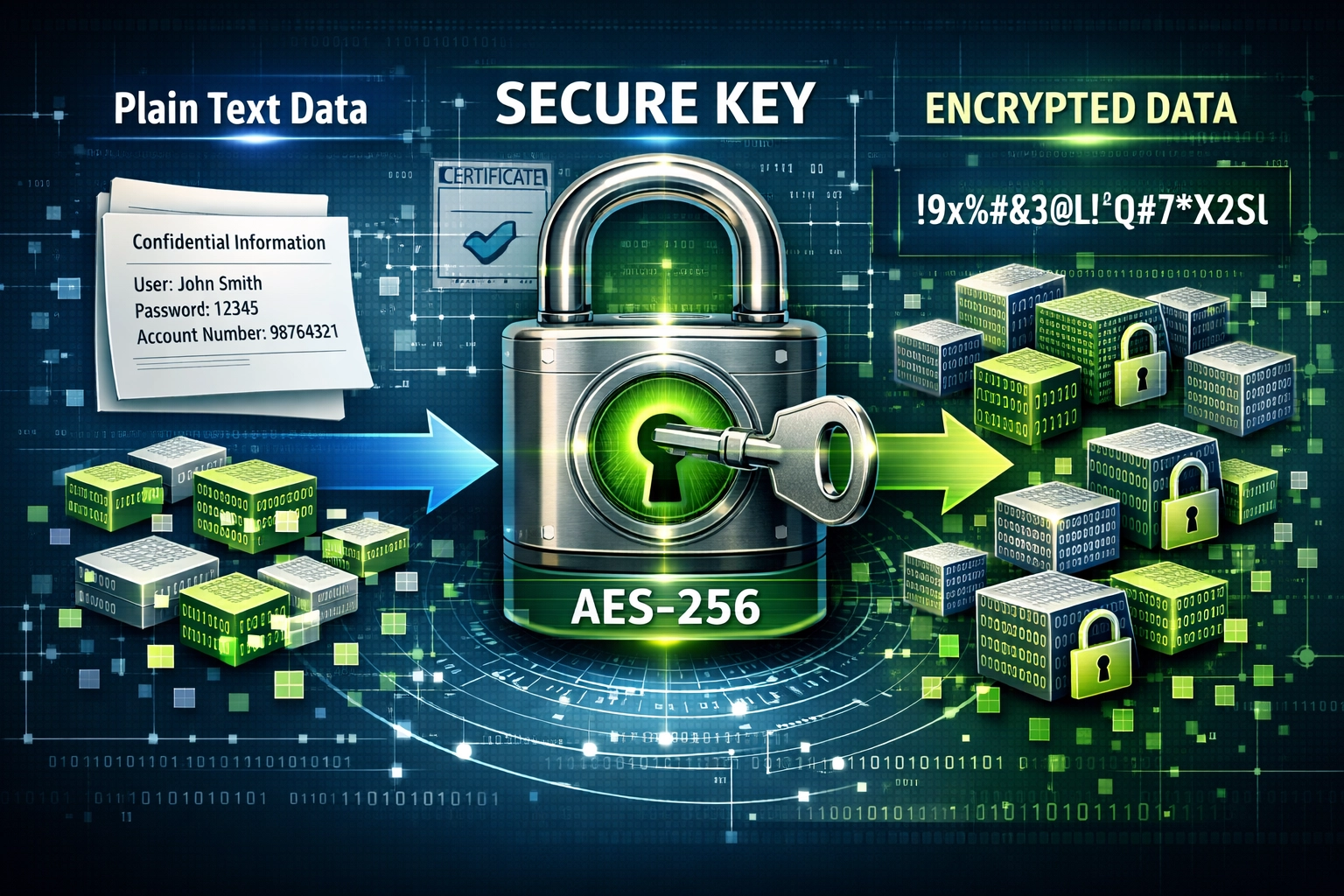
While SSL/TLS protects data in transit, encryption at rest protects stored data from unauthorized access if servers are compromised. The industry standard is AES-256 encryption, which uses a 256-bit key to encrypt sensitive databases containing user information, payment records, and betting histories. Password storage requires specialized hashing algorithms like bcrypt or Argon2, which are computationally expensive and resistant to brute-force attacks—never store passwords in plain text or with simple MD5 hashing. Data minimization principles should guide what information is collected and retained; storing only essential data reduces both security risk and compliance burden. Regular encryption key rotation, secure key management practices, and hardware security modules (HSMs) for key storage add additional layers of protection against sophisticated attackers.
Role-Based Access Control (RBAC) ensures that employees and systems only access the data and functions necessary for their specific roles. A customer service representative should not have access to payment processing systems, and a developer should not have access to user personal information. Implement the principle of least privilege, where every user account has the minimum permissions required to perform their job. RBAC systems should include:
Multi-level approval processes for sensitive operations—such as large commission payouts or data exports—add additional safeguards against fraud and insider threats.
Regular security audits and penetration testing are essential for identifying vulnerabilities before attackers exploit them. Security audits involve comprehensive reviews of systems, policies, and procedures to ensure compliance with security standards, while penetration testing (pen testing) involves authorized simulated attacks to discover exploitable weaknesses. Industry best practices recommend:
SolCyber’s 2024 gaming security report found that organizations conducting regular pen tests experienced 60% fewer successful breaches than those without such programs. Documentation of all findings, remediation efforts, and follow-up testing creates an audit trail demonstrating due diligence to regulators and users.
Betting affiliate sites must navigate a complex landscape of data protection regulations that vary by jurisdiction. Key frameworks include:
Each regulation requires documented policies, user consent mechanisms, data processing agreements with vendors, and procedures for honoring user rights requests. Compliance is not a one-time effort but an ongoing commitment requiring regular policy updates as regulations evolve.
Betting platforms are high-risk targets for money laundering and fraud, making robust AML and fraud detection systems essential. Know Your Customer (KYC) procedures require verifying user identity through government-issued documents, address verification, and beneficial ownership checks for business accounts. Advanced fraud detection systems use machine learning to identify suspicious patterns including:
Anomaly detection algorithms analyze transaction amounts, frequencies, and geographic locations to flag suspicious activity for manual review. Integration with third-party AML screening services ensures compliance with international sanctions lists and regulatory requirements. The Financial Action Task Force (FATF) guidelines recommend transaction monitoring and suspicious activity reporting (SAR) to financial intelligence units.
A Web Application Firewall (WAF) sits between users and your web servers, filtering malicious traffic and blocking common attack patterns. WAF systems protect against:
DDoS (Distributed Denial of Service) protection services detect and mitigate attacks where thousands of compromised computers flood your servers with traffic. Modern DDoS mitigation uses behavioral analysis to distinguish legitimate traffic from attack traffic, automatically scaling resources to absorb attack volume. Intrusion Detection Systems (IDS) monitor network traffic for suspicious patterns and alert security teams to potential breaches in real-time. Cloud-based WAF and DDoS solutions from providers like Cloudflare, Akamai, or AWS Shield offer scalability and expertise that most organizations cannot match internally.
Despite best efforts, security incidents will occur—the critical factor is how quickly and effectively you respond. A comprehensive incident response plan should include:
Regulatory requirements mandate breach notification within specific timeframes—GDPR requires 72 hours, while some US states require notification without unreasonable delay. Establish a dedicated incident response team with defined roles, conduct tabletop exercises to test procedures, and maintain contact information for external resources including forensic investigators, legal counsel, and public relations specialists. Post-incident reviews should identify lessons learned and drive continuous improvement of security controls.
Betting affiliates typically rely on numerous third-party vendors including payment processors, email providers, analytics platforms, and hosting services. Each vendor represents a potential security vulnerability, as attackers often target the weakest link in the supply chain. Implement a vendor management program that includes:
Require vendors handling sensitive data to maintain SOC 2 Type II certification, ISO 27001 compliance, or equivalent security standards. Maintain an inventory of all vendors with access to your systems and data, and establish procedures for promptly removing access when vendor relationships end. The 2023 Tapfiliate affiliate security survey found that 40% of security incidents involved compromised third-party vendors, highlighting the critical importance of vendor oversight.
Employees represent both your strongest defense and greatest vulnerability in the security equation. Comprehensive security training should cover:
Conduct mandatory security awareness training for all employees at hire and annually thereafter, with specialized training for roles handling sensitive data. Simulate phishing attacks to identify vulnerable employees and provide targeted coaching. Create a security-conscious culture where employees feel empowered to report suspicious activity and are rewarded for identifying vulnerabilities. Studies show that organizations with strong security awareness programs experience 50% fewer successful phishing attacks and significantly lower insider threat incidents.
Regular backups are your insurance policy against ransomware, data corruption, and system failures. Implement the 3-2-1 backup strategy: maintain three copies of critical data, on two different storage media, with one copy stored offsite. Automated daily backups should be encrypted and tested regularly to ensure they can be restored successfully—untested backups are worthless when disaster strikes. Establish a Recovery Time Objective (RTO) defining the maximum acceptable downtime and Recovery Point Objective (RPO) defining the maximum acceptable data loss. Document disaster recovery procedures, assign responsibilities, and conduct annual disaster recovery drills to ensure the team can execute the plan under pressure. Cloud-based backup solutions provide geographic redundancy and scalability, while on-premises backups offer additional control and compliance benefits.
Transparent privacy policies are both a legal requirement and a trust-building tool that demonstrates your commitment to user data protection. Privacy policies should clearly explain:
Proactively communicate security practices to users through blog posts, webinars, and documentation. When security incidents occur, transparent communication about what happened, what data was affected, and what steps users should take builds trust even in difficult situations. Provide users with tools to manage their privacy preferences, including opt-out mechanisms for non-essential data collection and easy account deletion procedures. Regular privacy impact assessments ensure policies remain current as business practices and regulations evolve.
PostAffiliatePro stands as the industry-leading affiliate management platform specifically designed with betting and gaming security requirements in mind. Our platform incorporates enterprise-grade security features including AES-256 encryption for all sensitive data, mandatory two-factor authentication for affiliate accounts, and comprehensive audit logging of all system activities. We maintain SOC 2 Type II certification and full GDPR, CCPA, and VCDPA compliance, with dedicated compliance teams monitoring regulatory changes. Our infrastructure includes DDoS protection, Web Application Firewall integration, and real-time fraud detection powered by machine learning algorithms that identify suspicious affiliate activity patterns. With PostAffiliatePro, betting operators gain not just an affiliate management solution, but a trusted security partner committed to protecting user data and maintaining the highest standards of industry compliance—allowing you to focus on growth while we handle the security complexity.
SSL/TLS encryption and two-factor authentication (2FA) form the foundation of betting affiliate security. SSL/TLS protects data in transit between users and your platform, while 2FA adds a critical second layer of account protection. Together, these measures prevent the majority of common attacks including credential stuffing, man-in-the-middle attacks, and unauthorized account access.
Industry best practices recommend annual third-party penetration tests, quarterly internal security assessments, and continuous vulnerability scanning. Critical vulnerabilities should be patched within 24-48 hours. Regular audits help identify weaknesses before attackers can exploit them and demonstrate due diligence to regulators and users.
PCI DSS (Payment Card Industry Data Security Standard) is a mandatory compliance framework for organizations handling credit card data. It establishes 12 core requirements including network security, access controls, and regular testing. Non-compliance can result in fines ranging from $5,000 to $100,000 per month, plus liability for breach-related costs.
GDPR compliance requires obtaining explicit user consent before data collection, maintaining transparent privacy policies, implementing data minimization practices, and honoring user rights including access, correction, and deletion. You must also notify regulators of breaches within 72 hours. Non-compliance fines can reach €20 million or 4% of global revenue.
Immediately activate your incident response plan: isolate affected systems, contain the breach, conduct forensic investigation, and notify affected users and regulators within required timeframes (72 hours for GDPR). Document all actions taken, communicate transparently about what happened and what steps users should take, and conduct a post-incident review to prevent future breaches.
Implement mandatory two-factor authentication, enforce strong password policies, monitor for unusual login patterns and velocity checks, use device fingerprinting to detect anomalies, and implement rate limiting on login attempts. Regular security awareness training helps employees recognize social engineering attempts that could lead to credential compromise.
Know Your Customer (KYC) verification requires confirming user identity through government-issued documents and address verification. KYC is essential for preventing fraud, money laundering, and underage gambling. It's a regulatory requirement in most jurisdictions and helps protect your platform from criminal activity and associated legal liability.
PostAffiliatePro incorporates enterprise-grade security features including AES-256 encryption, mandatory 2FA, comprehensive audit logging, SOC 2 Type II certification, and full GDPR/CCPA/VCDPA compliance. Our platform includes real-time fraud detection, DDoS protection, and Web Application Firewall integration, allowing you to focus on growth while we handle security complexity.
Protect your users' data and build trust with enterprise-grade security. PostAffiliatePro provides built-in compliance and security features designed for betting affiliates.
Discover how to monetize football betting affiliate marketing. Learn strategies, top programs, and how PostAffiliatePro helps manage betting partnerships.

Master social media marketing for betting affiliates with our comprehensive platform-by-platform guide. proven strategies for Facebook, Instagram, TikTok

how affiliate marketers can responsibly promote gambling platforms while protecting players. Comprehensive guide to responsible gambling resources
Join our community of happy clients and provide excellent customer support with Post Affiliate Pro.




Cookie Consent
We use cookies to enhance your browsing experience and analyze our traffic. See our privacy policy.